If you live in Florida, you know how hot and sunny it can get. But did you know that the time you choose to water your plants can make a huge difference in their health and growth?
Watering at the wrong time can waste water and even harm your plants. You want your garden to thrive, not struggle. So, what time is best to water plants in Florida? You’ll discover the ideal times to water, how to avoid common mistakes, and simple tips to keep your plants happy and hydrated all year round.
Keep reading, and your plants will thank you!
Credit: jmclandscapingfl.com
Ideal Watering Times
Choosing the right time to water plants in Florida is crucial. The state’s hot and humid climate affects how plants absorb moisture. Watering at ideal times helps plants stay healthy and conserves water. It reduces evaporation and disease risks. Let’s explore the best times to water your plants for optimal growth.
Morning Benefits
Watering early in the morning is excellent for plants. The temperature is cooler, so less water evaporates. Plants soak up moisture before the heat of the day arrives. Morning watering also allows leaves to dry quickly. Dry leaves reduce the chance of fungal diseases. This time suits all types of plants and watering methods.
Evening Advantages
Watering in the evening can be helpful when morning watering is not possible. It allows water to soak deeply into the soil overnight. This keeps plants hydrated during the cooler night hours. Using drip irrigation or soaker hoses works best in the evening. Avoid wetting leaves at night to prevent fungal problems. Water only the soil to keep plants healthy.
Why Midday Watering Fails
Watering at midday wastes water due to high heat and sun. Most of the water evaporates before reaching plant roots. This reduces the amount plants actually absorb. Wet leaves under the hot sun can also burn. Midday watering stresses plants instead of helping them. Avoid watering during peak sun hours to protect your garden.

Credit: lawnlove.com
Watering During Florida’s Dry Season
Florida’s dry season demands careful watering to keep plants healthy. The air becomes hot and dry, and water evaporates quickly. Proper watering timing helps plants absorb moisture efficiently. Adjusting watering habits during this time protects plants from stress and conserves water.
Adjusting For Heat
Water plants early in the morning before the sun rises high. Cooler temperatures reduce water loss to evaporation. Evening watering also works well, but avoid wetting leaves to prevent disease. Avoid watering during midday heat when most water evaporates quickly. Adjust watering frequency depending on the heat intensity and plant needs.
Soil Moisture Retention
Use mulch to keep soil moist longer during dry spells. Mulch blocks sunlight and slows evaporation from soil. Check soil moisture regularly by feeling it a few inches deep. Water deeply but less often to encourage strong root growth. Shallow watering wastes water and does not reach roots effectively.
Managing Evaporation
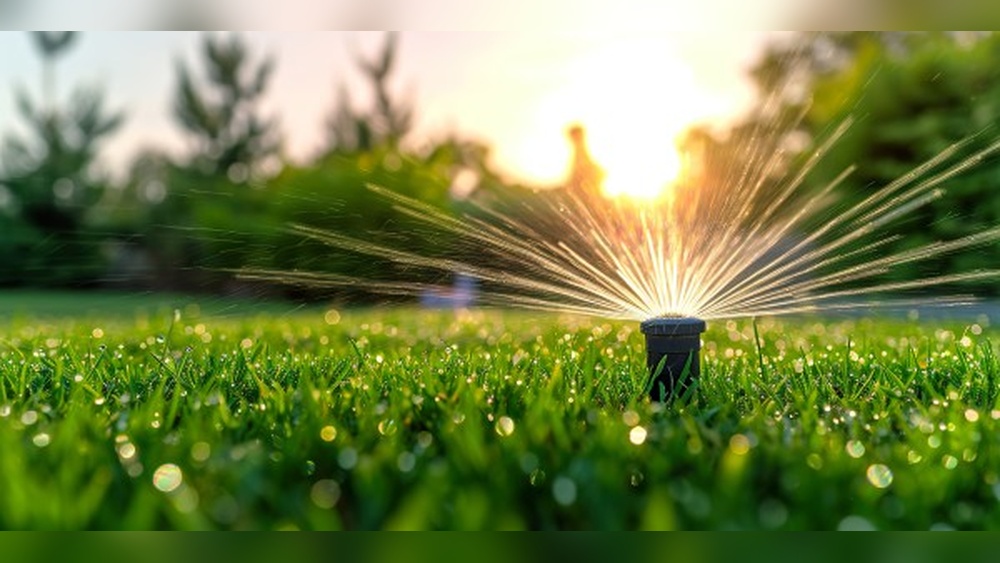
Choose watering methods that limit water loss, such as drip irrigation or soaker hoses. These deliver water directly to roots, reducing evaporation. Avoid sprinkler systems during the hottest parts of the day. Water in calm weather to prevent wind from drying out sprayed water. Cover soil with organic material to slow evaporation further.
Techniques For Effective Watering
Watering plants properly is essential for healthy growth, especially in Florida’s warm climate. Using the right watering techniques helps plants absorb water better and stay strong. Effective watering saves water and prevents plant diseases. Choose methods that target the roots and keep soil moist without waste.
Deep Vs. Shallow Watering
Deep watering reaches plant roots and encourages strong root growth. It means watering slowly and allowing water to soak deep into the soil. Shallow watering only moistens the surface, leading to weak roots and dry soil. Deep watering reduces the need for frequent watering. It helps plants survive Florida’s hot, dry days.
Using Drip Irrigation
Drip irrigation delivers water directly to plant roots through small tubes. This method limits water loss by evaporation and runoff. Drip irrigation saves water and keeps soil moist longer. It also reduces weed growth by watering only the plants. This system is easy to set up for garden beds and pots.
Soaker Hoses Benefits
Soaker hoses release water slowly along their length, soaking the soil evenly. They work well for garden rows and flower beds. Soaker hoses reduce water waste by targeting the root zone. They lower leaf wetness, which helps prevent fungal diseases. Using soaker hoses in Florida’s warm climate keeps plants healthy and hydrated.

Credit: oasispalmsandlandscaping.com
Protecting Plants In Hot Weather
Hot weather in Florida can stress your plants. Protecting them helps keep them healthy and strong. High temperatures cause water to evaporate quickly. Plants need extra care to survive the heat. Simple steps can reduce damage and improve growth.
Mulching Tips
Mulching helps keep soil cool and moist. Use organic mulch like bark, straw, or leaves. Spread a 2-3 inch layer around plants, avoiding the stem. Mulch reduces water evaporation from soil. It also prevents weeds that compete for water. Mulching keeps roots cooler during hot days. Refresh mulch each season for best results.
Shade Cloth Usage
Shade cloth lowers temperature around plants. Choose cloth with 30-50% shade for most plants. Drape it over plants during peak sun hours. This reduces leaf burn and water loss. Shade cloth is easy to install and remove. It works well for young or sensitive plants. Use sturdy stakes or frames to support the cloth.
Avoiding Fertilizer Stress
Fertilizing in hot weather can harm plants. Fertilizer salts may burn roots when soil is dry. Hold off on fertilizing during the hottest months. Water plants deeply before and after applying fertilizer. Use slow-release or diluted fertilizers to reduce stress. Healthy plants resist heat better and grow well. Timing fertilizer application with cooler weather is safer.
Watering Equipment Choices
Watering plants in Florida requires careful attention to avoid common mistakes. These errors can harm plant health and waste water. Understanding what to avoid helps your garden thrive and saves resources.
Watering Leaves At Night
Watering leaves during the night keeps them wet for hours. This moisture invites fungal diseases and mold growth. Water should target the soil and roots, not the foliage. Using drip irrigation or watering early morning is better.
Frequent Shallow Watering
Shallow watering means water does not reach deep roots. Plants develop weak roots and become stressed during dry spells. Water deeply but less often to encourage strong root growth. This method helps plants survive Florida’s heat.
Ignoring Plant Specific Needs
Different plants need different amounts of water. Some prefer dry soil, while others like moist conditions. Research your plants’ water needs to avoid over or underwatering. Tailoring watering helps plants grow healthy and vibrant.
Frequently Asked Questions
What Time Of Day To Water Plants In Florida?
Water plants in Florida early morning or late evening. These times reduce evaporation and help roots absorb moisture effectively. Avoid midday watering to prevent water loss.
Is 10 Minutes Of Sprinkler Enough?
Ten minutes of sprinkler watering may suffice for small lawns or light soil but often falls short for deep root hydration. Water early morning or late evening to reduce evaporation. Adjust timing based on soil type, weather, and plant needs for best results.
What Is The Best Time To Water Plants In Hot Weather?
Water plants early morning or late evening in hot weather. This reduces evaporation and helps roots absorb moisture effectively. Avoid midday watering to prevent water loss.
Is It Better To Water Plants At Night Or Early In The Morning?
Water plants early in the morning for best absorption and to reduce evaporation. Night watering is okay if done at the soil base to avoid fungal diseases. Avoid midday watering as heat causes rapid water loss.
Conclusion
Watering plants early morning or late evening works best in Florida. Cooler temperatures reduce water loss and help roots absorb moisture. Avoid midday watering since heat causes quick evaporation. Water deeply to encourage strong root growth. Using drip irrigation or soaker hoses saves water and targets roots.
Mulch helps keep soil moist longer. Following these simple steps keeps your plants healthy and thriving in Florida’s climate. Try these tips for better garden care every day.