Looking to transform your shady Florida garden into a vibrant, lush retreat? You might think shade limits your planting options, but that’s far from the truth.
With the right plants, your shaded spots can become the most captivating corners of your yard. Imagine colorful foliage, tropical vibes, and delicate blooms thriving where the sun barely peeks through. Whether you want to add texture, color, or a tropical feel, the best shade plants in Florida offer endless possibilities tailored to your unique garden.
Keep reading, and you’ll discover which plants will bring life and beauty to your shaded spaces all year round.
Credit: jmclandscapingfl.com
Flowering Shade Plants
Flowering shade plants brighten dark garden corners with color and life. They thrive under tree canopies and shaded patios. These plants offer beautiful blooms and attractive foliage. Their vibrant colors create visual interest even with limited sunlight. Choosing the right flowering shade plants helps transform shady areas into lively garden spots.
Azaleas For Colorful Blooms
Azaleas display stunning flowers in spring. They prefer filtered shade and acidic soil. Their blooms range from white to deep pink and red. Azaleas add seasonal color to shaded garden beds. They attract butterflies and hummingbirds, enhancing garden life.
Begonias’ Vibrant Foliage
Begonias shine with both bright flowers and colorful leaves. They tolerate low light and humid conditions well. Begonias bloom in shades of red, pink, and white. Their foliage varies from green to deep burgundy. These plants add texture and color to shady spots.
Caladiums’ Bright Leaf Patterns
Caladiums are prized for their eye-catching leaf designs. They prefer warm, shaded places with moist soil. Leaf colors include red, pink, white, and green combinations. Caladiums bring tropical flair to shady gardens. Their bold patterns brighten dull corners.
Bromeliads’ Tropical Appeal
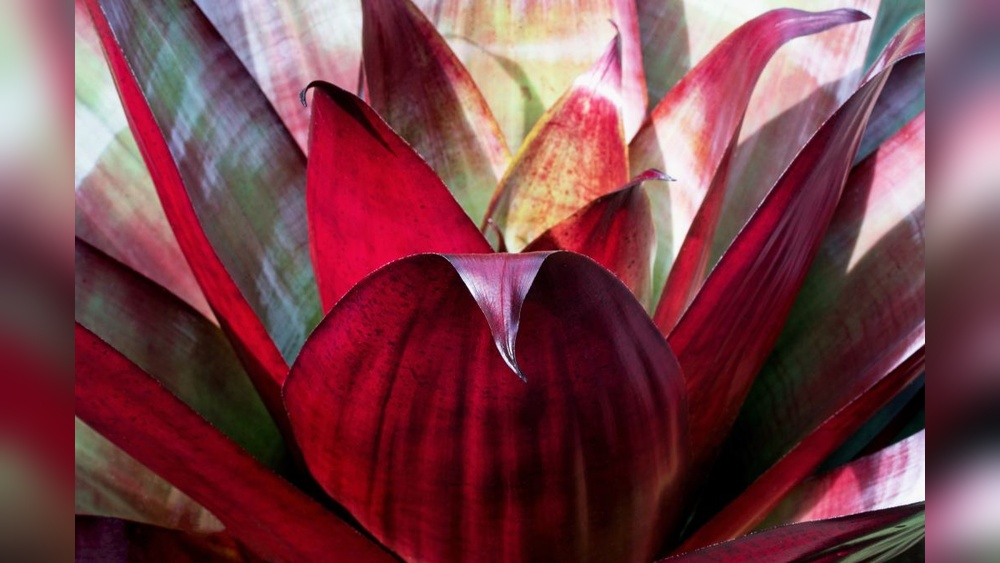
Bromeliads thrive in Florida’s shaded, humid environment. Their rosette leaves hold water, creating natural mini-ecosystems. Bromeliads produce colorful flower spikes in red, orange, or yellow. They add exotic beauty and height to shade gardens. These plants are low-maintenance and drought-tolerant.
Coleus Varieties
Coleus plants boast brightly colored leaves in many patterns. They grow well in partial to full shade. Leaf shades include purple, pink, green, and yellow. Coleus adds vibrant color without needing flowers. Their easy care makes them garden favorites.
Palms And Tropical Greens
Palms and tropical greens thrive in Florida’s warm, humid climate. They bring lush, green beauty to shady garden spots. These plants offer texture and color without needing full sun. Many palms and tropical greens grow well under large trees or beside shaded patios. Their leaves create a cool, tropical feel that enhances any outdoor space.
Choose palms and tropical greens for easy-care shade plants. They resist heat and humidity while adding natural charm. These plants also attract birds and butterflies, making gardens lively and inviting.
Areca Palm’s Lush Growth
The Areca Palm grows thick, feathery fronds. It reaches heights of 6 to 12 feet. This palm creates a soft, green screen ideal for shade. It prefers indirect sunlight and moist soil. Areca Palm adds a tropical look with minimal care. It cleans the air, improving garden freshness.
Florida Thatch Palm
Florida Thatch Palm adapts well to shady environments. It has fan-shaped leaves that catch light beautifully. This palm grows slowly but steadily. It tolerates dry spells and poor soil. Its strong trunk and wide canopy provide excellent shade. Florida Thatch Palm fits well in natural, low-maintenance landscapes.
Foxtail Fern’s Feathery Texture
Foxtail Fern is not a true fern but a palm. It has bushy, soft fronds that look like fox tails. The plant grows 3 to 6 feet tall. It thrives in partial shade with moist soil. Foxtail Fern adds a unique texture to shaded spots. It stays green year-round, brightening dark corners.
Schefflera’s Bright Leaves
Schefflera, also called umbrella tree, shines with glossy leaves. Its leaflets spread like umbrella ribs, creating a wide canopy. This plant grows fast and tolerates low light well. Schefflera works as a shade shrub or small tree. It adds a pop of bright green and freshness to shaded areas.
Groundcovers And Vines
Groundcovers and vines thrive in Florida’s shaded areas. They cover soil, reduce weeds, and add beauty. These plants stay low or climb, creating lush green carpets or vertical accents. Their ability to grow well in low light makes them ideal for shaded gardens. Choose varieties that handle Florida’s heat and humidity for best results.
Mondo Grass For Shade
Mondo grass is a popular groundcover for shaded spots. It forms dense, dark green mats that brighten shady areas. This grass-like plant needs little care and tolerates Florida’s humid climate. Mondo grass stops soil erosion and keeps the ground cool. It grows slowly but steadily, making it a low-maintenance option.
Asiatic Jasmine’s Fast Growth
Asiatic jasmine grows quickly and spreads wide. It works well on slopes and bare patches under trees. This vine-like groundcover has small, glossy leaves that stay green all year. Asiatic jasmine withstands heat and drought, perfect for Florida’s weather. It controls weeds and needs little watering once established.
Variegated Shell Ginger’s Bold Look
Variegated shell ginger adds color with its striped leaves. This tropical plant thrives in shaded, moist areas. It grows taller than typical groundcovers but stays manageable. The bold foliage creates a striking contrast in shade gardens. Variegated shell ginger also produces fragrant flowers, enhancing garden appeal.

Credit: www.blaumlandscaping.com
Native And Unique Choices
Florida’s climate supports many native shade plants that bring life and color. Choosing native plants helps local wildlife and reduces garden care. These unique plants thrive in Florida’s shade and add natural beauty.
Native shade plants suit Florida’s warm, humid environment. They handle shade well and need less water and fertilizer. Their unique traits make your garden stand out with vibrant colors and interesting textures.
Firebush’s Red Accents
Firebush is a native shrub with bright red flowers. Its color attracts hummingbirds and butterflies. This plant grows well in partial shade and adapts to many soil types. Firebush adds a splash of red to shady spots.
Butterfly Iris’ Delicate Flowers
Butterfly Iris has soft, delicate flowers in shades of purple and yellow. It blooms in spring and summer under filtered light. This plant is low maintenance and deer resistant. Butterfly Iris brightens shady areas with subtle beauty.
Cast Iron Plant’s Durability
The Cast Iron Plant is tough and almost indestructible. It tolerates deep shade and dry conditions. Its dark green leaves stay lush all year long. This plant is perfect for low-light areas with little care needed.
Swamp Lily For Wet Shade
Swamp Lily thrives in wet, shaded spots. It produces white, trumpet-shaped flowers that bloom in summer. This native plant helps control soil erosion in damp places. Swamp Lily adds charm to moist, shady gardens.
Tips For Thriving Shade Gardens
Creating a thriving shade garden in Florida requires more than just choosing the right plants. Careful attention to soil, watering, pests, and seasonal changes makes a big difference. These tips help shade-loving plants grow healthy and strong.
Soil Preparation
Shade plants need rich, well-draining soil. Mix compost or organic matter into the soil before planting. This adds nutrients and improves soil texture. Avoid heavy clay soil, which holds too much water. Test soil pH to keep it slightly acidic to neutral, ideal for most shade plants.
Watering Needs
Shade gardens usually need less water than sunny gardens. Water deeply but less often to encourage strong roots. Check soil moisture regularly. Overwatering can cause root rot. Use mulch to keep soil moist and reduce evaporation. Morning watering helps plants absorb moisture before heat rises.
Pest And Disease Control
Shade gardens can attract pests like slugs, snails, and aphids. Inspect plants often for damage or insects. Use natural pest control methods such as neem oil or insecticidal soap. Remove dead leaves and debris to prevent diseases. Good air circulation around plants reduces fungal problems.
Seasonal Care
Florida’s seasons affect shade plants differently. In winter, protect tender plants from cold snaps with mulch or coverings. Prune dead or damaged branches in early spring. Fertilize lightly during growing seasons to support new growth. Watch for signs of stress and adjust care as needed.

Credit: ethoslandscapes.com
Frequently Asked Questions
What Plants Do Well In Shade In Florida?
Azaleas, begonias, caladiums, bromeliads, coleus, Areca and Florida Thatch palms grow well in Florida’s shade. Foxtail fern, Schefflera, Mondo grass, Asiatic jasmine, and variegated shell ginger thrive too. These plants brighten shady Florida gardens with vibrant colors and lush foliage.
What Will Grow In 100% Shade?
Ferns, hostas, hellebores, bleeding hearts, coral bells, columbine, and bugleweed thrive in 100% shade. These plants tolerate low light and add greenery to dark spots.
What Is The Best Low Maintenance Landscape In Florida?
The best low maintenance landscape in Florida includes native palms, ferns, bromeliads, caladiums, and groundcovers like Mondo grass or Asiatic jasmine. These plants thrive in Florida’s climate, require minimal watering, and resist pests, ensuring an easy-care, attractive garden year-round.
What Is The Best Ground Cover For Shady Areas In Florida?
The best ground covers for shady areas in Florida are Mondo grass and Asiatic jasmine. Both thrive in low light and resist heat. Variegated shell ginger also adds vibrant foliage. These plants provide lush, low-maintenance coverage ideal for Florida’s shady gardens.
Conclusion
Choosing the right shade plants can brighten any Florida garden. These plants thrive without much direct sun. They add color, texture, and life to shady spaces. Azaleas, begonias, and caladiums suit many garden styles. Palms like Areca and Florida Thatch bring a tropical feel.
Groundcovers such as Mondo grass fill empty spots nicely. With these options, your shady garden will flourish. Enjoy the beauty and calm they offer year-round. Start planting and watch your shade garden grow strong.