
If you’re looking to create a vibrant garden in Florida without worrying about constant watering, choosing the best drought resistant plants is key. These plants not only survive but thrive in the hot, dry spells that Florida often experiences.
Imagine a landscape full of color and life that saves you time, water, and effort. Whether you’re a seasoned gardener or just starting out, knowing which plants can handle drought will transform your outdoor space into a stunning, low-maintenance oasis.
Keep reading to discover the top drought resistant plants perfect for your Florida garden and learn how to keep your greenery healthy even when the weather turns dry.
Drought-resistant Plant Types
Choosing the right drought-resistant plants helps maintain a beautiful garden with less water. Florida’s climate demands plants that survive heat and dry spells. Several types thrive well in these conditions. They need little water and resist drought stress. This section highlights popular drought-resistant plant types for Florida gardens.
Succulents And Cacti
Succulents and cacti store water in their leaves and stems. This ability helps them survive long dry periods. They come in many shapes and sizes. These plants need well-drained soil and lots of sun. Some popular choices include aloe vera, agave, and prickly pear cactus. They add unique textures and colors to any garden.
Flowering Perennials
Flowering perennials bloom year after year with little care. Many are drought-tolerant and attract pollinators. Examples are lantana, coreopsis, and purple coneflower. These plants provide color and fragrance during Florida’s dry months. They adapt well to different soil types and sunlight levels. Their deep roots help them access water underground.
Shrubs And Ground Covers
Shrubs and ground covers protect soil from erosion and retain moisture. They form a green carpet that reduces water evaporation. Florida favorites include shore juniper, rosemary, and coontie. These plants grow densely and require minimal watering. They also provide habitat for birds and insects, enriching the garden ecosystem.
Herbs And Small Plants
Herbs and small plants are great for dry gardens and kitchen use. Rosemary, lavender, and thyme tolerate drought well. They need full sun and well-drained soil. These plants offer fresh flavors and medicinal benefits. Small drought-resistant plants fit well in containers or garden edges.
Top Heat-tolerant Flowers
Heat-tolerant flowers thrive in Florida’s hot and dry climate. They add color and beauty without much water. These plants keep gardens vibrant even in drought conditions. Choosing the right flowers saves water and effort.
Lantana Varieties
Lantanas are tough and colorful. They bloom in red, orange, yellow, and pink. These flowers attract butterflies and bees. Lantanas handle heat and dry soil well. They grow fast and need little care.
Hibiscus Options
Hibiscus plants produce large, bright flowers. They come in many colors like red, pink, and white. Hibiscus loves the sun and heat. They need well-drained soil to avoid root rot. These plants bloom all summer long.
Pentas And Salvia
Pentas have star-shaped flowers that attract pollinators. They show pink, red, and white blossoms. Salvia has spikes of purple, red, or blue flowers. Both plants tolerate heat and dry spells. They add vertical interest to gardens.
Sunflowers And Coreopsis
Sunflowers are tall and cheerful. They handle heat and poor soil easily. Coreopsis blooms in yellow, orange, or red. These flowers spread quickly and resist drought. Both brighten sunny spots in any garden.
Coneflowers And Zinnias
Coneflowers have daisy-like petals and a cone center. They come in purple, pink, and white shades. Zinnias bloom in many bright colors. Both plants thrive in heat and need little water. They attract butterflies and birds to your yard.
Vibrant Shrubs For Dry Gardens
Vibrant shrubs bring color and life to dry gardens in Florida. They thrive with little water. These plants add texture and interest to any landscape. Their bright colors resist the harsh sun and drought.
Choosing the right shrubs helps keep your garden lively without much effort. These drought-resistant shrubs suit Florida’s warm climate perfectly. They are easy to care for and last long.
Crotons’ Colorful Foliage
Crotons are famous for their bright, multicolored leaves. Their foliage shows red, yellow, orange, and green shades. Crotons grow well in dry, sunny spots. They add bold color to any garden space. These shrubs stay vibrant even in drought conditions.
Firebush And Firespike
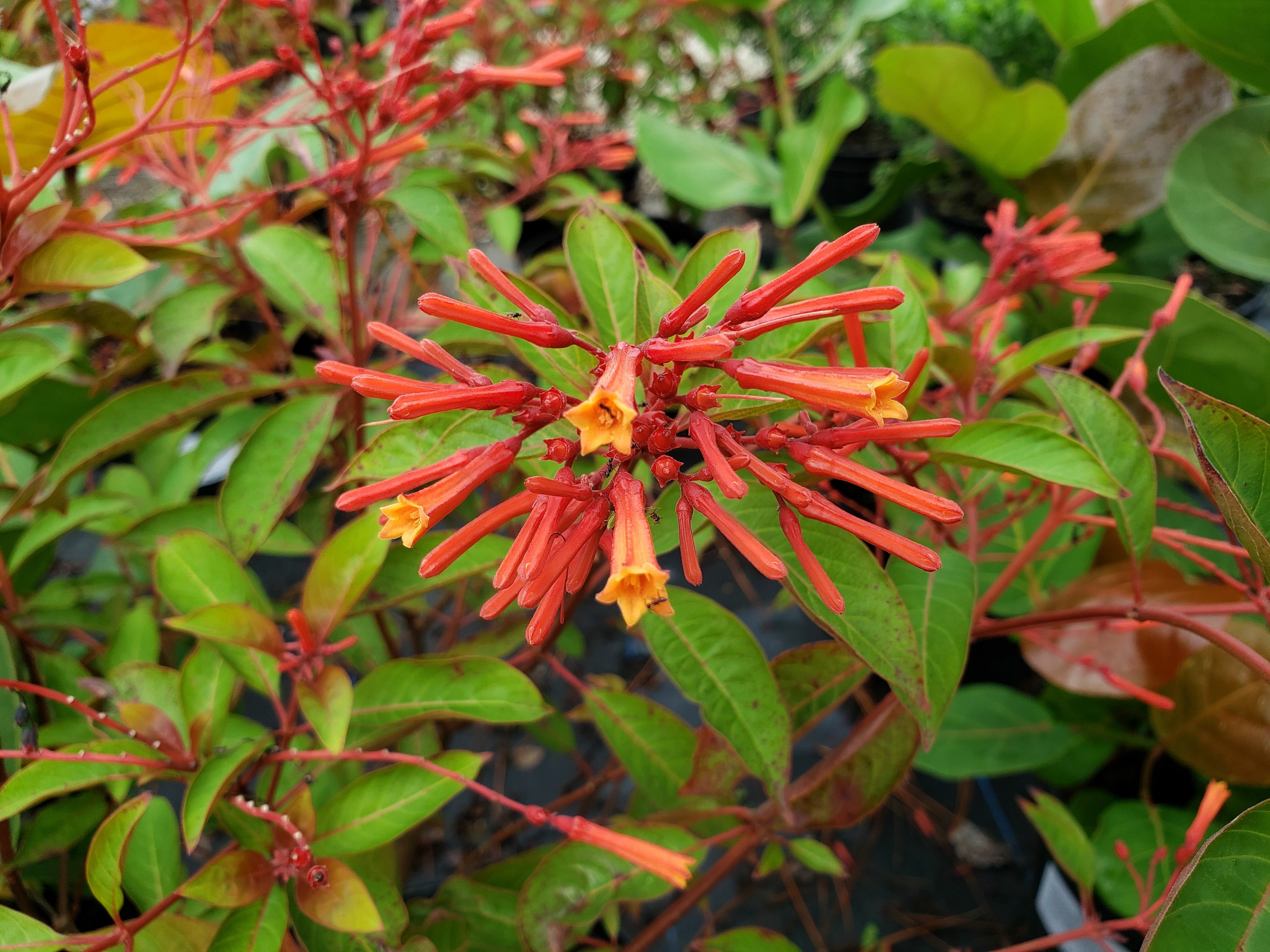
Firebush has bright red-orange flowers that attract butterflies. It tolerates dry soils and strong sun. Firespike features tall spikes with red tubular flowers. Both shrubs brighten dry gardens with warm colors. They require little water once established.
Mediterranean White Heather
Mediterranean White Heather is a small shrub with white blooms. It thrives in well-drained, dry soil. This plant adds soft color and texture to dry gardens. It is drought-tolerant and easy to grow in Florida’s heat.
Low-maintenance Ground Covers
Low-maintenance ground covers save time and water in Florida gardens. These plants spread across soil, reducing weeds and moisture loss. Their drought resistance suits Florida’s dry spells well. Choose ground covers that thrive with little care and few resources. These tough plants keep your garden green without constant attention.
Blue Daze And Blanketflower
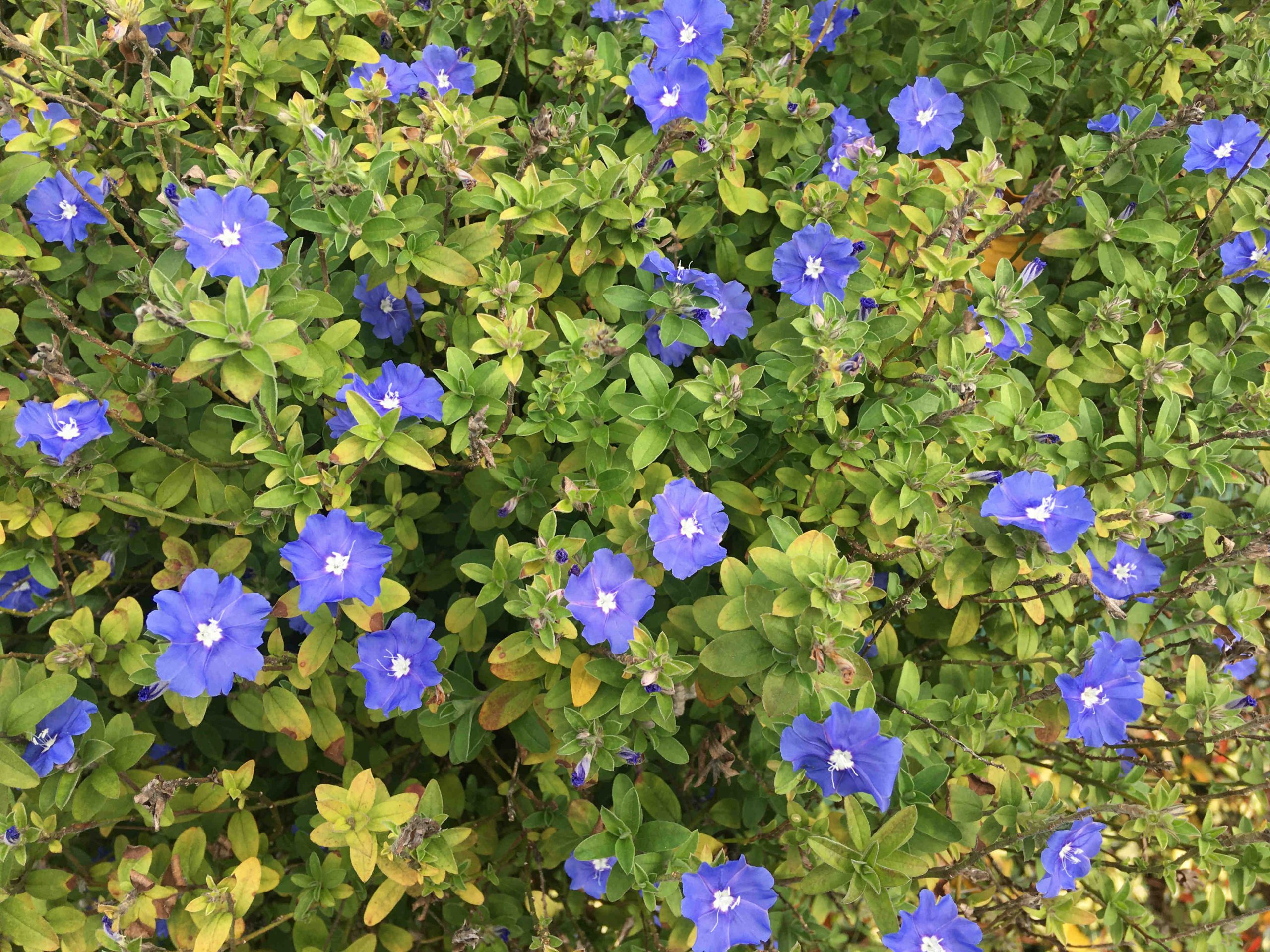
Blue Daze produces small, bright blue flowers all year. It grows low and spreads fast, perfect for sunny spots. Blanketflower shows red and yellow blooms that attract butterflies. Both plants need little water once established. They resist heat and dry soil easily.
Shore Juniper And Liriope
Shore Juniper is a hardy evergreen with needle-like leaves. It handles sandy soil and salty air well. Liriope forms clumps of grass-like leaves with purple flowers. It tolerates shade and drought, making it very versatile. These plants create green mats that fight erosion.
Spider Lily And Portulaca
Spider Lily blooms with white flowers that smell sweet at night. It grows well in dry, sunny areas. Portulaca, or moss rose, has colorful flowers and succulent leaves. It thrives in poor soil and needs almost no water. Both are excellent for brightening up dry garden spots.
Herbs That Withstand Drought
Herbs that withstand drought thrive in Florida’s hot and dry climate. They need little water and still look fresh. These plants save water and add charm to any garden. Growing drought-resistant herbs reduces garden maintenance and helps the environment.
Rosemary And Lavender
Rosemary is a strong herb that grows well with little water. It has needle-like leaves and a fresh scent. Rosemary attracts bees and butterflies, helping pollination. This herb prefers full sun and well-drained soil.
Lavender is famous for its lovely purple flowers and calming aroma. It survives dry spells and needs minimal watering. Lavender adds color and fragrance to gardens. It also repels pests naturally.
Gaura And Passionvine
Gaura is a tough herb with delicate white or pink flowers. It blooms for a long time and resists drought easily. Gaura brings lightness and movement to garden beds.
Passionvine, also known as passionflower, is a climbing plant with unique flowers. It tolerates dry soil and bright sun. Passionvine provides shade and attracts hummingbirds and butterflies.
Credit: blogs.ifas.ufl.edu
Native Florida Plants For Dry Areas
Native Florida plants thrive in dry areas with little water. They adapt well to Florida’s sandy soils and hot sun. These plants need less care and save water. Choosing native plants helps the environment and keeps gardens healthy. Below are two excellent native drought-resistant plants for dry spots in Florida.
Coontie
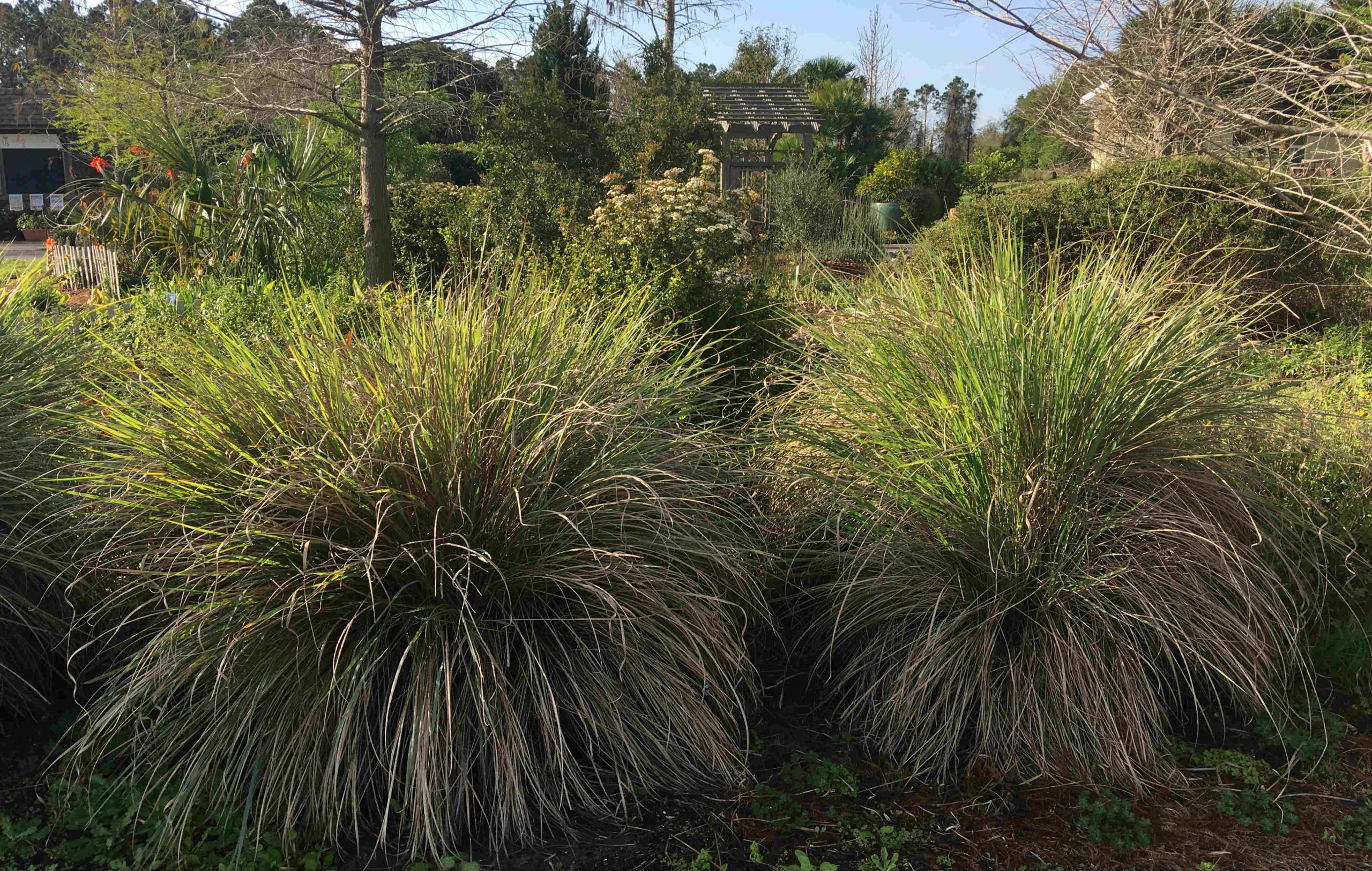
Coontie is a small, tough fern-like plant. It grows well in dry, sandy soil. Coontie has dark green leaves that stay year-round. It is a favorite food for the Florida butterfly, the Atala. Coontie spreads slowly and makes a good ground cover. It needs little water once established. This plant adds texture and color to dry gardens.
Butterfly Milkweed
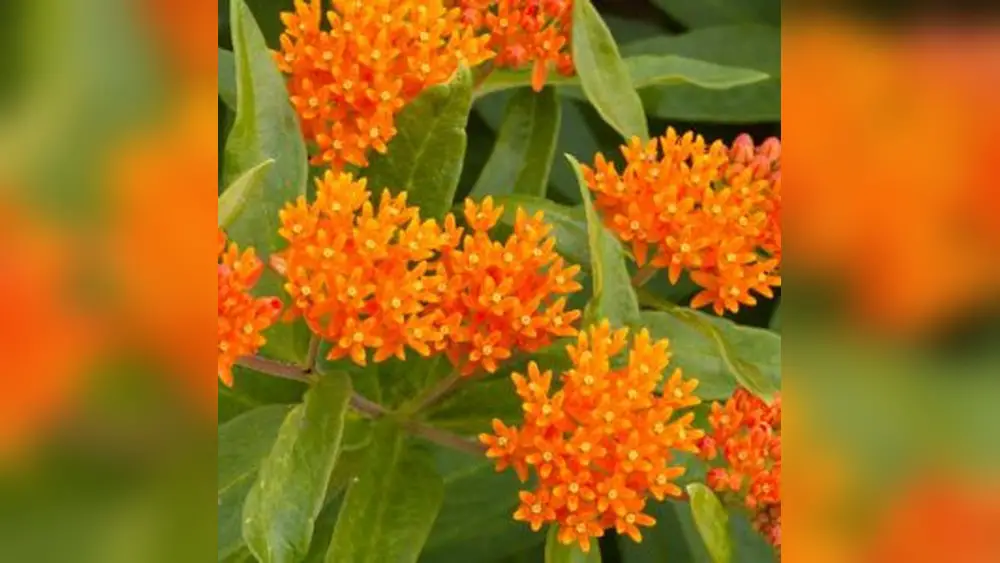
Butterfly Milkweed has bright orange flowers that attract butterflies. It grows well in dry, sunny areas. This plant is low maintenance and drought tolerant. Butterfly Milkweed supports many pollinators, including monarch butterflies. It grows up to three feet tall and blooms in summer. Its deep roots help it survive dry spells easily.
Beach Dune Sunflower
Beach Dune Sunflower grows naturally on Florida’s sandy beaches. It has large yellow flowers that bloom in late summer. This plant tolerates salty air and poor soil. It needs little water and full sun to thrive. Beach Dune Sunflower attracts bees and butterflies. It adds bright color and helps control erosion on dry sites.
Tips For Thriving Drought Gardens
Creating a drought-resistant garden in Florida requires smart planning and care. These tips help plants survive dry spells and grow strong. Proper techniques protect plants and save water. Follow these simple steps to build a thriving drought garden.
Soil Preparation And Mulching
Healthy soil holds water longer and supports plants better. Mix organic matter like compost into soil before planting. This improves moisture retention and nutrient content. Use mulch around plants to reduce evaporation. Mulch also keeps soil cool and blocks weeds. Choose materials like wood chips or straw for mulching.
Watering Strategies
Water deeply but less often to encourage strong roots. Early morning watering reduces water loss from heat. Avoid frequent shallow watering that weakens roots. Collect rainwater in barrels to reuse for irrigation. Drip irrigation or soaker hoses deliver water directly to roots. This method saves water and reduces evaporation.
Plant Grouping And Placement
Group plants with similar water needs together to use water efficiently. Place taller plants to shade smaller ones and reduce soil drying. Position drought-tolerant plants in sunny areas. Use shade-loving drought plants under trees or near structures. Proper placement helps plants survive with less water.
Credit: www.wilcoxnursery.com
Credit: blogs.ifas.ufl.edu
Frequently Asked Questions
What Are The Low-maintenance Drought Resistant Plants In Florida?
Low-maintenance, drought-resistant plants in Florida include aloe, lantana, rosemary, coreopsis, black-eyed Susan, purple coneflower, and salvia. These plants thrive in heat, require minimal watering, and add vibrant color to Florida landscapes.
What Plants Can Survive In The Heat In Florida?
Heat-tolerant Florida plants include lantana, hibiscus, pentas, salvia, sunflowers, crotons, bromeliads, coreopsis, coneflowers, and succulents. These plants thrive in high heat and humidity while requiring low maintenance.
What Is The Best Low-maintenance Landscape In Florida?
The best low-maintenance landscape in Florida features drought-tolerant plants like lantana, hibiscus, rosemary, and coontie. These plants thrive in heat, require minimal watering, and resist pests, making them ideal for Florida’s climate and reducing upkeep efforts.
What Is The Most Drought Tolerant Perennial?
The most drought-tolerant perennial is the Lavender plant. It thrives in dry, sunny conditions and requires minimal water. Lavender also attracts pollinators and adds fragrance to gardens. Other top drought-resistant perennials include Sedum, Russian Sage, and Agave, all excellent for dry landscapes.
Conclusion
Choosing drought resistant plants helps save water and keeps gardens healthy. Florida’s heat and dry spells challenge many plants. Selecting the right species like lantana, rosemary, or coneflowers makes a big difference. These plants need less watering and stay vibrant longer.
They also attract butterflies and bees, supporting local wildlife. Start with a few types and see what grows best. A drought-tolerant garden reduces work and brightens your outdoor space. Simple care and smart plant choices create a beautiful, lasting garden in Florida’s climate.