When winter arrives in Florida, your garden doesn’t have to go dormant. In fact, this season offers a unique chance to fill your outdoor space with vibrant colors and fresh greenery that thrive in cooler temperatures.
You might be wondering which plants will brighten your winter garden without struggling in the mild Florida chill. Whether you want cheerful flowers or hearty vegetables, choosing the best winter plants can transform your yard into a lively, welcoming retreat all season long.
Keep reading to discover the top winter plants perfect for Florida’s climate—and get ready to enjoy a garden that shines even in the coolest months.

Credit: www.threeseasonsllc.com
Winter Climate In Florida
Florida’s winter climate is mild compared to many states. The season brings cooler temperatures but rarely harsh cold. This unique climate allows many plants to thrive when others might struggle. Understanding the winter conditions helps gardeners choose the best plants for their landscape.
Regional Temperature Variations
Florida’s temperature varies from north to south. Northern areas can see cooler days and chilly nights. Central Florida experiences moderate cold spells but mild days. South Florida stays warm most of the winter with minimal temperature drops. These differences affect which plants grow well in each region.
Gardeners in northern Florida should select plants that tolerate occasional cold. Central Florida offers more flexibility with plants that like mild winters. South Florida supports a wide range of tropical and subtropical plants during winter.
Frost And Freeze Risks
Frost can occur in North and Central Florida during winter nights. This frost can damage or kill tender plants. Freeze events are rarer but more severe and may harm many winter plants. South Florida experiences frost and freeze very rarely.
Gardeners should protect sensitive plants during cold snaps. Using frost cloths or moving potted plants indoors helps. Choosing frost-hardy species lowers the risk of damage. Knowing your local frost zone is key to winter gardening success in Florida.
Choosing Winter Plants
Choosing the right winter plants for Florida gardens ensures a vibrant landscape and fresh harvests during the cooler months. Florida’s mild winters allow many plants to thrive, but selection depends on the specific climate zones and soil conditions. Understanding which plants perform well in winter helps gardeners maximize growth and beauty.
Cool-season Vegetables
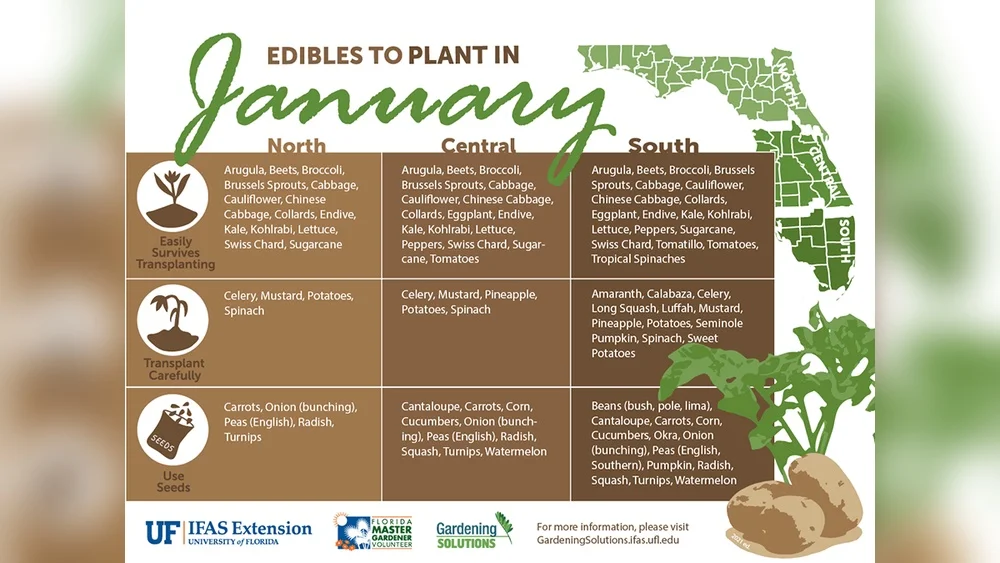
Cool-season vegetables flourish in Florida’s winter climate. Varieties like broccoli, cabbage, and kale grow well in nutrient-rich soil. Root vegetables such as carrots and radishes develop best when sown directly outdoors. Leafy greens including lettuce and spinach offer quick harvests and add color to any garden. Starting seeds indoors for brassicas protects young plants from pests. These vegetables provide fresh, healthy food options throughout the season.
Winter Annual Flowers
Winter annual flowers brighten Florida gardens with color and charm. Pansies, snapdragons, and violas withstand cooler temperatures and bloom profusely. These flowers prefer well-drained soil and regular watering to maintain vibrant petals. Planting a variety of winter annuals creates continuous blooms from fall to spring. They attract pollinators and enhance outdoor spaces with minimal effort. Annual flowers are an easy way to add life to winter landscapes.
Perennials That Thrive
Certain perennials adapt well to Florida’s winter conditions. Plants like coreopsis, gaillardia, and lantana continue blooming with proper care. These perennials require less maintenance and return each year, saving time and resources. They tolerate mild frost and benefit from occasional pruning to encourage growth. Choosing native perennials supports local ecosystems and adds natural beauty. Perennials offer lasting color and structure through the winter months.
Top Winter Vegetables
Winter in Florida offers a great chance to grow fresh vegetables. The cooler weather helps many crops thrive. Choosing the right vegetables ensures a healthy, productive garden. Some plants stand out for their taste and ease of growing in winter.
Here are the top winter vegetables that suit Florida’s climate. They bring color and nutrients to your garden and kitchen.
Brassicas: Broccoli And Kale
Broccoli and kale are strong winter vegetables. They grow well in Florida’s cooler months. Broccoli heads develop best in mild temperatures. Kale leaves stay tender and flavorful when it is cool. Both plants resist frost and pests well. They add vitamins and fiber to your meals.
Root Vegetables: Carrots And Radishes
Carrots and radishes thrive in Florida’s winter soil. They prefer loose, well-drained earth. Carrots need steady moisture for sweet, crunchy roots. Radishes grow fast and can be harvested early. Both root vegetables add variety and nutrition to your garden. They also store well after picking.
Leafy Greens: Lettuce And Spinach
Lettuce and spinach love the cooler weather. They grow quickly and can be picked leaf by leaf. Lettuce offers many types, from crisp to soft leaf varieties. Spinach is rich in iron and easy to grow. Both greens prefer partial shade and regular watering. They keep your salads fresh and healthy all winter long.
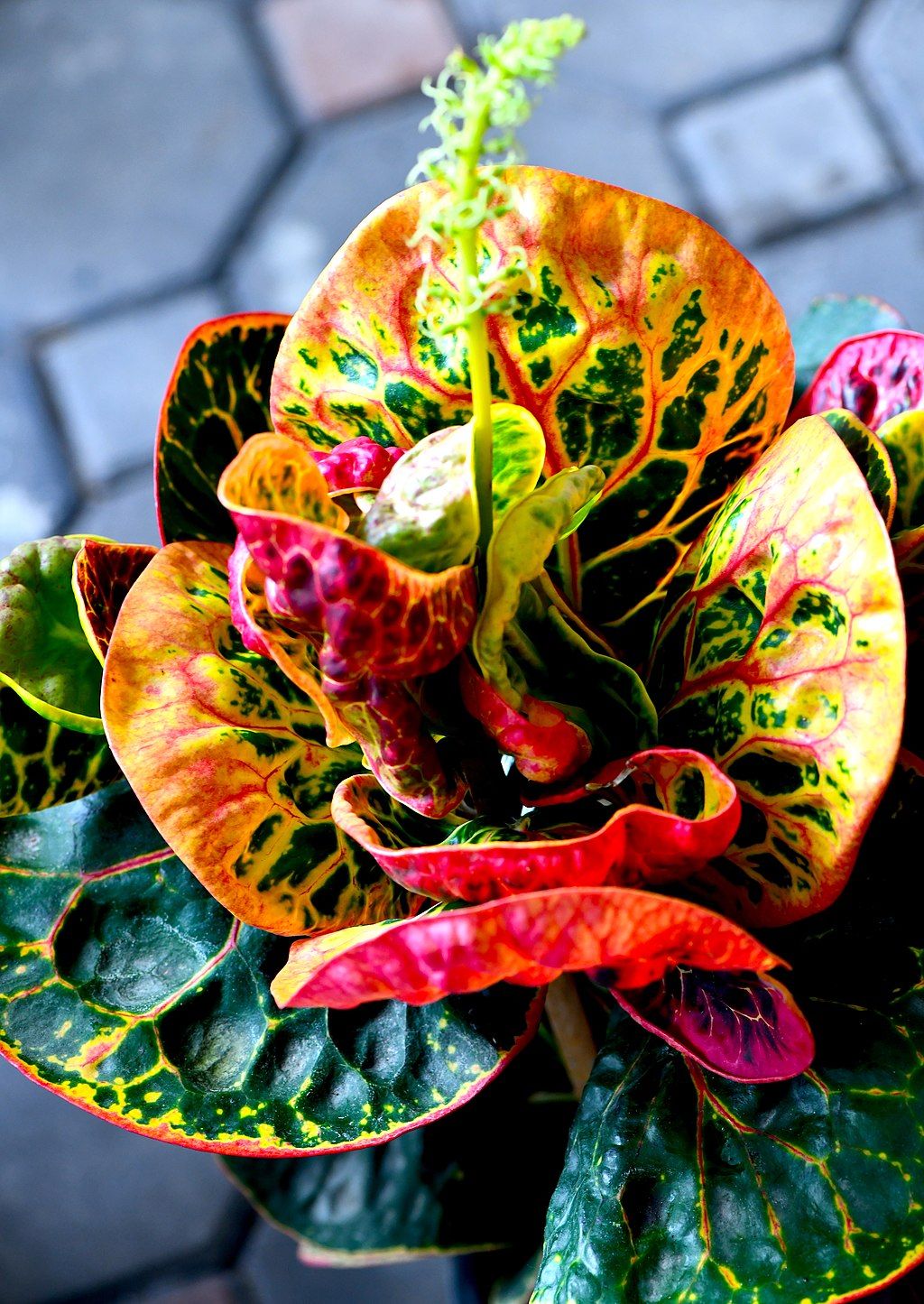
Credit: www.groundsource.pro
Best Winter Flowers
Winter in Florida offers a mild climate perfect for vibrant flowers. Many winter flowers add color and life to gardens during cooler months. These flowers thrive despite the mild chill and brighten up outdoor spaces. Choosing the right winter flowers can enhance your garden’s beauty all season long.
Pansies And Violas
Pansies and violas are top choices for Florida winters. They show bright blooms in shades of purple, yellow, and blue. These flowers tolerate cool weather well and last for months. Pansies and violas also grow easily in containers or garden beds. Their cheerful faces bring charm to any winter landscape.
Snapdragons And Petunias
Snapdragons and petunias bloom beautifully in winter’s cooler temperatures. Snapdragons offer tall spikes with colorful flowers in many hues. Petunias provide a soft, trailing effect with vibrant blooms. Both flowers attract butterflies and add variety to your garden. They grow well in full sun and need regular watering.
Sweet Alyssum And Others
Sweet alyssum features small, fragrant flowers that bloom in clusters. It spreads quickly and works as a ground cover or border. Other great winter flowers include calendula and ornamental kale. Calendula shows bright orange or yellow petals. Ornamental kale adds texture with its colorful leaves. These plants create a lively winter garden scene.
Year-round Bloomers
Year-round bloomers brighten Florida gardens through every season. These plants thrive despite cooler winter temperatures. They offer continuous color and attract pollinators like butterflies and hummingbirds. Choosing the right year-round bloomers ensures your garden stays lively and beautiful all year long.
Lantana And Hibiscus
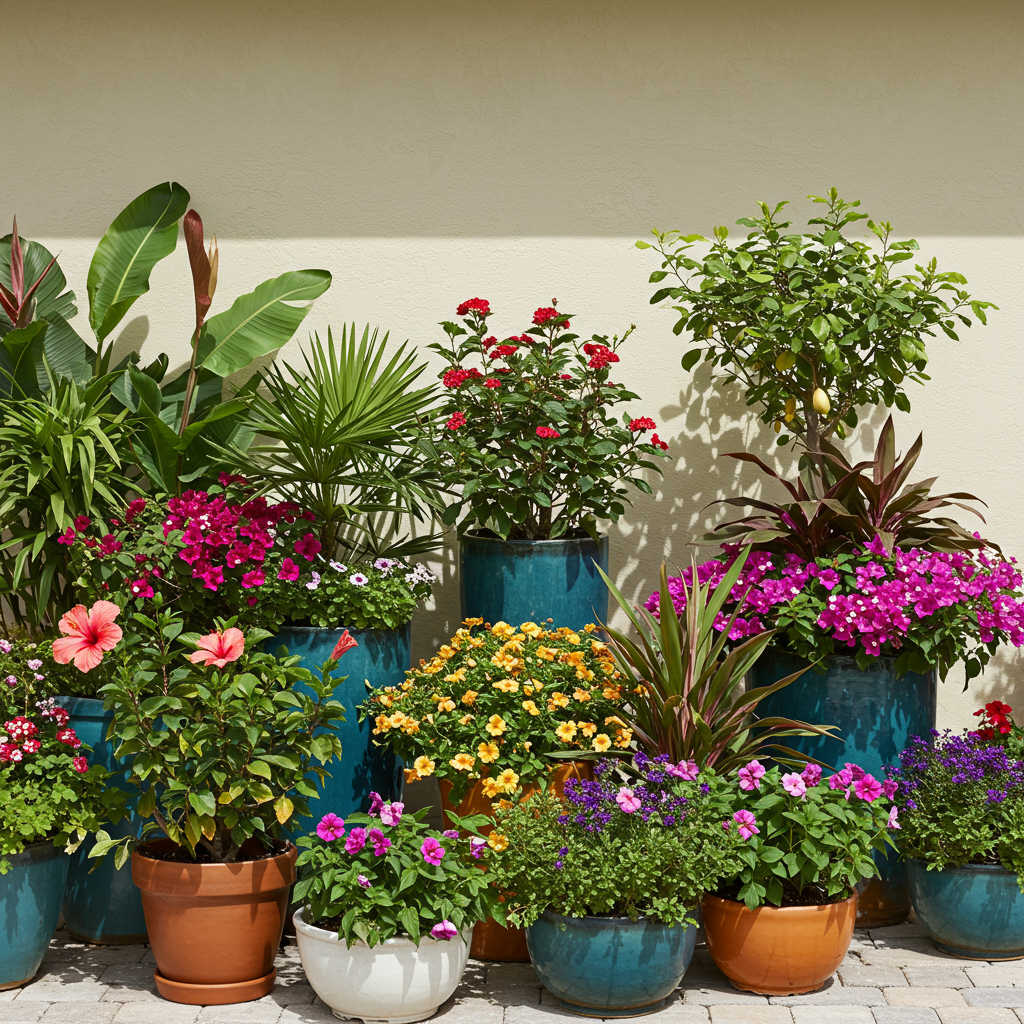
Lantana produces clusters of small, vibrant flowers. It attracts butterflies and handles heat and drought well. Hibiscus offers large, tropical blooms in many colors. Both plants bloom almost all year, adding bold color to landscapes.
Pentas And Salvia
Pentas displays star-shaped flowers that attract hummingbirds. Salvia has spiky blooms in blue, red, or purple shades. These plants thrive in Florida’s climate and keep blooming through winter. They work well in beds and containers.
Plumbago And Blue Daze
Plumbago grows with sky-blue flowers that bloom abundantly. Blue Daze is a low-growing ground cover with soft blue petals. Both plants spread nicely and bloom year-round. They brighten garden borders and sunny spots easily.

Credit: misssmartyplants.com
Planting Tips For Winter
Winter in Florida offers a unique chance to grow cool-season plants successfully. Proper planting methods improve growth and harvest. Follow these simple tips to get your winter garden started strong and healthy.
Starting Seeds Indoors
Begin seeds inside to protect young plants from cold and pests. Use seed trays with clean, moist soil. Keep them in a warm, bright spot. Transplant seedlings outdoors after they grow sturdy leaves. This method works well for broccoli, cauliflower, and cabbage.
Direct Sowing Techniques
Some crops do better when sown directly into garden soil. Root vegetables like carrots and radishes prefer this method. Prepare soil by loosening it and removing rocks. Sow seeds at recommended depths and water gently. Keep soil moist until seedlings appear. This approach reduces transplant shock and promotes strong roots.
Pest Management Strategies
Winter pests can harm young plants if left unchecked. Inspect plants regularly for signs of insects or disease. Use natural remedies such as neem oil or insecticidal soap. Encourage beneficial insects like ladybugs to control pests. Remove any damaged leaves promptly to stop spread. Healthy plants resist pests better, so maintain proper watering and nutrition.
Regional Planting Advice
Understanding regional planting advice is key to a thriving winter garden in Florida. The state’s climate varies from north to south, affecting which plants grow best. Following tailored tips for each region helps gardeners choose the right crops and planting times.
North Florida faces cooler winters. Gardeners here should focus on cold-tolerant plants. South Florida enjoys milder winters, allowing for a mix of cool and warm-weather crops. Adjusting your planting strategy to these conditions boosts success.
North Florida Considerations
North Florida experiences colder temperatures in winter. Plant cool-season crops early to avoid frost damage. Vegetables like broccoli, cabbage, and kale thrive here. Root crops such as carrots and radishes also do well. Start seeds indoors for sensitive plants to protect them. Use row covers or shade cloth to shield young seedlings. Plan to harvest before the coldest months, usually late December or January.
South Florida Warm-weather Crops
South Florida’s warm winters allow for diverse planting. Alongside cool-season vegetables, gardeners can grow warm-weather crops. Tomatoes, peppers, and eggplants perform well in this region. Strawberries also thrive when planted in winter. Sow seeds directly in the soil for root crops like carrots and radishes. Maintain consistent watering to support growth. Pest management is important as mild winters do not reduce insect activity as much.
Maintaining A Vibrant Winter Garden
Maintaining a vibrant winter garden in Florida requires special care. The mild winter climate still demands attention to soil, water, and cold protection. Healthy plants need balanced nutrients, proper hydration, and defense against unexpected cold snaps. Follow simple steps to keep your garden lively and thriving during winter months.
Soil Preparation And Fertilization
Start with well-drained soil rich in organic matter. Mix compost or aged manure into the soil to boost nutrients. Test soil pH and adjust it to suit winter plants, usually between 6.0 and 7.0. Use a slow-release fertilizer designed for winter crops. Avoid over-fertilizing, which can harm plant roots and cause weak growth.
Watering Practices
Water plants early in the day to reduce moisture loss. Keep soil consistently moist but not soggy. Florida winters can be dry, so check soil regularly. Mulch around plants to retain moisture and regulate soil temperature. Adjust watering frequency based on rainfall and plant needs to prevent stress.
Protecting Plants From Cold
Use frost cloths or lightweight blankets to cover sensitive plants overnight. Move potted plants to sheltered spots or indoors during cold snaps. Avoid heavy coverings that trap moisture and cause mold. Remove covers early in the morning to allow sunlight and air circulation. Choose cold-tolerant plants to reduce damage risk.
Frequently Asked Questions
What Grows Best In Florida In Winter?
Cool-season vegetables grow best in Florida winters, including broccoli, cabbage, carrots, kale, lettuce, spinach, and radishes.
What Can I Plant In October In Florida?
In October, plant cool-season crops like lettuce, kale, spinach, broccoli, carrots, radishes, cauliflower, and cabbage in Florida. South Florida can also start warm-weather crops and strawberries. Start brassicas indoors and sow root vegetables directly for best results.
What Flowers Bloom In Florida In The Winter Time?
Pansies, violas, snapdragons, petunias, and sweet alyssum bloom in Florida during winter. These flowers thrive in cooler temperatures.
What Flower Blooms All Year Round In Florida?
Bougainvillea blooms year-round in Florida, thriving in warm climates with vibrant, colorful flowers. It requires minimal care and full sun.
Conclusion
Winter plants in Florida bring color and life to gardens. Choose hardy varieties that thrive in mild winters. Plant leafy greens, root vegetables, and vibrant flowers for best results. Regular watering and pest care keep plants healthy. Enjoy a beautiful, thriving garden all winter long.
Your garden will thank you with lasting blooms and fresh produce. Keep planting, and watch your Florida garden shine this winter.