Are you eager to enhance your Central Florida garden with beautiful, thriving bushes? Knowing the best time to plant them can make all the difference between slow growth and vibrant success.
In Central Florida’s unique climate, timing your planting just right helps your bushes develop strong roots, withstand heat, and flourish year-round. Whether you’re a seasoned gardener or just starting out, this guide will reveal when to plant your bushes for the healthiest, most beautiful results.
Keep reading to discover the ideal seasons, expert tips, and simple tricks that will turn your garden into a lush paradise!

Credit: www.revivalgardening.com
Fall Planting Advantages
Planting bushes in Central Florida during fall offers many benefits. The season’s conditions help bushes develop strong roots. These roots prepare the plant for healthy growth in spring. Fall planting reduces stress and supports better survival rates.
Cooler Air And Warm Soil
In fall, air temperatures cool down while the soil stays warm. Warm soil helps roots grow fast and deep. Cooler air prevents the plant from losing too much water. This balance gives bushes a strong start before winter.
Reduced Heat Stress
Fall planting avoids the intense summer heat. Heat stress can harm new plants and slow growth. Cooler temperatures lower the risk of wilting and damage. Bushes planted in fall recover easier and grow healthier.
Increased Rainfall Benefits
Fall usually brings more rain to Central Florida. Rain helps keep soil moist, reducing the need for extra watering. Consistent moisture supports root development and plant stability. Natural rainfall also helps wash away dust and pests.
Avoid Fertilizing At Planting
Do not fertilize bushes right after planting in fall. Fertilizer can cause leaves to grow before roots. Focus on root growth first for better long-term health. Fertilizing can wait until the plant shows new top growth.

Credit: www.juicedsound.com
Spring Planting Tips
Spring offers a great chance to plant bushes in Central Florida. The soil warms up, and plants can settle before the summer heat arrives. Preparing the ground properly and choosing the right moment helps bushes grow strong roots. Here are some tips to get the best results this spring.
Soil Workability
Check the soil before planting. It should be soft enough to dig without hard effort. If the soil is too wet, wait until it dries. Working the soil when it’s too wet can harm its structure. Good soil workability means roots will grow easily.
Timing Before Summer Heat
Plant bushes early in spring. This gives them time to establish roots before hot summer days. Avoid planting too late, as young bushes may struggle in the heat. Early planting reduces stress and helps bushes stay healthy.
Checking Soil Texture
Feel the soil between your fingers. Ideal soil crumbles easily and holds moisture well. Sandy soil drains fast but may need extra water. Clay soil holds water but can be heavy. Adjust soil texture by adding organic matter to help bushes thrive.
Summer Planting Challenges
Planting bushes in Central Florida during summer presents unique challenges. The intense heat and dry conditions can stress young plants. Careful planning and maintenance become essential for successful growth. Understanding these challenges helps gardeners prepare and support their bushes effectively.
Year-round Planting Potential
Central Florida’s warm climate allows planting bushes all year. Summer is not off-limits, but plants face more stress. The soil stays warm, encouraging root growth despite the heat. Gardeners can plant in summer with extra care and attention.
Frequent Watering Needs
Summer heat increases water evaporation from soil and leaves. Newly planted bushes need frequent watering to stay healthy. Water deeply to reach roots and prevent drying out. Morning or evening watering reduces water loss and helps plants absorb moisture better.
Preparing For Cooler Months
Summer planting helps bushes establish before cooler weather. Strong roots developed in summer support growth in fall and winter. Mulching around bushes keeps soil moist and protects roots from temperature swings. Preparing bushes now improves their chances of thriving year-round.
Winter Planting Considerations
Planting bushes in Central Florida during winter requires special care. Cooler temperatures slow down plant growth. Understanding winter planting helps your bushes survive and thrive.
Slower Growth In Cold
Winter temperatures in Central Florida are mild but cooler than other seasons. Bushes grow slower because cold slows root activity. Plants use less water and nutrients. Expect less visible growth until spring. Patience is key during this period.
Early Season Preparation
Prepare your planting site before the coldest days arrive. Clear weeds and loosen soil to improve root growth. Add mulch to keep soil warm and moist. Choose healthy bushes suited for winter planting. Early preparation supports stronger root establishment.
Protecting Cold-sensitive Plants
Some bushes cannot tolerate cold well. Cover these plants with frost cloths or blankets at night. Move potted bushes indoors or to sheltered spots. Avoid planting sensitive varieties in exposed areas. Protection reduces frost damage and helps plants survive cold snaps.
Site Selection Factors
Choosing the right site for planting bushes in Central Florida plays a vital role in their success. The location affects sunlight, water, soil quality, and space for growth. Picking a suitable site reduces plant stress and improves health. Consider key factors to match the shrub’s needs with the environment. Avoid spots that may cause future problems for the plant or your property.
Matching Shrub Needs To Location
Each shrub has specific requirements for sunlight and soil. Some bushes thrive in full sun, while others prefer shade. Check the light conditions of your planting site. Ensure the soil drains well and has the right texture for the shrub type. Matching these needs helps the plant grow strong. Avoid planting in heavy clay or overly sandy soil without amendment. Understanding the shrub’s natural habitat guides good site choice.
Avoiding Proximity To Structures
Keep bushes at a safe distance from buildings and fences. Roots can damage foundations and underground pipes. Branches may scratch walls or block windows as they grow. Proper spacing allows air circulation and reduces disease risk. It also makes maintenance easier. Plan for the shrub’s full size to avoid crowding. Leave room for growth above and below ground to protect both plants and structures.
Credit: www.skyfrogtreeservice.com
Soil And Water Management
Proper soil and water management plays a vital role in planting bushes in Central Florida. Healthy soil supports strong roots and helps plants absorb nutrients. Managing water correctly prevents stress and encourages growth. This section explains how to maintain soil structure and use watering strategies through the seasons for best results.
Maintaining Soil Structure
Good soil structure allows air, water, and roots to move easily. Avoid compacting the soil by not walking on planting areas. Use organic matter like compost to improve soil texture. Mulch helps keep soil moist and prevents erosion. Check soil pH to keep it near neutral. Well-structured soil reduces water runoff and retains nutrients for bushes.
Watering Strategies By Season
Water needs change with Central Florida’s seasons. In fall and spring, rain usually meets most watering needs. Water deeply but less often to encourage deep roots. During summer, water more frequently due to heat and dry air. Early morning watering reduces evaporation loss. Avoid overwatering, which can cause root rot. In winter, reduce watering as plants grow slower and rainfall increases.
Regional Climate Impacts
Central Florida’s climate shapes the best time to plant bushes. The region has warm temperatures, high humidity, and seasonal rainfall. These factors influence how well bushes grow and when they should be planted. Understanding local climate impacts helps gardeners choose the right planting time. It supports healthy root growth and reduces plant stress. The weather varies across Central Florida, which means planting times may differ.
Differences Across Central Florida
Central Florida stretches over a wide area with small climate changes. Northern parts face cooler winters and occasional frost. Southern areas stay warmer with less frost risk. Coastal zones have more humidity and salt air. Inland areas may have drier soil and more temperature swings. These differences affect plant survival and growth speed. Gardeners should note their specific location before planting bushes. Adjusting for local climate improves results and reduces plant loss.
Adjusting Planting Based On Frost Risk
Frost can harm young bushes by damaging leaves and roots. Northern Central Florida experiences frost more often than southern parts. Plant bushes after the last expected frost date to avoid damage. Use local frost maps or weather forecasts for guidance. Protect bushes with covers if frost threatens after planting. Choosing frost-tolerant species helps in colder zones. Timing planting carefully based on frost risk ensures stronger bushes and less care later.
Common Planting Mistakes
Planting bushes in Central Florida can be rewarding. Avoiding common mistakes helps your plants grow strong and healthy. Many beginners make errors that slow growth or cause failure. Understanding these mistakes saves time and money. Below are some frequent errors to watch out for.
Overfertilizing At Planting
Too much fertilizer harms young bushes. It burns roots and stops growth. Use only the recommended amount on the package. Choose a slow-release fertilizer to feed plants gradually. Fertilizer is best applied after plants settle in the soil. Avoid the urge to add extra fertilizer at planting time.
Planting In Poor Soil Conditions
Planting in soil that is compacted or too sandy causes stress. Bush roots need loose, well-drained soil to grow. Test your soil before planting. Add organic matter like compost to improve soil quality. Avoid planting if the soil is waterlogged or very dry. Proper soil preparation gives plants a strong start.
Ignoring Seasonal Water Needs
Newly planted bushes need regular water. Central Florida’s dry spells can hurt young plants. Water deeply after planting and keep soil moist but not soggy. Adjust watering based on rain and temperature. Too little water causes wilting, while too much leads to root rot. Monitor soil moisture often during the first few months.
Frequently Asked Questions
When To Plant Bushes In Florida?
Plant bushes in Florida mainly in fall for strong root growth and less stress. Early spring and summer also work with proper soil and watering. Winter planting suits South Florida but requires frost protection. Choose timing based on location and shrub needs for best results.
Is October Too Late To Plant Shrubs?
October is not too late to plant shrubs. Cooler air and warm soil in fall promote strong root growth and reduce heat stress. Planting now helps shrubs establish before winter. Water newly planted shrubs well to support growth during cooler months.
Avoid fertilizing to focus on roots.
What Can I Plant In October In Florida?
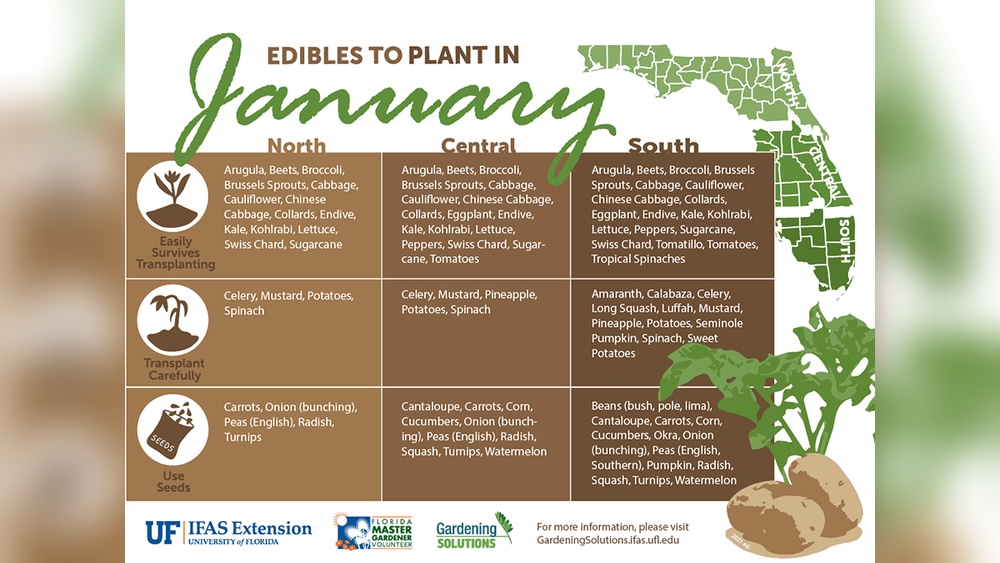
In October in Florida, plant cool-season vegetables like lettuce, broccoli, carrots, and kale. Also, sow herbs such as cilantro and parsley. This timing benefits from cooler air and warm soil, promoting strong root growth before winter.
Is It Okay To Plant Shrubs In September?
Yes, September is a good time to plant shrubs. Cooler air and warm soil encourage strong root growth before winter. This timing reduces heat stress and helps shrubs establish well. Water newly planted shrubs regularly to support healthy development.
Conclusion
Planting bushes in Central Florida works best in fall for strong roots. Spring also suits planting if soil is dry and soft. Summer planting needs more watering to survive the heat. Winter planting is possible but slower, so protect sensitive plants.
Choose the right spot for your bushes to thrive. Watching the soil and weather helps your plants grow well. Timing and care make your garden healthy and beautiful. Start planting at the right time for the best results.