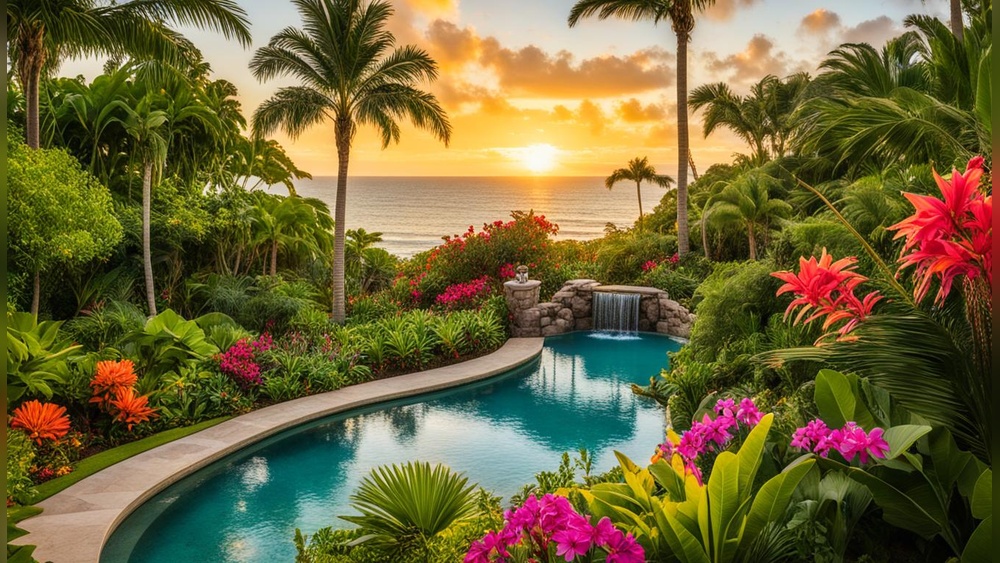
Imagine stepping out to your Florida pool area and being greeted by lush, vibrant plants that not only enhance the beauty of your space but also thrive in the Florida climate. You want greenery that is both stunning and low-maintenance, something that can handle the heat, humidity, and occasional splash from your pool.
Choosing the best plants around your pool is key to creating a relaxing oasis you’ll love spending time in. You’ll discover the top plants perfect for Florida poolsides—plants that bring color, texture, and durability without demanding too much care. Ready to transform your pool area into a tropical paradise that feels like your personal retreat?
Keep reading to find out which plants will make that happen.
Top Poolside Plants
Choosing the right plants around a pool in Florida boosts beauty and comfort. Poolside plants must handle heat, humidity, and splash from the water. They should also be low-maintenance and safe for families. The plants below thrive in Florida’s climate and add charm to any pool area.
Bird Of Paradise
Bird of Paradise shows bright, tropical flowers all year. Its large leaves create shade and a lush look. It grows well in Florida’s sun and heat. This plant adds color without much care.
Croton Varieties
Crotons bring vibrant leaf colors like red, yellow, and green. These plants are tough and resist drought well. They add a splash of color near the pool’s edge. Crotons stay beautiful with little watering.
Bamboo Palm
Bamboo Palms provide a soft, tropical feel around pools. Their thin, arching leaves move with the breeze. They grow well in partial shade or sun. These palms clean the air and give privacy.
Hibiscus Colors
Hibiscus plants bloom large, bright flowers in many colors. They attract butterflies and birds to the pool area. Hibiscus loves full sun and moist soil. These flowers brighten the poolside with ease.
Jade Plant Benefits
Jade plants are thick, green succulents that need little water. They grow slowly and stay neat near pools. Jade plants improve air quality and bring luck. Their shiny leaves add a fresh look.
Ornamental Grasses
Ornamental grasses create movement and texture by the pool. They are drought-tolerant and easy to maintain. Their soft blades sway in the wind, adding calmness. These grasses fit well in modern and natural designs.
Agave And Succulents
Agave and other succulents store water in their leaves. They survive Florida’s heat with very little care. These plants have unique shapes that add interest. Agave grows slowly and works well in dry spots.
Native Florida Picks
Choosing native plants around your Florida pool creates a natural, beautiful landscape. These plants suit Florida’s climate and soil. They need less water and care. Native plants also support local wildlife like butterflies and birds.
Native Florida picks offer color, texture, and privacy. Many resist pests and diseases, making poolside gardening easier and safer. Here are some top native plants to enhance your pool area.
Wax Myrtle
Wax Myrtle is a fast-growing shrub with fragrant leaves. It creates a natural screen for privacy. The berries attract birds, adding life to your pool area. It tolerates wet soil and salt spray well.
Hollies And Viburnums
Hollies and Viburnums are evergreen shrubs with glossy leaves. They provide year-round green color and berries in winter. These plants grow well in Florida’s heat and humidity. They add structure and beauty around your pool.
Cherry Laurel
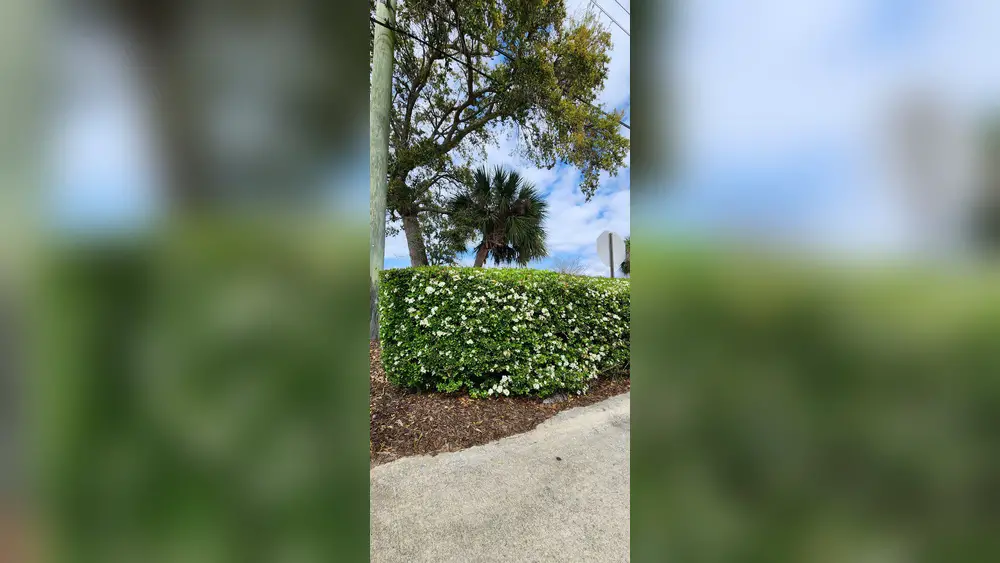
Cherry Laurel is a tall, dense shrub perfect for privacy hedges. It has shiny leaves and white flowers in spring. This plant handles Florida’s sun and occasional cold snaps. It creates a lush, green backdrop by the pool.
Goldenrod And Milkweed
Goldenrod and Milkweed attract butterflies and pollinators. Goldenrod adds bright yellow flowers in late summer. Milkweed supports monarch butterflies and has unique flower clusters. Both plants thrive in sunny spots near pools.
Swamp Sunflower
Swamp Sunflower produces bright yellow blooms that last all summer. It grows well in wet or dry soil. This plant adds vibrant color and attracts bees and butterflies. It is perfect for a natural poolside garden.
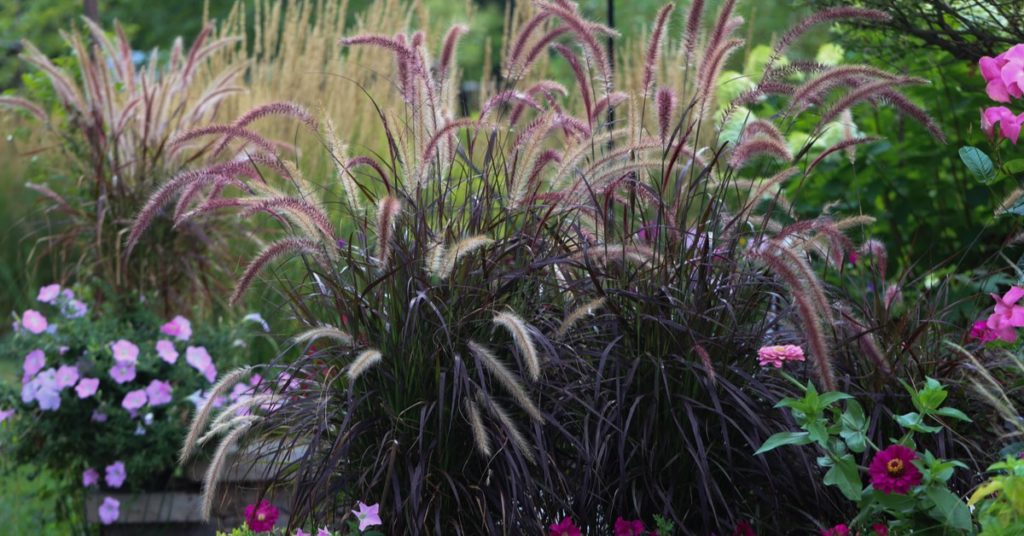
Muhly Grass
Muhly Grass is a soft, ornamental grass with pinkish-purple flower plumes. It adds texture and movement to the landscape. This grass is drought-tolerant and needs little maintenance. It pairs well with other native plants near pools.
Low-maintenance Choices
Choosing low-maintenance plants around your pool in Florida saves time and effort. These plants thrive in tough conditions. They handle heat, humidity, and occasional drought. They keep your pool area green and inviting without constant care. Select plants that fit Florida’s climate and poolside conditions.
Drought-tolerant Plants
Drought-tolerant plants need little water once established. They survive Florida’s dry spells easily. Examples include lantana, agave, and yucca. These plants have thick leaves or deep roots. They store water and reduce watering needs. Ideal for sunny poolside spots.
Salt-tolerant Varieties
Salt-tolerant plants resist damage from pool chemicals and salty air. Sea oats, saltbush, and oleander are good choices. They thrive near pools treated with salt systems. These plants keep their color and shape. Perfect for coastal or saltwater pool areas.
Rain Garden Plants
Rain garden plants help manage pool runoff and heavy rains. They absorb excess water and prevent erosion. Swamp sunflower, goldenrod, and muhly grass are native options. These plants prefer moist soil but tolerate dry periods. They add beauty and function to pool landscapes.
Poolside Succulents
Succulents store water in their leaves, needing minimal care. Echeveria, aloe vera, and kalanchoe brighten pool edges. They grow well in pots or garden beds. Succulents resist pests and drought. Their unique shapes add a modern look to poolside gardens.
Hardy Shrubs
Hardy shrubs provide structure and privacy around pools. Croton, hibiscus, and nandina grow well in Florida heat. They require little pruning and few fertilizers. These shrubs add color and texture year-round. They create a lush, low-maintenance poolside screen.
Credit: coxpools.com
Design Tips For Pool Areas
Designing a pool area in Florida needs careful thought. The environment is hot and humid, so materials and plants must suit this climate. A well-designed pool space feels relaxing and looks great year-round.
Choosing the right materials and plants can make a big difference. Easy maintenance and durability are key. The design should blend with the natural Florida landscape and offer comfort and style.
Using Composite Decking
Composite decking resists heat and moisture better than wood. It stays cool underfoot, making it safe for bare feet. This material lasts longer and requires less upkeep. Its smooth surface adds a modern touch to the pool area.
Incorporating River Rocks
River rocks provide natural drainage and prevent mud near the pool. They add texture and contrast to the space. These rocks are low-maintenance and keep the area clean. They also help control water runoff in Florida’s rainy seasons.
Artificial Turf Advantages
Artificial turf looks green all year without watering. It is soft and safe for children and pets. This turf reduces dirt and grass clippings around the pool. It also lowers maintenance time, perfect for busy homeowners.
Plant Placement Strategies
Place taller plants away from the pool to avoid debris in the water. Use shorter, dense plants near the edges for a neat look. Group plants with similar water needs together. This helps keep the garden healthy and easy to care for.
Creating Natural Shade
Natural shade cools the pool area and protects skin from sun. Use trees with wide canopies for good coverage. Palms and native Florida trees work well. Shade plants also add privacy and beauty to the space.
Potted Plants For Pools
Potted plants bring life and color around pools in Florida. They offer flexibility and style without permanent planting. Perfect for patios, decks, or tight spaces, pots keep plants controlled and neat. These plants handle Florida’s heat and humidity well. They also add texture and privacy near the water.
Choosing The Right Pots
Select pots that resist sun and water damage. Materials like ceramic, fiberglass, or resin last long outdoors. Pick pots with good drainage holes to avoid water buildup. Large pots help bigger plants thrive and stay stable. Light-colored pots reflect heat, protecting roots from overheating.
Top Pool-friendly Potted Plants
Palms like Areca and Sago add tropical vibes and stay lush. Hibiscus flowers bring bright, bold colors all year. Snake plants survive dry spells and need little care. Crotons have striking leaves that brighten any poolside. Bird of Paradise adds exotic flair with its unique shape.
Arranging For Small Spaces
Use vertical stands or tiered shelves to save ground space. Group pots with different heights for visual interest. Place tall plants at the back and shorter ones in front. Small pots can sit on tables or ledges to add greenery. Keep pathways clear for easy pool access and safety.
Seasonal Plant Swaps
Change plants with the seasons to keep your pool area fresh. Spring suits colorful flowers like petunias and geraniums. Summer loves heat-tolerant plants such as succulents and aloe. Fall calls for mums and ornamental grasses. Winter works well with hardy evergreens and ferns.

Credit: coxpools.com
Care And Maintenance
Caring for plants around your Florida pool keeps the area beautiful and healthy. Proper care ensures plants thrive in the heat and humidity. Regular attention helps avoid common issues and prolongs plant life.
Poolside plants need specific care due to sun exposure, water splash, and chemicals. Follow simple steps to maintain their health and appearance throughout the year.
Watering Guidelines
Water plants early in the morning or late in the evening. This reduces water loss from evaporation. Check soil moisture before watering to avoid overwatering. Use drip irrigation for steady, deep watering. Avoid wetting leaves to prevent diseases.
Pruning Tips
Trim dead or damaged leaves regularly to promote growth. Shape plants lightly to keep a neat appearance. Use clean, sharp tools to avoid plant injury. Prune flowering plants after blooming for best results. Remove any suckers or unwanted shoots promptly.
Pest Control
Inspect plants weekly for signs of pests like aphids or spider mites. Use natural remedies such as neem oil or insecticidal soap. Encourage beneficial insects like ladybugs for natural pest control. Avoid harsh chemicals near the pool. Remove affected leaves to stop pest spread.
Dealing With Pool Chemicals
Pool chemicals can harm nearby plants if they splash or leak. Choose salt-tolerant or hardy plants for pool edges. Rinse leaves with fresh water if chemicals contact them. Avoid fertilizing right after pool treatment. Create a buffer zone with rocks or mulch to protect plants.
Winterizing Plants
Florida winters are mild but plants still need care. Move potted plants indoors or to a shaded area. Cover sensitive plants with frost cloth on cold nights. Reduce watering frequency during cooler months. Remove dead foliage to prevent pests and diseases. Mulch soil to keep roots warm.

Credit: treasurepoolsblog.com
Frequently Asked Questions
What Are The Best Plants To Have Around A Pool?
Best pool plants include Bird of Paradise, Hibiscus, Agave, Croton, Bamboo Palm, Jade, and Ornamental Grasses. They resist water, add color, and require low maintenance. Choose drought-tolerant, non-messy species for a clean, beautiful poolside landscape.
What Is The Best Low-maintenance Landscape In Florida?
The best low-maintenance landscape in Florida features native plants like goldenrod, swamp sunflower, muhly grass, and milkweed. These drought-tolerant plants thrive with minimal care and suit Florida’s climate perfectly. Incorporate rain gardens for natural water control and reduced upkeep.
What Do Floridians Do To Close Their Pool For A Month?
Floridians clean their pool thoroughly, balance chemicals, run the pump, remove accessories, and cover the pool to close it for a month.
What Is The Best Landscape To Put Around A Pool?
The best pool landscape includes drought-tolerant native plants, river rocks for drainage, artificial turf, and composite decking for durability. Choose low-maintenance greenery like bird of paradise, agave, croton, and hibiscus to enhance beauty and resist pool chemicals.
Conclusion
Choosing the right plants enhances your Florida pool’s beauty and comfort. Native and drought-tolerant plants save water and need less care. Plants like bird of paradise, hibiscus, and agave bring vibrant colors. They also resist heat and humidity well. Keep the area tidy by selecting low-maintenance varieties.
This creates a relaxing, natural space for family and friends. A well-planned pool garden adds value and enjoyment year-round. Simple choices make poolside gardening easy and rewarding.