
My neighbor, bless her heart, tried to grow potatoes last spring. She meticulously prepared the soil, planted her seed potatoes with care, and watered diligently. Weeks passed, and while her tomato plants thrived, her potato plants. well, they didn’t produce much. Florida’s climate presents unique challenges for gardeners, and selecting the right varieties is key to success. This guide will explore the best potatoes to grow in Florida, so you can enjoy fresh, homegrown spuds. You’ll gain a thorough understanding of the specific varieties that flourish in the Sunshine State, along with essential growing tips and insights to optimize your potato harvest. This will help you choose the right types to plant and how to take care of them, making sure you get a great yield of potatoes!
The 10 Best Potatoes to Grow in Florida
Florida’s warm climate and sandy soil create unique challenges for potato cultivation, differing significantly from the cooler regions typically associated with potato farming. Selecting the right varieties is crucial for successful yields. Early-season varieties, in particular, are favored because they can avoid the worst of the summer heat. The best choices are often those that demonstrate disease resistance and adaptability to the state’s specific environmental conditions. This selection focuses on potatoes known to do well in Florida, considering factors such as heat tolerance, disease resistance, and overall yield potential. You’ll learn about early, mid, and late-season options, ensuring a well-rounded and potentially continuous harvest. From choosing the correct seed potatoes to dealing with common challenges, this guide provides the information required to grow a successful and fulfilling potato crop right here in Florida. Let’s explore the ten types that are the most likely to thrive in your Florida garden!
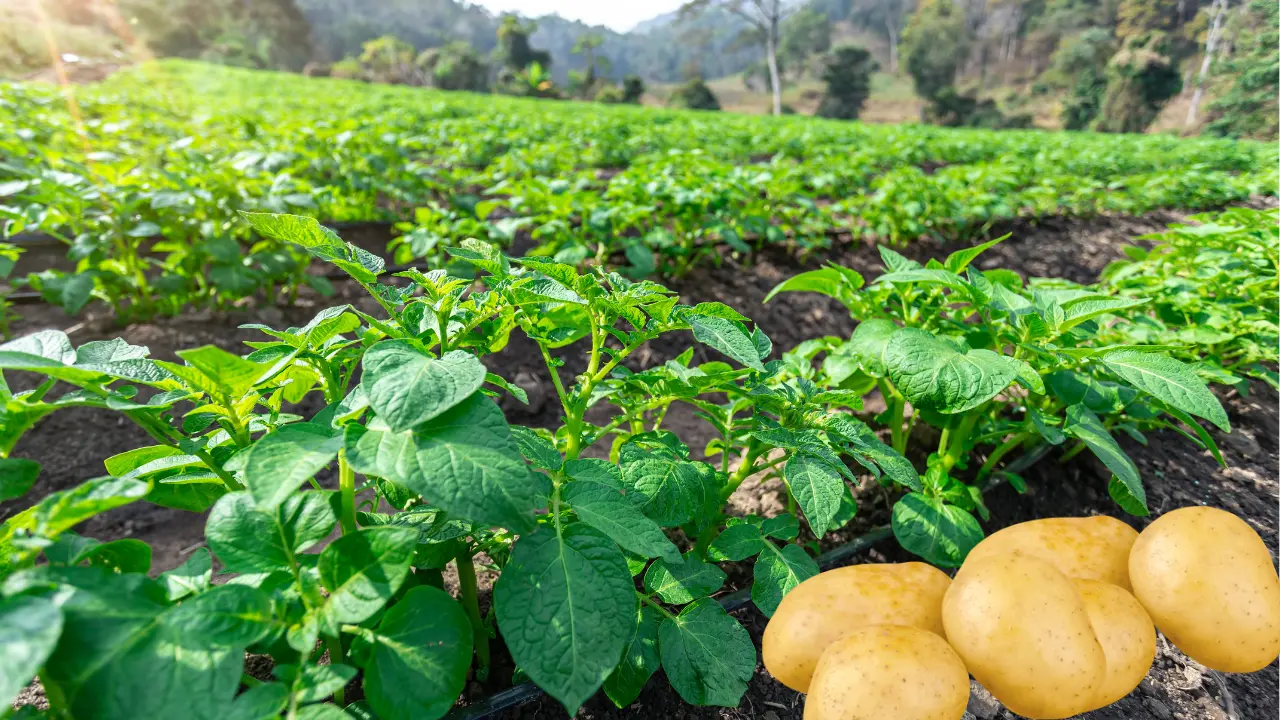
1. Yukon Gold
Yukon Gold is a popular choice for Florida gardeners because of its early maturity and good heat tolerance. These potatoes mature relatively quickly, usually in about 70-90 days, allowing for harvests before the scorching summer months. They’re known for their creamy texture, which makes them perfect for various dishes. Yukon Golds are also relatively resistant to common potato diseases, which is a major benefit in Florida’s warm and humid conditions. The yellow flesh and thin skin make them a favorite for both eating and cooking, and they generally do well in many types of soil.
Key Facts about Yukon Gold Potatoes:
-
- Early Maturing: Yukon Gold typically matures faster than many other varieties, allowing for earlier harvests.
This early maturity is a significant advantage in Florida, as it allows gardeners to harvest before the hottest part of the summer.
-
- Heat Tolerant: Yukon Gold potatoes have good heat tolerance compared to other varieties.
This quality helps them survive and thrive in Florida’s warm climate.
-
- Disease Resistant: Compared to many other types, Yukon Gold has higher disease resistance.
Resistance to diseases such as scab and blight is critical for Florida’s gardening due to the damp and humid conditions.
2. Red Pontiac
Red Pontiac potatoes are another excellent option, appreciated for their striking red skin and adaptability. They offer a slightly longer growing season than Yukon Gold, typically maturing in 90-100 days. These potatoes store well and are versatile in the kitchen, making them a great choice for home gardeners. They can handle Florida’s heat and soil conditions reasonably well, though they may require more consistent watering compared to some other varieties. Their red skin is attractive and makes them an eye-catching addition to any garden.
Key Facts about Red Pontiac Potatoes:
-
- Storage: Red Pontiacs are great for longer-term storage.
This means you can harvest a surplus and enjoy them for a while.
-
- Heat Adaptability: Red Pontiacs adapt to warmer climates.
They can handle the Florida heat relatively well.
-
- Appearance: The red skin is a unique feature.
They look wonderful and add color to your meals.
3. La Soda
La Soda potatoes are a white-skinned variety that does very well in Florida. These potatoes have good yields and are less likely to suffer from common potato diseases in Florida’s climate. They are known for their great flavor and texture. La Soda’s resistance to heat and humidity make it a sensible choice for Florida gardeners. They mature in approximately 80-90 days.
Key Facts about La Soda Potatoes:
-
- White Skin: La Soda provides a different look from the red or yellow ones.
This can enhance the variety in your harvest.
-
- Disease Resistance: La Soda has some disease resistance.
Disease is a constant problem in the humid climate of Florida, so this is valuable.
-
- Taste: La Soda has an excellent flavor profile.
Their tasty flesh is delightful when cooked.
4. Sebago
Sebago potatoes are a well-rounded option that’s widely grown and popular. They’re known for their white skin and versatility in the kitchen. Sebago is quite adaptable and can do well in a variety of conditions. They have a good resistance to common potato diseases, a benefit in Florida’s gardening environment. Sebago potatoes usually mature in about 90-100 days. They are a good all-around choice for many gardeners.
Key Facts about Sebago Potatoes:
-
- Adaptability: Sebago adapts to various soil conditions.
This makes them an appropriate choice for different parts of Florida.
-
- Disease Resistance: Sebago has a good track record in fighting against diseases.
This is beneficial considering the conditions in Florida.
-
- Versatility: Great for many dishes.
From boiling to baking, Sebago is adaptable.
5. Irish Cobbler
Irish Cobbler potatoes are a classic, and while they can be slightly more challenging to grow in Florida compared to some other varieties, they can still produce a good crop. They mature earlier than many other types, which can be advantageous in beating the summer heat. They have a rough, irregular shape and a unique flavor that many gardeners adore. Proper soil preparation and consistent watering are essential for success with Irish Cobbler in Florida. The time to maturity is approximately 80-90 days.
Key Facts about Irish Cobbler Potatoes:
-
- Early Maturing: These potatoes mature quicker.
This helps you harvest them before the peak of Florida’s summer heat.
-
- Unique Flavor: They provide a distinctive flavor profile.
The flavor is different, which makes them a great option for people who like to experiment in the kitchen.
-
- Soil Needs: They need good soil and consistent watering.
Proper care is necessary for the best results.
6. All Blue
All Blue potatoes are a specialty variety with dark blue or purple skin and flesh. They are known for their eye-catching appearance and unique flavor. These potatoes can be grown in Florida, but they might need more attentive care. They are very sensitive to heat and require good soil. They typically mature in about 85-95 days. They are a fun way to add color to your meals, but they need extra care in Florida.
Key Facts about All Blue Potatoes:
-
- Appearance: The blue/purple color is a striking feature.
The color adds flair to meals.
-
- Flavor: They possess a unique flavor.
Many cooks enjoy their taste.
-
- Care: They are a bit high-maintenance.
They demand extra attention to achieve the best results in Florida’s conditions.
7. Viking
Viking potatoes have red skin and are good for boiling. They have an excellent taste and are known to be quite resilient. They also resist common diseases and pests that can be a problem in Florida. They grow well and are a good choice for people just getting started with potatoes. Viking potatoes generally mature within 85-95 days. Their straightforward care requirements make them a simple choice.
Key Facts about Viking Potatoes:
-
- Red Skin: These potatoes have bright red skins.
They are appealing and easy to recognize.
-
- Taste: Viking potatoes are delicious.
Their great flavor makes them a favorite.
-
- Simplicity: They are great for beginners.
Their easy-to-grow nature makes them a perfect selection for newbie gardeners.
8. Kennebec
Kennebec potatoes are known for their high yields and good disease resistance, which makes them a practical selection for Florida gardeners. They are a white-skinned variety and have a tasty flavor, suited for various culinary uses. Kennebec potatoes usually mature in about 80-90 days. They are a good performer, and their disease resistance helps them perform well in Florida’s environment.
Key Facts about Kennebec Potatoes:
-
- Yields: These potatoes are known for producing a good harvest.
This is a big bonus for gardeners looking for a good crop.
-
- Taste: Kennebec potatoes provide a tasty flavor.
Their flavor is great for various recipes.
-
- Disease Resistance: They are better at resisting diseases.
This quality helps them manage in Florida’s climate.
9. Caribe
Caribe potatoes are blue-skinned, early-season potatoes known for their fast growth and good yield. They’re relatively heat-tolerant, making them a suitable choice for Florida’s growing conditions. They can often be harvested in under 80 days. Caribe potatoes are often sought after for their taste and capacity to produce. These characteristics make them a good option for Florida growers who want a fast harvest.
Key Facts about Caribe Potatoes:
-
- Early Harvesting: Caribe matures quickly.
Their rapid growth is a huge advantage for gardeners.
-
- Appearance: These potatoes are blue skinned.
They are great for anyone who wants to try something different.
-
- Output: They often give a high output.
They’re very productive.
10. Chieftain
Chieftain potatoes are another red-skinned variety with good disease resistance. They offer a good balance of productivity and taste, which makes them a dependable selection for Florida. Chieftain has a medium-long growing season, generally maturing in 90-100 days. They are also known for their storage quality, so they will last you a while. The taste and hardiness of Chieftain potatoes make them a nice choice for many gardeners in Florida.
Key Facts about Chieftain Potatoes:
-
- Resistance: Chieftain potatoes are more resistant to diseases.
This is a bonus in the warm, humid climate of Florida.
-
- Taste: They have an incredible taste.
They’re a favorite among people who grow them.
-
- Storage: They store well after harvesting.
You can use them through the winter.
Common Myths Debunked
Myth 1: Potatoes Cannot Grow Well in Florida’s Climate
Many believe that the warm temperatures and sandy soil make it impossible to grow potatoes in Florida. The truth is that while the climate presents challenges, selecting the right potato varieties is key. Early-season and heat-tolerant varieties are best suited for Florida’s environment. With proper preparation, including soil improvement and careful selection of potato types, Florida gardeners can achieve successful potato harvests. This involves amending the soil to improve drainage, as well as providing adequate watering and protection from extreme heat.
Myth 2: All Potato Varieties Require the Same Growing Conditions
It’s a common misconception that all potatoes thrive under the same conditions. Different varieties have varying needs in terms of soil, sunlight, and watering. For example, some may need well-draining soil, while others can tolerate slightly heavier soil. Some may prefer more sunlight, while others can handle partial shade. Understanding the particular needs of the variety you are cultivating can significantly improve your chances of a successful yield. For example, Caribe potatoes mature fast, but All Blue potatoes need more sun.
Myth 3: You Can Only Plant Potatoes in the Spring
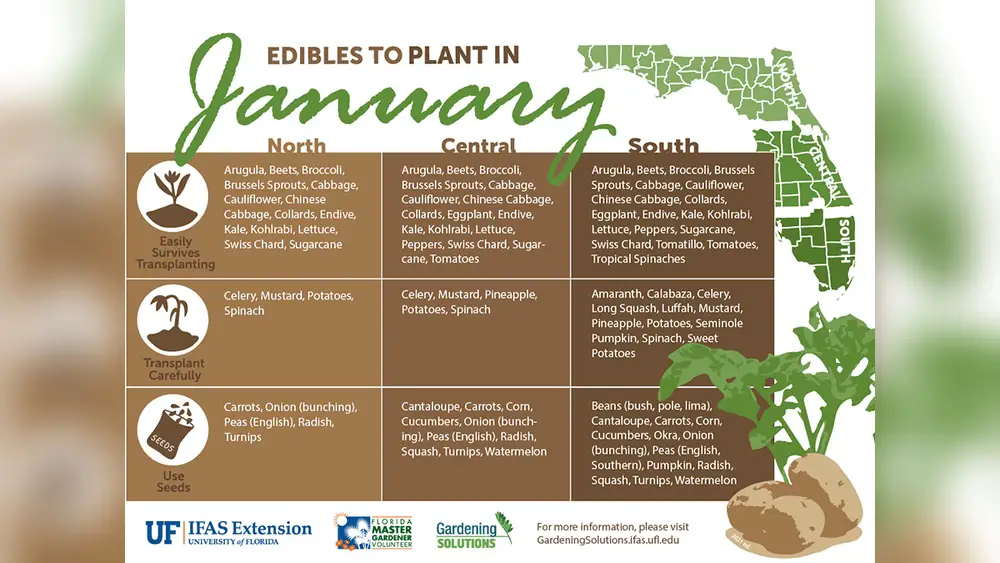
While spring is a common planting time for many crops, in Florida, you can have two growing seasons for potatoes: fall/winter and early spring. The cooler temperatures of the fall and winter months are ideal for potato cultivation. Planting in the late summer or early fall allows the potatoes to mature before the intense heat of the following summer. This can lead to a more successful harvest compared to planting only in the spring. Spring planting can be done, but it is important to select varieties that mature rapidly before the summer heat.
Myth 4: Potatoes Are Low-Maintenance Plants
While potatoes may be relatively easy to plant, they still require consistent care. This involves regular watering, especially during dry spells, and monitoring for pests and diseases. Potatoes need their soil to be kept moist, but not saturated, to guarantee proper growth. In Florida, the warm and humid conditions can create disease risks, so regular inspections and proactive measures may be required. Weed control is essential to prevent them from taking over the garden. Potatoes need careful care.
Myth 5: All Potatoes Taste the Same
The flavor and texture of potatoes can differ considerably among varieties. Some, like Yukon Gold, have a creamy texture and buttery taste, while others, like Red Pontiac, are firmer and have a slightly sweeter flavor. The soil and the way you care for the plant can also affect taste. Exploring different types offers a variety of flavors and culinary opportunities. Depending on how you prepare the potatoes, you can emphasize different tastes, such as roasting, mashing, or boiling. By experimenting with different varieties, you can discover which flavors you like.
Frequently Asked Questions
Question: When is the best time to plant potatoes in Florida?
Answer: The best time to plant potatoes in Florida is in the late summer or early fall for a winter harvest, or in early spring for a late spring harvest. This allows the potatoes to grow during the cooler months, before the scorching summer heat arrives.
Question: What type of soil do potatoes prefer?
Answer: Potatoes prefer well-drained, slightly acidic soil. The soil should be loose and rich in organic matter. You may need to amend Florida’s sandy soil with compost or other organic materials to improve drainage and nutrient content.
Question: How much sun do potato plants need?
Answer: Potato plants need at least 6-8 hours of direct sunlight per day. If they do not get enough light, the plants may not produce many potatoes.
Question: How often should I water my potato plants?
Answer: Water your potato plants regularly, especially during dry periods. Keep the soil consistently moist, but avoid overwatering, as this can lead to rot. Checking the soil moisture level with your finger is a great way to tell if it’s time to water.
Question: How long does it take to harvest potatoes?
Answer: The time to harvest varies by variety, but most potatoes are ready to harvest in 70-100 days from planting. You can start harvesting “new potatoes” (small, young potatoes) earlier if desired.
Final Thoughts
Growing best potatoes to grow in Florida might present challenges, but with the right variety, it’s totally possible to enjoy a plentiful harvest. By picking early-maturing, heat-tolerant varieties like Yukon Gold, Red Pontiac, and La Soda, you’re setting yourself up for success. Remember to enhance your soil, providing adequate drainage and nutrition. Consistent watering and pest control are also key. Don’t be afraid to experiment with different varieties to find your favorites. You can find many recipes for your homegrown potatoes! Gardening in Florida can be quite rewarding. With some research and care, you can experience the satisfaction of harvesting your own delicious potatoes. Happy gardening, and enjoy the fruits (or rather, tubers) of your labor!

where can I buy these potatoes seeds