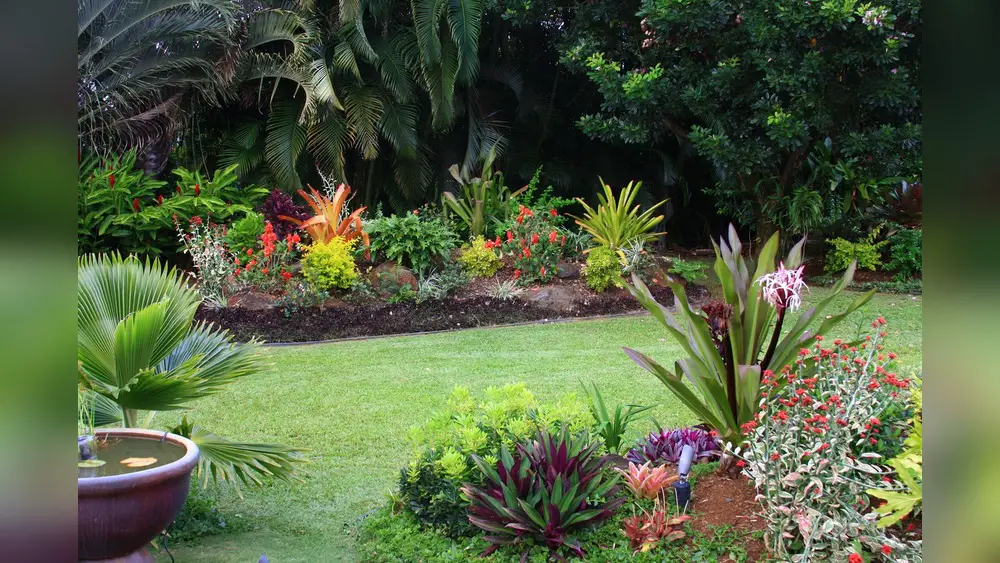

Are you ready to transform your outdoor space into a vibrant, thriving paradise that suits Florida’s unique climate? Choosing the right landscape plants is key to creating a garden that not only looks stunning but also stays healthy with less effort.
Whether you want lush greenery, colorful blooms, or low-maintenance options, knowing which plants thrive in Florida’s heat and humidity makes all the difference. In this guide, you’ll discover the best landscape plants specially suited for Florida’s environment—plants that will bring beauty, balance, and life to your yard year-round.
Keep reading to find out how you can create a landscape that’s both eye-catching and easy to care for, making your outdoor space the envy of your neighborhood.
Florida Climate And Soil
Florida’s unique climate and soil create a special environment for landscape plants. Understanding these factors helps select plants that thrive and stay healthy. The state’s warm temperatures and varied soil types influence which plants grow best in gardens and yards.
Climate Zones In Florida
Florida has several climate zones, mainly tropical and subtropical. The southern part of the state experiences a tropical climate with hot summers and mild winters. Central and northern Florida have a subtropical climate with cooler winters. These differences affect plant choices, as some plants handle cold better than others.
Rainfall varies across the state, with wet and dry seasons. Most plants need good water drainage to avoid root problems. Understanding the climate zone helps pick plants that can survive local weather.
Soil Types And Preparation
Florida soils range from sandy to clayey types. Coastal areas often have sandy soil, which drains quickly but holds fewer nutrients. Inland soils may have more clay, which retains water but can cause root issues.
Improving soil quality is key to healthy plants. Adding organic matter like compost helps sandy soil hold moisture and nutrients. For clay soils, mixing in sand or organic material improves drainage. Testing soil pH guides adjustments to create a better growing environment.
Native Plants For Florida Gardens
Native plants for Florida gardens thrive in the local climate and soil. These plants need less water and care than non-native species. They support local wildlife like butterflies and birds. Using native plants creates a natural and beautiful landscape. They also help reduce pests and diseases in your garden.
Benefits Of Native Plants
Native plants save water because they adapt to Florida’s rainy and dry seasons. They grow strong without many chemicals. These plants attract pollinators that help other plants grow. Native plants keep the soil healthy and prevent erosion. They reduce maintenance time and costs for gardeners.
Top Native Flowering Plants
Florida has many native flowers that add color and life. The Butterfly Weed has bright orange flowers that attract butterflies. Coreopsis shows yellow blooms and blooms for a long time. The Firebush has red flowers and attracts hummingbirds. Blanketflower offers red and yellow petals, blooming from spring to fall. These flowers brighten any garden with ease.
Native Shrubs And Trees
Native shrubs and trees give structure and shade to gardens. The Coontie is a small shrub with fine leaves and is very hardy. Saw Palmetto is a low-growing palm that adds a tropical feel. Southern Magnolia is a large tree with fragrant white flowers. Live Oak provides wide shade and supports many animals. These plants create a strong, beautiful garden foundation.
Low-maintenance Plant Options
Choosing low-maintenance plants saves time and effort in Florida’s gardens. These plants thrive with minimal care and adapt well to the climate. They need less water, pruning, and fertilizing. This makes them ideal for busy homeowners. Below are some excellent low-maintenance plant options for Florida landscapes.
Drought-tolerant Plants
Drought-tolerant plants survive long dry periods with little water. They are perfect for Florida’s hot and dry spells. Some popular choices include agave, lantana, and rosemary. These plants reduce water use and keep gardens green. Their tough leaves store water, helping them stay healthy.
Plants For Rain Gardens
Rain gardens manage excess water and prevent flooding. They use plants that thrive in wet conditions but tolerate dry spells too. Swamp sunflower, goldenrod, and muhly grass grow well in rain gardens. These plants filter water and attract butterflies and birds. They add beauty and function to your landscape.
Evergreens For Year-round Color
Evergreens keep your garden lively all year. They provide constant color and structure. Florida-friendly evergreens include southern magnolia, yaupon holly, and podocarpus. These plants need little pruning and stay green even in winter. They create a calm and inviting outdoor space.
Vibrant Flowering Plants
Vibrant flowering plants bring life and color to any Florida garden. Their bright blooms attract butterflies and bees. These plants thrive in Florida’s warm climate and often need minimal care. Choosing the right flowers can transform your landscape into a lively, beautiful space.
Seasonal Flower Choices
Florida’s climate allows for flowers to bloom almost year-round. Spring flowers like azaleas and tulips brighten early months. Summer blooms include hibiscus and pentas that handle heat well. Fall brings chrysanthemums and marigolds with rich colors. Winter flowering plants like camellias add charm during cooler days. Pick flowers that suit each season for continuous color.
Perennials Vs. Annuals
Perennials return every year, saving time and money. Examples include coneflowers and lantanas. They develop strong roots that withstand Florida’s weather. Annuals bloom for one season but offer vibrant colors. Petunias and impatiens are common annuals in Florida gardens. Mixing both types gives variety and lasting beauty.
Colorful Tropical Flowers
Tropical flowers add bold colors and exotic shapes. Birds of paradise and orchids are popular choices. Hibiscus flowers provide large, bright blooms all year. Bougainvillea vines cover fences with purple and pink flowers. These plants prefer sunny spots and well-drained soil. Their exotic look fits perfectly in Florida landscapes.
Foliage Plants With Impact
Foliage plants bring strong visual interest to Florida gardens. Their leaves offer color, shape, and texture. They create style without relying on flowers. These plants thrive in Florida’s heat and humidity. They add depth and contrast to any landscape.
Choosing the right foliage plants helps maintain a vibrant yard year-round. They require less water and care than many flowering plants. Their unique leaves capture attention and highlight garden spaces. Here are some top types of foliage plants with impact.
Dark And Variegated Foliage
Plants with dark leaves stand out against bright green backgrounds. Variegated foliage adds color patterns and lightness. Crotons and caladiums show brilliant mixes of red, yellow, and green. Ti plants offer deep burgundy and purple shades. These plants add drama and richness to Florida gardens.
Variegated leaves brighten shady spots by reflecting light. Dark leaves create a bold, modern look. Use these plants to build focal points or borders. Their strong colors last through hot summers and mild winters.
Grasses And Groundcovers
Grasses bring soft movement and texture to landscapes. Muhly grass creates pink clouds of color in fall. Blue fescue offers spiky, silvery-blue clumps for contrast. These grasses grow well in sandy soils and sunny areas. They need little water once established.
Groundcovers fill empty spaces and reduce weeds. Asiatic jasmine and mondo grass are popular choices. These low-growing plants spread quickly and cover soil evenly. They help keep garden beds neat and healthy. Combining grasses and groundcovers creates layered, natural-looking gardens.
Textured Leaf Plants
Leaves with strong texture add interest and variety. Elephant ears have large, smooth leaves that catch the eye. Ferns offer delicate, feathery foliage for softer contrast. Bromeliads bring spiky, sculptural leaves in many colors. These textures create depth and touchable beauty in Florida yards.
Textured foliage plants work well near patios and walkways. They invite closer viewing and add sensory appeal. Mixing different leaf shapes and sizes balances the garden design. Such plants thrive in Florida’s warm climate and make gardens more inviting.
Credit: verdego.com
Shrubs And Trees For Structure
Shrubs and trees form the backbone of any Florida landscape. They provide shape, height, and texture. These plants create structure that supports other garden elements. Choosing the right shrubs and trees helps define outdoor spaces clearly. They add beauty through different seasons and improve your garden’s overall appeal.
Flowering Shrubs
Flowering shrubs bring color and charm to Florida gardens. Plants like Hibiscus and Oleander thrive in the warm climate. They bloom in bright reds, pinks, and yellows. These shrubs attract butterflies and hummingbirds. They grow well in full sun and tolerate heat and humidity. Flowering shrubs also offer a soft contrast to hardscape elements.
Shade Trees
Shade trees cool your outdoor areas naturally. Oaks and Bald Cypress are popular choices in Florida. Their broad canopies provide shelter from the hot sun. Shade trees reduce energy costs by cooling nearby buildings. They also improve air quality and support local wildlife. Proper placement of shade trees enhances comfort and beauty in your yard.
Privacy Hedges
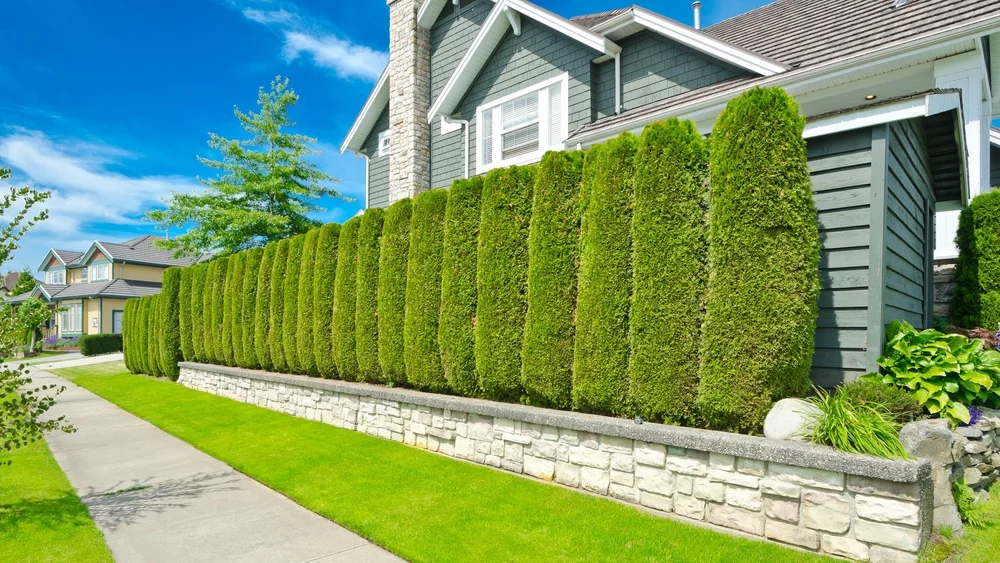
Privacy hedges create peaceful outdoor retreats. Plants such as Viburnum and Podocarpus form dense, green walls. They block noise and shield your space from neighbors. These hedges grow thick and tall with regular trimming. Privacy hedges add security and a sense of seclusion. They suit Florida’s climate and require moderate care to stay healthy.
Design Tips Using The Rule Of Three
The rule of three is a simple design tip that improves any Florida landscape. It uses odd numbers, mostly groups of three, to make spaces look natural and balanced. Odd numbers feel lively and less stiff than even numbers. This principle works well for planting, hardscaping, and color choices. It helps the eye move smoothly across the garden, creating a peaceful and attractive space.
Plant Groupings
Group plants in threes to create visual interest. Plant three of the same type close together. This forms a strong focal point without overcrowding. Mix different textures and heights in each group. Use three different plants with similar care needs. This keeps your garden healthy and beautiful. Groupings of three draw attention and feel natural in Florida’s warm climate.
Hardscape Elements
Use the rule of three with hardscape features. Place three stones, pots, or benches together for balance. Avoid placing items in pairs, which can look too formal. Three paths or stepping stones create a smooth flow. Arrange lighting in groups of three for soft, even light. This technique adds structure while keeping the landscape inviting.
Color Schemes And Focal Points
Choose colors in sets of three for harmony. Pick three main colors and use different shades of each. This keeps your garden lively but not chaotic. Use three bright plants to create a focal point. Place them where they catch the eye easily. The rule of three guides color choices to enhance Florida’s natural beauty.

Credit: www.all-trustedlawncare.com
Seasonal Care And Maintenance
Seasonal care and maintenance help your Florida landscape plants thrive year-round. Plants need specific attention depending on the time of year. Proper care ensures healthy growth and vibrant colors. Follow simple steps to keep your garden looking its best through changing seasons.
Watering Tips
Water plants early in the morning or late in the evening. This reduces evaporation and helps roots absorb moisture. Florida’s hot climate means plants need more water in summer. Use deep watering to encourage strong root growth. Avoid overwatering, which can cause root rot. Mulch around plants to keep soil moist and cool.
Pruning And Trimming
Prune plants during their dormant season for better shape and health. Trim dead or damaged branches to prevent disease spread. Regular pruning encourages new growth and improves airflow. Use clean, sharp tools to avoid plant injury. Shape shrubs and trees to fit your landscape design and keep them neat.
Pest And Disease Management
Check plants regularly for signs of pests or diseases. Early detection helps control problems before they spread. Use natural remedies like neem oil or insecticidal soap for pest control. Remove infected leaves or branches to stop disease. Keep plants healthy with proper watering and fertilizing to resist pests better.
Sustainable Landscaping Practices
Sustainable landscaping practices help create beautiful, eco-friendly gardens in Florida. These methods reduce water use, improve soil health, and support local wildlife. Choosing the right plants and care techniques makes a big difference. Sustainable landscaping saves money and protects the environment.
Water Conservation
Florida faces dry spells and water restrictions often. Using drought-tolerant plants reduces water needs. Native plants like coontie and muhly grass thrive with less water. Installing drip irrigation targets roots directly, cutting water waste. Collecting rainwater in barrels also helps keep plants hydrated naturally.
Using Organic Mulch
Organic mulch keeps soil moist and cool under Florida’s hot sun. It reduces evaporation and limits weed growth. Mulch from pine bark or shredded leaves slowly adds nutrients to soil. This improves soil structure and supports healthy plant roots. Mulching saves water and reduces the need for fertilizers.
Encouraging Wildlife
Creating habitats for birds, bees, and butterflies boosts garden health. Planting native flowers and shrubs provides food and shelter. Avoid pesticides that harm beneficial insects. Wildlife helps pollinate plants and control pests naturally. A wildlife-friendly garden stays balanced and lively all year.
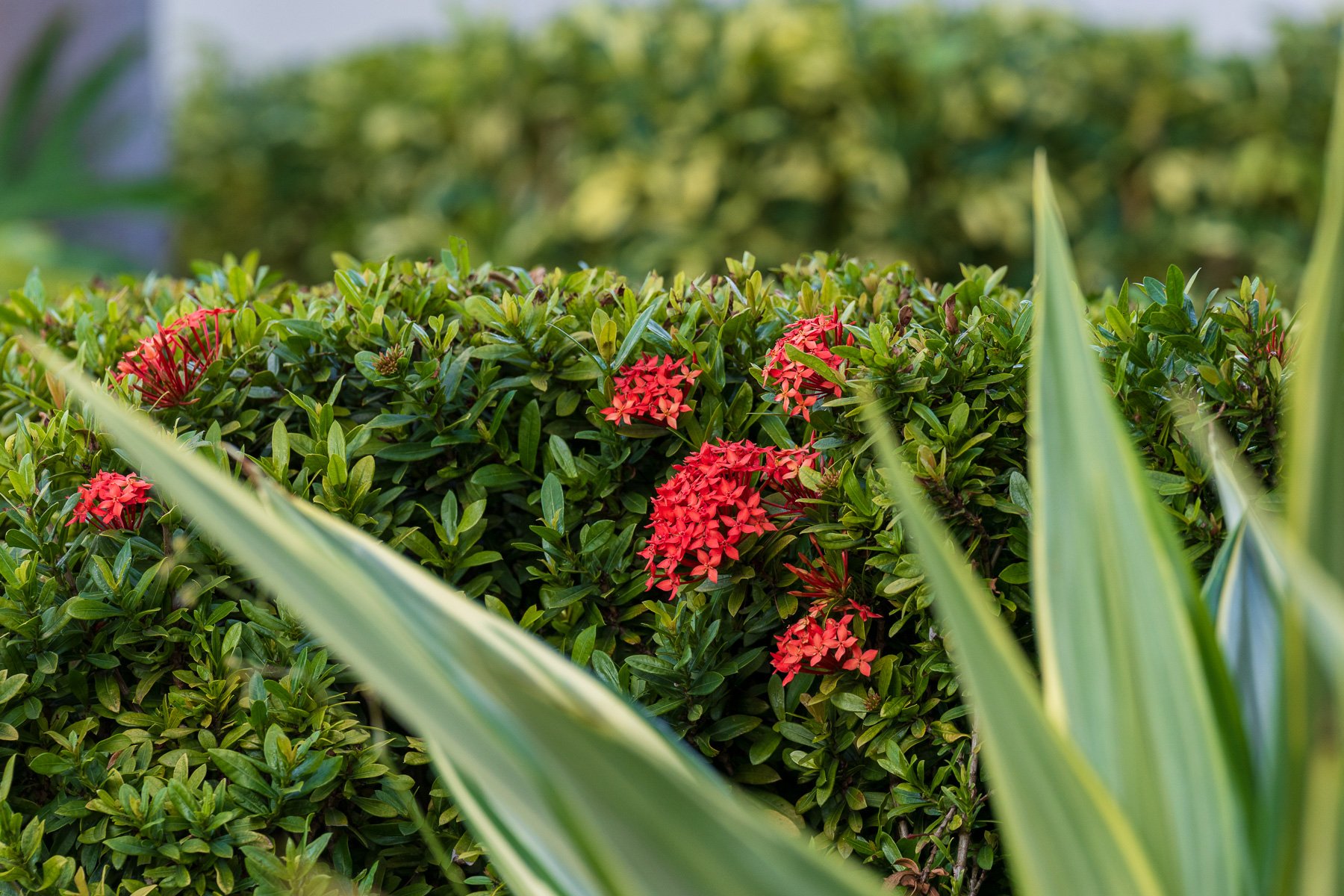
Credit: www.landcraftersfl.com
Frequently Asked Questions
What Is The Best Low-maintenance Landscape In Florida?
The best low-maintenance landscape in Florida uses native plants like goldenrod, swamp sunflower, and muhly grass. Rain gardens effectively control water naturally, reducing upkeep while enhancing beauty. Grouping plants in odd numbers, such as threes, creates a balanced, visually appealing, and easy-care outdoor space.
What Is The Rule Of 3 In Landscaping?
The rule of three in landscaping groups plants or elements in threes for natural, balanced, and visually appealing designs. It creates flow, depth, and cohesion, making outdoor spaces dynamic and harmonious. This principle applies to plantings, hardscaping, and color schemes for better landscape aesthetics.
What Outdoor Plants Are Good For Florida?
Florida outdoor plants thrive with native choices like hibiscus, palm trees, crotons, and coontie. These resist heat, pests, and drought well. Incorporate colorful bougainvillea, ixora, and firebush for vibrant landscapes. Select low-maintenance, Florida-friendly plants to ensure a healthy and attractive garden year-round.
What Is The 70/30 Rule In Gardening?
The 70/30 rule in gardening means planting 70% foliage plants and 30% flowering plants. This balance enhances garden texture and color.
Conclusion
Choosing the right plants can transform any Florida yard beautifully. Native and low-maintenance plants thrive well in Florida’s unique climate. Grouping plants in odd numbers, like threes, adds natural charm. These choices save water and reduce upkeep. Your garden will look vibrant all year round.
Start planting today to enjoy a lush Florida landscape. Simple steps lead to lasting outdoor beauty.