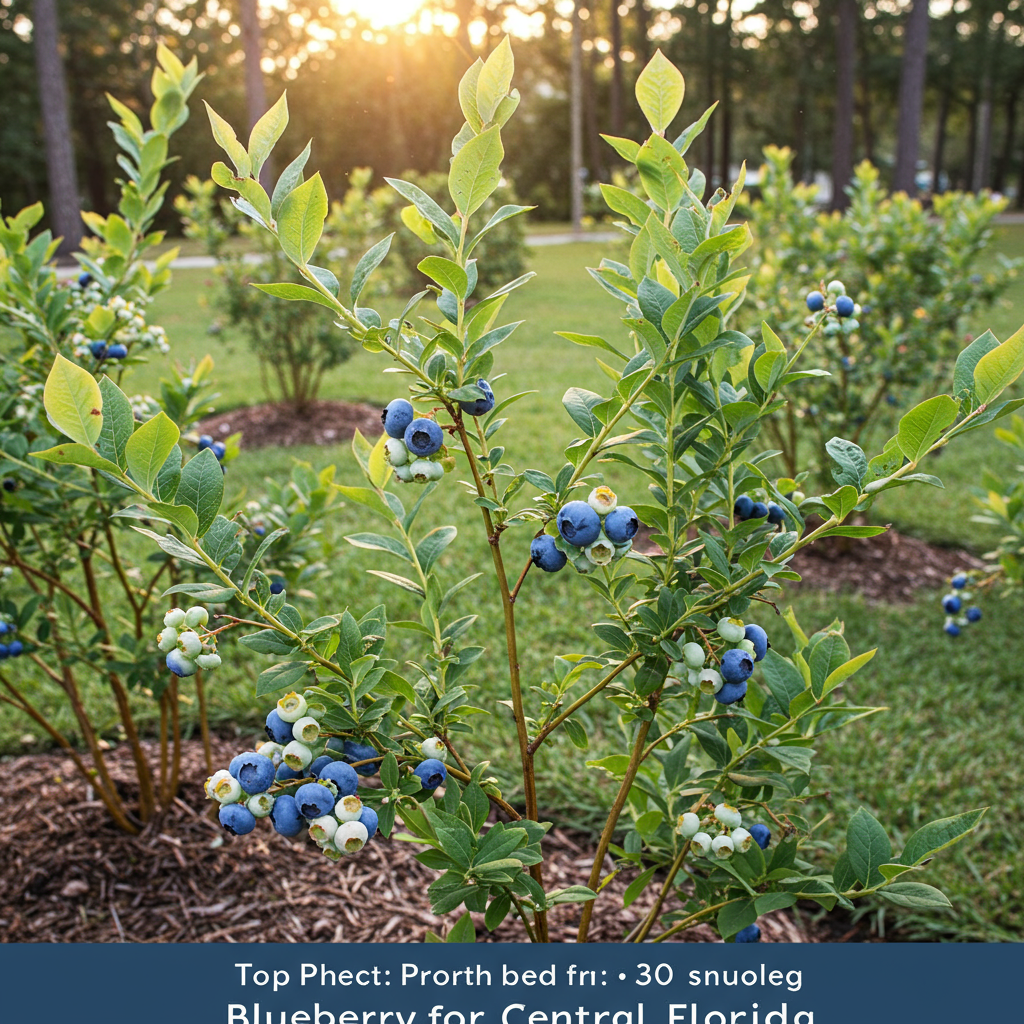
Choosing the best blueberry plants for Central Florida’s unique subtropical climate requires careful consideration. This guide explores the top-performing varieties, providing essential planting and care tips to ensure a bountiful harvest of these delicious berries.
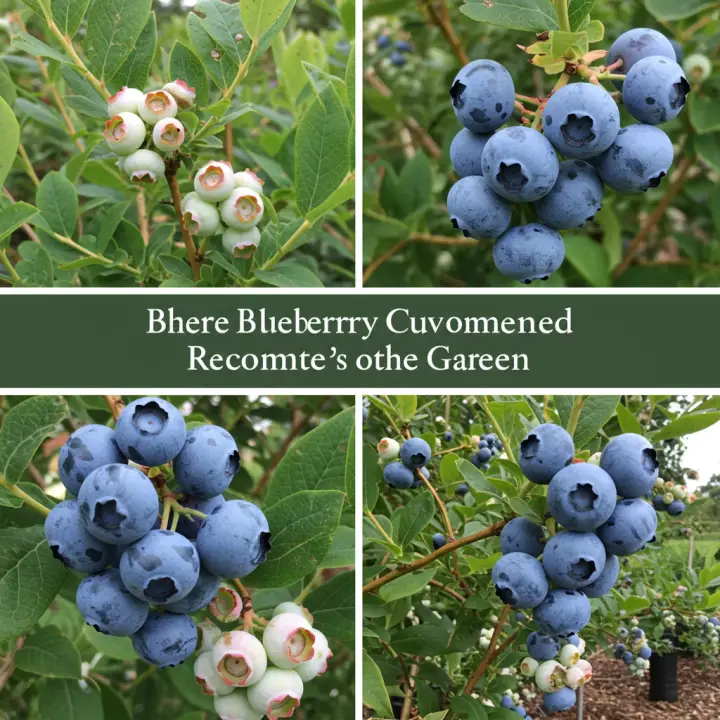
Introduction: Blueberries in the Sunshine State
Enjoying fresh, homegrown blueberries is a rewarding experience, and even in Central Florida’s warm and humid climate, you can successfully cultivate these delectable fruits. While blueberries typically thrive in cooler regions, certain varieties have been developed or identified as well-suited to the challenges posed by Florida’s subtropical conditions. This guide will highlight the best blueberry plants for Central Florida gardens, outlining their characteristics and providing practical advice on planting and care to help you achieve blueberry-growing success.
Choosing the Right Blueberry Variety for Central Florida
Blueberry varieties are classified based on their chilling requirements, which refers to the number of hours below 45°F (7°C) needed for proper bud break and fruit production. In Central Florida’s milder winters, low-chill varieties are essential. Here are some of the top picks:
Southern Highbush Blueberries
Emerald: Known for its large, flavorful berries and vigorous growth, Emerald is a popular choice. It requires around 150-200 chilling hours.
Jewel: This variety produces abundant, sweet berries and adapts well to Florida’s heat and humidity. It has similar chilling requirements to Emerald.
Star: Star is a reliable producer with firm, flavorful berries. Its chilling requirement is also in the 150-200 hour range.
Sunshine Blue: A compact variety ideal for smaller spaces, Sunshine Blue is self-pollinating and produces sweet, medium-sized berries. It requires very low chilling hours (around 100).
Rabbiteye Blueberries
While rabbiteye blueberries generally require more chilling hours than Southern Highbush varieties, some can perform well in warmer parts of Central Florida if provided with adequate chill.
Premier: A popular rabbiteye known for its large, sweet berries, Premier may require some supplemental chilling in Central Florida but can still produce a good crop.
Tifblue: Tifblue is another rabbiteye that can adapt to warmer climates. It produces abundant, medium-sized berries.
Consideration for Cross-Pollination
While some blueberry varieties are self-pollinating, planting two or more different cultivars of the same type (Southern Highbush with Southern Highbush, Rabbiteye with Rabbiteye) generally improves fruit set and overall yield.
Planting and Caring for Your Blueberry Bushes
Soil Preparation and Planting
Blueberries thrive in acidic soil with a pH range of 4.0 to 5.5. Amending the native soil with organic matter like peat moss, composted pine bark, or sphagnum moss is crucial for creating the ideal growing environment.
Planting Time: The best time to plant blueberries in Central Florida is late fall to early winter.
Sunlight: Choose a sunny location that receives at least 6-8 hours of direct sunlight daily.
Spacing: Space plants 3-4 feet apart.
Planting Depth: Plant the blueberry bush at the same depth it was growing in the container.
Watering and Fertilizing
Watering: Water regularly, especially during dry periods. Consistent moisture is essential for healthy growth and fruit development. Avoid overwatering, which can lead to root rot.
Fertilizing: Use an acid-forming fertilizer specifically formulated for blueberries. Apply fertilizer in early spring and again after harvest.
Pruning
Pruning is important for maintaining plant shape, encouraging new growth, and improving fruit production.
Young Bushes (1-3 years): Focus on removing any dead, damaged, or crossing branches.
Mature Bushes (4+ years): Remove older, less productive canes to stimulate new growth. Prune in late winter or early spring before new growth begins.
Pest and Disease Management
Monitor your blueberry bushes regularly for signs of pests and diseases. Common pests include aphids, scale, and spider mites. Diseases like fungal infections can also occur. Consult with your local extension office for advice on appropriate control measures.
FAQs: Common Blueberry Growing Questions in Central Florida
Q: Can I grow blueberries in containers in Central Florida?
A: Yes, blueberries can be grown successfully in containers, making them a great option for patios or small spaces. Choose a large pot (at least 15 gallons) with good drainage and use a well-draining potting mix formulated for acid-loving plants.
Q: How do I know if my blueberry plants are getting enough chill hours?
A: Monitor the temperature during the winter months and keep track of the cumulative hours below 45°F (7°C). You can also observe bud break in the spring. If buds are slow to emerge or uneven, it may indicate insufficient chilling.
Q: What are some signs of nutrient deficiency in blueberry plants?
A: Yellowing leaves can be a sign of iron deficiency, which is common in alkaline soils. Other nutrient deficiencies can manifest as stunted growth or poor fruit production. A soil test can help determine if any nutrient imbalances exist.
Q: When can I expect to harvest blueberries in Central Florida?
A: Harvest time typically falls between April and June, depending on the variety and weather conditions.
Q: How can I protect my blueberry bushes from birds?
A: Netting is the most effective method for protecting ripening berries from birds. You can drape netting over the bushes or create a cage-like structure around them.
Conclusion: A Taste of Summer in Your Florida Garden
Growing blueberries in Central Florida can be a rewarding endeavor. By selecting the right varieties and following proper planting and care practices, you can enjoy a bountiful harvest of these delicious and nutritious berries. Remember to choose low-chill varieties like Emerald, Jewel, or Star for the best results. With a little effort, you can savor the sweet taste of summer right in your own backyard. Don’t hesitate to reach out to local gardening experts or your county extension office for additional guidance specific to your area. Happy gardening!