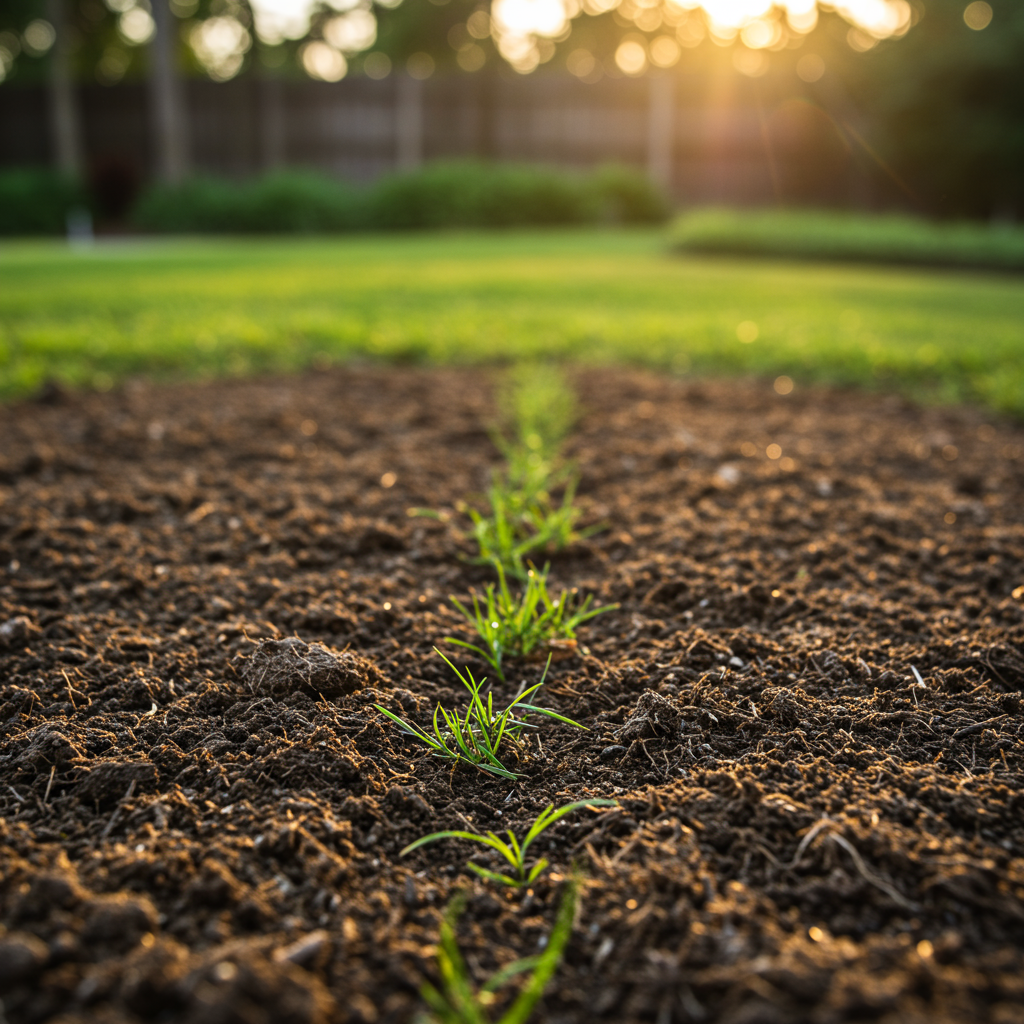
Knowing the best time to plant grass seed in Central Florida is crucial for ensuring successful germination and a lush, healthy lawn. This guide provides a comprehensive overview of ideal planting seasons, grass types, and essential lawn care tips for Central Florida’s unique climate.
Central Florida’s subtropical climate presents specific challenges and opportunities for lawn enthusiasts. This guide helps you determine the optimal time to plant grass seed, choose the right grass variety, and implement best practices for establishing a thriving lawn.

When is the Best Time to Plant Grass Seed in Central Florida?
Central Florida’s climate significantly influences the success of grass seed germination. While you can technically plant grass seed at different times of the year, certain seasons offer optimal conditions for growth.
Ideal Planting Season: Fall (September – November)
Fall reigns supreme as the best time to plant grass seed in Central Florida. The warm soil temperatures and milder air temperatures of autumn create an ideal environment for germination and root development. The reduced risk of heavy rainfall and intense heat also minimizes the chances of seed washout or scorching.
Second Best Option: Spring (March – May)
Spring is the second-best time to sow grass seed in Central Florida. The warming soil and increased sunlight stimulate growth, although the increasing temperatures and occasional heavy spring showers can pose minor challenges.
Less Ideal: Summer (June – August)
Planting during the summer months in Central Florida is less desirable. The intense heat, frequent thunderstorms, and increased weed pressure can hinder seed germination and establishment. If you choose to plant during summer, increased vigilance with watering and weed control is essential.
Avoid Planting in Winter (December – February)
Winter is generally not recommended for planting grass seed in Central Florida. Cool soil temperatures and shorter daylight hours inhibit growth, and the occasional frost can damage tender seedlings.
Choosing the Right Grass Type for Central Florida
Selecting the appropriate grass type is just as important as timing your planting. Consider these common warm-season grasses well-suited for Central Florida:
St. Augustinegrass: This popular choice boasts excellent drought tolerance and a dense, attractive appearance.
Bahiagrass: A low-maintenance option known for its resilience and ability to thrive in sandy soils.
Zoysiagrass: This slow-growing grass creates a dense, fine-textured lawn requiring less frequent mowing.
Bermudagrass: A vigorous, fast-growing grass that tolerates high traffic and wear.
Matching Grass Type to Your Needs
Consider factors like sunlight exposure, foot traffic, and maintenance preferences when selecting a grass type. Discuss options with local experts for personalized recommendations tailored to your specific needs and location.
Step-by-Step Guide to Planting Grass Seed in Central Florida
1. Soil Preparation: Clear the area of debris, weeds, and rocks. Amend the soil with compost or other organic matter to improve drainage and fertility.
2. Seed Selection: Choose a high-quality grass seed variety suitable for Central Florida’s climate and your specific needs.
3. Sowing the Seed: Evenly distribute the seed over the prepared soil, following the recommended seeding rate on the package.
4. Raking and Covering: Lightly rake the seed into the soil and cover with a thin layer of straw or topsoil to retain moisture.
5. Watering: Water the newly seeded area gently and frequently to keep the soil consistently moist. Avoid heavy watering that could dislodge the seeds.
6. Fertilizing: Apply a starter fertilizer after the seeds have germinated to promote vigorous growth.
7. Mowing: Begin mowing once the grass reaches a height of 3-4 inches, following the recommended cutting height for your chosen grass type.
8. Ongoing Care: Continue regular watering, fertilizing, and weed control practices to maintain a healthy and vibrant lawn.
FAQs: Planting Grass Seed in Central Florida
Q: Can I plant grass seed during the rainy season in Central Florida?
A: While rain can help with watering, heavy downpours can wash away newly sown seeds. It’s best to plant either before or after the peak of the rainy season.
Q: How often should I water newly planted grass seed?
A: Keep the soil consistently moist by watering several times a day, especially during hot and dry periods. Reduce watering frequency as the grass establishes.
Q: How long does it take for grass seed to germinate in Central Florida?
A: Germination time varies depending on the grass type and environmental conditions, typically ranging from 7 to 21 days.
Q: What are common lawn pests in Central Florida, and how do I control them?
A: Chinch bugs, mole crickets, and sod webworms are common pests. Consult with local lawn care professionals for appropriate pest control methods.
Q: When should I apply fertilizer to my newly planted grass seed?
A: Apply a starter fertilizer after germination to encourage root development and growth. Follow the instructions on the fertilizer package for proper application rates.
Q: What are some tips for maintaining a healthy lawn in Central Florida’s sandy soil?
A: Amend sandy soil with organic matter to improve water retention and nutrient content. Regular fertilization and proper watering practices are also crucial.
Beyond Planting: Long-Term Lawn Care in Central Florida
Establishing a healthy lawn requires ongoing care and attention beyond the initial planting phase. Regular mowing, fertilization, and weed control are essential for maintaining a lush and vibrant lawn year-round. Furthermore, consider these additional tips:
Aerate your lawn annually to improve soil drainage and oxygen flow to the roots.
Dethatch your lawn as needed to remove the layer of dead grass and organic matter that can inhibit growth.
* Monitor your lawn for signs of pests or diseases and address any issues promptly.
Conclusion
Choosing the best time to plant grass seed in Central Florida, selecting the appropriate grass type, and implementing proper lawn care practices are crucial for achieving a beautiful, thriving lawn. By following this guide and seeking advice from local experts, you can create an outdoor space you’ll enjoy for years to come. Remember, a healthy lawn not only enhances the beauty of your home but also contributes to the overall ecosystem, providing a haven for beneficial insects and enhancing the environment.