
Sunflower seeds are a beloved snack—crunchy, salty, and packed with flavor. But what about those tough outer shells? If you’ve ever cracked open a handful and wondered, “Can you eat sunflower seed shells?” you’re not alone. Many people spit them out on instinct, while others chew right through. The short answer? It’s possible, but not always advisable. In this comprehensive guide, we’ll dive deep into the edibility of sunflower seed hulls, their nutritional profile, potential health risks, safe consumption tips, and even eco-friendly ways to repurpose them. Whether you’re a seed-cracking pro or a curious newbie, read on to get all the facts on eating sunflower seed shells safely.
What Are Sunflower Seed Shells?
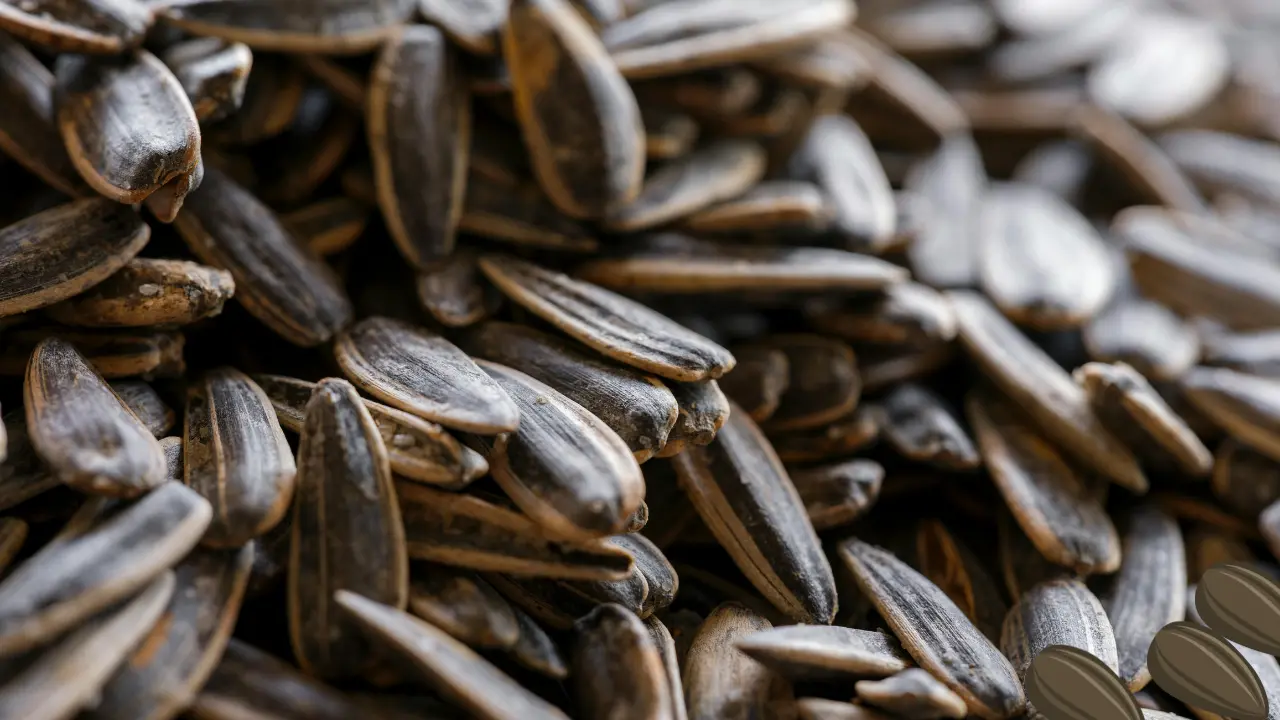
Sunflower seed shells, also known as hulls, are the protective outer layer encasing the edible kernel inside each sunflower seed. These hulls come from the Helianthus annuus plant, a native North American species that’s been cultivated for thousands of years. The shells are fibrous and woody, designed by nature to shield the nutrient-rich kernel from pests and environmental damage.
Typically grayish-brown and striped, sunflower hulls make up about 40-50% of the seed’s total weight. They’re often roasted and salted for snacking, which enhances the kernel’s taste but leaves the shell tough and chewy. Fun fact: In-shell sunflower seeds are a staple at baseball games and trail mixes, but the hulls aren’t just waste—they have surprising versatility beyond the bowl.
Are Sunflower Seed Shells Edible?
Yes, sunflower seed shells are technically edible—they’re not toxic or poisonous. However, experts generally recommend avoiding them as a regular part of your diet. The hulls are high in insoluble fiber, which humans can’t fully digest, leading to potential digestive discomfort. While some folks, like those sharing stories on Reddit, munch through them without issue (as long as they’re chewed thoroughly), the consensus from health pros is to stick to the kernels for maximum benefits and minimal hassle.
That said, if you’ve accidentally swallowed a few, don’t panic. A small amount won’t cause harm, but making it a habit could spell trouble for your gut. The key question isn’t just “can you,” but “should you?” Let’s break it down.
Nutritional Value of Sunflower Seed Shells
The real nutritional powerhouse of sunflower seeds lies in the kernel, not the shell. A 1-ounce (28g) serving of whole sunflower seeds (kernels only) delivers:
| Nutrient | Amount | % Daily Value* |
|---|---|---|
| Calories | 165 | 8% |
| Protein | 5g | 10% |
| Total Fat | 14g | 18% |
| Carbohydrates | 7g | 3% |
| Fiber | 3g | 11% |
| Vitamin E | 7.4mg | 37% |
| Magnesium | 92mg | 22% |
| Selenium | 17mcg | 31% |
*Based on a 2,000-calorie diet.
Sunflower seed shells themselves offer limited nutrition—mostly insoluble fiber (about 1-2g per shell equivalent) and trace minerals like lignans, which act as antioxidants. This fiber can aid digestion in small doses, similar to eating bran, and may even support heart health by binding to cholesterol in the gut. However, the shells lack the healthy fats, vitamin E, and protein found in the kernel, which are linked to benefits like reduced inflammation, better blood sugar control, and lower cholesterol.
In short: If you’re after the health perks of sunflower seeds—like antioxidants for skin health or magnesium for muscle function—focus on de-shelled kernels. The hulls are more filler than feast.
Potential Risks of Eating Sunflower Seed Shells
While not dangerous in tiny amounts, consuming sunflower seed hulls regularly can pose risks:
- Digestive Irritation: The sharp, fibrous edges may scratch your esophagus or intestines, causing pain, bleeding, or even bezoars (hardened masses).
- Choking Hazard: Whole or poorly chewed shells can block airways, especially for kids or those with swallowing issues.
- Bacterial Contamination: Shells may harbor bacteria like Salmonella if not properly processed, raising food poisoning risks.
- Overconsumption of Fiber: Too much insoluble fiber without enough water can lead to bloating, constipation, or diverticulitis flare-ups.
If you experience abdominal pain, blood in stool, or persistent discomfort after eating them, consult a doctor. Vulnerable groups—like those with IBS, Crohn’s disease, or dental issues—should steer clear entirely.
How to Eat Sunflower Seed Shells Safely (If You Insist)
Curious to try? Here’s how to minimize risks when eating sunflower seed hulls:
- Choose Quality Seeds: Opt for organic, roasted-in-shell varieties from reputable brands to reduce pesticide and bacteria exposure.
- Chew Thoroughly: Place 5-10 seeds in your mouth, crack with molars (not front teeth to avoid enamel wear), and grind the shell into a fine paste before swallowing. This breaks down fibers and dulls edges.
- Start Small: Limit to a handful (about 1/4 cup) per day, paired with plenty of water to aid digestion.
- Monitor Your Body: Track for any GI upset and stop if issues arise.
- Pro Tip: Soak shells overnight in water to soften them slightly before roasting at 350°F for 10 minutes—this makes them less abrasive.
Remember, the traditional method is to spit the shells: Crack, extract the kernel with your tongue, chew the soft inside, and discard the hull like a boss. It’s a skill that takes practice but keeps things safer.
Creative Uses for Sunflower Seed Shells (Beyond Eating)
Don’t toss those hulls—they’re gold for sustainability! Here are eco-smart ideas:
- Mulch and Compost: Spread as garden mulch to suppress weeds and retain moisture; they break down into nutrient-rich soil over time. (Rinse salted ones first to avoid sodium buildup.)
- Animal Feed: Mix into birdseed or livestock rations for roughage—chickens and rabbits love ’em.
- Fuel Source: Compress into pellets for wood stoves; they’re a renewable, low-ash alternative to coal.
- DIY Crafts: Glue into mosaics, wall art, or seed bombs for guerrilla gardening.
- Tea or Coffee Substitute: Toast and grind for a caffeine-free brew with a nutty flavor.
These hacks turn snack scraps into treasures, reducing waste and boosting your green cred.
Frequently Asked Questions About Sunflower Seed Shells
Are sunflower seed shells good for you?
In moderation, they add fiber, but the kernels pack more punch. Skip the hulls for optimal nutrition.
Can eating sunflower shells cause diverticulitis?
Possibly—undigested pieces can irritate inflamed pouches in the colon. Consult your doc if at risk.
How do you remove sunflower seed shells easily?
Roll seeds between your fingers to crack, or use a nutcracker. For bulk, try a seed sheller tool.
Do sunflower hulls have calories?
Negligible—mostly fiber, so they won’t spike your intake but can fill you up.
Can dogs eat sunflower seed shells?
No, they pose choking and digestive risks for pups. Stick to plain kernels in small amounts.
Final Thoughts: Crack Smart, Snack Smarter
So, can you eat sunflower seed shells? Absolutely, if you’re adventurous and chew like a champ—but for most of us, it’s wiser to savor the kernel and repurpose the hull. Sunflower seeds (sans shells) remain a top-tier snack for heart health, energy, and that satisfying crunch. Next time you grab a bag, experiment with safe cracking techniques or get crafty with the leftovers. Got a favorite sunflower hack? Drop it in the comments below—we’d love to hear!


I chew the entire seed while sucking out the meat and swallow some of the shell while trying to spit out piles of the chewed up shell that I then throw out in the garden for the rabbits