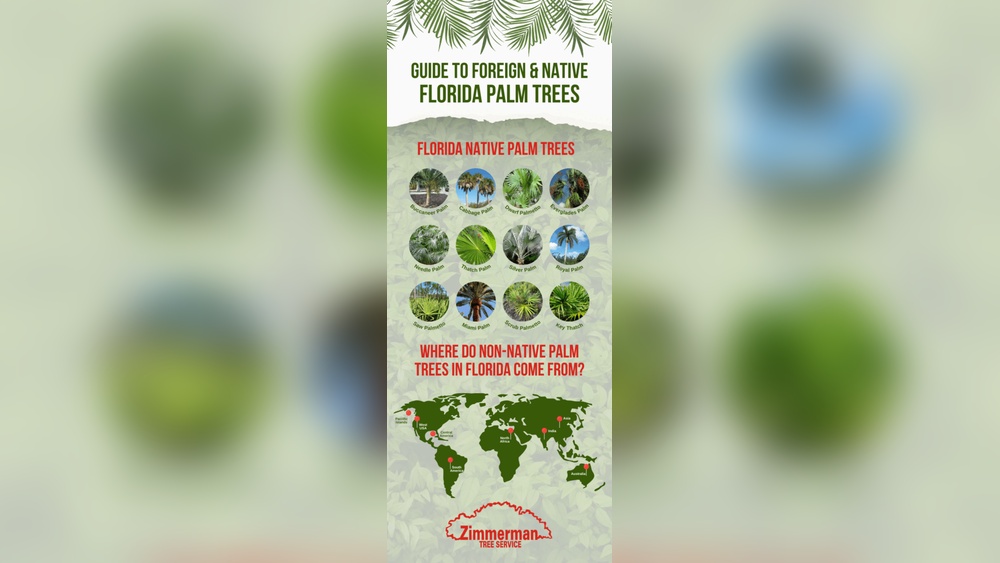
Are you thinking about landscaping in Florida? Choosing the right plants is very important. Native Florida plants are the best choice. They fit well with the climate and soil. These plants need less water and care. This saves time and money.
Why Choose Native Florida Plants?
- Adapted to Local Climate: Native plants grow well in Florida’s heat and rain.
- Low Maintenance: They need less watering and fertilizer.
- Support Wildlife: Birds, butterflies, and bees like native plants.
- Prevent Soil Erosion: Their roots hold the soil firmly.
- Save Water: They survive drought better than non-native plants.
Popular Native Plants for Florida Landscaping
Here is a list of some native plants. These plants are easy to grow and look nice in your yard.
| Plant Name | Description | Benefits |
|---|---|---|
| Firebush | A shrub with bright red-orange flowers. | Attracts hummingbirds and butterflies. Drought-tolerant. |
| Beautyberry | A small shrub with purple berries in clusters. | Provides food for birds. Grows well in sunny spots. |
| Lantana | Flowering shrub with many colorful blooms. | Heat-tolerant and blooms all year. Attracts butterflies. |
| Muhly Grass | A native grass with soft pink-purple flowers. | Adds texture and color. Very drought-tolerant. |
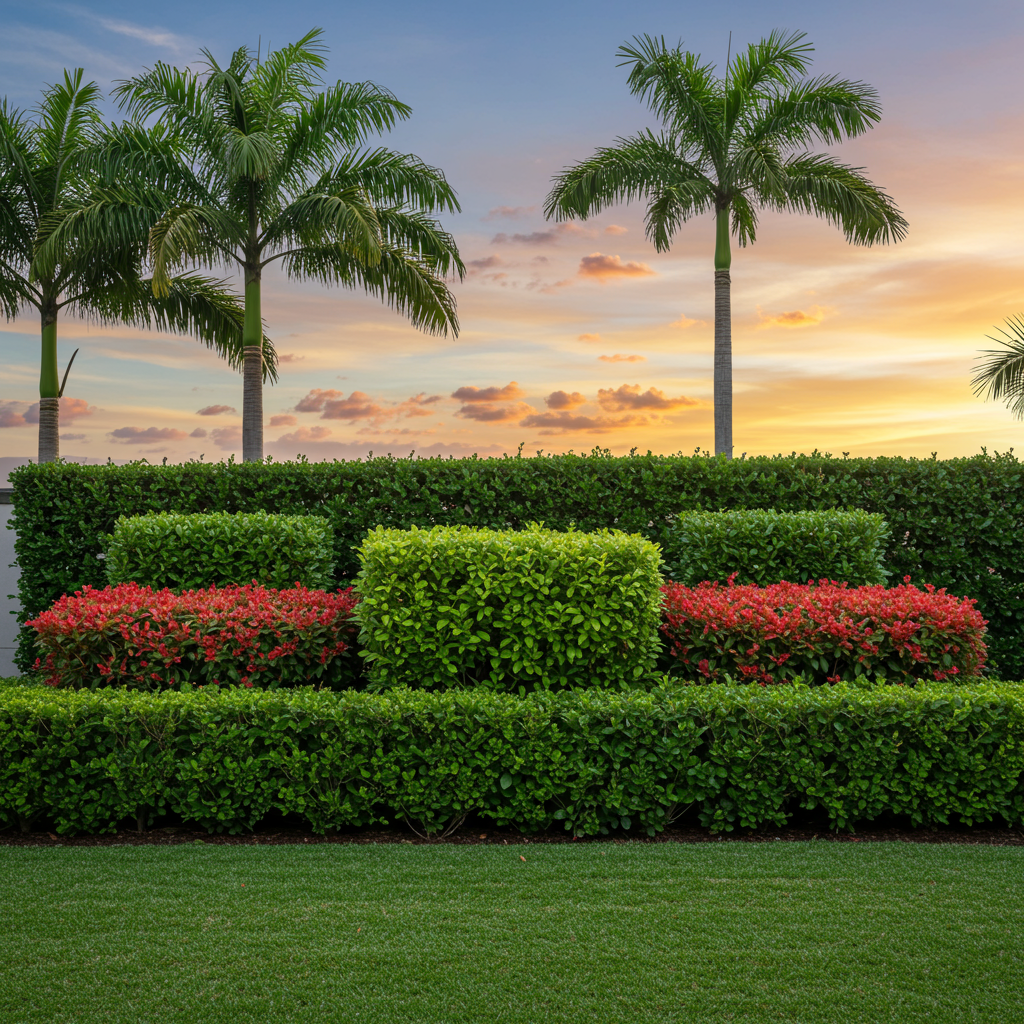
| Clusia | A shrub or small tree with thick leaves. | Good for privacy hedges. Handles dry conditions well. |
How to Use Native Plants in Your Landscape
Using native plants is easy. You can mix different types to create a beautiful yard. Here are some ideas:
- Flower Beds: Plant Firebush and Lantana together for color.
- Privacy Hedges: Use Clusia to make a green wall.
- Ground Cover: Use Beautyberry to cover soil and stop weeds.
- Accent Plants: Add Muhly Grass for soft color and texture.
- Rain Gardens: Choose plants that like wet soil like Firebush.
Tips for Growing Native Florida Plants
Follow these simple steps for a healthy garden:
- Pick the Right Plants: Choose plants that fit your yard’s sunlight and soil.
- Prepare the Soil: Remove weeds and loosen soil before planting.
- Plant at the Right Time: Spring or fall is best for planting.
- Water Wisely: Water new plants often but less as they grow.
- Use Mulch: Mulch keeps soil moist and stops weeds.
- Watch for Pests: Native plants have fewer pest problems but check regularly.
Benefits of Using Native Plants in Florida Landscaping
Native plants offer many benefits beyond beauty. Here are some reasons to choose them:
- Save Water: Native plants need less irrigation.
- Save Money: Less need for fertilizers and pesticides.
- Protect Local Wildlife: Native plants feed and shelter animals.
- Reduce Maintenance: Less pruning and care needed.
- Help the Environment: Native plants keep the land healthy.
Examples of Native Florida Landscaping Designs
Here are some ways you can design your yard using native plants:
1. Butterfly Garden
Plant Firebush, Lantana, and Beautyberry to attract butterflies. Add some flat stones for resting spots. This garden is colorful and lively.
2. Privacy Hedge
Use Clusia or Florida Privet to make a green screen. These shrubs grow thick and tall. They block noise and create a peaceful space.
3. Drought-resistant Yard
Choose Muhly Grass, Beautyberry, and Firebush. These plants need less water. Perfect if you want a low-maintenance garden.
4. Rain Garden
Plant Firebush and other wetland-loving natives. This garden holds rainwater and prevents flooding. It helps the environment and looks nice.
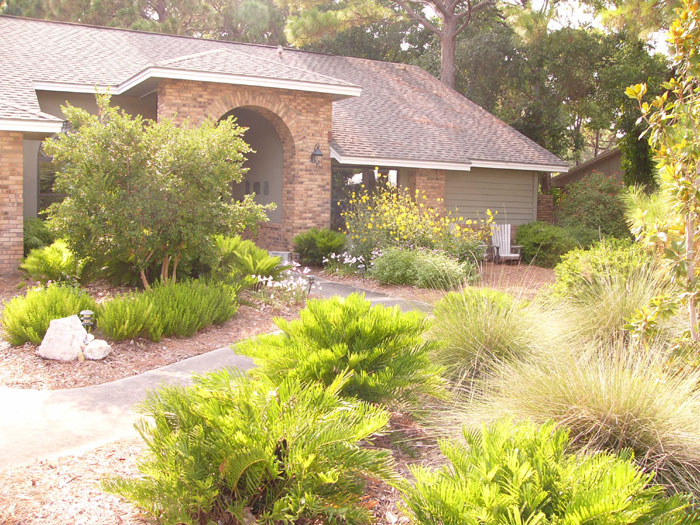
Credit: www.wilcoxnursery.com
Plants to Avoid in Florida Landscaping
Not all plants are good for Florida yards. Some plants take too much water or harm local nature. Avoid these:
- Invasive species like Brazilian pepper or melaleuca.
- Plants that need too much water or fertilizer.
- Plants that do not grow well in Florida heat.
Instead, choose native plants. They grow well and help nature.
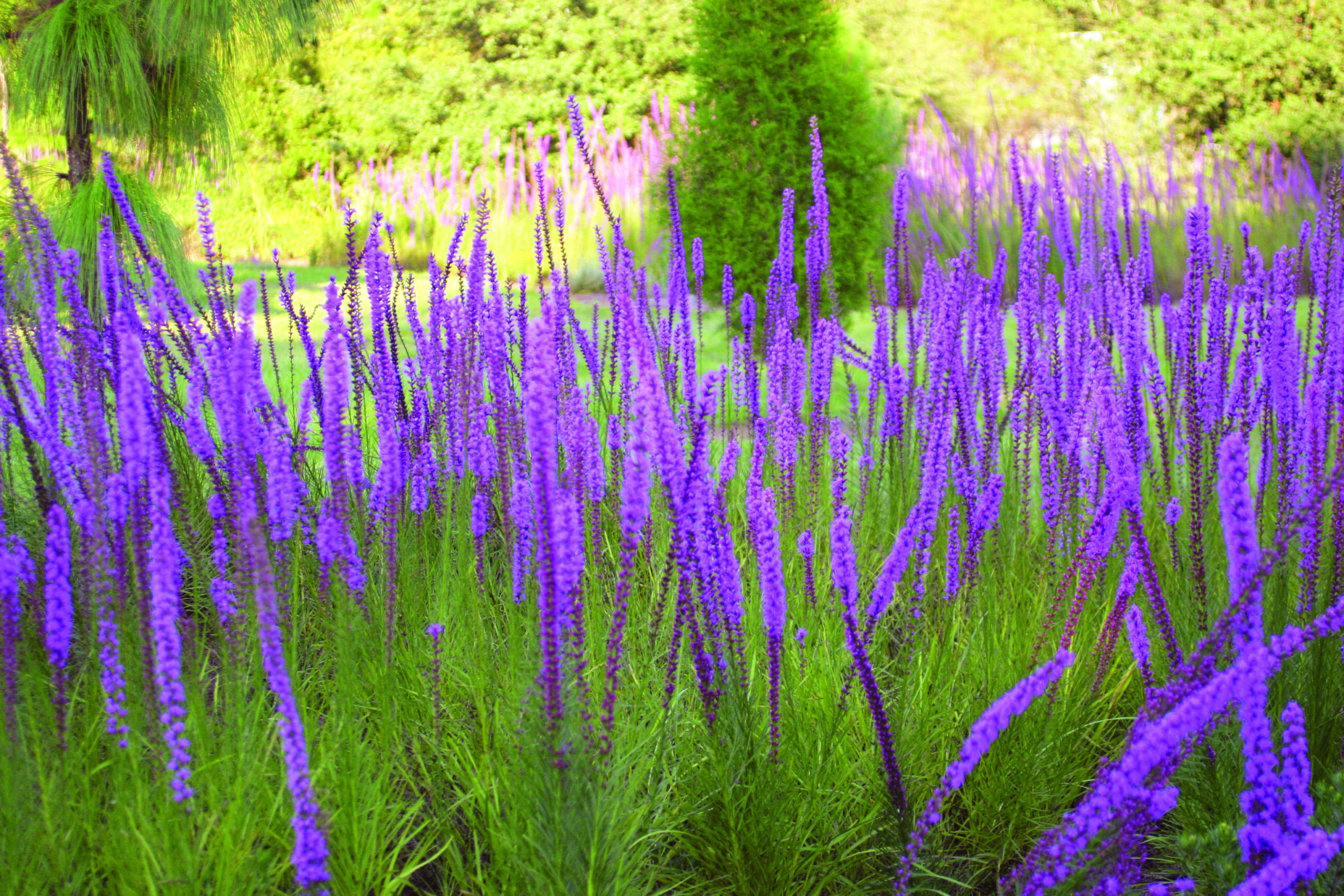
Credit: www.flawildflowers.org
Where to Find Native Florida Plants
You can buy native plants at local nurseries. Some places specialize in Florida native plants. The Florida Native Plant Society also offers resources. You can also grow plants from seeds.
When buying plants, ask if they are truly native. Sometimes stores sell non-native plants that look similar. Choose local nurseries or native plant sales for best results.
Frequently Asked Questions
What Is The Best Low-maintenance Landscape In Florida?
The best low-maintenance landscape in Florida features native plants like Firebush, Beautyberry, and Lantana. These drought-tolerant species thrive in Florida’s heat and require minimal care. Incorporate mulch, ground cover, and hardscaping to reduce upkeep and enhance landscape beauty.
What Is A Florida Native Plant For Hedges?
A Florida native plant for hedges is Florida Privet. It grows dense foliage, adapts well to various soils, and suits Florida’s climate perfectly.
What Are Good Outdoor Plants For Florida?
Good outdoor plants for Florida include Firebush, Beautyberry, Lantana, Bougainvillea, Hibiscus, Palms, Clusia, Muhly Grass, and Plumbago. These thrive in heat, attract pollinators, and require low maintenance, making them ideal for Florida landscapes.
What Is The Easiest Plant To Grow In Florida?
The easiest plant to grow in Florida is Firebush. It is drought-tolerant, heat-resistant, and attracts butterflies and hummingbirds. Firebush thrives in Florida’s climate and requires minimal care, making it perfect for beginners and low-maintenance gardens.
Conclusion
Native Florida plants are the best choice for landscaping. They save water, money, and time. They support birds, butterflies, and other wildlife. These plants look beautiful and grow well in Florida soil and weather.
Start small. Choose a few native plants and watch your yard bloom. You will enjoy a green, healthy, and natural garden. Native plants make Florida landscapes special and strong.
Make your yard a home for nature. Use native Florida plants today.