If you’re struggling to grow a lush, green lawn in Florida’s sandy soil, you’re not alone. Sandy soil drains quickly and often lacks the nutrients grass needs to thrive.
But don’t worry—choosing the right type of grass can make all the difference. You’ll discover the best grasses that not only survive but flourish in Florida’s sandy conditions. By the time you finish reading, you’ll know exactly which grass to plant to transform your yard into a vibrant, healthy space you’ll love.
Ready to get started? Let’s dive in!
Top Grasses For Florida Sand
Choosing the right grass for Florida’s sandy soil is key for a healthy lawn. Sandy soil drains quickly and holds fewer nutrients. This makes it tough for many grasses to grow well. Certain grasses thrive better in these conditions. They handle heat, drought, and poor soil. Below are some top grasses suited for Florida sand.
Tall Fescue Benefits
Tall fescue is a cool-season grass that grows deep roots. These roots help it find water in sandy soil. It stays green longer during dry spells. Tall fescue also resists wear and recovers quickly. It prefers some shade but can handle sun. This grass suits lawns that need good durability.
Bermuda Grass Strengths
Bermuda grass is a warm-season grass that loves heat. It grows fast and spreads to cover bare spots. Bermuda grass tolerates drought well and recovers from damage. It handles heavy foot traffic without thinning. This grass needs full sun to thrive. It is perfect for sunny yards with sandy soil.
Zoysia Grass Features
Zoysia grass grows slowly but forms a dense turf. It resists weeds and stays green in heat. Zoysia handles drought better than many grasses. It also tolerates some shade. This grass feels soft underfoot and looks neat. It needs less mowing, saving time and effort.
Bahiagrass And Centipedegrass
Bahiagrass is tough and grows well in poor soil. It needs little water and resists pests. Centipedegrass prefers acidic sandy soil and low maintenance. Both grasses handle Florida’s heat and dry conditions. They are good choices for low-care lawns and large areas.
Fine Fescue For Sandy Soil
Fine fescue is a cool-season grass that grows well in poor soil. It tolerates shade and stays green in cool weather. Fine fescue needs less water than many grasses. It is ideal for shaded spots with sandy soil. This grass creates a soft, attractive lawn in tough areas.
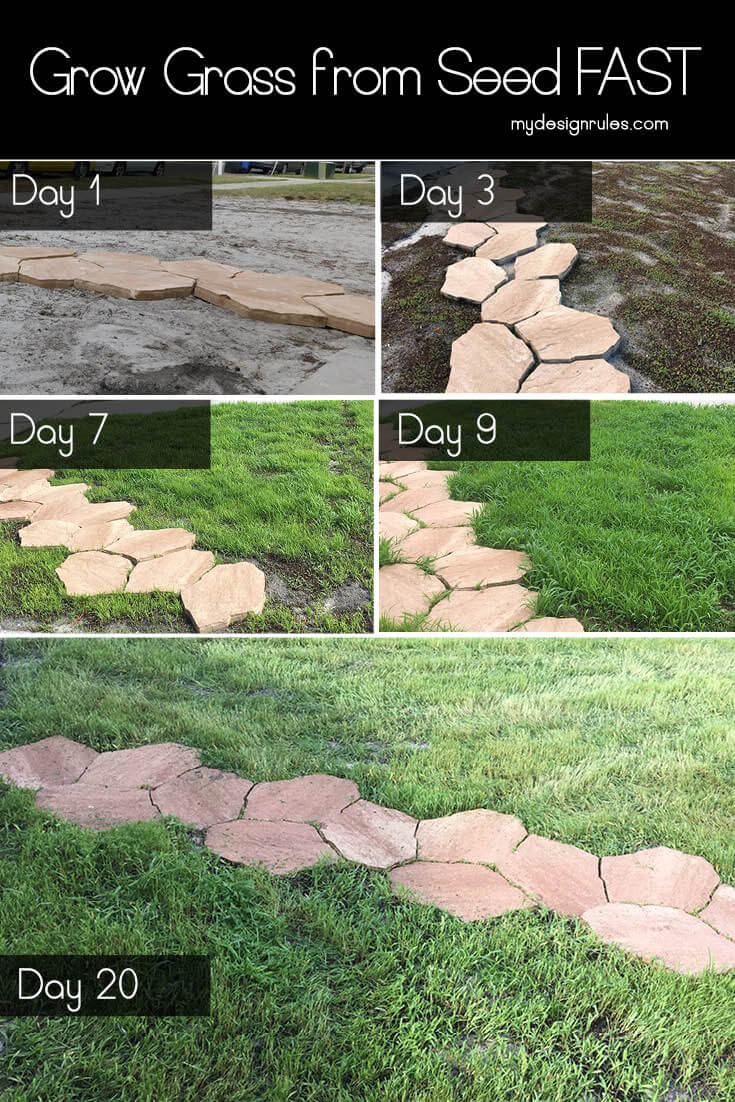
Credit: mydesignrules.com
Warm-season Vs Cool-season Grasses
Choosing the right grass for Florida sand depends on understanding warm-season and cool-season grasses. These two types have different traits that affect growth and survival. Knowing their differences helps pick the best grass for Florida’s sandy soil and climate.
Choosing Based On Climate
Florida has a warm climate with hot summers and mild winters. Warm-season grasses thrive in this heat. They grow best from late spring to early fall. Cool-season grasses prefer cooler weather and grow well in early spring and fall. Warm-season grasses suit Florida’s climate better than cool-season varieties.
Heat Tolerance Levels
Warm-season grasses tolerate high heat and drought well. They stay green and healthy during Florida’s hot summers. Cool-season grasses struggle in intense heat. They may turn brown or go dormant in summer. For sandy soil that heats quickly, heat tolerance is important. Warm-season grasses handle heat stress better on sandy land.
Seasonal Growth Patterns
Warm-season grasses grow actively during warm months and slow down in winter. Cool-season grasses grow in cooler months and often go dormant in summer. This means warm-season grasses provide a green lawn most of the year in Florida. Cool-season grasses may leave bare spots in hot summer months. Choosing grass with the right growth pattern keeps your lawn healthy year-round.
Soil Preparation Tips
Preparing sandy soil in Florida is key for growing healthy grass. Sandy soil drains quickly and holds fewer nutrients than other soils. Proper preparation helps grass roots grow strong and absorb water better. This section covers essential tips to improve soil quality, keep nutrients in place, and water the grass correctly.
Improving Sand Soil Quality
Sandy soil needs organic matter to hold water and nutrients. Spread compost or peat moss over the area. Work it into the top 6 inches of soil. This process increases moisture retention and creates a better environment for roots. Avoid using too much sand when adding amendments. It can worsen drainage problems.
Amendments For Nutrient Retention
Add materials that slow nutrient loss. Coconut coir and humus are good options. They bind nutrients and prevent them from washing away. Use slow-release fertilizers designed for sandy soil. Apply them according to package instructions. Test soil pH and adjust with lime or sulfur if needed. Balanced nutrients support steady grass growth.
Proper Irrigation Practices
Water sandy soil more often but in smaller amounts. This keeps moisture near the roots without causing runoff. Early morning watering reduces evaporation. Avoid overwatering to prevent root diseases. Installing a drip irrigation system helps target water efficiently. Monitor soil moisture regularly to adjust watering schedules.

Credit: tropicalgardenslandscape.com
Planting And Maintenance
Planting and maintaining grass in Florida’s sandy soil requires careful attention. Sandy soil drains quickly and holds fewer nutrients. Selecting the right planting method and following proper care steps helps grass thrive. Focus on watering, fertilizing, and pest control to keep your lawn healthy and green.
Seeding Vs Sod Installation
Seeding is affordable and allows for more grass variety. Seeds take longer to grow and need more care at the start. Sod offers instant green coverage and reduces erosion. It costs more but establishes quickly. Choose based on budget, time, and lawn size.
Watering Guidelines
Water deeply but less often to encourage strong roots. Early morning is the best time to water. Avoid overwatering to prevent root rot and fungus. Sandy soil dries faster, so check soil moisture regularly. Adjust watering during rainy or dry seasons.
Fertilizing Schedules
Use slow-release fertilizers to supply nutrients steadily. Apply fertilizer 3 to 4 times a year for best results. Avoid over-fertilizing, which can harm the grass and environment. Follow product instructions and adjust for the season. Fertilize during active growth periods for optimal health.
Weed And Pest Control
Weeds compete with grass for water and nutrients. Use pre-emergent herbicides in early spring to prevent weeds. Spot-treat existing weeds with safe herbicides. Monitor for pests like grubs and chinch bugs. Use natural or chemical controls as needed to protect your lawn.
Common Challenges In Sandy Lawns
Sandy lawns in Florida present unique challenges for grass growth. The loose, coarse texture of sandy soil drains water quickly. It also struggles to hold nutrients needed for healthy plants. These conditions can make maintaining a lush lawn difficult.
Understanding common problems helps you choose the right grass and care methods. Addressing drought, erosion, and nutrient issues improves lawn health and appearance.
Dealing With Drought Stress
Sandy soil dries out faster than other soils. Grass roots get less water and may wilt. Regular watering is essential but should avoid overwatering. Choose drought-resistant grass types that survive dry spells better. Mulching around grass can help retain moisture in the soil.
Preventing Soil Erosion
Wind and rain can easily wash away sandy soil. This erosion removes the topsoil where grass roots grow. Plant grass with strong root systems to hold the soil. Avoid heavy foot traffic on young grass to prevent soil displacement. Using ground covers or mulch also protects the soil surface.
Managing Nutrient Deficiencies
Sandy soils often lack essential nutrients for grass health. Fertilizers need to be applied more frequently but in small amounts. Slow-release fertilizers work well to provide steady nutrients. Testing soil regularly helps identify which nutrients are missing. Adding organic matter can improve soil nutrient retention.
Recommended Grass Seed Products
Choosing the right grass seed is key for growing a healthy lawn in Florida’s sandy soil. The best seeds offer good root growth and resist drought. They can also handle the heat and occasional heavy rain. Below are some top recommended grass seed products ideal for Florida sand.
Scotts Grass Seed Options
Scotts offers several seeds made for tough conditions. Their Drought Tolerant Mix works well in sandy soil. It grows strong roots that hold the soil. Another good choice is the Turf Builder Grass Seed. It helps fill in bare spots fast. Both options support thick, green lawns.
Pennington Grass Seed Varieties
Pennington has grass seeds suited for warm climates. The Zenith Zoysia Grass Seed is great for sandy areas. It creates dense, low-maintenance turf. The Fairway Supreme Perennial Ryegrass grows quickly and stays green. Pennington also provides Sahara II Bermudagrass for tough soil and heat.
Expert Gardener Mixes
Expert Gardener offers affordable seed mixes for sun and shade. Their Southern Grass Seed Mix adapts well to Florida’s climate. It includes several grass types for strong growth. This mix handles heat and sand better than many others. It is a practical choice for many homeowners.
Where To Buy Locally
Local stores like Home Depot, Lowe’s, and Walmart stock these seeds. Home Depot carries Scotts and Pennington products. Lowe’s offers Pennington and Scotts varieties too. Walmart sells Expert Gardener mixes at low prices. Visit these stores for seeds suited to Florida sand.

Credit: myorganicturf.com
Frequently Asked Questions
What Kind Of Grass Grows Well In Sand?
Tall fescue, Bermuda grass, and Zoysia grass grow well in sandy soil. They have deep roots and tolerate drought.
What Grass Grows In Sand In Florida?
Bermuda grass, Zoysia grass, and St. Augustine grass grow well in Florida’s sandy soil. They tolerate heat and drought.
What Is The Best Grass Seed For Florida?
Bermuda, Zoysia, and St. Augustine grass seeds grow best in Florida. They tolerate heat, drought, and sandy soil well.
How To Fix A Sandy Yard In Florida?
Improve a sandy yard in Florida by adding organic compost and topsoil to boost nutrients. Plant drought-tolerant grasses like Bermuda, Zoysia, or tall fescue. Water regularly and mulch to retain moisture. Aerate soil to enhance root growth and prevent erosion.
Conclusion
Choosing the right grass for Florida’s sandy soil makes all the difference. Grasses like St. Augustine, Bermuda, and Zoysia handle heat and sand well. They need less water and stay green longer. Proper care helps them grow strong and healthy.
Planting the best grass creates a lush, beautiful lawn. Enjoy a yard that thrives in Florida’s unique environment. Simple steps lead to great results every time.