If you’re ready to grow delicious green beans in your Florida garden, choosing the right variety is key to your success. Florida’s warm climate and unique soil conditions mean not all green beans will thrive here.
But don’t worry—this guide will help you discover the best green beans that flourish in Florida’s heat and humidity. Whether you want crisp snap beans or hearty shell beans, you’ll learn which types give you the best yield and taste.
Keep reading to find out how to grow green beans that will make your garden—and your meals—truly shine!
Green Bean Types For Florida
Choosing the right green bean type is key for a thriving Florida garden. Florida’s warm climate suits several green bean varieties. Each type has unique traits that fit Florida’s growing conditions. Understanding these types helps in picking the best beans for your garden. Below are the main green bean types that grow well in Florida.
Bush Beans
Bush beans grow as compact plants. They do not need support or poles. These beans mature quickly, usually in 50 to 60 days. They are ideal for Florida’s short spring and fall seasons. Varieties like ‘Contender’ and ‘Provider’ do well here. Plant bush beans for easy harvesting and steady yields.
Pole Beans
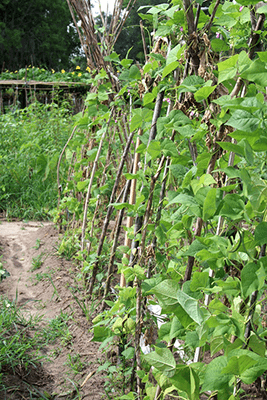
Pole beans climb tall supports like poles or trellises. They produce beans over a longer time than bush beans. This type suits gardeners with small spaces. Varieties such as ‘Blue Lake’ and ‘Kentucky Wonder’ thrive in Florida. Pole beans prefer warm temperatures and plenty of sun.
Snap Beans
Snap beans are eaten fresh with the pod. They have a crisp texture and sweet flavor. This type includes both bush and pole varieties. Popular snap bean varieties for Florida include ‘Roma II’ and ‘Cherokee Wax’. Snap beans need regular watering and well-drained soil to grow well.
Shell Beans
Shell beans are grown for their seeds, which are removed from the pods before eating. They need a longer growing season than snap beans. Varieties such as ‘Horticultural’ and ‘Pinto’ perform well in Florida gardens. Shell beans require rich soil and full sunlight for best results.
Top Bush Bean Varieties
Choosing the right bush bean variety helps ensure a healthy and productive garden. Bush beans grow in compact plants that do not need support. They mature quickly and fit well in Florida’s warm climate. These varieties resist heat and pests better than others. Here are some top bush bean types to consider for your garden.
Contender
Contender is a reliable bush bean for Florida gardens. It grows fast and produces tender pods. This variety stands up well to heat and drought. Its beans stay crisp and flavorful after harvest. Contender is also resistant to common bean diseases. Plant it in full sun with well-drained soil for best results.
Provider
Provider is another strong choice for Florida gardeners. It offers high yields of smooth, green pods. This bush bean is known for its ability to thrive in warm weather. Provider matures quickly, usually within 50 days. It resists many pests and diseases common in the region. Regular watering helps keep the pods tender and tasty.
Blue Lake Bush
Blue Lake Bush is a classic favorite among green bean varieties. It produces long, straight pods with excellent flavor. This variety grows well in Florida’s heat and humidity. Blue Lake Bush beans are crisp and great for fresh eating or cooking. They require moderate care and prefer rich, well-drained soil. Expect a steady harvest over several weeks.
Popular Pole Bean Choices
Choosing the right pole beans can greatly improve your garden’s yield in Florida’s warm climate. Pole beans grow vertically, saving space and making harvesting easier. They thrive in Florida’s long growing season and heat. Here are some popular pole bean varieties suited for Florida gardens.
Yardlong Beans
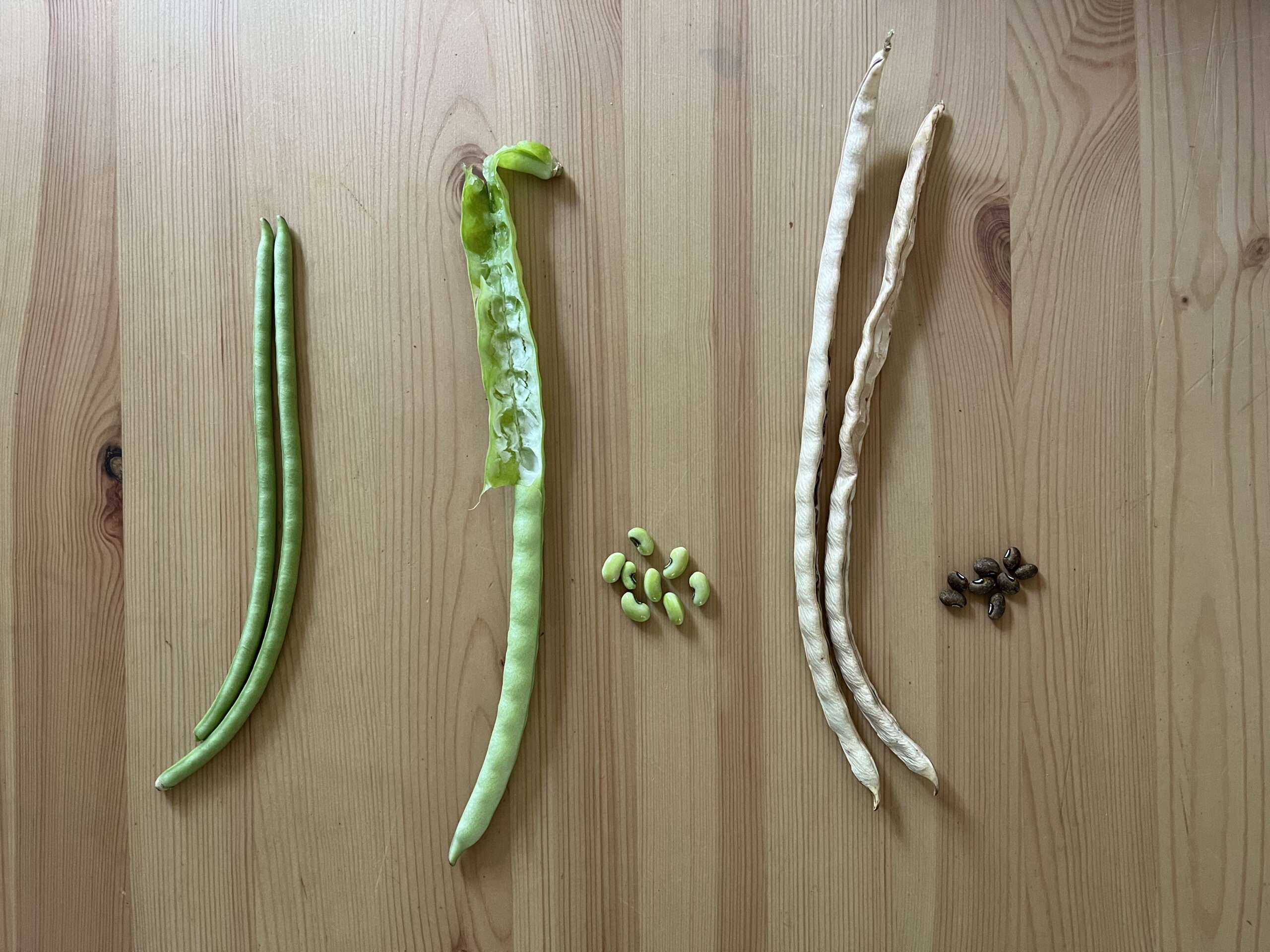
Yardlong beans are known for their impressive length, often reaching up to 3 feet. They have a mild, sweet flavor and a crisp texture. These beans love hot weather and grow fast in Florida’s heat. They need sturdy support like trellises or poles. Yardlong beans produce well into the fall season, providing a long harvest period.
Kentucky Wonder
Kentucky Wonder is a classic pole bean variety. It produces dark green pods that are tender and flavorful. This variety is popular for its high yield and disease resistance. Kentucky Wonder beans grow well in Florida’s warm climate. They climb quickly and produce beans in about 60 days. These beans are excellent for fresh eating or freezing.
Mccaslan
McCaslan pole beans are known for their thin, tender pods and rich flavor. They grow well in Florida’s hot and humid conditions. This variety produces long, straight pods that stay crisp after cooking. McCaslan beans mature in about 60 days, offering a steady harvest. Their climbing habit helps save garden space while boosting production.

Credit: www.gardenary.com
Heat-tolerant Varieties
Growing green beans in Florida’s warm climate requires varieties that handle heat well. Heat-tolerant green beans thrive despite high temperatures and humidity. These beans continue producing pods without wilting or slowing down. Choosing heat-tolerant types helps ensure a steady harvest through Florida’s hot seasons.
These varieties resist heat stress and often resist common diseases. They suit both home gardens and small farms. Below are some popular heat-tolerant green beans recommended for Florida gardens.
Provider
Provider is a reliable bush bean variety. It grows well in hot weather and produces tasty, crisp pods. This bean starts producing early and keeps yielding for a long time. Its resistance to heat and some diseases makes it a favorite among Florida gardeners.
Contender
Contender is another bush bean known for heat tolerance. It grows well in warm soils and offers high yields. The beans are tender and snap easily when picked young. Contender also resists common bean diseases, which helps during Florida’s humid months.
Blue Lake Bush
Blue Lake Bush beans perform well under Florida’s sun. They are bush-type, so they do not need support. The beans are straight, smooth, and great for fresh eating or freezing. This variety tolerates heat and keeps producing pods steadily.
Yardlong Beans
Yardlong beans thrive in hot climates better than many other types. They produce long, slender pods that can grow up to a foot or more. These beans do well on trellises or poles. Yardlong beans bring a unique texture and flavor to the garden and kitchen.
Best Planting Times
Timing is key for growing green beans in Florida. Planting at the right time boosts growth and yield. Florida’s warm climate lets you grow beans almost year-round. Understanding the best planting windows helps avoid frost and heat stress. This guide covers the prime times for spring and fall planting. Learn how to keep your harvest steady with simple tips.
Spring Planting (feb-may)
Plant green beans from February to May for spring crops. The soil warms enough to help seeds sprout quickly. Avoid planting too early to prevent frost damage. Plant new seeds every two to three weeks for a steady harvest. Choose bush or pole bean varieties suited to Florida’s spring climate. Water regularly and watch for pests as plants grow fast in spring.
Fall Planting (aug-oct)
Start fall green beans from August through October. Cooler nights reduce heat stress on plants. This timing avoids Florida’s hottest summer days. Fall planting often produces better yields than summer attempts. Use well-drained soil rich in organic matter for strong growth. Cover young plants if early frost threatens late in the season. Fall crops mature before cold weather arrives.
Continuous Harvest Tips
Plant small batches of seeds every two to three weeks. This method ensures fresh beans all season long. Rotate planting spots to reduce soil pests and diseases. Mulch around plants to keep soil moist and cool. Harvest beans regularly to encourage more pods. Provide support for pole beans to grow upward. Monitor for pests and treat early for healthy plants.
Soil And Sunlight Needs
Growing green beans successfully in Florida depends largely on providing the right soil and sunlight. These two factors affect how well your plants develop and how much they yield. Understanding the needs of green beans helps you prepare your garden for a healthy harvest.
Soil Type
Green beans grow best in loose, well-drained soil. The soil should feel soft and crumbly to allow roots to spread easily. Adding organic matter like compost improves soil fertility and moisture retention. Avoid heavy clay soils that hold too much water, as this can cause root problems. A slightly acidic to neutral pH, around 6.0 to 7.0, suits green beans well.
Sunlight Requirements
Green beans need full sunlight for at least six hours each day. Bright sunlight helps the plants produce more flowers and pods. Choose a garden spot with no shade during the main part of the day. Morning sun is especially beneficial. Without enough light, green beans grow slowly and produce fewer beans.
Frost Sensitivity
Green beans are very sensitive to frost. Cold temperatures below 32°F can damage or kill young plants. Plant green beans only after the last frost date in your area. In Florida, frost risk varies by region and season. Cover plants with cloth or plastic if a frost is predicted. Protecting your beans from frost ensures strong growth and a good crop.
Growing Tips For Florida Gardens
Growing green beans in Florida requires some special care. The warm climate and sandy soil can be both a help and a challenge. Following simple tips can boost your chances of a good harvest. Focus on proper seed sowing, watering, and pest control to keep your plants healthy.
Seed Sowing Practices
Plant green bean seeds in loose, well-drained soil. The soil temperature should be above 60°F for best germination. Sow seeds 1 inch deep and 2 to 4 inches apart. Space rows about 18 to 24 inches to allow airflow. For a steady harvest, plant new seeds every two to three weeks. Choose a sunny spot with at least six hours of direct sunlight daily.
Watering Advice
Green beans need consistent moisture to grow well. Water plants deeply once or twice a week. Avoid wetting the leaves to reduce disease risk. Use drip irrigation or water at the base of plants. Mulch around plants to keep soil moist and cool. Reduce watering as pods start to mature to improve flavor and texture.
Pest And Disease Management
Check plants regularly for pests like aphids, beetles, and caterpillars. Handpick or spray with insecticidal soap if needed. Remove any yellow or diseased leaves immediately. Use crop rotation to prevent soil diseases. Avoid overhead watering to reduce fungal infections. Keep your garden clean by removing plant debris and weeds.
Credit: codycovefarm.com
Harvesting And Storage
Harvesting and storing green beans properly ensures fresh taste and longer shelf life. Knowing the right time to pick beans helps keep them tender and flavorful. Proper storage keeps beans crisp and ready for meals.
When To Harvest
Pick green beans when pods are firm and snap easily. Pods should be about 4 to 6 inches long. Avoid letting beans get too big or tough. Check plants every few days for ripe pods. Harvest in the morning for best flavor and freshness. Regular picking encourages more bean production.
Storage Techniques
Store green beans in a cool, dry place to keep freshness. Place beans in a perforated plastic bag or container. Keep them in the refrigerator crisper drawer. Beans last about 5 to 7 days when stored well. Do not wash beans before storing to prevent moisture. Wash just before cooking to keep them fresh longer.
Common Challenges In Florida
Growing green beans in Florida offers great rewards but also comes with some challenges. The climate and soil in Florida create unique conditions that affect green bean growth. Understanding these common challenges helps gardeners choose the best varieties and care methods. Here are the main issues to watch for in Florida gardens.
Heat Stress
Florida’s high temperatures can stress green bean plants. Heat stress causes leaves to wilt and pods to stop growing. It lowers the plant’s ability to produce beans. Planting during cooler months helps avoid the worst heat. Providing shade during peak sun hours can protect young plants. Watering deeply and regularly keeps plants hydrated under heat.
Soil Issues
Florida soils often drain quickly and lack nutrients. Green beans need well-drained, fertile soil to thrive. Sandy soils can dry out fast, hurting bean roots. Adding organic matter like compost improves soil texture and nutrition. Testing soil pH ensures it is near neutral, which beans prefer. Proper soil preparation supports healthy root growth and better yields.
Pests
Many pests target green beans in Florida gardens. Aphids, spider mites, and bean beetles are common troublemakers. These pests damage leaves and reduce plant vigor. Regular inspection helps catch infestations early. Natural predators and insecticidal soaps can control pests safely. Keeping the garden clean and removing plant debris also reduces pest problems.
Credit: gardeningsolutions.ifas.ufl.edu
Alternatives To Green Beans
Green beans thrive in Florida, but some gardeners want variety. Choosing alternatives helps diversify your garden. These plants also handle Florida’s heat and soil well. Exploring different veggies can keep your garden productive year-round. Here are some great options that grow well in Florida.
Heat-tolerant Vegetables
Florida’s hot climate challenges many plants. Heat-tolerant vegetables can survive and produce well. Okra is one such vegetable. It loves the heat and grows quickly. Southern peas, like black-eyed peas, also do well. They need little water once established. Sweet potatoes thrive in warm soil and give a good harvest. These veggies add color and nutrition to your garden.
Summer Alternatives
Summer heat can stress green beans, so try other crops. Yardlong beans are a great substitute. They tolerate heat and produce long pods. Malabar spinach is another option. It grows like a vine and loves warm weather. Amaranth leaves are edible and heat-tolerant. These plants keep your garden green even in the hottest months.
Frequently Asked Questions
What Are The Best Green Beans To Plant In Florida?
The best green beans to plant in Florida include ‘Bush Blue Lake’, ‘Contender’, ‘Roma II’, ‘Provider’, and yellow wax ‘Cherokee Wax. These snap bean varieties thrive in Florida’s climate. For shell beans, try ‘Horticultural’, ‘Pinto’, ‘Red Kidney’, ‘Black Bean’, or ‘Navy’.
When Should I Plant Green Beans In Florida?
Plant green beans in Florida from February to May for spring crops, and August to October for fall crops. Choose sunny spots with well-drained soil. Avoid frost and plant after soil warms to ensure healthy growth.
What Is The Easiest Green Bean To Grow?
The easiest green bean to grow is the bush green bean variety. It requires minimal support and grows quickly in well-drained soil with full sun. Bush beans like ‘Blue Lake’ and ‘Contender’ thrive in warm climates and produce abundant harvests with simple care.
What Vegetables Don’t Grow Well In Florida?
Carrots, potatoes, beets, and turnips struggle in Florida’s summer heat. They grow better as winter crops.
Conclusion
Choosing the right green bean variety helps your Florida garden thrive. Plant during warm months for best growth and harvest. Keep soil loose, rich, and well-drained to support healthy plants. Regular watering and plenty of sunlight boost bean production. Try bush or pole beans to match your space and taste.
Growing green beans in Florida can be simple and rewarding. Start small, watch your plants grow, and enjoy fresh beans from your garden. Happy gardening!