Picture this: You’re sipping iced tea on your porch, surrounded by a vibrant display of color and fragrance. It’s January, and the blooms are as lively as a summer day! Growing the best flowers to grow in Florida all year round can transform your outdoor space into a personal paradise. This post is your guide to selecting the right plants and creating a thriving garden. You’ll learn how to enjoy a continuous show of blossoms, from the warm days of summer to the milder winter months. By the end, you’ll have the knowledge to create a flourishing garden that brightens your Florida home, improving your garden knowledge and reducing the feeling of garden limitations.
The 10 Best Flowers to Grow in Florida Year-Round
Florida’s unique climate, with its warm temperatures and distinct seasons, presents a special opportunity for gardeners. It allows us to cultivate a wide range of flowers that bloom throughout the entire year. However, choosing the right plants is important. This means considering factors like sunlight exposure, soil conditions, and the plant’s tolerance to heat and humidity. These best flowers to grow in Florida all year round can be a rewarding endeavor, adding beauty, fragrance, and joy to your surroundings. Below is a guide to help you get started, offering suggestions for blossoms that will thrive in various Florida environments.
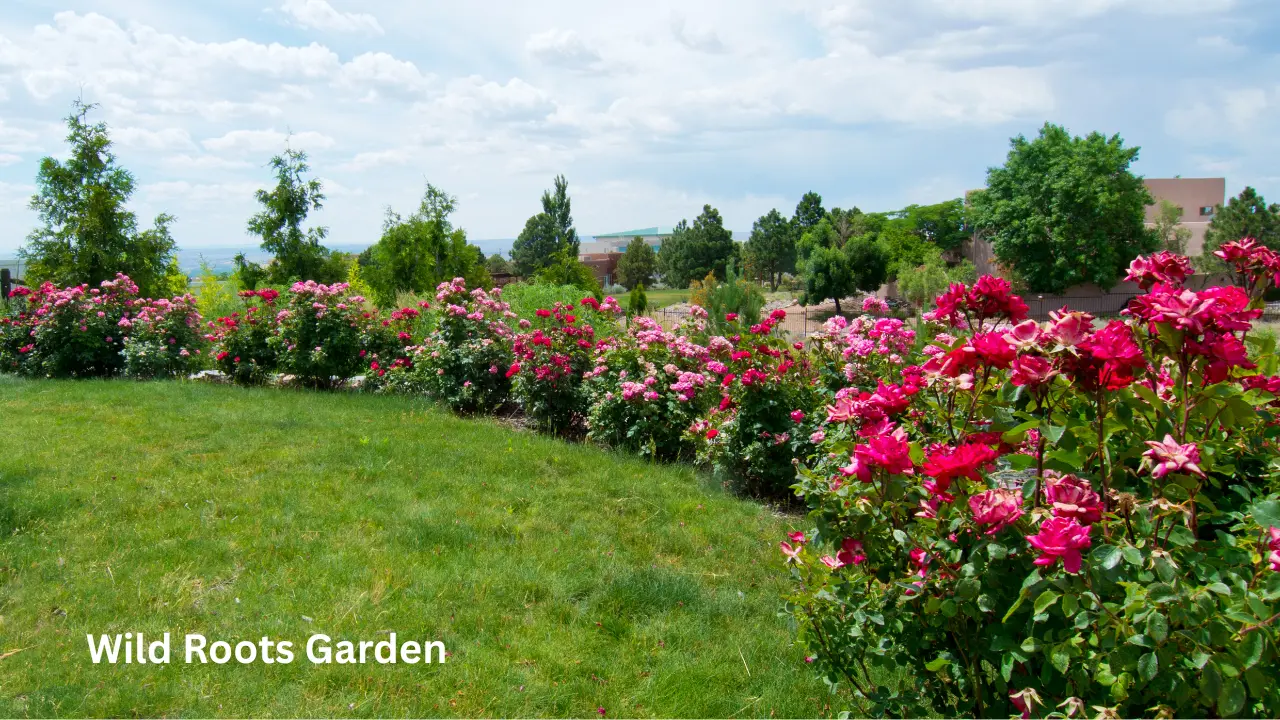
1. Petunias: Colorful and Adaptable
Petunias are a popular choice for Florida gardens because they bloom profusely and come in a wide variety of colors. They’re relatively easy to care for and can tolerate various conditions. Petunias are excellent choices for hanging baskets, containers, or even in the ground, adding vibrant color to any space. The secret to their success lies in regular watering and deadheading, which encourages continuous blooming.
Key Features of Petunias:
-
- Variety: Petunias come in countless colors, patterns, and sizes. You can find single-petal, double-petal, ruffled, and fringed varieties. This allows for diverse design options.
There are types like Wave Petunias, known for their spreading habit, and Grandiflora petunias, which have large, showy flowers.
-
- Sunlight Needs: Petunias thrive in full sun, meaning they need at least six hours of direct sunlight each day. This is essential for their vibrant blooms and overall health.
In Florida’s intense sunlight, consider providing some afternoon shade, especially during the hottest months.
-
- Maintenance: Regular deadheading (removing faded flowers) is crucial for promoting new blooms. Water deeply when the soil starts to dry out, especially during hot weather.
Fertilize every few weeks with a balanced fertilizer to support their growth and flowering.
2. Impatiens: Shade-Loving Beauty
If you have shady areas in your Florida garden, impatiens are the perfect choice. They are known for their bright, cheerful blooms and ability to thrive in areas with limited sunlight. Impatiens are available in a range of colors and bloom throughout the year in many Florida locations. They are great for adding a pop of color to shaded garden beds and containers.
Tips for Growing Impatiens:
-
- Shade Preference: Impatiens flourish in partial to full shade. Too much sun can scorch their leaves, so protect them from direct sunlight.
This makes them an excellent option for under trees or in areas that receive filtered sunlight.
-
- Watering Requirements: Keep the soil consistently moist but not waterlogged. Impatiens need regular watering, particularly during dry spells.
Water at the base of the plants to avoid wetting the foliage, which can lead to fungal diseases.
-
- Soil Conditions: Well-draining soil is important to prevent root rot. Add compost or organic matter to improve the soil’s structure and drainage.
Fertilize monthly with a balanced fertilizer to encourage abundant flowering.
3. Geraniums: Classic and Versatile
Geraniums are another popular choice, offering a classic touch to any garden. They are known for their vibrant blooms and ability to withstand various conditions, including heat and some drought. Geraniums can be grown in containers, window boxes, or garden beds, providing a burst of color. Their versatility and resilience make them a favorite among Florida gardeners.
Understanding Geranium Care:
-
- Sunlight and Location: Geraniums do best in full sun, needing at least six hours of direct sunlight daily. This is important for their development and flowering.
Choose a spot in your garden that receives ample sunlight for the best results.
-
- Watering and Soil Needs: Water geraniums deeply when the soil is dry to the touch. They prefer well-draining soil to prevent root rot.
Allow the soil to dry out between waterings to avoid overwatering, and consider amending the soil with organic matter.
-
- Deadheading and Maintenance: Regular deadheading is essential for encouraging continuous blooms. Remove faded flowers to promote new growth.
Fertilize monthly with a balanced fertilizer, and pinch back the stems to encourage a bushier growth habit.
4. Marigolds: Cheerful and Pest-Resistant
Marigolds are known for their bright, cheerful flowers and their ability to repel certain pests, making them a great addition to any Florida garden. They are relatively low-maintenance, easy to grow, and bloom for an extended period. Marigolds also come in a variety of colors, adding vibrant accents to your flower beds.
Key Points for Marigold Cultivation:
-
- Sunlight and Planting: Marigolds love the sun, so plant them in a spot that gets at least six hours of direct sunlight per day. Direct sunlight is key for vibrant blooms.
They can be grown from seeds or seedlings, and are often a first choice for beginners.
-
- Watering and Soil: Water marigolds regularly, especially during dry spells, keeping the soil moist but not soggy. Well-draining soil is essential to prevent root rot.
Amend the soil with compost to help with drainage and add nutrients.
-
- Pest Control: Marigolds act as a natural pest repellent. Planting them near vegetables or other flowers can help protect them from unwanted insects.
They help repel nematodes and certain other pests due to their strong scent.
5. Zinnias: Vibrant and Attracts Pollinators
Zinnias are a fantastic choice for Florida gardens, offering a burst of vibrant color and attracting butterflies and other pollinators. They’re available in a wide array of colors and sizes. Zinnias are relatively low-maintenance, making them a good choice for both new and experienced gardeners. Zinnias provide a continuous supply of fresh cut flowers.
Growing Zinnias Successfully:
-
- Sunlight Requirements: Zinnias need full sun, requiring at least six hours of direct sunlight daily for the best blooms. Sunlight is a key factor.
Choose a location in your garden where they will receive ample sunlight.
-
- Watering and Soil Conditions: Water zinnias deeply and regularly, especially during dry periods. Well-draining soil is crucial to prevent root rot.
Amend the soil with compost to improve drainage and add nutrients. Ensure the area isn’t overly wet.
-
- Deadheading and Propagation: Deadheading spent flowers will encourage more blooms. Cut the flowers for your enjoyment.
Collect seeds from the dried flower heads for propagation, to have more of these flowers in the upcoming seasons.
6. Lantana: Butterfly Magnet and Heat-Tolerant
Lantana is a fantastic plant for Florida gardens, known for its ability to attract butterflies and its tolerance for heat and humidity. These plants come in a variety of colors and are very easy to care for, making them a great choice for Florida gardeners. Lantana flowers add a burst of color to gardens and also provide a valuable nectar source for pollinators.
Lantana Cultivation Tips:
-
- Sunlight and Planting: Lantana thrives in full sun, requiring at least six to eight hours of direct sunlight. Sunlight is key to their success.
Lantana can be grown in the ground or in containers.
-
- Watering and Soil: Once established, lantana is drought-tolerant, but it still benefits from regular watering during dry spells. Well-draining soil is important.
Avoid overwatering, which can lead to root rot. Well-draining soil helps.
- Pruning and Maintenance: Prune lantana to shape it and encourage more blooms. Trim back the plant after the first flush of blooms.Deadheading spent flowers encourages further blooming. It can be lightly trimmed to give it your desired shape.
7. Pentas: Star-Shaped Blooms and Pollinator Appeal
Pentas, with their star-shaped flowers, are a beautiful addition to any Florida garden. They attract butterflies and hummingbirds, adding life and movement to your outdoor space. Pentas are relatively easy to care for and bloom continuously throughout the year in warm climates. Their vibrant blooms add beauty and provide a valuable food source for pollinators.
Details on Growing Pentas:
-
- Sunlight and Shade: Pentas thrive in full sun but can tolerate partial shade, especially during the hottest parts of the day. They prefer sunlight.
In Florida, provide some afternoon shade if possible, especially during the summer months.
-
- Watering and Soil: Water pentas regularly, especially during dry spells. They prefer well-draining soil to prevent root rot.
Amend the soil with compost to improve drainage and add nutrients. Prevent water from building up.
-
- Deadheading and Fertilizing: Deadheading spent flowers encourages more blooms. Trim back stems after flowering to promote bushier growth.
Fertilize regularly with a balanced fertilizer to support flowering and plant health.
8. Hibiscus: Tropical Beauty and Bold Blooms
Hibiscus, with their large, showy flowers, bring a touch of tropical beauty to Florida gardens. They come in a wide range of colors and sizes. These beautiful flowers are a favorite among Florida gardeners, with their vibrant blooms and impressive appearance. The flowers are stunning.
Caring for Hibiscus:
-
- Sunlight and Location: Hibiscus needs full sun to thrive, requiring at least six hours of direct sunlight daily. Sunlight is essential for abundant blooming.
Choose a location in your garden where it will receive ample sunlight.
-
- Watering and Soil: Water regularly, especially during dry spells, keeping the soil moist but not soggy. Well-draining soil is important to prevent root rot.
Apply mulch around the plant to help retain moisture and regulate soil temperature.
-
- Pruning and Fertilizing: Prune hibiscus to shape the plant and encourage new growth. Fertilize regularly with a balanced fertilizer to support flowering.
Prune in late winter or early spring before new growth appears. Be careful about your pruning.
9. Mandevilla: Climbing Vine with Spectacular Blooms
Mandevilla is a climbing vine known for its spectacular, trumpet-shaped flowers. They are a great choice for adding vertical interest to your garden. Mandevilla flowers are a favorite among Florida gardeners due to their climbing habit. The flowers offer a burst of color and provide a beautiful, fragrant display.
Cultivating Mandevilla Vines:
-
- Sunlight and Support: Mandevilla thrives in full sun, requiring at least six hours of direct sunlight daily. They need support to climb.
Provide a trellis, arbor, or other structure for the vine to climb.
-
- Watering and Soil: Water regularly, especially during dry spells, keeping the soil consistently moist but not soggy. Well-draining soil is crucial.
Ensure the soil drains well to avoid root rot. Use mulch around the base of the plant.
-
- Pruning and Fertilizing: Prune mandevilla to control its size and encourage more blooms. Fertilize regularly with a balanced fertilizer.
Prune after flowering to encourage bushier growth. Fertilize frequently to support bloom production.
10. Plumeria: Fragrant and Beautiful
Plumeria, also known as frangipani, are known for their fragrant flowers and tropical appeal. They’re a favorite among Florida gardeners. Plumeria are easy to care for and bloom throughout the warm months. Plumeria provide a wonderful scent, and their flowers are used in leis and perfumes.
Plumeria Care Tips:
-
- Sunlight and Location: Plumeria need full sun, requiring at least six hours of direct sunlight daily. Direct sunlight is key.
Choose a location in your garden where they will receive ample sunlight.
-
- Watering and Soil: Water regularly during the growing season, allowing the soil to dry out between waterings. Well-draining soil is important.
Avoid overwatering, which can lead to root rot. Water less frequently in the winter.
-
- Pruning and Fertilizing: Prune plumeria to shape the tree and encourage more blooms. Fertilize regularly with a balanced fertilizer.
Prune after the flowering season. Fertilize during the growing season.
Common Myths Debunked
Myth 1: Florida gardens are all the same, so any flower will grow.
The reality is that Florida’s climate varies significantly across different regions. South Florida has warmer temperatures year-round, while North Florida experiences more distinct seasons with occasional cold snaps. Soil conditions and local microclimates also play a key role in which flowers thrive. This means that a flower that flourishes in Miami may not perform well in Jacksonville, or even Orlando. Before planting, it’s essential to research your specific area’s conditions and choose plants best suited to them, ensuring the most success in your garden. Also, consider soil type; sandy soil requires different amendments than clay soil.
Myth 2: All flowers in Florida need the same amount of water.
The truth is that water requirements vary widely among different flower types. Some, like zinnias and petunias, need consistent moisture. Others, like lantana and plumeria, are drought-tolerant once established. Overwatering can lead to root rot, while underwatering can cause wilting and stunted growth. It’s important to research each plant’s specific needs and water accordingly. Monitoring the soil moisture and adjusting your watering schedule with the weather is critical. Always check the soil. Dig a few inches down to see if it’s dry before watering again. Different weather conditions and seasons, like the dry season versus the wet season, affect watering.
Myth 3: You can’t have a vibrant garden during the winter months.
This is completely untrue. Many flowers thrive in Florida’s mild winters. Geraniums, petunias, and pansies are just a few examples that continue to bloom during the cooler months. The key is to select the right plants that are adapted to the cooler temperatures. Planting a mix of annuals and perennials that bloom at different times throughout the year is important to have a continuous display of color, even when other areas might be brown. Some flowers, like impatiens, like shade, while others enjoy more sun. It is possible to have an amazing winter garden. Plan your garden to match the season.
Myth 4: Fertilizers are unnecessary in Florida’s fertile soil.
Florida’s sandy soil often lacks essential nutrients that many flowers need to flourish. Fertilizers are a key element to improving soil quality. Even though Florida soil can appear rich, it often has a low organic content and is quickly depleted of nutrients due to frequent rainfall. Using a balanced fertilizer appropriate for the plant type is often crucial. Adding organic matter, like compost, can also improve soil structure and help plants absorb nutrients. Regular fertilization supports healthy growth and more vibrant blooms. Choose fertilizers that work for the specific needs of your plants.
Myth 5: All flowers are susceptible to the same pests and diseases.
Different flowers have varying degrees of susceptibility to pests and diseases. While some, like marigolds, can deter pests, others may be more prone to issues such as aphids, spider mites, or fungal diseases. Understanding which pests and diseases are common in your area and knowing the vulnerabilities of the flowers you choose helps prevent problems. Regularly inspect your plants for signs of trouble, and take appropriate measures, such as using insecticidal soap, neem oil, or other treatments. Proper airflow, sunlight exposure, and soil drainage also play a role in disease prevention. Preventing issues early leads to less work. Always have a plan.
Frequently Asked Questions
Question: What is the best time to plant flowers in Florida?
Answer: For many flowers, the best time to plant is in the fall or early spring. This allows them to establish roots before the heat of summer arrives.
Question: How much sunlight do flowers in Florida need?
Answer: The amount of sunlight varies depending on the flower. However, most flowers in Florida need at least six hours of sunlight per day.
Question: What type of soil is best for flowers in Florida?
Answer: Well-draining soil is essential. Amend sandy soil with compost or organic matter to improve its structure and nutrient content.
Question: How often should I water my flowers?
Answer: Watering frequency depends on the flower type, the weather, and the soil conditions. Water deeply when the soil is dry to the touch.
Question: How can I protect my flowers from pests?
Answer: Regularly inspect your flowers for pests and diseases. Use insecticidal soap, neem oil, or other treatments as needed. Plant pest-resistant flowers.
Final Thoughts
Cultivating the best flowers to grow in Florida all year round can be a source of immense satisfaction, enhancing your home and life. Selecting the appropriate blossoms is the first step. By considering factors like sunlight, water needs, and soil conditions, you can create a beautiful garden. You can enjoy a continuous show of color and fragrance by choosing a variety of plants that bloom at different times of the year. From vibrant petunias to elegant hibiscus, Florida offers a broad range of options for every gardener. With proper care and attention, you can transform your outdoor space into a personal sanctuary.