This guide provides comprehensive information on how to successfully plant hibiscus in Florida, covering the best time to plant, ideal soil conditions, proper care, and troubleshooting common issues, ensuring vibrant blooms in your Florida garden.
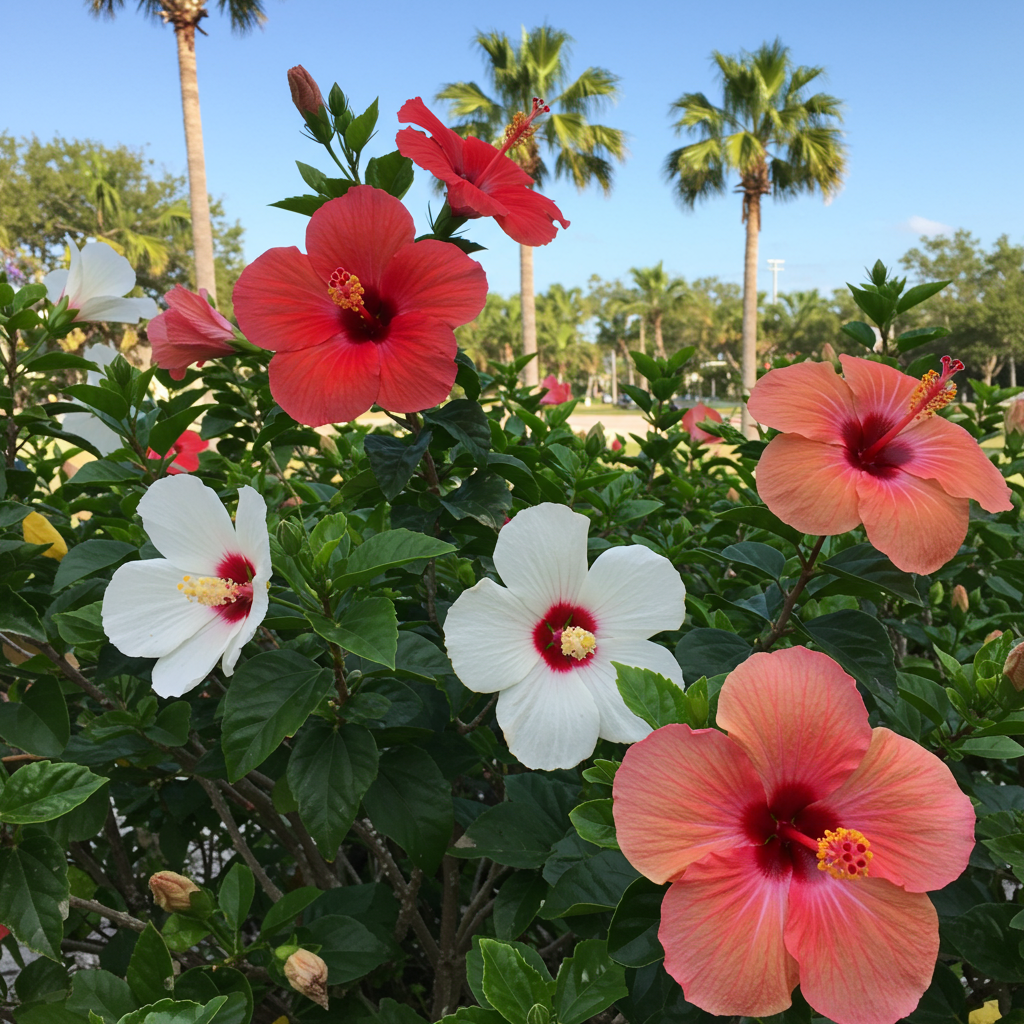
Hibiscus, with its vibrant, trumpet-shaped flowers, is a beloved plant in Florida landscapes. Known for its tropical charm, hibiscus adds a splash of color and elegance to any garden, patio, or poolside. However, successful hibiscus cultivation in Florida requires understanding the state’s unique climate and specific planting guidelines. This guide delves into the specifics of planting hibiscus in Florida, ensuring your hibiscus thrives and rewards you with abundant, breathtaking blooms.
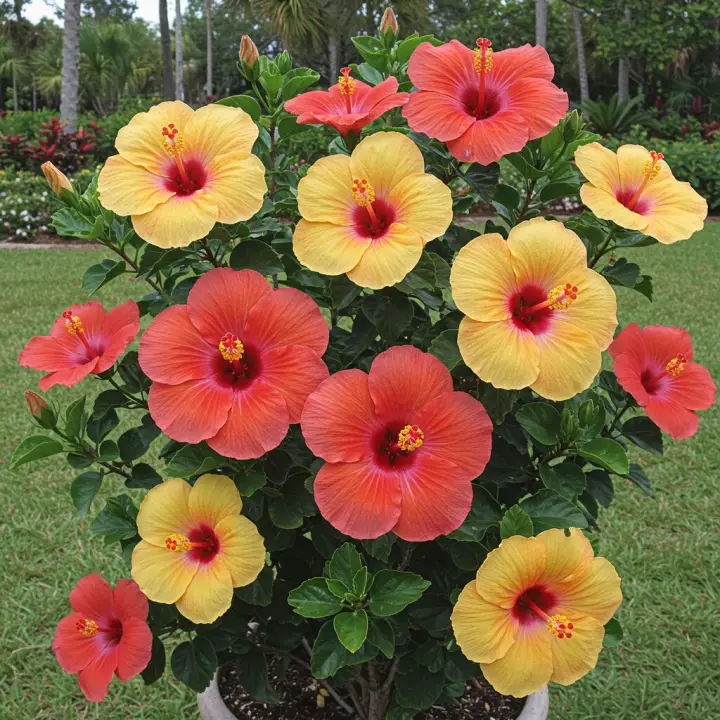
When to Plant Hibiscus in Florida
The optimal time to plant hibiscus in Florida is during the spring, ideally between March and May. This period offers warm temperatures and consistent rainfall, providing ideal conditions for root establishment and minimizing transplant shock. Planting during the spring allows the hibiscus to acclimatize to its new environment and develop a strong root system before facing the intense summer heat.
Why Spring is the Best Time
Warm Soil Temperatures: Springtime soil temperatures in Florida are ideal for root growth.
Consistent Rainfall: Spring typically brings regular rainfall, reducing the need for frequent watering.
Reduced Transplant Shock: The milder spring weather helps minimize stress on the newly planted hibiscus.
Time to Establish Roots: Planting in spring gives the hibiscus enough time to establish a healthy root system before the onset of summer.
Choosing the Right Hibiscus Variety for Florida
Florida’s diverse climate allows for the cultivation of various hibiscus varieties. Choosing the right variety is crucial for successful growth and abundant flowering.
Popular Hibiscus Varieties for Florida:
Hardy Hibiscus: These deciduous varieties can tolerate colder temperatures and are ideal for North and Central Florida.
Tropical Hibiscus: These evergreen varieties thrive in South Florida’s warm, humid climate and are known for their large, vibrant blooms.
Native Hibiscus: Species like the Swamp Hibiscus (Hibiscus coccineus) are naturally adapted to Florida’s environment and offer low-maintenance beauty.
Considering Your Microclimate:
Even within Florida, microclimates can vary significantly. Coastal areas experience higher humidity and salt spray, while inland areas may have more temperature fluctuations. Research your specific microclimate and choose a hibiscus variety that is best suited to those conditions.
Preparing the Soil for Hibiscus Planting
Hibiscus requires well-draining soil rich in organic matter. Proper soil preparation is vital for healthy growth and abundant blooms.
Steps for Soil Preparation:
Soil Testing: Conduct a soil test to determine its pH and nutrient levels. Hibiscus prefers slightly acidic soil with a pH between 6.0 and 7.0.
Amending the Soil: Incorporate organic matter such as compost, peat moss, or well-rotted manure to improve soil structure, drainage, and nutrient content.
Adding Drainage: If your soil has poor drainage, amend it with perlite or sand to improve drainage and prevent root rot.
Planting Your Hibiscus: A Step-by-Step Guide
Proper planting techniques are crucial for the successful establishment of your hibiscus.
Digging the Hole: Dig a hole twice as wide and as deep as the hibiscus’s root ball.
Positioning the Plant: Carefully place the hibiscus in the hole, ensuring the top of the root ball is level with the surrounding soil.
Backfilling: Fill the hole with the amended soil, gently firming it around the roots.
Watering: Water deeply after planting to settle the soil and encourage root growth.
Caring for Your Hibiscus
Once planted, proper care is essential for maintaining a healthy and flourishing hibiscus.
Watering:
Hibiscus requires regular watering, especially during dry periods. Water deeply and thoroughly, allowing the soil to dry slightly between waterings. Avoid overwatering, which can lead to root rot.
Fertilizing:
Regular fertilization is essential for promoting healthy growth and vibrant blooms. Use a balanced, slow-release fertilizer formulated for flowering plants. Apply fertilizer during the growing season, typically from spring to fall.
Pruning:
Pruning helps maintain the hibiscus’s shape, encourages branching, and promotes more blooms. Prune in late winter or early spring, before new growth emerges. Remove dead, damaged, or crossing branches.
Pest and Disease Control:
Monitor your hibiscus regularly for signs of pests and diseases. Common pests include aphids, spider mites, and whiteflies. Treat infestations promptly with appropriate insecticides or horticultural oils.
FAQs about Planting Hibiscus in Florida
Q: Can I plant hibiscus in a container in Florida?
A: Yes, hibiscus can thrive in containers, especially in colder regions or where space is limited. Choose a large container with good drainage and use a high-quality potting mix.
Q: How often should I water my hibiscus in Florida?
A: Watering frequency depends on various factors, including temperature, rainfall, and soil type. Generally, hibiscus requires watering 1-2 times per week during dry periods. Check the soil moisture regularly and adjust watering accordingly.
Q: Why are my hibiscus leaves turning yellow?
A: Yellowing leaves can have multiple causes, including overwatering, underwatering, nutrient deficiencies, or pest infestations. Inspect your plant carefully and address the underlying issue.
Q: When should I fertilize my hibiscus in Florida?
A: Fertilize your hibiscus during the growing season, typically from spring to fall. Use a balanced, slow-release fertilizer formulated for flowering plants.
Q: How can I protect my hibiscus from frost damage?
A: During periods of frost, cover your hibiscus with a blanket or sheet to protect it from cold temperatures. Move containerized hibiscus to a sheltered location.
Conclusion: Hibiscus – A Florida Garden Gem
Planting and caring for hibiscus in Florida can be a rewarding experience. By following the guidelines outlined in this guide, you can ensure your hibiscus thrives, adding a touch of tropical beauty and vibrant color to your Florida landscape for years to come. Remember to select the right variety for your specific microclimate, prepare the soil adequately, and provide consistent care. With proper attention, your hibiscus will reward you with a profusion of stunning blooms, transforming your garden into a tropical paradise.