Are you looking to transform your fence line in Florida into a beautiful, natural barrier? Choosing the right plants can make all the difference.
The right greenery not only adds privacy and curb appeal but also thrives in Florida’s unique climate. You’ll discover the best plants that suit your fence line perfectly—easy to grow, low maintenance, and stunning year-round. Keep reading to find the perfect match for your outdoor space and make your fence line the envy of your neighborhood.
Choosing Plants For Florida Fences
Choosing plants for Florida fences requires care and thought. The right plants add beauty and privacy. They also must handle Florida’s unique weather and soil. This guide helps you pick plants that thrive and look great along your fence line.
Climate Considerations
Florida’s climate is warm and humid. Summers are hot, and winters are mild. Choose plants that tolerate heat and occasional cold snaps. Salt spray affects coastal areas, so pick salt-tolerant species there. Drought-resistant plants save water during dry spells. Native plants often adapt best to local weather.
Soil And Sunlight Needs
Florida soil varies but is often sandy and low in nutrients. Some plants need well-drained soil. Others prefer richer, moist soil. Check the sunlight where your fence stands. Full sun plants need at least six hours of direct light. Shade-tolerant plants grow well under trees or in shadowed spots. Match plants to your soil and light conditions.
Maintenance Tips
Fence plants need regular care to stay healthy. Water new plants often until roots establish. Mulch helps keep soil moist and cool. Prune plants to keep shape and size controlled. Watch for pests and diseases and treat early. Choose low-maintenance plants for easier care and lasting beauty.
Evergreen Shrubs For Year-round Privacy
Evergreen shrubs are perfect for creating privacy all year long in Florida. They keep their leaves through every season. This makes them ideal for fence lines. These plants block views and reduce noise. They also add beauty with green foliage.
Choosing the right evergreen shrubs helps maintain a natural screen. They handle Florida’s heat and humidity well. Below are some top choices that thrive in this climate.
Podocarpus
Podocarpus grows tall and dense. It has narrow, dark green leaves that look neat. This shrub can reach 20 feet or more. It is low-maintenance and drought tolerant. Podocarpus fits well along fences and property lines.
Clusia
Clusia has thick, waxy leaves that resist pests. It grows quickly and forms a solid wall. This shrub tolerates salt spray near the coast. Clusia’s dark green leaves stay vibrant all year. It also produces small white flowers in spring.
Viburnum
Viburnum offers dense, lush foliage for privacy. It grows 6 to 15 feet tall. This shrub blooms with clusters of white flowers. Birds love Viburnum berries in fall. It adapts well to sun or partial shade.
Flowering Plants To Enhance Beauty
Flowering plants bring color and charm to any fence line in Florida. They attract butterflies and bees, adding life to your garden. These plants also create a natural screen with beauty and fragrance. Choose plants that thrive in Florida’s warm climate and add lasting appeal.
Hibiscus
Hibiscus is a popular flowering shrub for Florida fences. Its large, bright flowers bloom almost year-round. Colors range from red to pink, yellow, and white. Hibiscus plants grow quickly and provide good coverage. They thrive in full sun and well-drained soil. This plant attracts hummingbirds and butterflies, enhancing garden life.
Bougainvillea
Bougainvillea is a vibrant vine perfect for climbing fences. It produces clusters of colorful bracts in purple, pink, orange, and white. This plant loves the sun and heat of Florida’s climate. Bougainvillea grows fast and creates a dense, flowering cover. It is drought-tolerant and requires little care once established.
Jasmine
Jasmine offers delicate, fragrant flowers that brighten fence lines. Its small white or yellow blooms fill the air with a sweet scent. This vine grows well in Florida’s warm weather and partial shade. Jasmine adds a soft, elegant look to fences. It attracts pollinators and can be trained to climb or trail.
Fast-growing Options For Quick Coverage
Fast-growing plants offer quick privacy and beauty along your fence line. They cover bare spots in weeks, not months. These plants save time and effort. They also provide shade and reduce noise fast.
Choosing the right fast grower matters. Some plants suit Florida’s warm climate better. They handle heat, humidity, and occasional storms. Below are three top picks for quick coverage.
Bamboo
Bamboo grows rapidly and creates a dense screen. It can reach heights of 20 feet or more. This plant thrives in Florida’s soil and sun. Bamboo needs regular watering but resists drought well. It blocks noise and wind effectively. Choose clumping varieties to control spread.
Ficus
Ficus is a popular hedge plant in Florida. It grows fast, filling gaps quickly. Its thick leaves provide excellent privacy. Ficus tolerates heat and humidity with ease. Trim it often to keep the shape neat. It does well in full or partial sun.
Privet
Privet is a classic fast-growing shrub. It forms a solid green wall along fences. This plant adapts well to Florida’s climate. It grows about 2 feet per year under good care. Privet flowers attract butterflies and birds. Regular pruning keeps it dense and tidy.
Native Plants That Thrive Along Fences
Native plants grow well along fences in Florida. They suit the soil and weather perfectly. These plants need less water and care. They also help local wildlife like birds and butterflies. Choosing native plants makes your fence line green and healthy.
Saw Palmetto
Saw Palmetto is a tough, low-growing palm. It has fan-shaped leaves with sharp edges. This plant handles dry and sandy soils well. Saw Palmetto provides good cover for birds and small animals. It adds a wild, natural look to fences.
Wax Myrtle
Wax Myrtle is a fast-growing shrub with fragrant leaves. It can grow tall to block views and wind. The plant produces berries that birds love to eat. It also cleans the air by absorbing pollutants. Wax Myrtle works well as a privacy screen along fences.
Coontie
Coontie is a small, hardy ground cover. It has stiff, fern-like leaves that stay green year-round. This plant grows well in shade and sun. Coontie is a food source for native butterflies. It helps stop soil erosion near fence lines.
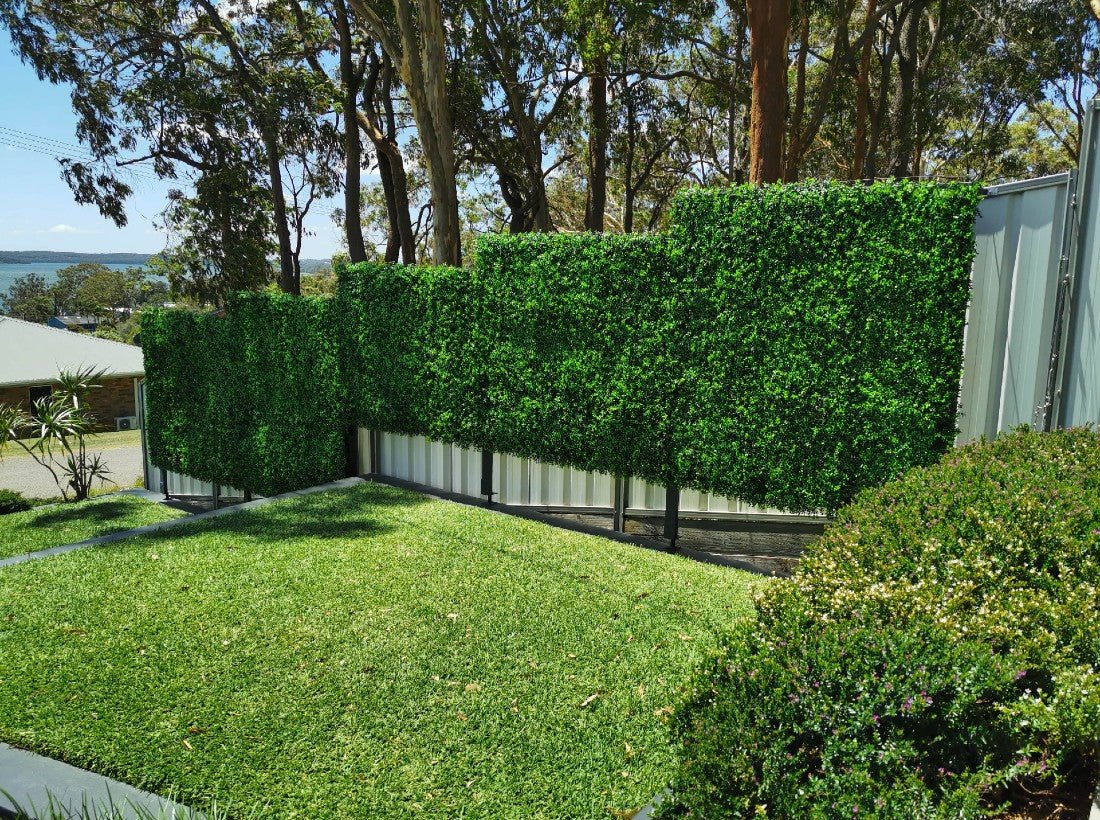
Credit: designerplants.com
Vines And Climbers For Vertical Privacy
Vines and climbers create great vertical privacy along fence lines in Florida. They grow quickly and cover spaces with leaves and flowers. These plants add beauty and shade to your yard. They also help block noise and reduce wind.
Choosing the right vine for Florida’s warm climate is important. Many vines thrive in heat and humidity. They can climb fences, trellises, or walls easily. Here are some top picks for vines that work well for privacy in Florida.
Confederate Jasmine
Confederate Jasmine is a popular choice for Florida gardens. It has dark green leaves and small white flowers. The flowers smell sweet and attract bees and butterflies. This vine grows fast and covers fences well. It stays green all year and handles heat easily.
Trumpet Vine
Trumpet Vine produces bright orange-red flowers that attract hummingbirds. It grows very fast and spreads wide. This vine climbs fences and walls with strong tendrils. It can handle Florida’s sun and dry spells. Trumpet Vine adds color and privacy quickly.
Passionflower
Passionflower is known for its exotic, unique flowers. The blooms come in purple, blue, or white shades. This vine grows well in Florida’s climate. It climbs fences and trellises with ease. Passionflower also attracts butterflies and bees to your garden.
Tips For Planting And Care
Proper planting and care help your fence line plants thrive in Florida’s climate. Good practices improve growth and keep plants healthy. Follow these simple tips for best results.
Spacing And Arrangement
Give each plant enough space to grow. Crowded plants compete for water and sunlight. Arrange plants based on their size at full growth. Place taller plants behind shorter ones for a neat look. Proper spacing reduces disease risk and improves air flow.
Watering Schedule
Water plants deeply but less often. This helps roots grow strong. Early morning watering reduces evaporation loss. Adjust watering based on weather and soil moisture. Overwatering can cause root rot and weak plants.
Pest Control
Check plants regularly for pests and damage. Remove insects by hand or use natural sprays. Healthy plants resist pests better. Avoid harsh chemicals to protect beneficial insects. Keep the area clean to prevent pest hiding places.

Credit: www.reddit.com
Credit: eureka-farms.com
Frequently Asked Questions
What Are The Best Shrubs For Florida Fence Lines?
Florida-friendly shrubs like Viburnum, Podocarpus, and Firebush thrive along fence lines. They handle heat, humidity, and occasional drought well, providing privacy and beauty.
How Tall Do Florida Fence Line Plants Grow?
Fence line plants in Florida vary from 3 to 15 feet. Choose species like Clusia or Simpson’s stopper for taller privacy, or smaller shrubs for decorative borders.
Can Native Plants Thrive Along Florida Fences?
Yes, native plants like Saw Palmetto and Coontie adapt well to Florida’s soil and climate. They require less water and care, supporting local wildlife and reducing maintenance.
How Often Should Fence Line Plants Be Watered In Florida?
Water new plants 2-3 times weekly until established. Mature plants need watering once a week during dry spells, adjusting for rainfall and plant type.
Conclusion
Choosing the right plants can make your fence line beautiful and strong. Florida’s climate suits many tough and colorful plants. These plants need little care but give great privacy and shade. They also help keep bugs away and attract birds.
Planting along your fence can make your yard feel cozy and fresh. Try different plants to find what grows best for you. Your fence line can become a lively, green space everyone enjoys. Start planting today and watch your fence come alive.