If you live in South Florida and want to grow your own vegetables, you probably wonder which ones will thrive in this warm, humid climate. Choosing the right vegetables can make the difference between a garden full of fresh, tasty produce and one that struggles to grow.
You want plants that can handle the heat, resist pests, and produce a good harvest all year round. You’ll discover the best vegetables to grow in South Florida—crops that suit the local weather and soil perfectly. Whether you’re a seasoned gardener or just starting out, this guide will help you pick the right veggies to make your garden a success.
Keep reading to find out which vegetables will flourish in your South Florida garden and how to get started growing them today!
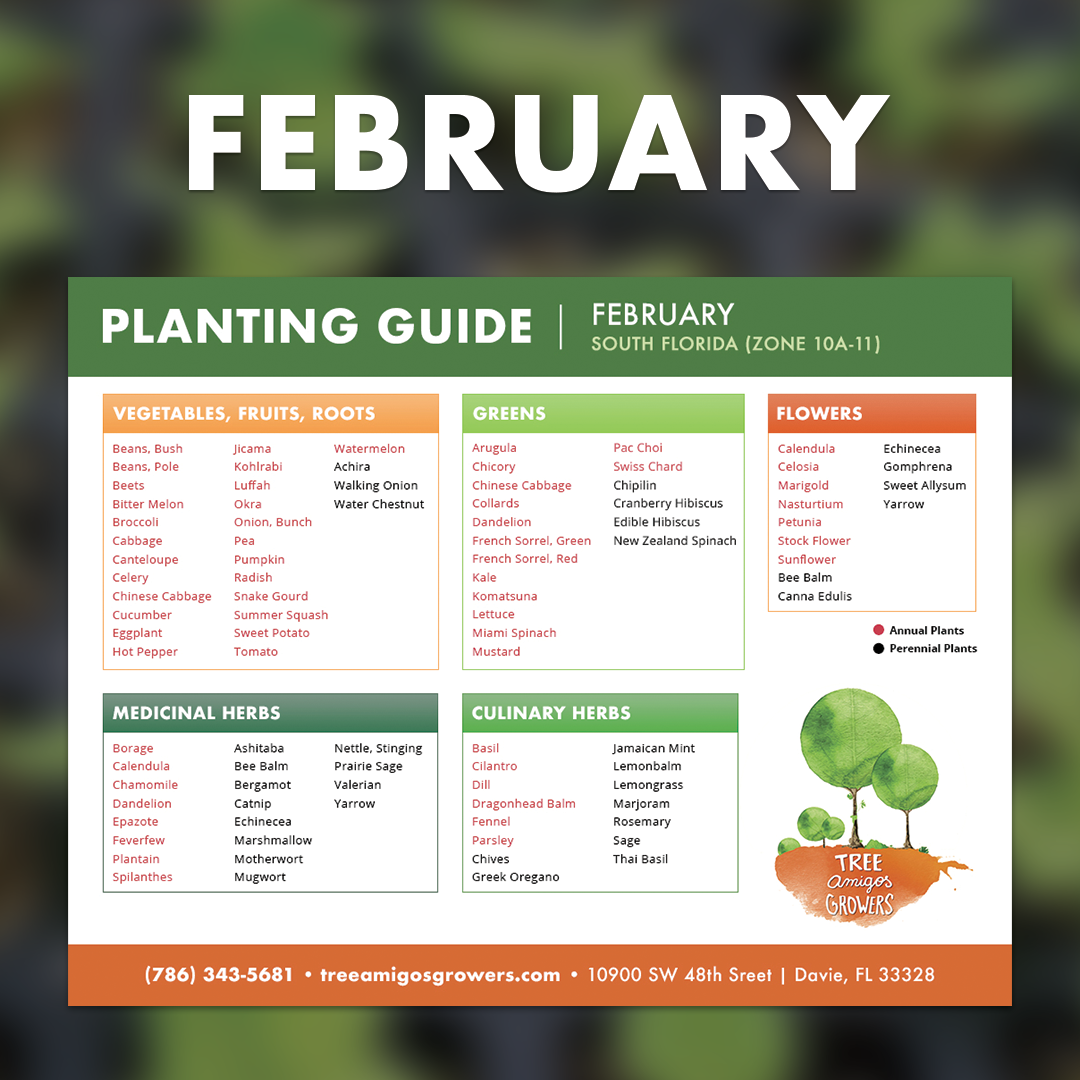
Credit: www.treeamigosgrowers.com
Warm-season Vegetables
South Florida’s warm climate suits many vegetables that thrive in heat. Warm-season vegetables grow best during hot months. They tolerate sun, humidity, and occasional dry spells. Choosing the right varieties helps gardeners get better harvests. These vegetables produce well in South Florida’s long, hot growing season.
Tomato Varieties For Heat
Tomatoes need special types to handle South Florida heat. Look for heat-tolerant varieties like ‘Heatmaster’ and ‘Solar Fire.’ These tomatoes resist sunburn and keep producing fruit. Plant them where they get some afternoon shade. Consistent watering helps prevent cracking and blossom drop. Mulching keeps roots cool and moist.

Hot And Sweet Peppers
Peppers love warm weather and grow well in South Florida. Both hot and sweet peppers thrive here. Varieties like jalapeño, habanero, and bell peppers do well. They need full sun and well-drained soil. Regular watering encourages steady growth. Watch for pests like aphids and caterpillars.

Eggplant Growth Tips
Eggplants flourish in heat and humidity. Choose varieties like ‘Black Beauty’ or ‘Florida High Bush.’ They produce large, shiny fruits. Space plants about two feet apart for good air flow. Water deeply but less often to avoid root rot. Fertilize with balanced nutrients to support growth.

Okra’s Heat Tolerance
Okra is very heat-tolerant and thrives in hot conditions. It grows quickly and produces many pods. Plant seeds directly in warm soil. Keep soil moist but not soggy. Okra plants prefer full sun. Harvest pods when young and tender for best flavor.
Sweet Corn Planting
Sweet corn grows best in warm, sunny spots. Plant seeds in blocks for better pollination. South Florida’s soil warms early, allowing early planting. Water regularly to keep soil moist. Fertilize with nitrogen-rich food to support tall stalks. Harvest ears when silks turn brown.
Cucumber Varieties
Cucumbers enjoy heat but need some shade in peak sun. Varieties like ‘Marketmore’ and ‘Bush Champion’ do well. Provide a trellis or support for vining types. Water consistently to prevent bitterness. Mulch to retain moisture and reduce weeds.
Summer And Winter Squash
Summer squash grows fast in warm weather. Zucchini and yellow squash are popular choices. Plant in rich, well-drained soil. Water regularly to keep fruits tender. Winter squash, like butternut, takes longer but stores well. Both need full sun and space to spread out.
Cool-season Vegetables
South Florida’s mild winters create the perfect chance to grow cool-season vegetables. These crops thrive in cooler temperatures and shorter daylight hours. They bring fresh flavors and nutrition to your kitchen during fall and winter months.
Planting cool-season vegetables helps avoid the intense summer heat that can stress many plants. Many of these vegetables are easy to grow and yield a rewarding harvest. They include leafy greens, root vegetables, and hearty brassicas.
Lettuce Types For Fall
Lettuce grows well in South Florida’s fall climate. Butterhead, Romaine, and leaf lettuce are popular types. Choose slow-bolting varieties to extend your harvest. Plant seeds or seedlings after the hottest months fade.
Kale Growing Guide
Kale thrives in cool weather and tolerates light frost. Sow seeds directly in the garden or start indoors. Space plants about 12 inches apart for good air circulation. Harvest outer leaves regularly to encourage new growth.
Starting Collards Indoors
Collards need a head start indoors before transplanting outside. Use seed trays with quality potting mix. Keep soil moist and warm for quick germination. Harden off seedlings before moving them to the garden beds.
Broccoli Planting Schedule
Broccoli prefers cooler temperatures between 60 and 70 degrees. Plant seeds in late summer or early fall for a winter harvest. Thin seedlings to 18 inches apart. Watch for pests like cabbage worms and remove them promptly.
Carrot Timing And Tips
Carrots grow best in loose, sandy soil. Sow seeds directly in raised beds or containers in fall. Keep soil moist until seeds sprout. Thin seedlings to avoid crowding and produce straight roots. Harvest carrots when they reach the desired size.
Fast-growing Radishes
Radishes mature quickly, often within 30 days. Plant seeds every two weeks for a continuous harvest. Choose round or elongated varieties suited for South Florida. Radishes prefer well-drained soil and consistent watering.
Bean Varieties For Fall
Beans grow well in South Florida’s cooler months. Try snap beans or bush beans for easy picking. Plant seeds after the last summer heat. Provide support for climbing varieties and keep soil evenly moist.
Potato Growing Basics
Potatoes need loose, well-drained soil and cooler temperatures. Plant seed potatoes in early fall. Cover with soil and hill up as plants grow. Harvest when foliage dies back. Avoid wet soil to prevent rot.
Cabbage Harvest Period
Cabbage heads form in about 70 to 90 days. Harvest when heads feel firm and tight. Cut at the base with a sharp knife. Leave outer leaves to protect the head during growth. Store cabbage in a cool place after picking.
Perennial Vegetables
Perennial vegetables are plants that grow and produce food year after year. They require less replanting and care compared to annual vegetables. In South Florida’s warm climate, many perennial vegetables thrive and provide fresh greens and roots throughout the year. These plants save time and space in your garden. They also help maintain soil health and support local wildlife.
Moringa Benefits
Moringa is a fast-growing tree that tolerates heat and drought well. Its leaves are rich in vitamins A, C, and calcium. People often use moringa leaves in salads, soups, or teas. The tree also produces pods called drumsticks, which are edible when cooked. Moringa improves soil quality and grows well in sandy or poor soils. It is an excellent choice for South Florida gardens.
Cassava Cultivation
Cassava is a root vegetable that grows well in warm, humid climates. It thrives in South Florida’s long growing season. Cassava roots are starchy and used to make flour or chips. The plant requires minimal water once established. It grows from cuttings, making it easy to propagate. Cassava helps prevent soil erosion with its strong root system. Be sure to cook cassava properly to remove natural toxins.
Growing Katuk
Katuk is a leafy green vegetable popular in tropical regions. It grows quickly and produces leaves year-round. Katuk leaves have a mild, nutty flavor and are rich in vitamins and protein. This plant prefers partial shade and well-drained soil. It tolerates heat and humidity well, fitting South Florida’s climate perfectly. Katuk can be harvested multiple times by picking young leaves.
Longevity Spinach Features
Longevity spinach is a vine-like plant that produces tender, nutritious leaves. It is easy to grow in South Florida’s warm weather. This vegetable is high in iron, calcium, and vitamins A and C. Longevity spinach can climb fences or trellises, saving garden space. It grows well in full sun or light shade. The leaves taste mild and can be eaten raw or cooked.
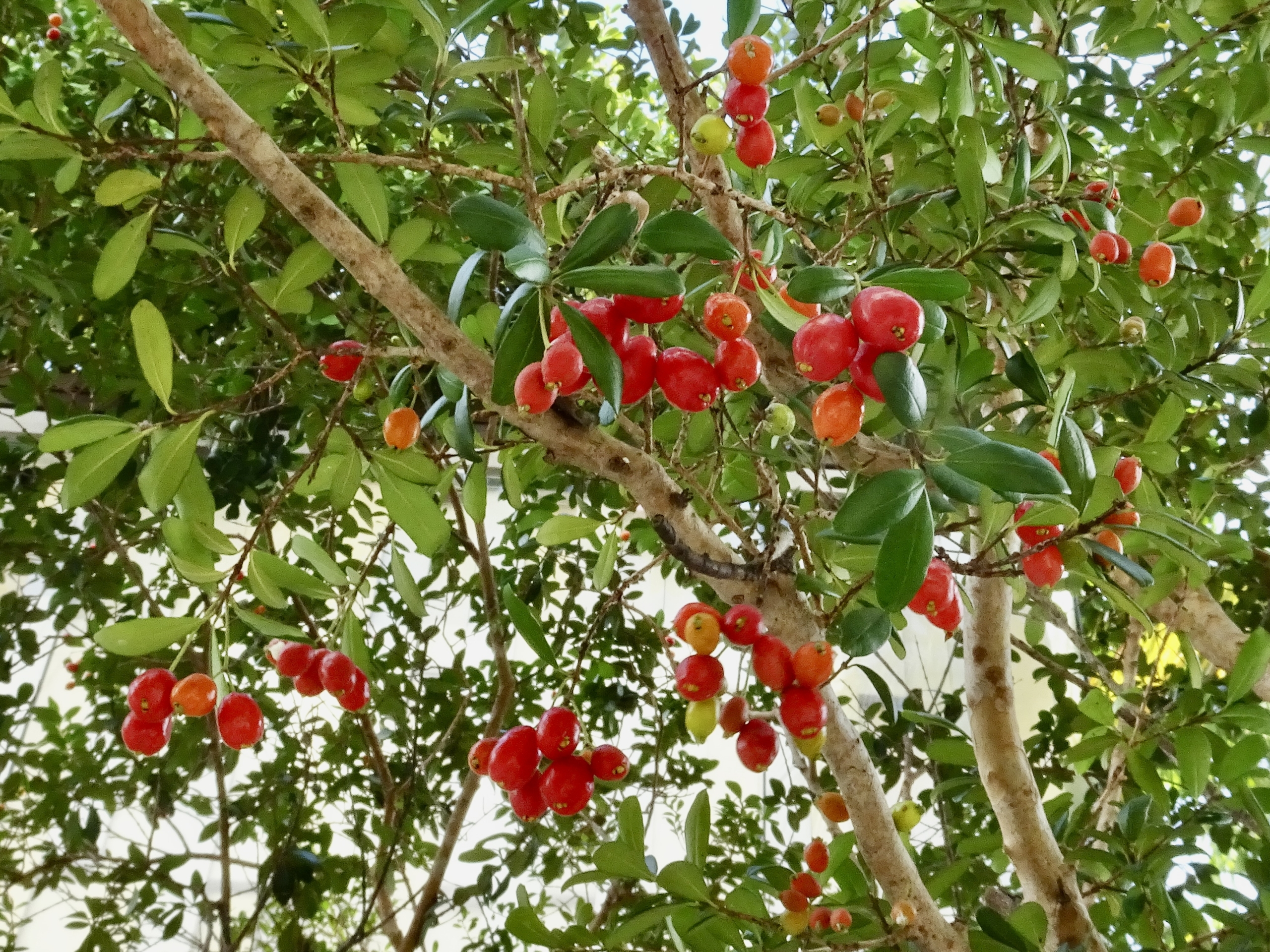
Credit: fairchildgarden.org
Planting Seasons In South Florida
South Florida’s warm climate allows gardeners to grow vegetables almost all year. Understanding the planting seasons helps you get the best harvest. Knowing when to plant different crops boosts growth and yield. The region supports both warm-season and cool-season vegetables. Timing is key to avoid heat stress or cold damage. Here are the main planting seasons for South Florida vegetable gardens.
Year-round Gardening
South Florida’s mild winters allow for gardening all year. You can grow leafy greens, herbs, and some root vegetables anytime. Perennial vegetables like moringa and longevity spinach thrive without seasonal breaks. Using raised beds or containers helps control soil conditions. Regular watering and mulch keep plants healthy through dry spells. Year-round gardening maximizes space and food production.
Best Fall Planting Practices
Fall is the prime season for cool-weather crops in South Florida. Plant broccoli, kale, carrots, and cabbage in late September to October. These vegetables grow well in cooler temperatures and shorter days. Prepare soil with compost to improve fertility before planting. Keep irrigation consistent to avoid stress during growth. Fall planting avoids summer heat that can harm sensitive crops.
Summer Crop Strategies
Summer in South Florida can be hot and humid. Choose heat-tolerant vegetables like okra, sweet potatoes, and eggplants. Start seeds indoors or use shade cloth to protect young plants. Water early in the morning to reduce evaporation and fungal diseases. Mulching conserves moisture and controls weeds. Proper summer care prevents heat stress and boosts vegetable yields.
Vegetables To Avoid In South Florida
South Florida’s hot and humid climate challenges many common vegetables. Some popular garden staples struggle to grow well here. Choosing the wrong crops can lead to poor harvests and wasted effort. Knowing which vegetables to avoid helps save time and resources.
Heat-sensitive Root Crops
Root vegetables like carrots, beets, and turnips do not handle South Florida heat well. They prefer cooler temperatures and loose, well-drained soil. The intense summer heat often causes these roots to become tough or bitter. Growing these crops in South Florida usually means planting in the cooler winter months only. Potatoes also fall into this category, as they need a cooler environment to thrive.
Alternatives To Traditional Staples
Instead of heat-sensitive roots, try warm-weather alternatives suited to South Florida. Sweet potatoes, cassava, and boniato grow well in hot climates. These crops tolerate heat and produce abundant yields. They offer similar nutritional value and culinary uses as traditional root vegetables. Choosing these options ensures a more successful and rewarding garden in South Florida’s climate.
Tips For Thriving Gardens
Growing vegetables in South Florida offers a unique challenge due to the region’s warm climate and high humidity. Creating a thriving garden requires smart strategies. These tips help your plants grow strong and healthy despite tough conditions. Focus on managing heat, preparing soil properly, and controlling pests to ensure your garden flourishes year-round.
Managing Heat And Humidity
South Florida’s heat can stress plants quickly. Choose heat-tolerant vegetable varieties like okra, sweet corn, and eggplant. Water early in the morning to reduce evaporation and help roots absorb moisture. Mulching keeps soil cool and retains water. Provide partial shade during the hottest parts of the day for sensitive crops. Good air circulation reduces humidity around plants and lowers disease risk.
Soil Preparation And Fertilization
Healthy soil means healthy plants. Test soil to check pH and nutrient levels. South Florida soil often needs organic matter to improve texture and fertility. Mix compost or well-rotted manure before planting. Use balanced fertilizers with nitrogen, phosphorus, and potassium for steady growth. Avoid over-fertilizing, which can harm plants and pollute water. Regularly add mulch to maintain soil moisture and temperature.
Pest And Disease Control
Warm, humid weather encourages pests and diseases. Inspect plants daily to spot problems early. Use natural predators like ladybugs to control harmful insects. Remove weeds and debris to prevent hiding spots for pests. Rotate crops each season to reduce disease build-up in soil. Choose disease-resistant varieties to minimize risks. If needed, apply organic pesticides carefully to protect beneficial insects.

Credit: www.reddit.com
Frequently Asked Questions
What Is The Easiest Vegetable To Grow In South Florida?
Okra ranks as the easiest vegetable to grow in South Florida. It thrives in heat, requires minimal care, and produces abundant yields.
When Should I Start A Vegetable Garden In South Florida?
Start your South Florida vegetable garden in fall for cool-season crops. Plant warm-season vegetables early in the year. Year-round planting suits perennials like Moringa.
What Vegetables Don’t Grow Well In Florida?
Carrots, potatoes, beets, and turnips struggle in Florida’s heat. They grow better as winter crops. Sweet potato, boniato, and cassava serve as good summer alternatives.
What Grows Well In Florida Heat?
Tomatoes, peppers, eggplant, okra, sweet corn, cucumbers, squash, moringa, and longevity spinach grow well in Florida heat.
Conclusion
Growing vegetables in South Florida can be rewarding and fun. Choose plants that handle heat and humidity well. Warm-weather crops like tomatoes and okra thrive early in the year. Cool-season vegetables such as kale and broccoli grow best in fall and winter.
Perennial greens offer fresh leaves all year. With the right choices, your garden will flourish despite the climate challenges. Start small, keep it simple, and enjoy fresh, homegrown vegetables anytime. Gardening here is possible for everyone willing to learn and care for their plants.