If you’re living in South Florida and dreaming of juicy, homegrown tomatoes, you know it’s not always easy to pick the right variety. The hot sun and humid climate can be tough on many tomato plants, leaving you with fewer fruits and more frustration.
But what if you could choose tomato types that actually thrive in your backyard? Imagine biting into fresh, flavorful tomatoes you grew yourself, all season long. You’ll discover the best tomatoes to grow in South Florida—varieties that handle the heat, resist common pests, and reward you with a bountiful harvest.
Keep reading to find out how to turn your garden into a tomato haven that’s as vibrant as the Florida sunshine.
South Florida Climate And Tomato Growth
Tomatoes thrive in warm climates, but South Florida poses unique challenges. The region’s hot, humid weather affects tomato growth and fruit production. Understanding the climate helps gardeners choose the best tomato varieties and planting times. This section explores how South Florida’s weather influences tomato success.
Climate Challenges For Tomatoes
South Florida has high temperatures and humidity most of the year. These conditions cause heat stress in tomato plants. Heat can prevent flowers from forming or make them drop early. Humidity increases the risk of fungal diseases like blight and mold. Intense summer heat often stops fruit from setting. Many tomato varieties struggle during these months. Strong sunlight can also scorch leaves and fruit. Gardeners must find heat-tolerant varieties and manage watering carefully. Pests thrive in this climate, adding another layer of difficulty.
Best Planting Seasons
The best time to plant tomatoes in South Florida is from August through January. This period covers fall and early winter when temperatures are warm but not extreme. Plants grow well, and fruit sets properly. August to October is ideal for fall crops. Late October to January planting works for spring harvests. Using seedlings helps plants handle irregular watering and weeds. Planting in February or March is possible but riskier. Frost is rare but can happen early in the year. Harvest from spring plantings lasts until summer heat arrives. Summer planting is generally not advised due to heat stress and low fruit production.

Credit: pindersnursery.com
Top Heat-tolerant Tomato Varieties
South Florida’s hot climate challenges many tomato gardeners. Choosing heat-tolerant varieties ensures better growth and fruit production. These tomatoes handle intense sun and high temperatures well. Growing the right types helps you enjoy fresh tomatoes almost year-round.
Grape And Cherry Types
Grape and cherry tomatoes thrive in warm South Florida weather. They produce small, sweet fruits in large clusters. Varieties like ‘Juliet’ and ‘Sweet Million’ resist heat and keep fruiting longer. These types need less care and are great for salads and snacking. Their quick maturity suits short growing seasons too.
Roma And Plum Varieties
Roma and plum tomatoes handle heat better than many others. They have thick flesh and fewer seeds, ideal for sauces and canning. ‘San Marzano’ and ‘Amish Paste’ are popular heat-tolerant choices. These tomatoes mature steadily, even under strong sun. Their firm texture holds up well in hot weather.
Specialty Heat-resistant Cultivars
Specialty cultivars bred for heat resistance offer reliable yields in South Florida. Varieties like ‘Solar Fire’ and ‘Heatmaster’ continue producing despite high temperatures. They resist blossom drop and sunscald, common problems in the heat. These cultivars suit gardeners who want large, flavorful fruits during summer.
Planting Tips For South Florida
Growing tomatoes in South Florida requires special care to handle the unique climate. Warm temperatures and high humidity influence how tomatoes grow here. Proper planting methods help get the best harvest. Follow these tips to make your tomato plants healthy and fruitful.
Using Seedlings Vs Seeds
Seedlings give a head start in South Florida’s warm climate. They handle heat and watering changes better than seeds. Start seedlings indoors or buy young plants from nurseries. Seeds take longer to grow and need more attention. Plant seeds indoors about 6-8 weeks before the last frost date. Transplant seedlings outside after the risk of frost is over. Seedlings reduce the time to harvest and increase success rates in this region.
Watering And Soil Needs
Tomatoes need well-drained soil rich in organic matter. Use compost or aged manure to improve soil quality. Water deeply but less often to encourage strong roots. Avoid wetting the leaves to reduce disease risk. Early morning watering works best. Keep soil moist but never soggy. Mulch around plants to keep soil temperature stable and save moisture. South Florida’s sandy soils dry quickly, so check moisture regularly.
Pest And Disease Management
South Florida’s warm, humid climate attracts many pests and diseases. Common pests include aphids, whiteflies, and tomato hornworms. Inspect plants often and remove pests by hand if possible. Use insecticidal soaps for larger infestations. Prevent fungal diseases by spacing plants well for air flow. Avoid overhead watering to reduce leaf wetness. Rotate crops yearly to lower disease buildup in soil. Healthy plants resist pests and diseases better.
Fall And Spring Planting Strategies
Growing tomatoes in South Florida requires careful planning for both fall and spring seasons. Timing and preparation are key to a successful harvest. The unique climate of South Florida allows gardeners to grow tomatoes almost year-round, except in the hot summer months. Understanding the best planting windows and soil readiness helps plants thrive and produce quality fruit.
Timing For Fall Crops
Plant tomatoes from August to October for the best fall crop. The weather is warm but not too hot, ideal for fruit development. You can continue planting until January for a spring harvest. Use pre-grown seedlings to boost success. Seedlings handle irregular watering and weeds better than seeds. Avoid planting in the peak summer heat as it stops fruiting. Choose heat-tolerant varieties to improve chances if planting late.
Preparing For Spring Harvest
Start planting in February or March after the risk of frost ends. Prepare soil by adding organic matter for better growth. Ensure good drainage to prevent root problems. Water regularly but avoid waterlogging. Use mulch to keep soil moist and control weeds. Spring plantings will produce fruit before summer heat arrives. Select tomato varieties that mature quickly for the best results.
Summer Tomato Growing Challenges
Growing tomatoes in South Florida during summer brings unique challenges. The intense heat and humidity can affect plant health and fruit development. Gardeners often face issues like poor fruit set and increased pest problems. Understanding these challenges helps choose the best tomato varieties and care methods.
Heat Impact On Fruit Production
High temperatures above 85°F hurt tomato fruit production. Flowers may drop without forming fruit. Heat also causes poor pollination and fruit deformities. Plants under heat stress grow slower and produce fewer tomatoes. Water loss increases, making irrigation essential. Protecting plants with shade or mulch can reduce heat damage.
Varieties To Avoid In Summer
Some tomato types do not tolerate South Florida summer heat well. Large-fruited varieties like beefsteak often fail to set fruit. Early-season varieties lose productivity quickly in hot weather. Avoid delicate heirloom types that need cooler temperatures. Choosing heat-sensitive plants leads to wasted effort and poor harvests.
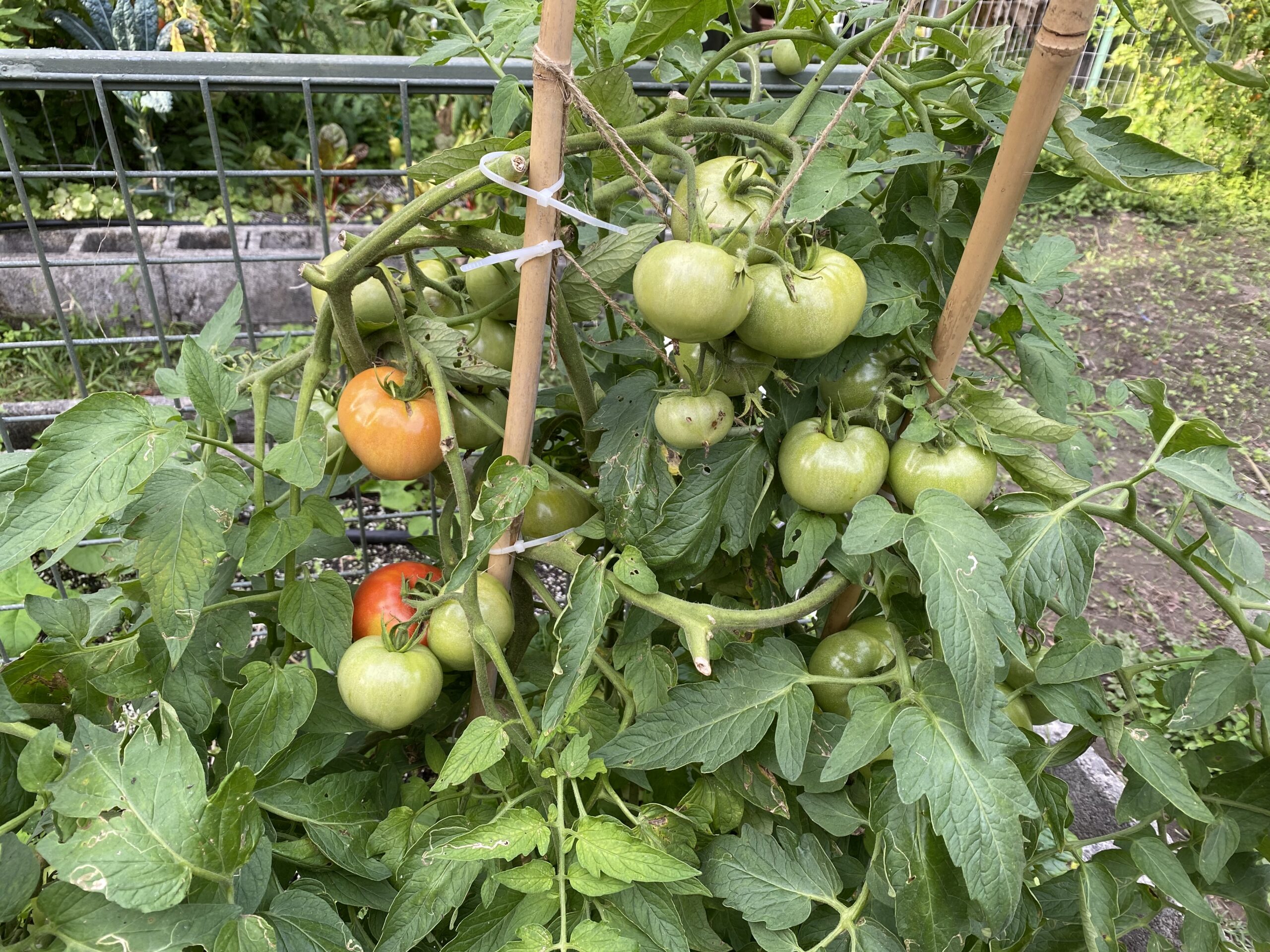
Credit: www.soflagardening.com
Comparing Roma And San Marzano Tomatoes
Choosing the right tomato variety is key for South Florida gardens. Roma and San Marzano tomatoes are popular choices. Both types thrive in warm climates and provide rich, flavorful fruit. Comparing these two helps gardeners pick the best fit for their needs.
Flavor And Texture Differences
Roma tomatoes have a mild, slightly sweet taste. Their flesh is dense and firm, with few seeds. This gives them a meaty texture that holds well during cooking.
San Marzano tomatoes taste sweeter and more complex. They have a softer flesh and thinner skin. These tomatoes are juicier, with a balanced acidity that adds depth to dishes.
Best Uses In Cooking
Roma tomatoes excel in sauces and pastes. Their thick flesh reduces quickly, creating a rich base for many recipes. They also work well in salads and canning.
San Marzano tomatoes are prized for authentic Italian sauces. Their juicy texture and sweet flavor enhance pasta dishes and pizzas. They also blend smoothly, making them perfect for fresh sauces.
Community Resources For Growers
Growing tomatoes in South Florida offers unique challenges and rewards. The climate demands specific knowledge and tips for successful gardening. Community resources help growers share advice, solve problems, and find the best tomato varieties for local conditions. These resources create a support network that makes growing tomatoes easier and more enjoyable.
Local Gardening Forums
Local gardening forums connect South Florida tomato growers. Members discuss planting times, pest control, and heat-tolerant tomato types. These forums offer real experiences and solutions from nearby gardeners. Questions get quick answers, and users share photos to identify issues. Participating helps new and experienced growers improve their tomato crops.
Extension Services And Guides
Extension services provide trusted guides tailored for South Florida gardeners. They offer free or low-cost advice on soil, watering, and selecting tomato varieties. Guides cover planting seasons, fertilizing schedules, and disease management. Many extension offices hold workshops or webinars to teach best practices. Using these resources increases the chance of a healthy tomato harvest.

Credit: pindersnursery.com
Frequently Asked Questions
What Is The Most Heat-tolerant Tomato?
The most heat-tolerant tomato varieties include ‘Juliet,’ ‘Lillipop,’ and ‘Illinois Beauty. ‘ These thrive in hot climates and produce consistently.
When’s The Best Time To Plant Tomatoes In South Florida?
Plant tomatoes in South Florida from August to January for fall and spring crops. Avoid summer heat for best results.
Which Is Better, Roma Or San Marzano Tomatoes?
San Marzano tomatoes have a sweeter, less acidic flavor, ideal for sauces. Roma tomatoes offer a firmer texture and are versatile for cooking. Choose San Marzano for authentic Italian dishes and Roma for salads or roasting. Both excel in different culinary uses.
Why Do You Bury 2/3 Of A Tomato Plant?
Burying 2/3 of a tomato plant encourages strong root growth along the stem. This creates a sturdier, healthier plant that absorbs more nutrients and water.
Conclusion
Choosing the right tomato varieties makes growing easier in South Florida’s climate. Select heat-tolerant types for the best results. Plant during the cooler months from August to March. Using seedlings helps plants handle watering and pests better. Keep an eye on weather changes to protect your crop.
Growing tomatoes here can be rewarding with the right care. Enjoy fresh, homegrown tomatoes all season long.