Tomatoes are the quintessential summer crop, bursting with flavor and versatility in salads, sauces, and salsas. But in a state as diverse as California—from foggy coastal mornings to scorching desert afternoons—timing is everything for a bountiful harvest. Whether you’re a novice gardener in the Bay Area or a seasoned grower in the Central Valley, knowing the ideal tomato planting window for your region can mean the difference between juicy, homegrown gems and disappointing flops. In this comprehensive tomato planting guide for California, we’ll cover everything from seed starting timelines and climate-specific advice to soil prep, variety picks, care essentials, and harvesting tips. Let’s dig in (pun intended) and get your garden thriving.
California’s Climate Zones: Why Location Dictates Your Tomato Planting Schedule
California’s microclimates span USDA zones 5 to 10, making a one-size-fits-all approach impossible. Tomatoes thrive in warm soil (at least 60°F) and full sun, but frost risks, fog, and heat waves vary wildly. Here’s a breakdown of the best times to plant tomatoes by region, focusing on transplants (young plants) unless noted otherwise.
Coastal and Bay Area (Zones 9-10: San Francisco, Oakland, Santa Cruz)
The cool, foggy summers here demand earlier starts to beat the chill.
- Best transplant time: April through June. In foggier spots like the Sunset District, aim for April to ensure fruits ripen before fall fog rolls in; June works better for sunnier East Bay areas.
- Seed starting: Indoors, 6-8 weeks prior (late January to early March).
- Pro tip: Harden off seedlings gradually over 10 days to acclimate to wind and cooler temps.
Southern California (Zones 9-11: Los Angeles, San Diego, Orange County)
Milder winters allow a longer window, but inland heat calls for caution.
- Best transplant time: After March 15 up to July 4 for a full crop. Coastal areas like San Diego can push earlier if frost-free; inland valleys (e.g., Temecula) need protection until mid-March.
- Seed starting: January to May indoors.
- Risks: Early planting risks frost damage inland; late starts yield less due to shortening days.
Central Valley (Zones 8-10: Visalia, Sacramento, Fresno)
Hot summers shine here, but spring frosts linger.
- Best transplant time: Mid-March to July 4. Direct sow seeds until late May.
- Seed starting: 1-2 months before transplant (January-February).
- Pro tip: Space plants 18-24 inches apart to combat intense heat.
Desert Regions (Zones 9-10: Palm Springs, Coachella Valley)
Extreme heat creates two seasons: spring and fall, with a midsummer “dead zone.”
- Best transplant times: January-February for spring crop; October for fall crop. Both yield until May/June heat halts production.
- Seed starting: Six weeks indoors before planting.
- Pro tip: Use frost blankets in winter and shade cloth in summer for indeterminate varieties that rebound.
| Region | Transplant Window | Seed Start Indoors | Key Challenge |
|---|---|---|---|
| Bay Area/Coastal | April-June | Jan-Mar | Fog and cool nights |
| Southern CA | Mid-Mar-Jul 4 | Jan-May | Inland frost/heat |
| Central Valley | Mid-Mar-Jul 4 | Jan-Feb | Spring frosts |
| Desert | Jan-Feb & Oct | 6 weeks prior | Extreme temps |
Starting Tomato Seeds: Your Path to a Custom Crop
For variety and cost savings, start seeds indoors 6-8 weeks before transplanting. In Vacaville (Solano County), late January works well for April planting, but monitor heat mats to avoid scorching (keep under 100°F).
- Steps: Pre-sprout in damp paper towels, pot in soilless mix, thin to strongest seedling, and pot up when true leaves appear.
- Timing tweak: Mid-March starts catch up quickly, ripening by June alongside early ones.
Top Tomato Varieties for California’s Diverse Climates
Pick heat-tolerant, disease-resistant types suited to your zone. Cherries mature faster for cooler areas; heirlooms add flavor punch.
- Bay Area/Coastal: Sun Gold (sweet cherry, fog-friendly), Juliet (disease-resistant grape), Chadwick Cherry (quick and prolific).
- Southern/Central Valley: Cherokee Purple (heirloom slicer), San Marzano (sauce king), Early Girl (reliable hybrid).
- Desert: Heat-set types like Solar Fire or Phoenix for fruiting in 100°F+ temps; indeterminate heirlooms for extended yield.
Opt for a mix: one cherry for quick wins, one slicer for salads, and one paste for sauces.
Soil Preparation and Planting: Setting the Foundation
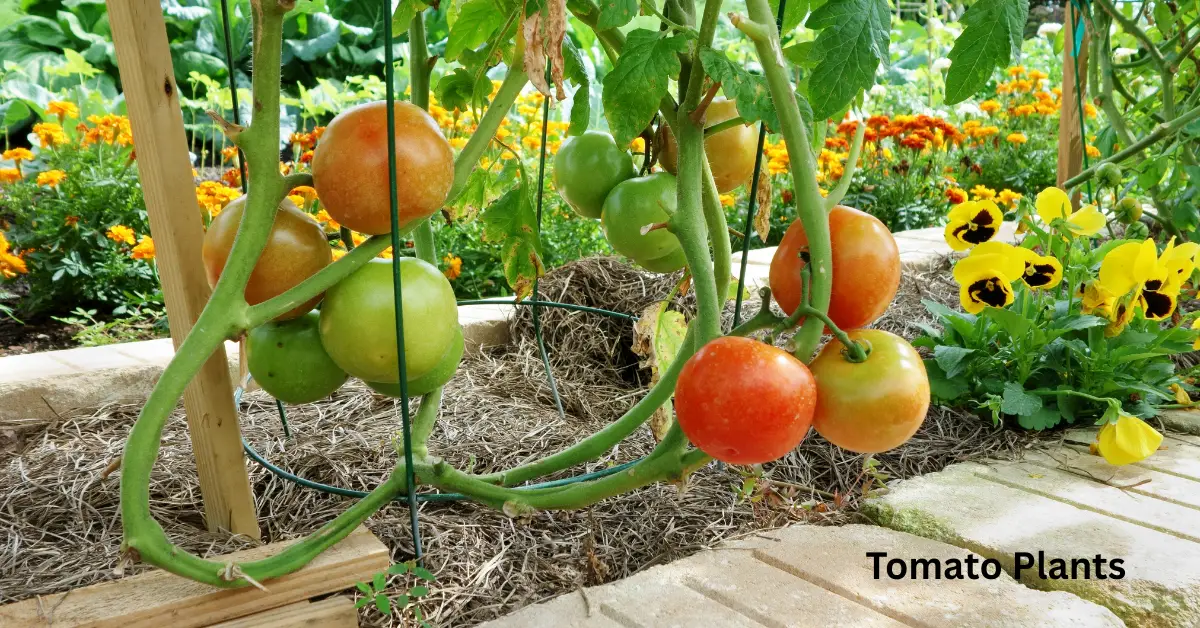
Tomatoes demand well-draining, nutrient-rich soil with pH 6.0-6.5. Amend with compost or aged manure for nitrogen and calcium to prevent blossom end rot.
- Prep steps: Test soil, till in 2-3 inches of organic matter, add lime if acidic. Use raised beds in clay-heavy areas.
- Planting: Dig holes deep enough to bury stems (encourages roots), space 18-24 inches apart, and water deeply post-plant.
- Containers: Ideal for patios; use pots 5+ gallons with potting mix.
Essential Care Tips: Water, Feed, Support, and Protect
Once planted, consistent care keeps vines productive.
- Watering: Deeply 1-2 times weekly (1 inch total), focusing on roots via drip irrigation. Mulch to retain moisture and avoid wetting leaves. In deserts, irrigate more during dry spells.
- Fertilizing: Compost at planting; side-dress with balanced 5-10-10 every 4-6 weeks. Avoid excess nitrogen for fruit over foliage.
- Support and Pruning: Stake or cage indeterminates; prune suckers for airflow.
- Pests and Diseases: Watch for aphids (hose off or use neem); prevent blossom end rot with even watering/calcium. Rotate crops to dodge wilt.
Harvesting Your Homegrown Tomatoes: Tips for Peak Flavor
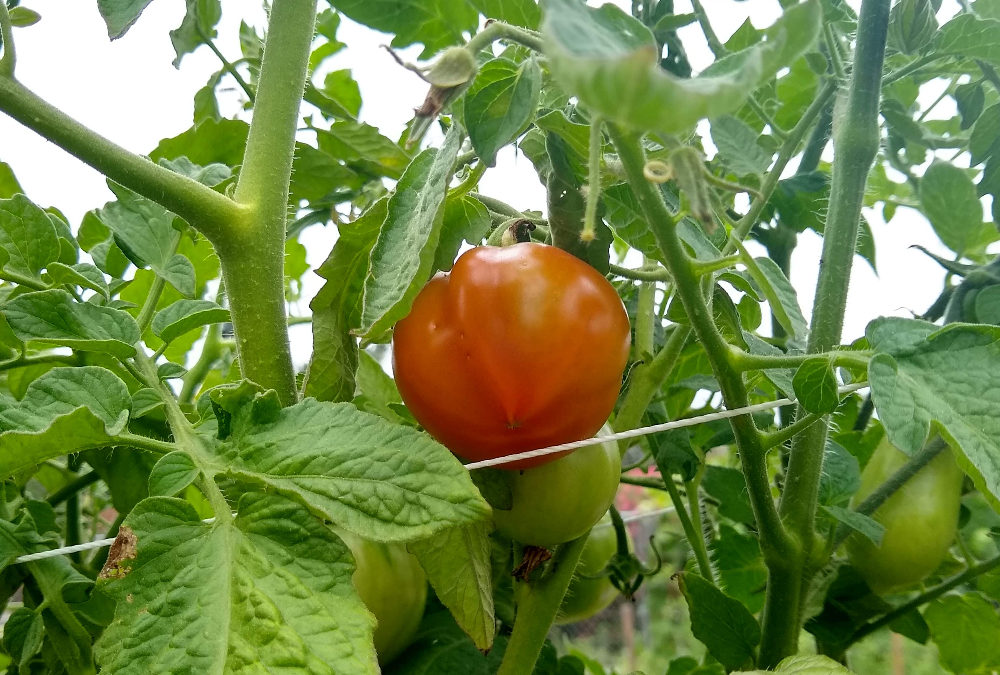
Pick when fully colored and slightly soft—vines ripen best, but green ones store indoors. Expect first fruits 60-80 days post-transplant. Succession plant every 2-3 weeks for steady supply. In mild areas, enjoy into fall or even winter with cherries.
Ready to Plant? Your California Tomato Adventure Awaits
From Bay fog to desert sun, California’s tomato planting sweet spot hinges on your zip code, but armed with this guide, you’re set for success. Start small, experiment with varieties, and savor those sun-warmed bites. What’s your go-to tomato recipe? Share in the comments below, and happy gardening—your harvest is just a seed away! For more California gardening inspo, check local extension services like UC ANR.