
If you live in Northwest Florida and want to grow your own fresh vegetables, you’re in luck. The region’s unique climate offers a great opportunity to cultivate a variety of tasty and nutritious veggies right in your backyard.
But with so many options, how do you choose what will thrive best? Whether you’re a seasoned gardener or just starting out, knowing which vegetables suit Northwest Florida’s soil and weather can save you time, effort, and frustration. You’ll discover the best vegetables to grow here—easy to care for, high-yielding, and perfectly adapted to your environment.
Ready to make your garden flourish and enjoy homegrown goodness? Let’s dive in!
Climate And Soil In Northwest Florida
Northwest Florida offers a unique environment for growing vegetables. The region’s climate and soil greatly influence what plants thrive here. Understanding these factors helps gardeners select the best vegetables to grow. This section breaks down the key elements of climate and soil in Northwest Florida.
Usda Hardiness Zones
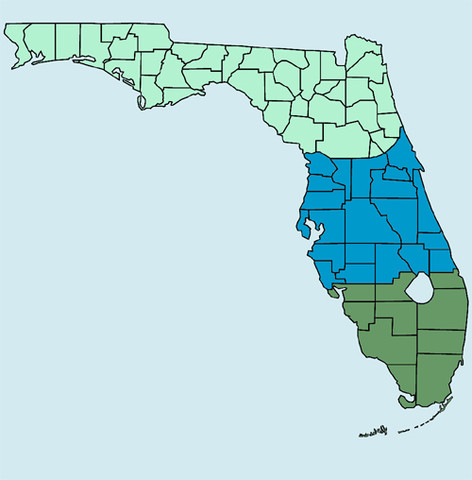
Northwest Florida lies mainly in USDA Hardiness Zones 8a to 9a. These zones show the average lowest temperatures plants can survive. Zone 8a ranges from 10 to 15 degrees Fahrenheit. Zone 9a is slightly warmer, from 20 to 25 degrees. Knowing your zone helps pick plants suited to local cold tolerance.
Soil Types And Preparation
The soil in Northwest Florida varies but is mostly sandy with good drainage. Sandy soil warms quickly but drains water fast. This can stress plants during dry spells. Adding organic matter improves moisture retention and fertility. Testing soil pH is important. The ideal pH for most vegetables is between 6.0 and 7.0. Adjust soil with lime or sulfur as needed.
Seasonal Weather Patterns
Northwest Florida has a humid subtropical climate. Summers are hot and humid, with frequent afternoon thunderstorms. Winters are mild and short, with little frost risk. Spring and fall offer cooler, drier conditions ideal for many vegetables. Gardeners should plan planting schedules around these seasons. Heat-tolerant crops do well in summer. Cool-season vegetables thrive in fall and winter.
Credit: www.marysheirloomseeds.com
Top Vegetables For Summer Planting
Summer in Northwest Florida brings warm temperatures and long days. These conditions favor certain vegetables that thrive in heat and humidity. Choosing the right crops ensures a successful garden full of fresh produce. Below are some top vegetables to plant in summer for this region.
Okra And Southern Peas
Okra loves hot weather and grows well in sandy soil. It produces edible seed pods that are great for cooking. Southern peas, also known as cowpeas, tolerate heat and poor soil. They are easy to grow and provide nutritious beans. Both plants help keep your garden productive during hot months.
Sweet Potatoes From Slips
Sweet potatoes grow best in warm soil. Plant them using slips, which are small shoots from mature tubers. They need plenty of space to spread vines. Sweet potatoes are low maintenance and resist pests well. Harvest time usually comes in the fall after several months of growth.
Peppers And Basil
Peppers enjoy full sun and warm temperatures. They come in many varieties, from mild to hot. Basil pairs well with peppers and grows quickly in summer. Both plants prefer well-drained soil and regular watering. Growing these together can improve garden flavor and pest control.
Malabar Spinach
Malabar spinach is a heat-loving leafy green. It thrives in summer when regular spinach wilts. This vine grows fast and produces thick, tender leaves. Malabar spinach can climb supports or spread across the ground. It adds a fresh, mild flavor to salads and cooked dishes.
Best Cool-season Crops
Cool-season crops thrive in Northwest Florida’s mild winters. These vegetables prefer cooler temperatures for best growth. They grow well from fall through early spring. Growing cool-season crops ensures fresh produce during months when heat-tolerant plants slow down. Choose varieties that resist cold and pests for a healthy garden.
Broccoli And Cabbage
Broccoli and cabbage grow best in cool weather. They need full sun and fertile soil. Plant seeds or seedlings in late fall or early winter. These vegetables mature in about 70 to 90 days. They provide crisp, nutritious heads for salads and cooking. Regular watering helps keep their leaves tender and sweet.
Lettuce And Carrots
Lettuce and carrots are easy to grow in cooler months. Lettuce prefers shade during warmer days. Carrots need loose, sandy soil for straight roots. Sow carrot seeds directly into the garden in early fall. Harvest lettuce leaves often to encourage new growth. Both crops add color and crunch to meals.
Brussels Sprouts And Radishes
Brussels sprouts take time but reward with tasty, small cabbage-like buds. Plant them in late summer for a winter harvest. Radishes grow quickly and tolerate cooler weather well. Sow radish seeds every few weeks for a steady supply. Both crops enjoy moist, well-drained soil and regular care.
Kale And Beets
Kale thrives in cool temperatures and resists frost. It grows well in partial shade or full sun. Beets prefer loose soil and steady moisture. Both crops offer vibrant leaves and roots packed with vitamins. Plant kale and beet seeds in early fall for a late winter harvest.
Easy Vegetables For Beginners
Starting a vegetable garden in Northwest Florida can be simple and rewarding. Choose easy vegetables that grow well in this region. These plants require minimal care and offer a great chance for success. Beginners can enjoy fresh produce without stress or frustration.
Northwest Florida’s warm climate suits many vegetables. Selecting the right ones helps new gardeners build confidence. These easy vegetables grow quickly and tolerate local weather. They provide a good foundation for learning gardening skills.
Cucumbers And Potatoes
Cucumbers thrive in warm soil and need plenty of sunlight. They grow fast and produce many fruits on vines. Plant seeds directly in the garden after the last frost. Water regularly to keep the soil moist but not soggy.
Potatoes grow well in loose, well-drained soil. Start with seed potatoes or small tubers. Plant them a few inches deep and cover with soil. They need consistent watering and some patience. Harvest potatoes once the plants flower and leaves yellow.
Bell Peppers
Bell peppers enjoy warm weather and full sun. Plant seedlings in rich, well-drained soil. Keep the soil evenly moist to prevent stress. Peppers may take several weeks to mature. Pick them when they reach full size and show bright colors.
Spinach Varieties
Spinach grows best in cooler months in Northwest Florida. Choose varieties like Bloomsdale or Tyee for best results. Plant seeds in loose, fertile soil and keep it moist. Spinach grows quickly and can be harvested multiple times. Its tender leaves add fresh flavor to meals.
Year-round And Perennial Options
Growing vegetables year-round in Northwest Florida is possible with the right choices. Perennial vegetables return each year, reducing planting work. They provide fresh produce through multiple seasons. These plants thrive well in the local climate. Choosing perennials and year-round options ensures a steady harvest. Here are some excellent options to consider.
Achira And Cassava
Achira is a tropical root vegetable that grows well here. It produces edible rhizomes rich in starch. Cassava is another hardy root crop. It thrives in warm, moist soil and resists drought. Both plants require little care once established. They provide a steady source of carbohydrates and grow for many years.
Chaya And Katuk
Chaya is a leafy green shrub known for its nutrition. It grows fast and withstands heat easily. Katuk is a climbing plant with tender leaves. Both are rich in vitamins and minerals. They can be harvested repeatedly without replanting. These perennials add variety to your garden and plate.
Longevity Spinach And Moringa
Longevity spinach is a tough leafy green that thrives in heat. It produces abundant leaves for salads and cooking. Moringa is a fast-growing tree with edible leaves and pods. It offers high nutrition and drought resistance. Both plants grow well year-round in Northwest Florida’s climate. They ensure fresh greens even in dry seasons.
Credit: nwdistrict.ifas.ufl.edu
Planting Schedule By Month
Creating a monthly planting schedule helps gardeners in Northwest Florida grow vegetables successfully. Each month offers unique chances to plant different crops. Knowing the right time to sow seeds or transplant seedlings ensures a healthy and abundant harvest.
Gardening in this region requires attention to seasonal changes. Warm summers and mild winters affect what vegetables thrive. Planning your garden by month lets you maximize growth and avoid plant stress.
Spring Planting Tips
Start planting cool-season vegetables in late February or early March. Lettuce, spinach, and broccoli do well in these months. As temperatures rise, switch to warm-season crops like tomatoes, peppers, and cucumbers by April or May.
Prepare soil with compost before planting. Water regularly to help young plants establish roots. Protect seedlings from late frosts with row covers if needed. Thin seedlings to avoid overcrowding and promote strong growth.
Fall Planting Guide
September through November is ideal for planting cool-season vegetables again. Carrots, radishes, and kale thrive in this cooler period. Start seeds indoors in late August, then transplant them outside as temperatures drop.
Mulch around plants to keep soil moist and reduce weeds. Watch for pests that may appear in fall. Harvest vegetables before the first hard freeze to enjoy fresh produce late into the season.
Succession Planting Strategies
Planting crops in intervals improves yield throughout the year. Sow fast-growing vegetables like radishes every two weeks. This method ensures a steady supply of fresh greens and roots.
Rotate crops to keep soil healthy. Avoid planting the same vegetable in the same spot repeatedly. Use this strategy to prevent diseases and nutrient depletion. Succession planting keeps your garden productive and vibrant.
Garden Management Tips
Successful vegetable gardening in Northwest Florida depends on good garden management. Managing the garden well keeps plants healthy and productive. It also helps prevent common problems that can reduce yield. Simple care routines make a big difference in your harvest. Follow these tips to keep your vegetable garden thriving all season long.
Soil Amendments And Fertilizers
Northwest Florida soils often need extra nutrients for best growth. Add organic matter like compost or aged manure to improve soil texture. This helps soil hold moisture and nutrients better. Use balanced fertilizers with nitrogen, phosphorus, and potassium. Test your soil to know which nutrients are lacking. Apply fertilizers according to plant needs and growth stages. Avoid over-fertilizing to prevent burning roots or excess growth.
Pest And Disease Control
Keep a close eye on your plants for pests and diseases. Remove damaged or diseased leaves promptly. Use natural methods like neem oil or insecticidal soap to control pests. Encourage beneficial insects such as ladybugs and lacewings. Rotate crops each season to reduce soil-borne diseases. Clean tools and garden beds to lower infection risks. Healthy plants resist pests and diseases better.
Watering Best Practices
Water deeply and less often to promote strong roots. Early morning watering reduces evaporation and fungal problems. Avoid wetting leaves to prevent diseases. Use drip irrigation or soaker hoses for efficient watering. Check soil moisture regularly before watering again. Mulch around plants to retain moisture and cool soil. Proper watering supports steady vegetable growth and quality.
Using Cover Crops
Plant cover crops during off-seasons to protect and enrich soil. Cover crops add organic matter and improve soil structure. They help prevent erosion and suppress weeds. Legume cover crops fix nitrogen naturally for the next crop. Turn cover crops into the soil before planting vegetables. This practice boosts soil health and garden productivity over time.

Credit: www.revivalgardening.com
Frequently Asked Questions
What Vegetables Grow Best In Northwest Florida?
Okra, Southern peas, sweet potatoes, Malabar spinach, basil, peppers, broccoli, cabbage, beets, cucumbers, and kale grow best in Northwest Florida. These vegetables thrive in the region’s warm climate and soil conditions. Planting in fall and summer ensures a productive garden year-round.
What’s The Easiest Vegetable To Grow In Florida?
Okra, sweet potatoes, and southern peas grow easily in Florida’s warm climate. These vegetables require minimal care and thrive in Florida soil.
What Is The Best Month To Plant Vegetables In Florida?
The best month to plant vegetables in Florida is October. Fall suits cool-season crops like broccoli, lettuce, carrots, and radishes. Planting in October ensures optimal growth before the heat returns.
What Zone Is The Florida Panhandle In For Planting?
The Florida Panhandle falls mainly within USDA Plant Hardiness Zones 8a to 9a. Plant accordingly for these zones.
Conclusion
Growing vegetables in Northwest Florida brings fresh food right to your table. Choose crops suited for the local climate, like okra, peppers, and sweet potatoes. Plant during the right season to get the best yield and taste. Keep soil healthy and water regularly for strong growth.
Enjoy watching your garden thrive with simple care and patience. Start small and expand as you learn what works best. Gardening here is rewarding and helps you eat healthy every day.