Choosing the right Pentas varieties for Florida’s humid climate can make all the difference in your garden’s success. You want plants that not only thrive but also bring vibrant color and life to your outdoor space.
But with so many options available, how do you pick the best ones for your specific conditions? This guide will help you understand what to look for, so you can enjoy beautiful blooms without the extra hassle. Keep reading to discover simple, practical tips that will make your garden stand out in Florida’s unique weather.
Credit: rockledgegardens.com
Climate Needs Of Pentas
Pentas plants thrive best when their climate needs match the local environment. Understanding these needs helps you pick the right varieties for Florida’s humid climate. Pentas prefer warm temperatures and steady moisture. Knowing how heat, sunlight, and water affect them will guide your choices.
Heat And Humidity Tolerance
Pentas love warm weather. They grow well in Florida’s heat. High humidity suits them. These plants do not like cold or frost. Choose varieties known to handle strong heat. This ensures flowers stay bright and healthy.
Sunlight Preferences
Pentas need plenty of sunlight. Full sun for six hours or more is ideal. Some varieties tolerate partial shade. Too little sun reduces flower production. Pick types that match your garden’s light levels.
Watering Requirements
Pentas need regular watering to keep soil moist. Avoid waterlogging, which harms roots. Florida’s humidity helps reduce watering frequency. Use well-drained soil to prevent standing water. Adjust watering based on rainfall and temperature.
Best Pentas Varieties For Florida
Pentas plants brighten Florida gardens with colorful blooms. Choosing the right varieties ensures they thrive in hot, humid weather. Select types that handle heat, resist disease, and offer vivid colors. This keeps your garden healthy and lively all year.
Heat-resistant Varieties
Florida’s humidity and heat challenge many plants. Heat-resistant Pentas survive intense sun without wilting. Varieties like ‘Graffiti’ and ‘Star Cluster’ handle high temperatures well. These types keep blooming even during hot summer days.
Pentas With Vibrant Colors
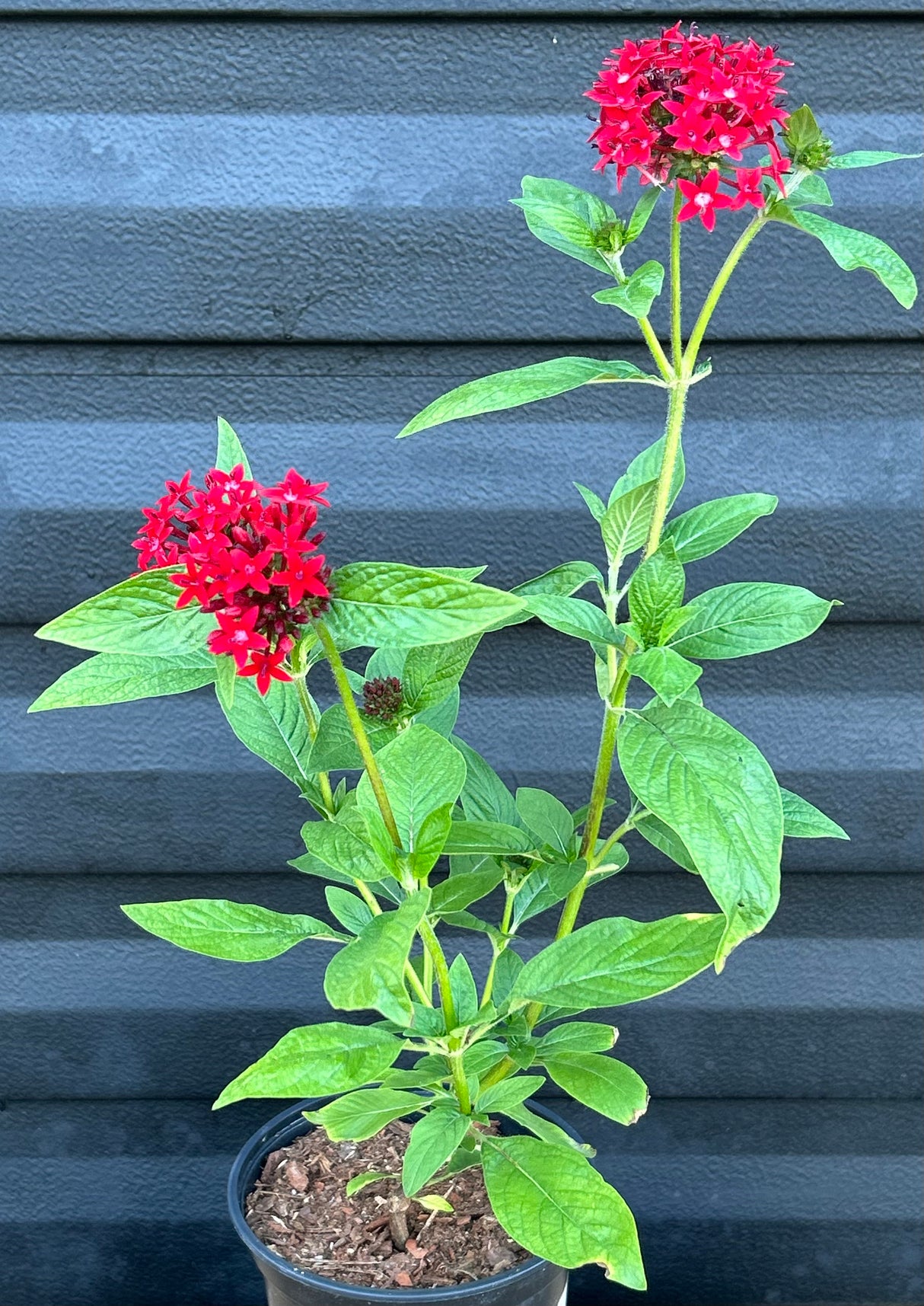
Bright colors attract butterflies and brighten your garden space. Pentas come in red, pink, white, and purple shades. Varieties such as ‘Raspberry Red’ and ‘Starfire Pink’ offer eye-catching colors. Choose colors that match your garden style and mood.
Disease-resistant Types
Humidity can cause diseases in many plants. Disease-resistant Pentas stay healthy and strong. Varieties like ‘Lucky Star’ and ‘Fireworks’ resist common fungal infections. These types reduce the need for chemical treatments in your garden.
Soil And Planting Tips
Choosing the right soil and planting methods helps Pentas thrive in Florida’s humid climate. Healthy soil supports strong roots and vibrant flowers. Proper planting reduces stress on the plants and improves growth. Follow these tips to create the best environment for your Pentas.
Ideal Soil Conditions
Pentas prefer well-drained soil rich in organic matter. Florida’s soil can be sandy and drain quickly. Mix compost or peat moss to improve moisture retention. Avoid heavy clay soils that hold too much water. Aim for slightly acidic to neutral soil with a pH of 6.0 to 7.0. Test soil before planting for best results.
Planting Techniques For Humid Areas
Plant Pentas in a spot with good air circulation. Space plants 12 to 18 inches apart to prevent disease. Plant at the same depth as in their pots. Water thoroughly after planting to settle the soil. Avoid water pooling around the stems to reduce rot risk. Use raised beds if soil drainage is poor.
Mulching Benefits
Mulch helps keep soil moist and cool in hot weather. It also reduces weed growth that competes for nutrients. Apply a 2 to 3 inch layer of organic mulch around plants. Keep mulch a few inches away from stems to avoid rot. Mulching improves soil structure over time, aiding plant health.
Maintenance In Humid Climates
Maintaining Pentas in Florida’s humid climate requires special care. High humidity can cause plants to grow quickly but also brings challenges. Proper maintenance keeps Pentas healthy and blooming all season.
Pruning And Deadheading
Regular pruning helps control the plant’s size. Cut back long stems to encourage bushier growth. Remove dead or faded flowers to promote new blooms. Deadheading prevents the plant from wasting energy on seeds.
Pest And Disease Management
Humidity can increase the risk of pests and diseases. Check plants often for signs of insects or mold. Use mild insecticidal soap to control pests. Remove infected leaves quickly to stop disease spread. Good air circulation helps reduce fungal problems.
Fertilizing Schedules
Pentas need steady nutrients to thrive in humid weather. Feed plants every 4 to 6 weeks with balanced fertilizer. Avoid over-fertilizing, which can cause weak growth. Water plants well after fertilizing to help roots absorb nutrients.
Combining Pentas With Other Plants
Combining Pentas with other plants creates vibrant and healthy garden spaces. Pentas thrive in Florida’s humid climate and mix well with many tropical and subtropical plants. They add bright colors and attract butterflies. Pairing them with the right plants enhances growth and beauty.
Companion Plants For Florida Gardens
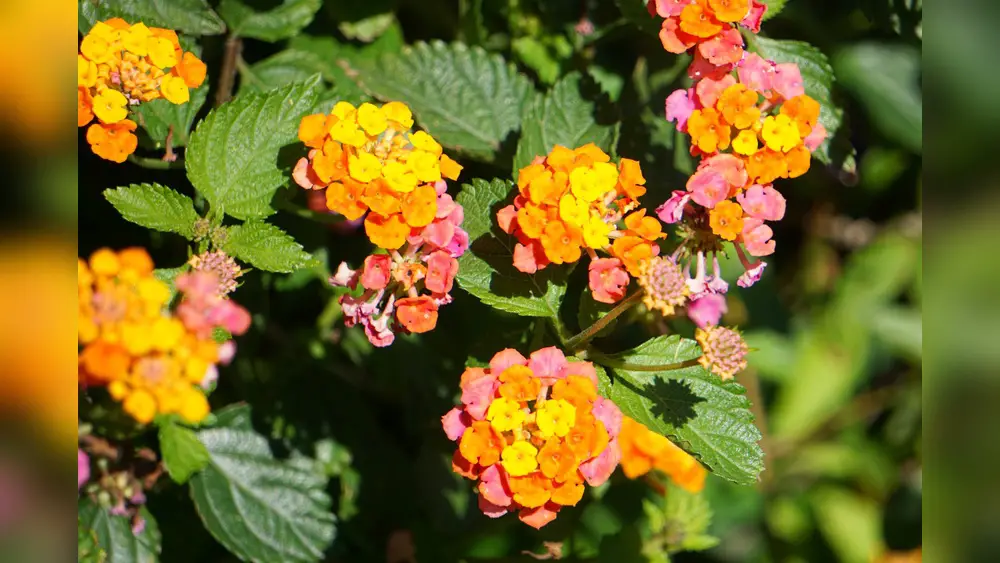
Pentas work well with plants that enjoy similar conditions. Choose plants that tolerate heat and humidity. Hibiscus offers large colorful blooms and complements Pentas. Lantana attracts pollinators and adds texture to the garden. Crotons bring striking leaf colors and contrast nicely. These companions help maintain soil moisture and reduce pests naturally.
Design Ideas For Humid Landscapes
Use Pentas as focal points in flower beds or borders. Surround them with low-growing ground covers to keep soil cool. Mix tall plants with shorter ones for layered looks. Group plants by color for visual impact. Combine Pentas with lush green foliage to brighten shady spots. Plan paths or seating areas near vibrant Pentas clusters to enjoy their beauty.
Credit: incredibleediblelandscapes.com

Credit: plantologyusa.com
Frequently Asked Questions
What Pentas Varieties Thrive Best In Florida Humidity?
Pentas lanceolata varieties with robust, waxy leaves thrive in Florida’s humid climate. Choose heat-tolerant cultivars like ‘Butterfly’ and ‘Giant Star’ for vibrant blooms and disease resistance.
How To Select Drought-tolerant Pentas For Florida?
Opt for Pentas varieties with deep roots and thick foliage. These types tolerate dry spells and reduce watering needs, ideal for Florida’s variable rainfall.
Can Pentas Survive Florida’s Wet Season?
Yes, Pentas varieties with good drainage preference survive Florida’s wet season. Ensure planting in well-draining soil to prevent root rot during heavy rains.
What Colors Of Pentas Are Best For Florida Gardens?
Bright reds, pinks, whites, and purples flourish in Florida’s sunlight. Choose varieties with vibrant, fade-resistant blooms to maintain garden color through humid conditions.
Conclusion
Choosing the right Pentas varieties helps your garden thrive in Florida’s humid climate. Focus on types that resist heat and moisture well. Select plants with strong colors and good growth habits. Regular care keeps them healthy and blooming longer. Enjoy a vibrant garden that brightens your outdoor space.
Simple steps lead to beautiful, lasting results. Your garden will thank you.