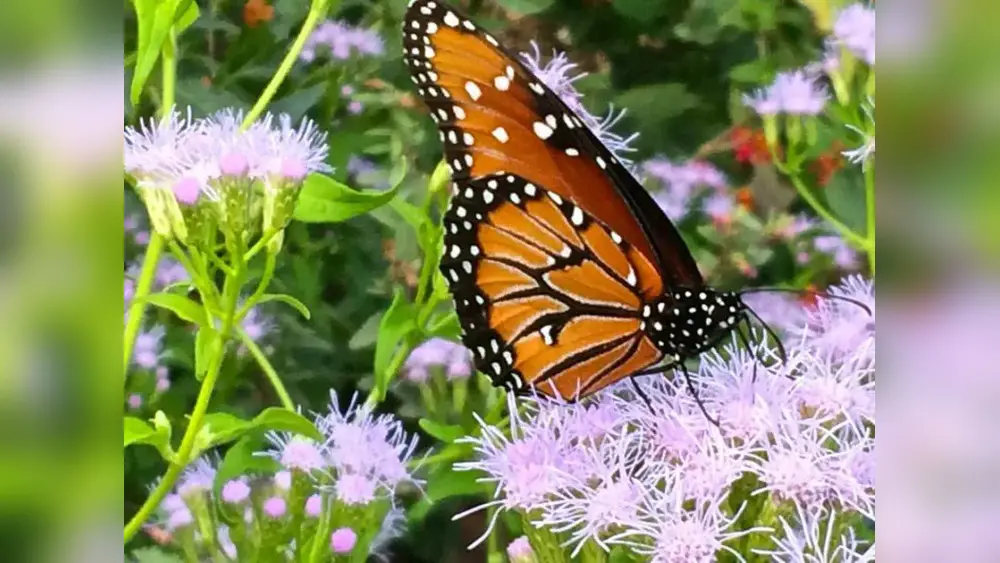
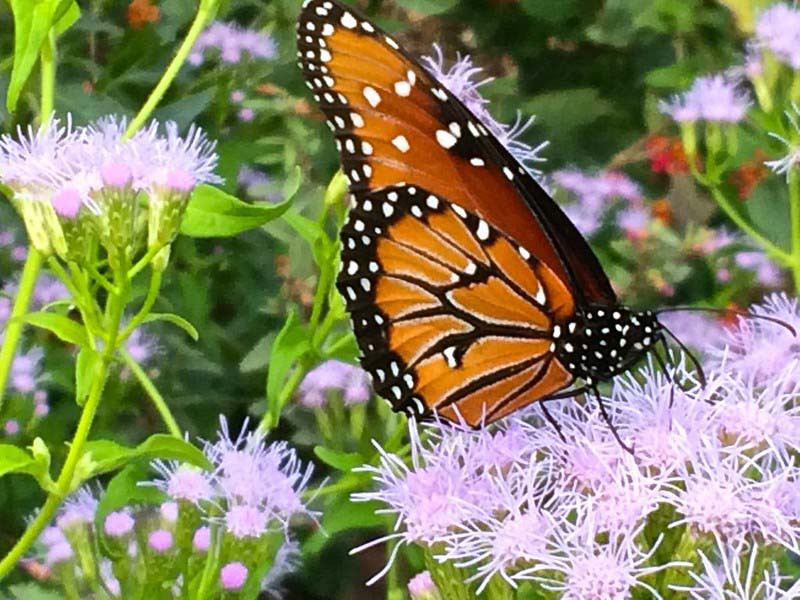
If you want to transform your Florida garden into a vibrant haven full of colorful butterflies, choosing the right flowers is key. The best pollinator attracting flowers don’t just add beauty—they invite butterflies to visit again and again.
Imagine your garden buzzing with life, where every bloom works to support these delicate creatures. You’ll discover which flowers thrive in Florida’s climate and attract the most butterflies, making your garden a true sanctuary. Keep reading to find out how to create a butterfly paradise right outside your door.
Choosing Flowers For Florida Gardens
Choosing the right flowers helps create a vibrant butterfly garden in Florida. The plants must survive the local climate. They should provide nectar and pollen for butterflies and other pollinators. The right flowers attract more butterflies and support their life cycle. Consider factors like weather, soil, and native species. These help pick flowers that thrive and bloom beautifully.
Climate Considerations
Florida’s climate is warm and humid. Summers can be very hot with heavy rain. Winters are mild and dry in most areas. Choose flowers that tolerate heat and humidity well. Plants that resist drought during dry spells work best. Some flowers bloom all year, supporting pollinators continuously. Avoid plants that need cold winters to grow well.
Soil And Sunlight Needs
Soil in Florida varies from sandy to clay. Most flowers prefer well-drained soil to avoid root rot. Check the soil type before planting. Sunlight is also important. Many pollinator flowers need full sun for at least six hours daily. Some can grow in partial shade but may bloom less. Match flowers to your garden’s light and soil conditions.
Native Vs Non-native Species
Native flowers evolved in Florida’s environment. They attract local butterflies and pollinators naturally. Native plants are easier to grow and need less care. Non-native flowers may add color but might not help pollinators. Some non-natives can become invasive and harm local plants. Choose mostly native species for a healthy, balanced garden.
Credit: www.gardenia.net
Top Butterfly-friendly Flowers
Butterflies need flowers that give them nectar and a place to rest. Choosing the right flowers helps create a lively butterfly garden in Florida. These plants attract many types of butterflies and support their life cycle. They also add color and beauty to your garden all year round.
Milkweed Varieties
Milkweed is a favorite for many butterfly species, especially monarchs. It provides food for caterpillars and nectar for adult butterflies. Different types of milkweed grow well in Florida’s climate. Examples include Tropical Milkweed and Swamp Milkweed. These plants are easy to grow and bloom for long periods. They help butterflies stay healthy and multiply.
Lantana And Its Benefits
Lantana is a bright and colorful flower that butterflies love. It blooms in clusters of orange, yellow, pink, and red. This flower produces a lot of nectar. It attracts butterflies like swallowtails and painted ladies. Lantana is drought-tolerant and grows well in Florida sun. It also supports bees and other pollinators, making the garden lively.
Butterfly Bush Appeal
The butterfly bush is famous for drawing many butterfly species. Its tall flower spikes come in purple, white, and pink shades. These flowers produce strong scents that attract butterflies from far away. The bush blooms from summer to fall. It is a hardy plant that fits well in Florida gardens. Butterflies rest and feed on its nectar all season long.
Flowers Attracting Other Pollinators
Florida butterfly gardens thrive with diverse pollinators beyond butterflies. Many flowers attract bees, hummingbirds, and moths. These pollinators help plants grow and produce seeds. Choosing flowers that invite various pollinators boosts garden health and beauty.
Bee-friendly Blooms
Bees are crucial pollinators in Florida gardens. Plants like coneflowers, black-eyed Susans, and milkweed draw many bees. These flowers provide rich nectar and pollen. Their bright colors and open shapes help bees collect food easily. Including bee-friendly blooms supports local bee populations.
Hummingbird Favorites
Hummingbirds love flowers with tubular shapes. Red, orange, and pink flowers attract them most. Trumpet vine, coral honeysuckle, and salvias are top choices. These plants offer deep nectar that hummingbirds sip. Growing hummingbird favorites adds motion and color to gardens.
Moth-pollinated Plants
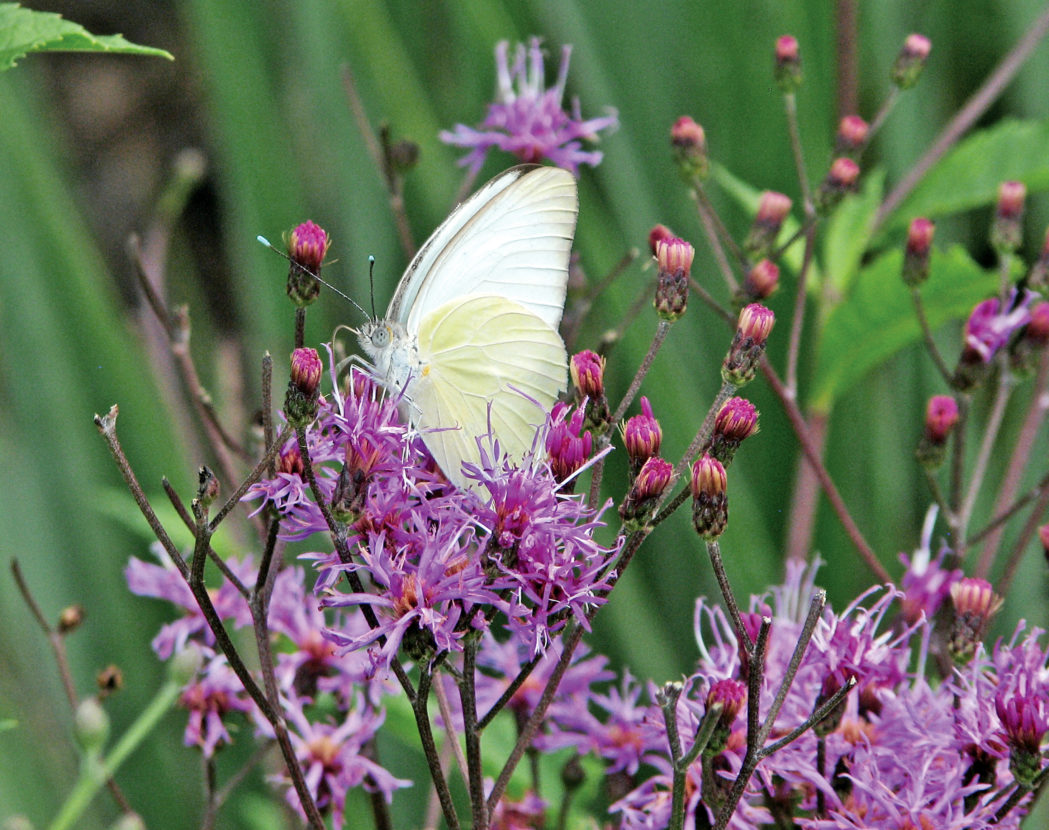
Moths visit flowers mostly at night. Night-blooming jasmine and evening primrose attract these pollinators. They have light colors and strong scents. These features help moths find flowers in the dark. Planting moth-pollinated flowers supports nighttime pollination and garden diversity.
Credit: www.flawildflowers.org
Seasonal Planting Tips
Planting flowers in a butterfly garden needs care through the seasons. Each season has its best flowers that attract pollinators. Choosing the right flowers keeps your garden lively all year. Follow these tips for planting in spring, summer, and fall.
Spring Bloomers
Spring flowers start the pollinator season. Choose bright colors like yellow and purple. Coreopsis and milkweed bloom early and attract butterflies. Plant these in well-drained soil with good sunlight. They give nectar and pollen for hungry pollinators.
Summer Favorites
Summer brings heat, but some flowers thrive. Lantana and pentas are perfect for sunny spots. These flowers bloom all summer long. They provide constant food for butterflies and bees. Water regularly to keep them healthy in hot weather.
Fall Flower Options
Fall flowers help pollinators prepare for winter. Goldenrod and asters bloom late and attract many insects. Plant fall flowers near summer ones for a smooth nectar supply. These flowers add color and life as temperatures drop.
Designing A Pollinator Garden
Designing a pollinator garden in Florida means creating a space where butterflies and other pollinators can thrive. It involves more than just planting flowers. You need to plan the layout, provide shelter and water, and keep the area safe from harmful chemicals. This helps attract pollinators and keeps them healthy.
Plant Arrangement Ideas
Group flowers with similar colors and shapes together. This makes it easier for pollinators to find food. Plant tall flowers at the back and shorter ones in front. Use a mix of native plants that bloom at different times. This ensures food is available all year. Clusters of the same plant attract more butterflies than scattered plants.
Creating Shelter And Water Sources
Pollinators need places to rest and hide from weather. Add shrubs, tall grasses, or small trees for shelter. Flat stones placed in sunny spots provide warm resting places. A shallow dish with water and small stones helps pollinators drink safely. Keep water fresh to avoid mosquitoes. These simple additions make your garden more inviting.
Avoiding Pesticides
Pesticides harm pollinators and reduce their numbers. Choose natural pest control methods instead. Handpick pests or use insect traps. Plant flowers that repel harmful insects naturally. Avoid spraying chemicals on blooming plants. A pesticide-free garden supports healthy pollinators and a thriving ecosystem.
:max_bytes(150000):strip_icc()/GettyImages-155140782-0688470dfade41ac917638485fc24f13.jpg "Best Pollinator Attracting Flowers for Florida Butterfly Gardens: Top Picks 4")
Credit: www.southernliving.com
Maintaining Flower Health
Maintaining the health of flowers in a Florida butterfly garden is key to attracting pollinators. Healthy flowers bloom longer and provide more nectar. They also resist diseases and pests better. Proper care helps the plants grow strong and vibrant.
Watering Best Practices
Water flowers early in the morning or late in the evening. This reduces water loss from evaporation. Keep the soil moist but not soggy. Too much water can cause root rot. Use drip irrigation or a soaker hose for gentle watering. Avoid wetting the leaves to prevent fungal diseases.
Pruning For Growth
Trim dead or faded flowers regularly to encourage new blooms. Remove damaged or weak stems to improve air flow. Cut back plants after flowering to shape them. Use clean, sharp tools to avoid harming the plants. Pruning helps flowers stay healthy and promotes growth.
Dealing With Pests Naturally
Introduce beneficial insects like ladybugs and lacewings that eat pests. Spray plants with a mix of water and mild soap to remove bugs. Handpick large pests like caterpillars off the plants. Plant herbs such as basil and mint nearby to repel insects. Natural methods protect pollinators and keep flowers safe.
Frequently Asked Questions
What Are The Best Flowers For Florida Butterfly Gardens?
The best flowers include milkweed, lantana, pentas, and coneflowers. These plants thrive in Florida’s climate and attract diverse butterfly species effectively.
How Do Pollinator Flowers Benefit Florida Gardens?
Pollinator flowers improve garden health by increasing pollination. They support butterflies, bees, and other insects, enhancing biodiversity and boosting plant growth naturally.
When Is The Best Time To Plant Butterfly-attracting Flowers?
Plant these flowers in early spring or fall for optimal growth. This timing ensures blooms during peak butterfly activity in Florida’s warm seasons.
Can Native Florida Plants Attract More Pollinators?
Yes, native plants like coontie and swamp milkweed attract local pollinators efficiently. They adapt well to Florida’s environment and provide essential resources.
Conclusion
Choosing the right flowers helps butterflies and other pollinators thrive. Florida gardens bloom with colors that attract bees and butterflies. Planting these flowers supports nature and brightens your yard. Small efforts create a big difference for local wildlife. Enjoy watching butterflies dance from flower to flower.
Your garden becomes a lively, peaceful place. Start with a few plants and watch life grow. Simple steps bring nature closer to home.