Are you ready to transform your outdoor space with vibrant colors and buzzing pollinators? Planting native wildflowers in Central Florida soil is one of the easiest and most rewarding ways to do just that.
Not only will you create a beautiful garden that thrives naturally, but you’ll also support local wildlife and reduce maintenance efforts. In this guide, you’ll discover simple steps to choose the right wildflowers, prepare your soil, and ensure your plants flourish year after year.
Keep reading to unlock the secrets to a stunning, eco-friendly garden that feels like it was made just for your home.

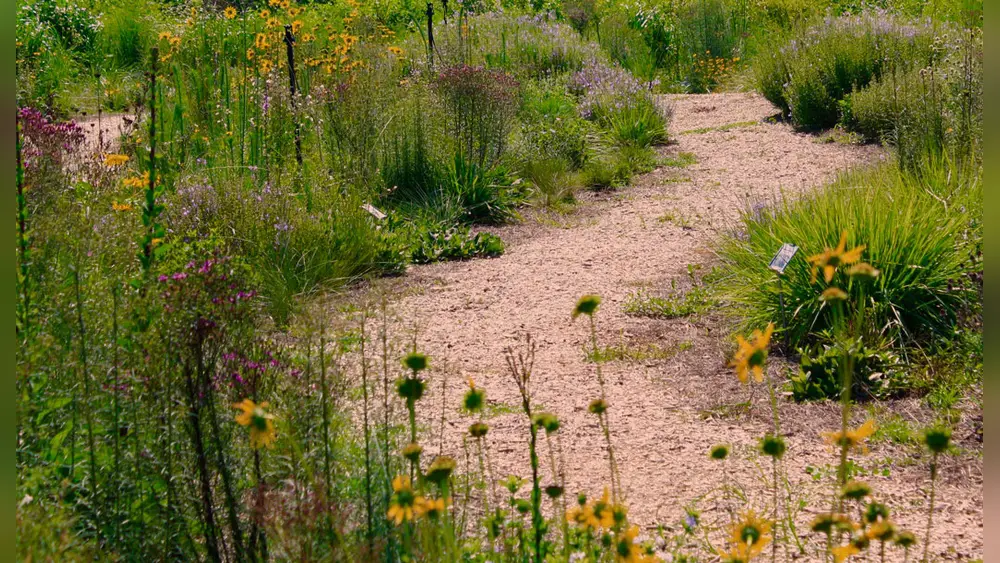
Credit: www.fnps.org
Benefits Of Native Wildflowers
Native wildflowers bring many benefits to Central Florida gardens. They fit well with the local environment. These plants help the land, animals, and gardeners. Growing native wildflowers creates a healthy, lively garden space.
Supporting Local Wildlife
Native wildflowers provide food and shelter for local animals. Bees, butterflies, and birds rely on these plants. They help pollinate flowers and spread seeds. This support keeps the local ecosystem balanced. Wildflowers attract beneficial insects that protect other plants.
Enhancing Soil Health
Native wildflowers improve soil quality over time. Their roots hold the soil and stop erosion. They bring nutrients back to the ground. These plants work well with Central Florida’s sandy soil. Healthy soil helps all garden plants grow stronger.
Low Maintenance Gardening
Native wildflowers need less water and care. They are used to the local weather and soil. This means fewer pests and diseases. Gardeners spend less time watering and weeding. Native plants save effort and resources in the garden.
Choosing The Right Wildflowers
Choosing the right wildflowers for Central Florida soil is key to a beautiful garden. Native wildflowers thrive best in local conditions. They support local wildlife and need less care. Selecting the right species ensures strong growth and vibrant colors.
Popular Central Florida Species
Some wildflowers are famous in Central Florida. Coreopsis, often called tickseed, is bright yellow and blooms all summer. Blanketflower has red and yellow petals and attracts butterflies. Black-eyed Susan is hardy and shows off golden blooms from summer to fall. These species adapt well to local soil and weather.
Seasonal Blooming Patterns
Wildflowers bloom at different times of the year. Planting flowers with varied blooming seasons keeps your garden lively year-round. Spring wildflowers like Blue-eyed Grass bloom early. Summer flowers such as Gaillardia shine bright in hot months. Fall bloomers like Goldenrod add color before winter. Planning by seasons creates a colorful garden all year.
Drought-tolerant Varieties
Central Florida can have dry spells. Drought-tolerant wildflowers survive with less water. Blanketflower and Coreopsis handle dry soil well. These plants save water and reduce garden care. Choosing drought-resistant flowers makes your garden strong and eco-friendly. It keeps your wildflower bed healthy even in dry weather.
Preparing Central Florida Soil
Preparing Central Florida soil is the first step to growing native wildflowers successfully. The soil here has unique features that affect plant growth. Knowing the soil’s nature helps you create a healthy base for wildflowers. This section explains how to check and improve the soil for better results.
Soil Composition And Ph
Central Florida soil often has sandy texture. It drains water quickly but holds fewer nutrients. Native wildflowers like well-drained soil but need enough nutrients to grow. The soil pH usually ranges from 5.5 to 6.5, which is slightly acidic. Most native wildflowers thrive in this pH range. Testing your soil’s pH helps adjust it correctly. You can buy simple soil test kits at garden centers or online.
Improving Drainage
Good drainage prevents root rot and other issues. Sandy soil usually drains well but may dry out fast. If your soil is clayey or compacted, improve drainage by loosening it. Use a garden fork or tiller to break up hard soil. Creating small raised beds also helps water flow away from roots. Avoid overwatering after planting to keep roots healthy.
Adding Organic Matter
Organic matter enriches soil with nutrients and moisture. Compost, aged manure, and leaf mold work well in Central Florida. Mix organic matter into the top 6-8 inches of soil before planting. This improves soil texture and water retention. It also supports beneficial soil microbes that help plants grow. Adding mulch after planting keeps soil moist and reduces weeds.
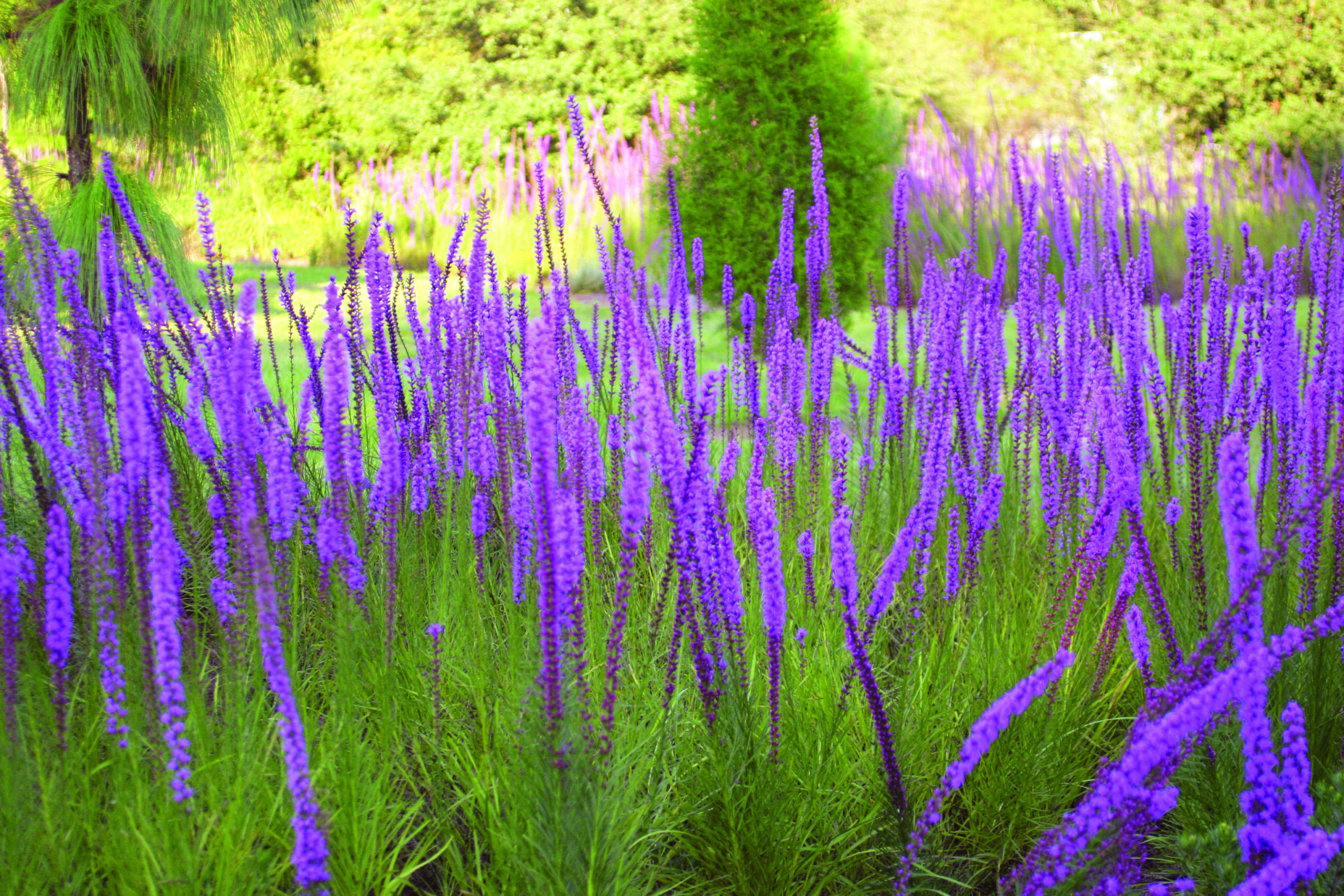
Credit: www.flawildflowers.org
Planting Techniques
Planting native wildflowers in Central Florida soil requires the right techniques. These methods help seeds grow strong and healthy. Proper planting increases the chance of a colorful, thriving garden.
Seed Starting Methods
Start seeds indoors for better control. Use small pots or seed trays with well-draining soil. Keep the soil moist but not soaked. Place containers in a warm spot with indirect sunlight. Once seedlings grow a few inches tall, move them outside slowly to harden off.
Direct Sowing Tips
Plant seeds directly in the garden for natural growth. Prepare the soil by removing weeds and loosening the top layer. Sow seeds on the surface or lightly cover with soil. Water gently to avoid washing seeds away. Choose a calm day to sow seeds for best results.
Spacing And Depth Guidelines
Follow seed packet instructions for spacing to avoid overcrowding. Most wildflower seeds need 6 to 12 inches between plants. Plant seeds at a depth about twice their size. Too deep or too shallow planting can stop growth. Correct spacing helps air flow and reduces disease risk.
Watering And Maintenance
Watering and maintenance are key for growing native wildflowers in Central Florida soil. Proper care helps plants survive hot weather and sandy ground. This section covers how to keep your wildflowers healthy and thriving. Follow these easy steps for best results.
Establishing Young Plants
Young wildflowers need extra care at first. Water them gently right after planting. Keep soil moist but not soaked. Avoid heavy watering that can wash away seeds. Protect seedlings from strong sun by using light shade. Check plants daily for signs of stress or dryness.
Watering Schedule
Water wildflowers early in the morning or late in the evening. This reduces water loss from heat. For young plants, water two to three times a week. Mature plants need less water, about once a week. Adjust watering depending on rainfall and temperature. Always let soil dry slightly between watering sessions.
Controlling Weeds Naturally
Weeds compete for water and nutrients with wildflowers. Remove weeds by hand regularly. Mulch around plants to stop weed growth and keep soil moist. Use natural mulch like pine needles or shredded bark. Avoid chemical weed killers to protect wildflower health. Keep wildflower beds clean for best growth.
Dealing With Common Challenges
Planting native wildflowers in Central Florida can be rewarding but comes with challenges. Understanding how to handle pests, diseases, and weather helps your garden thrive. These tips simplify common problems and support healthy growth.
Pest Management
Insects often attack wildflowers, eating leaves or stems. Use natural methods like handpicking bugs or spraying water. Plant flowers that attract beneficial insects such as ladybugs. Avoid chemical pesticides to protect the ecosystem and pollinators.
Disease Prevention
Fungal and bacterial diseases can harm wildflowers. Keep plants spaced to improve air flow. Water at the base to avoid wet leaves. Remove any diseased parts quickly to stop spread. Use clean tools and healthy seeds to reduce risks.
Handling Harsh Weather
Central Florida weather can be hot and dry or rainy and humid. Mulch helps keep soil moist and cool. Water early in the day to reduce evaporation. Protect young plants with shade cloth during extreme heat. After storms, check for damage and remove debris.
Encouraging Wildflower Growth
Encouraging wildflower growth in Central Florida soil requires care and the right methods. Native wildflowers thrive best when the soil and environment support their natural needs. Small steps can make a big difference in how well your wildflowers grow and bloom.
Mulching Benefits
Mulch helps keep soil moist by reducing water loss. It also controls weeds that compete with wildflowers for nutrients. Organic mulch slowly breaks down, adding nutrients back into the soil. Mulching keeps soil temperature steady, protecting roots from heat. Spread a thin layer around wildflowers but avoid covering the base of plants.
Fertilizing Approaches
Native wildflowers usually need little fertilizer. Too much fertilizer can harm their growth. Use a slow-release fertilizer with low nitrogen for best results. Apply fertilizer in early spring to support new growth. Avoid chemical fertilizers that may damage beneficial soil organisms. Compost or natural amendments often work better than synthetic products.
Promoting Pollinator Activity
Pollinators like bees and butterflies help wildflowers reproduce by spreading pollen. Plant a variety of native flowers to attract more pollinators. Avoid pesticides that can harm these insects. Provide water sources like shallow dishes with stones for safe drinking. Create a habitat by leaving some natural areas and avoiding heavy garden cleanup.
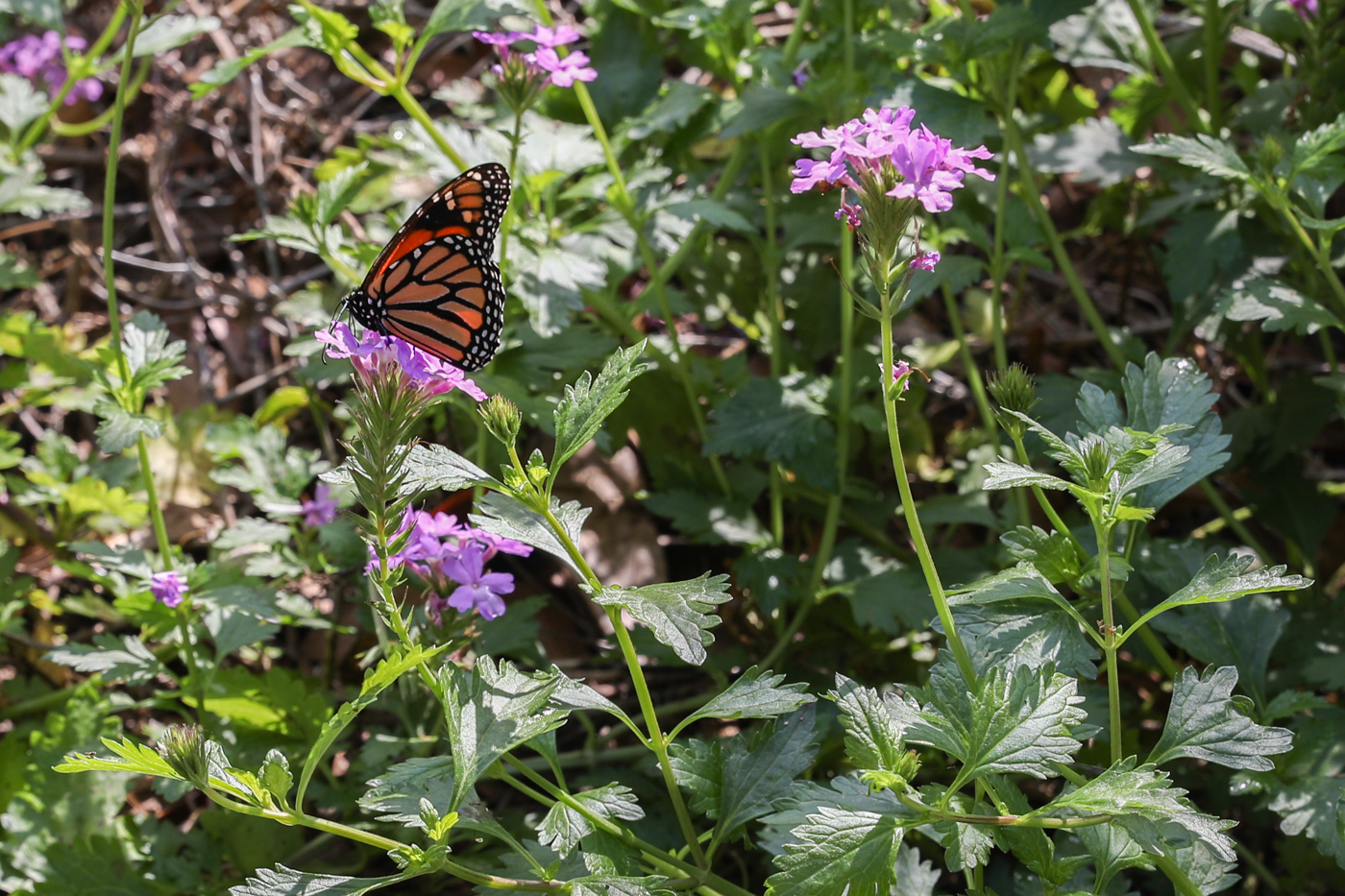
Credit: environmentamerica.org
Frequently Asked Questions
What Native Wildflowers Thrive In Central Florida Soil?
Central Florida soil supports wildflowers like Black-eyed Susan, Coreopsis, and Blanketflower. These species adapt well to sandy, well-drained soils and sunny conditions, making them ideal for local planting.
How Do I Prepare Soil For Native Wildflowers?
Clear weeds and loosen the soil to a depth of 6-8 inches. Add organic compost to enrich sandy soils and improve water retention before planting seeds.
When Is The Best Time To Plant Wildflower Seeds In Central Florida?
Plant wildflower seeds in early spring or late fall. These seasons offer mild temperatures and adequate rainfall, promoting better germination and growth.
How Often Should Native Wildflowers Be Watered?
Water newly planted seeds lightly daily until germination. After establishment, reduce watering to once or twice weekly to encourage deep root growth and drought tolerance.
Conclusion
Planting native wildflowers in Central Florida soil brings many benefits. These flowers need less water and care. They support local bees, butterflies, and birds. Start with good soil preparation and pick seeds suited for your area. Water regularly until plants grow strong.
Enjoy colorful blooms that brighten your garden naturally. A wildflower garden also helps protect the environment. Small efforts lead to beautiful, lasting results. Give native wildflowers a chance to thrive in your yard. Nature will thank you.