
Summer in Florida can be tough on many plants, but if you know which vegetables to choose, your garden can thrive despite the heat. You don’t have to struggle with wilted leaves or empty garden beds this season.
Imagine harvesting fresh, homegrown veggies that love the Florida sun as much as you do. You’ll discover the best vegetables to grow in Florida summer—those heat-tolerant, sun-loving varieties that will keep your garden green and your kitchen stocked. Ready to turn up the heat on your gardening success?
Let’s dive in!
Heat-tolerant Vegetables
Florida summers bring intense heat and humidity. Many vegetables struggle under such conditions. Heat-tolerant vegetables thrive in this climate. They grow strong despite high temperatures. These plants provide fresh produce all summer long. Choosing the right vegetables ensures a successful garden.
Okra Benefits And Care
Okra loves hot weather and grows well in Florida. It is drought-tolerant and easy to grow. Okra pods are rich in vitamins and fiber. Plant okra seeds directly in warm soil. Water regularly but avoid waterlogging. Harvest pods when they are young and tender. Okra adds a unique flavor to many dishes.
Southern Peas Varieties
Southern peas include black-eyed peas and crowder peas. They are heat-resistant and improve soil health. Plant peas in well-drained soil with plenty of sunlight. These peas fix nitrogen, helping other plants grow. Harvest pods when they are fully mature. Southern peas are a staple in southern cooking.
Sweet Potato Growing Tips
Sweet potatoes thrive in Florida’s hot, sandy soil. Plant slips after the last frost date. Space plants about 12 inches apart. Water consistently but reduce watering as tubers develop. Sweet potatoes need full sun for best growth. Harvest in 90 to 120 days, before frost. They store well and provide sweet, nutritious food.
Eggplant And Tomato Varieties
Eggplants and tomatoes love heat but need care. Choose heat-tolerant varieties like ‘Black Beauty’ eggplant. For tomatoes, select ‘Heatmaster’ or ‘Solar Fire’. Plant in rich, well-draining soil with full sun. Water deeply and mulch to keep soil moist. Support plants with cages or stakes. Regular pruning helps airflow and fruit production.
Cucumbers And Squash Choices
Cucumbers and squash grow fast in warm weather. Pick heat-tolerant varieties such as ‘Marketmore’ cucumber. For squash, try ‘Zephyr’ or ‘Tromboncino’. Provide plenty of space for vines to spread. Water early in the day to avoid diseases. Harvest cucumbers when firm and squash before too large. These vegetables add crunch and flavor to meals.
Corn Cultivation Tips
Corn loves Florida’s summer heat and grows well here. Plant corn in blocks for better pollination. Use fertile, well-drained soil with full sunlight. Water deeply during dry spells to support growth. Fertilize regularly to boost yield. Harvest ears when silk turns brown and kernels are plump. Fresh corn is a summer favorite in many kitchens.
Leafy Greens For Hot Weather
Leafy greens can be a challenge to grow in Florida’s hot summer. Most greens prefer cooler temperatures and wilt quickly under the sun. Certain leafy greens, however, thrive in heat and provide fresh, nutritious options all summer long. These heat-loving greens grow well and stay tender despite high temperatures.
Choosing the right varieties helps gardeners enjoy homegrown greens without the usual heat stress. Amaranth, Malabar spinach, and sweet potato leaves stand out as top choices for Florida summers. They tolerate heat, resist pests, and deliver tasty greens for salads, cooking, or smoothies.
Amaranth Advantages
Amaranth is a vibrant leafy green that loves hot weather. It grows fast and tolerates Florida’s strong sun. The leaves are rich in vitamins A and C, making them very healthy. Amaranth requires little water once established and resists most pests. It also comes in red and green varieties, adding color to your garden. You can harvest leaves regularly without harming the plant. Amaranth’s high heat tolerance makes it perfect for summer gardens.
Malabar Spinach Growth
Malabar spinach is a climbing vine that thrives in heat. It does well in Florida’s humid summer climate. Unlike regular spinach, it does not bolt or wilt in hot weather. The leaves are thick, juicy, and mild-flavored. Malabar spinach grows quickly and needs support to climb. It prefers well-drained soil and regular watering. Harvest leaves often to encourage new growth. This green is great for salads, stir-fries, and soups during hot months.
Sweet Potato Leaves As Greens
Sweet potato leaves are a surprising green to grow for summer. The plant tolerates heat and drought very well. Leaves are tender and slightly sweet, perfect for cooking or steaming. Sweet potatoes spread wide, covering soil and reducing weeds. Leaves can be picked continuously, promoting more growth. This crop provides both nutritious greens and tasty tubers. Sweet potato leaves add variety and nutrition to any hot-weather garden.
Other Heat-loving Crops
Florida’s summer heat suits many vegetables that love warmth and sun. These crops grow strong and produce well despite high temperatures. Beyond common summer veggies, several other heat-loving plants thrive in Florida’s hot climate. They add variety and nutrition to your garden. Explore these lesser-known but rewarding options to expand your summer harvest.
Roselle Uses And Growth
Roselle is a tropical plant that loves heat and sun. It grows well in Florida’s summer climate. The plant produces bright red calyces used for tea, jams, and sauces. Roselle is easy to grow from seeds. It prefers well-drained soil and regular watering. Harvest the calyces before they dry out. Roselle adds a unique flavor and color to your garden’s produce.
Cantaloupe Cultivation
Cantaloupe thrives in hot weather and full sun. Plant seeds directly in warm soil after the last frost. Space vines about 3 feet apart for good air flow. Water regularly but avoid wetting the leaves. Mulch helps keep soil moist and cool. Harvest melons when they slip easily from the vine. Sweet, juicy cantaloupes are a refreshing summer treat.
Watermelon Tips
Watermelon is a classic heat-loving crop perfect for Florida summers. Choose varieties suited for your space and season length. Plant seeds in rich, well-drained soil with plenty of sun. Space vines widely to allow growth. Water deeply but reduce watering as fruit matures for sweeter melons. Look for a creamy yellow spot on the rind to know when to pick. Watermelon adds fun and flavor to any summer garden.

Credit: floridafarmfamily.com
Soil And Climate Considerations
Growing vegetables in Florida’s summer demands attention to soil and climate. The region’s hot temperatures and occasional droughts influence plant health and yield. Proper soil care and managing heat are vital for success. Understanding these factors helps gardeners choose the best methods to grow strong, productive plants.
Soil Preparation For Summer
Start by testing your soil’s pH and nutrient levels. Florida soils often need extra organic matter. Mix compost or aged manure into the soil to improve texture and fertility. Clear away weeds and debris for better root growth. Raised beds or containers can help with drainage. Well-prepared soil boosts vegetable growth and resilience.
Managing Heat And Drought
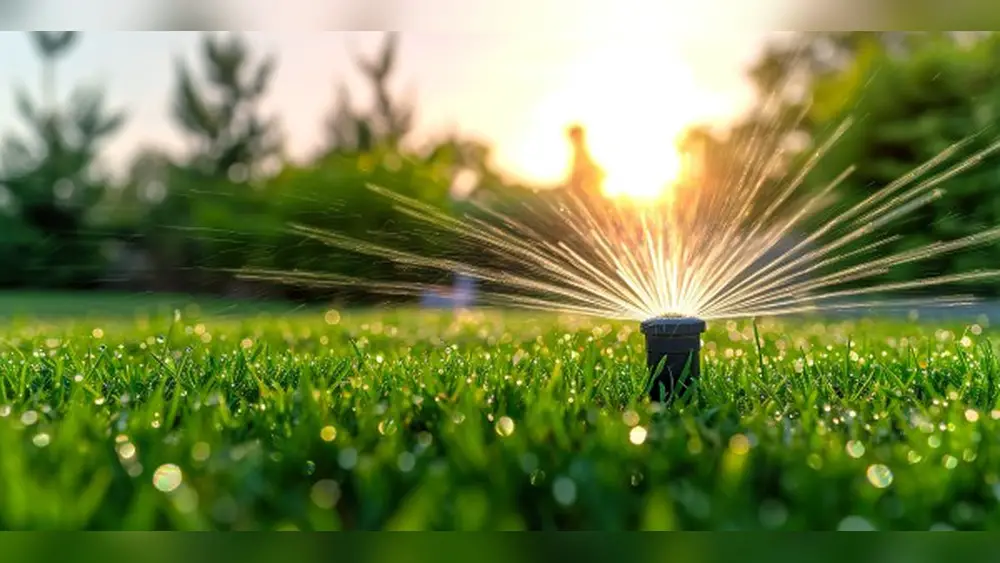
Florida summers bring intense heat and dry spells. Mulch around plants to keep soil moist and cool. Use drip irrigation to provide steady water without waste. Choose heat-tolerant vegetable varieties to reduce stress. Shade cloths protect young plants from sunburn. These steps help vegetables survive tough summer conditions.
Improving Soil With Peas
Planting peas adds nitrogen to the soil naturally. This improves fertility for following crops. Peas grow well in early summer before full heat sets in. Once harvested, leave roots in the ground to enrich soil. Using peas as a cover crop supports healthier vegetable gardens. This eco-friendly method saves money and effort.
Planting And Maintenance
Growing vegetables in Florida’s summer requires careful planning and upkeep. The warm climate and intense sun demand specific planting methods and ongoing care. Proper planting techniques and regular maintenance help your garden thrive despite the heat and humidity. Understanding the best ways to sow seeds, water plants, and manage pests ensures a healthy vegetable crop.
Direct Sowing Vs Transplants
Some vegetables grow better when sown directly into the soil. Okra and southern peas perform well as direct seeds. They develop strong roots and adapt quickly to Florida’s climate. Transplants give other plants a head start. Tomatoes and eggplants benefit from early indoor growth before moving outside. Choose the method that suits each vegetable’s needs and your garden space.
Watering Strategies
Water your garden deeply but less often. This encourages strong roots and reduces water waste. Early morning watering helps plants absorb moisture before the heat rises. Avoid overhead watering to prevent leaf diseases. Use drip irrigation or soaker hoses for best results. Consistent moisture is vital during hot, dry spells.
Pest And Disease Management
Watch for common pests like aphids, whiteflies, and caterpillars. Inspect plants regularly for damage or unusual spots. Use natural predators or insecticidal soap to control pests safely. Keep the garden clean by removing dead leaves and weeds. Rotate crops each season to prevent soil diseases. Healthy plants resist pests and diseases better.

Credit: www.revivalgardening.com
Maximizing Garden Success
Maximizing garden success in Florida’s summer requires smart planning and care. The heat and humidity can stress plants. Using effective techniques helps your vegetables grow strong and healthy. Proper strategies protect your garden from pests and diseases. They also improve soil health and boost yields.
Here are some useful methods to keep your Florida summer garden thriving.
Crop Rotation Ideas
Change the vegetable families planted in each spot every season. This practice reduces soil pests and diseases. It also prevents nutrient depletion in the soil. For example, follow heavy feeders like tomatoes with nitrogen-fixing crops like beans. Rotate root crops such as carrots with leafy greens. This keeps the soil balanced and healthy for future plants.
Companion Planting Benefits
Plant certain vegetables together to help each other grow. Some plants repel insects that harm neighbors. Others attract helpful pollinators or improve soil nutrients. For instance, grow basil near tomatoes to deter pests. Marigolds can protect many vegetables from nematodes. Companion planting uses nature’s balance to support your garden’s health.
Harvesting Tips
Pick vegetables at their peak for best taste and nutrition. Harvest frequently to encourage continuous production. Use clean, sharp tools to avoid damaging plants. Check plants daily during hot months to avoid overripe produce. Store harvested vegetables properly to keep them fresh longer. Timely harvesting keeps your garden productive and rewarding.

Credit: www.revivalgardening.com
Frequently Asked Questions
What’s The Easiest Vegetable To Grow In Florida?
Okra, sweet potatoes, and southern peas are the easiest vegetables to grow in Florida’s hot, subtropical climate.
What Grows Well In Florida Heat?
Okra, sweet potatoes, southern peas, eggplant, tomatoes, cucumbers, corn, squash, amaranth, and Malabar spinach grow well in Florida heat.
What Is The Best Month To Plant Vegetables In Florida?
The best months to plant vegetables in Florida are February to April and September to November. These periods avoid extreme heat and frost. Choose heat-tolerant crops for summer planting. Planting during these months ensures healthy growth and better yields in Florida’s climate.
What Vegetables Don’t Grow Well In Florida?
Cool-season vegetables like broccoli, cauliflower, carrots, and lettuce struggle in Florida’s heat and humidity. Root crops such as radishes and beets also perform poorly. These plants prefer cooler climates and often bolt or fail to thrive in Florida’s warm, subtropical environment.
Conclusion
Growing vegetables in Florida’s summer is rewarding and fun. Choose heat-tolerant plants like okra, sweet potatoes, and southern peas. These veggies handle the heat and grow well in the sun. Also, try cucumbers, squash, and tomatoes for variety and taste.
Keep soil moist and watch for pests regularly. With simple care, your summer garden will thrive. Enjoy fresh, homegrown vegetables all season long. Start planting today to make the most of Florida’s warm weather. Gardening success is just a few seeds away.