Roses are the quintessential symbol of beauty and romance, but did you know you can multiply your favorite blooms without spending a fortune at the nursery? Propagating roses from stem cuttings is a simple, rewarding way to expand your garden. Whether you’re salvaging stems from a bouquet or pruning your own bush, this method lets you create new plants that are exact clones of the parent. In this comprehensive guide, we’ll cover everything from selecting the right stems to nurturing your rooted cuttings into thriving shrubs. By the end, you’ll be ready to turn those leftover rose stems into a blooming paradise—all with minimal tools and effort.
If you’re new to gardening or just love easy propagation techniques, stick around. We’ll break it down into foolproof steps, share pro tips, and even explore fun alternatives like the potato method. Let’s dive in and get those roots growing!
Why Propagate Roses from Stems? The Benefits of This Easy Cloning Technique
Propagating roses from cuttings isn’t just cost-effective—it’s a fun way to preserve heirloom varieties or share plants with friends. Unlike buying new roses, which can cost $20–$50 per bush, stem propagation lets you create dozens from a single healthy plant. Plus, it’s eco-friendly and satisfying to watch your efforts bloom.
This method works best for hybrid teas, floribundas, and climbers, but most rose types root readily. Success rates can hit 80% with the right care, turning a simple hobby into a garden full of personalized color.
When Is the Best Time to Take Rose Cuttings?
Timing is key to easy rose propagation. The ideal window is late spring to early summer (May–July in most climates), when stems are semi-hardwood—firm but flexible, not too green or woody. This stage promotes faster rooting.
If you’re working with bouquet roses, act within 24–48 hours of purchase, as fresh stems root best. Avoid winter cuttings, when plants are dormant, or midsummer heat that stresses the stems.
Materials Needed for Planting Roses from Stems
Gathering supplies is straightforward—no fancy equipment required. Here’s a simple list to get started:
- Sharp pruning shears or knife: For clean cuts.
- Healthy rose stems: 4–6 inches long with at least 3–4 leaf nodes.
- Rooting hormone powder or gel: Optional but boosts success (like those with IBA).
- Potting mix: Well-draining, sterile soil like a seed-starting mix or equal parts sand and peat.
- Small pots or containers: 4–6 inch pots with drainage holes.
- Clear plastic bags or dome: For humidity.
- Spray bottle: For misting.
Pro tip: For an ultra-easy setup, repurpose a 2-liter soda bottle as a mini greenhouse by cutting it in half and inverting the top.
Step-by-Step Guide: How to Plant Roses from Stems Easily
Follow these straightforward steps for rooting rose cuttings at home. The whole process takes about 10–15 minutes per batch, with roots forming in 4–8 weeks.
Step 1: Select and Prepare Your Rose Stems
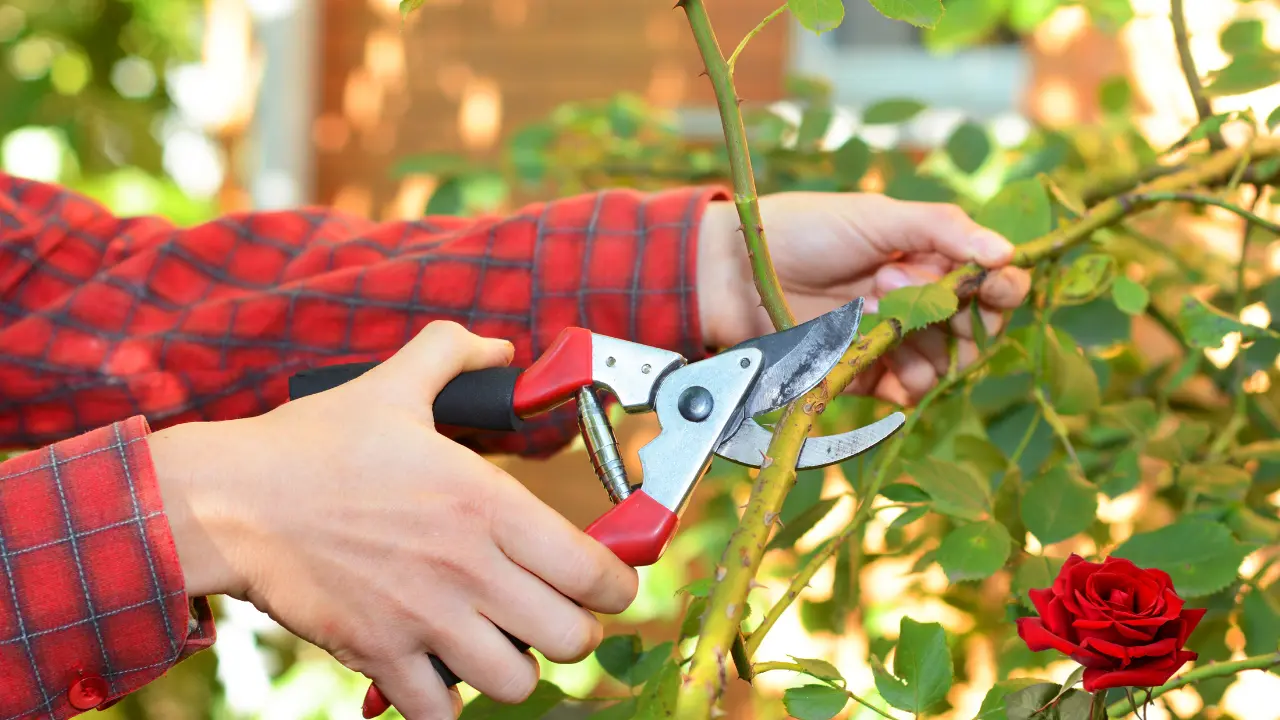
Choose vigorous, disease-free stems from a healthy mother plant. Look for pencil-thick growth with buds but no flowers. For bouquet roses, skip any with preservatives.
- Cut 4–6 inch sections just below a leaf node (where leaves meet the stem) at a 45-degree angle—this maximizes water uptake.
- Remove leaves from the bottom half to prevent rot, leaving 2–3 sets at the top for photosynthesis.
- Optionally, “wound” the bottom inch by scraping the bark to expose cambium tissue, which encourages root growth.
Step 2: Dip in Rooting Hormone
Boost your odds by dipping the cut end in rooting hormone. Shake off excess, or for a natural alternative, use honey or aloe vera gel as a mild antimicrobial.
Step 3: Plant the Cuttings
Fill pots with moist potting mix. Poke a hole with a pencil, insert the stem 2 inches deep, and firm the soil around it. Space multiple cuttings 2–3 inches apart in a tray for efficiency.
For water propagation (super beginner-friendly), place stems in a jar of room-temperature water, changing it weekly.
Step 4: Create a Humid Environment
Cover pots with a plastic bag or dome to mimic a greenhouse—aim for 70–80% humidity. Place in bright, indirect light (not direct sun) at 65–75°F. Mist as needed to keep soil damp but not soggy.
Step 5: Monitor and Transplant
Check for roots by gently tugging after 4 weeks—resistance means success! Once roots are 1–2 inches long, acclimate by removing the cover gradually. Transplant to larger pots or garden beds in partial sun.
Fun Alternative Methods for Rooting Rose Cuttings
Want to experiment? Try these easy twists on the classic soil method:
- Potato Propagation: Slice a potato lengthwise, insert the stem, and plant in soil. The potato provides moisture and nutrients—roots form in 3–4 weeks.
- Toilet Paper Roll Technique: Wrap dampened cuttings in hormone-dipped toilet paper, roll up, and place in a bag until roots appear (great for small spaces).
- Soda Bottle Cloche: As mentioned, this DIY humidity dome protects cuttings from drying out.
These hacks make propagating roses from stems even more accessible and forgiving.
Caring for Your New Rose Plants: From Rooted Cuttings to Blooming Bushes
Once rooted, treat your baby roses like pampered guests. Water deeply but infrequently, allowing soil to dry slightly between sessions. Fertilize monthly with a balanced rose food after 6 weeks.
In the garden, plant in well-drained soil amended with compost, spacing 2–3 feet apart. Mulch to retain moisture and suppress weeds. Expect first blooms in 6–12 months—patience pays off with vigorous, identical-to-parent flowers.
Common Mistakes to Avoid When Propagating Roses
Even easy methods have pitfalls—here’s how to sidestep them:
- Overwatering: Leads to rot; err on the dry side.
- Direct Sun: Scorches tender cuttings; indirect light is best.
- Skipping Hormone: Slows rooting; it’s worth the $5 investment.
- Dirty Tools: Sterilize shears with alcohol to prevent disease.
By avoiding these, you’ll achieve higher success rates and healthier plants.
Frequently Asked Questions About Planting Roses from Stems
Can you propagate roses from store-bought bouquets?
Yes! Fresh bouquet stems root well if treated quickly, though success varies by variety.
How long does it take for rose cuttings to root?
Typically 4–8 weeks, depending on conditions and type.
What if my cuttings don’t root?
Try warmer spots, fresh hormone, or a different method like water rooting.
Are there roses that don’t propagate from stems?
Most do, but some own-root varieties like Knock Out root easiest.
Propagating roses from stems is one of the most accessible ways to grow your garden organically. With these steps, you’ll soon have a rose-filled oasis tailored to your taste. Grab some cuttings this weekend and give it a go—what’s your favorite rose variety to clone? Share in the comments below!