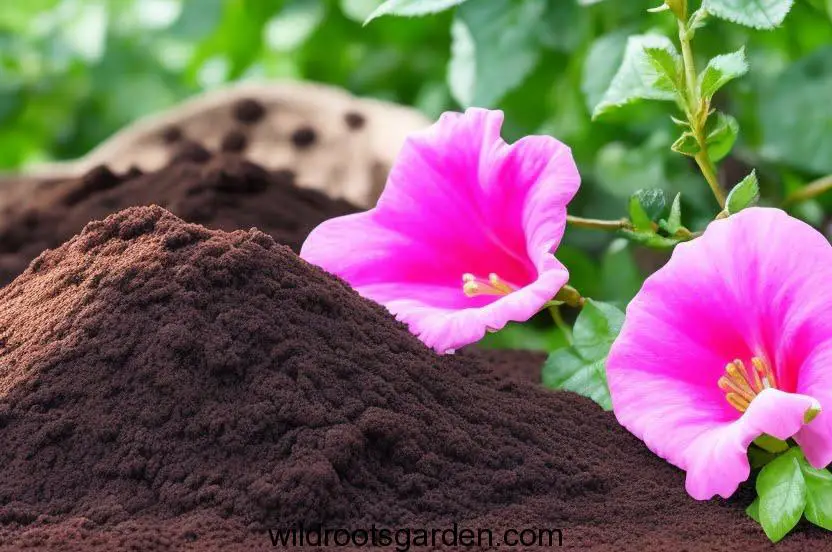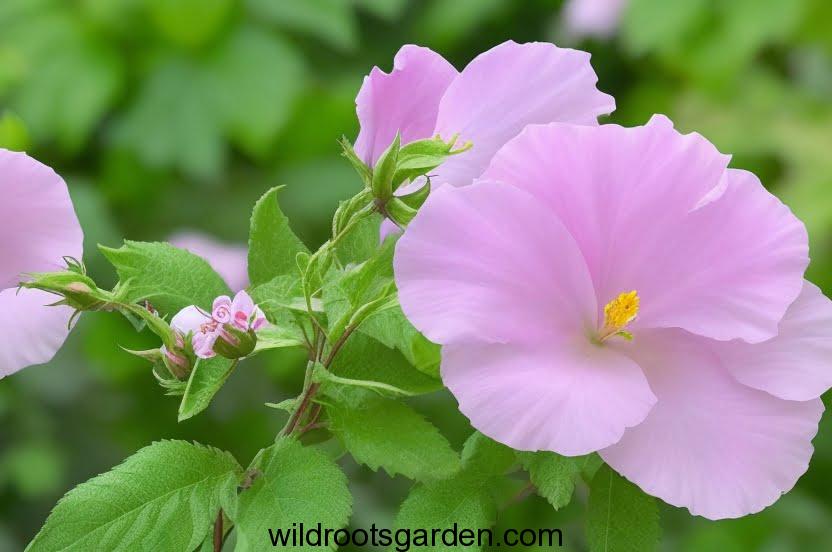
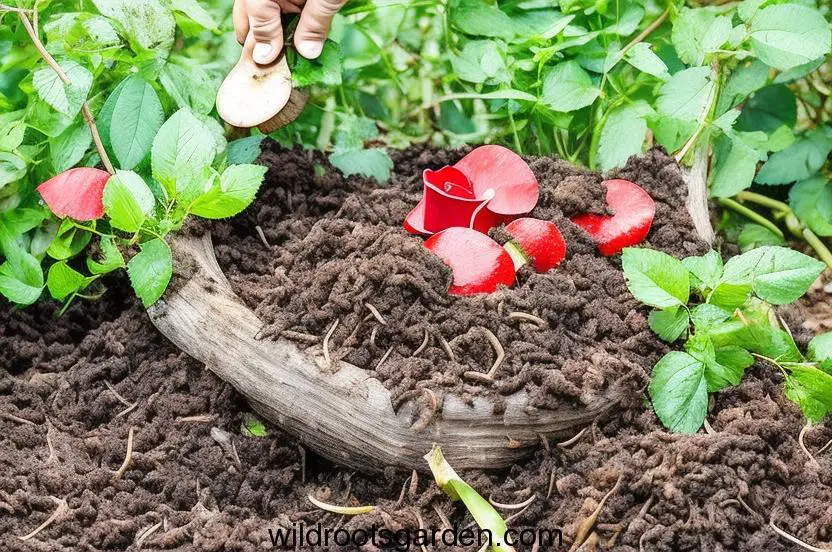
Is Mushroom Compost Good for Roses? The world over, gardeners and enthusiasts are enamored with roses because of their famed beauty and grace. Providing roses with nutrient-rich soil is vital for ensuring their healthy growth and brilliant blooms. Mushroom compost is one common soil supplement that has attracted a lot of interest. We will examine the advantages, uses, and nuances of utilizing mushroom compost for roses in this extensive tutorial.
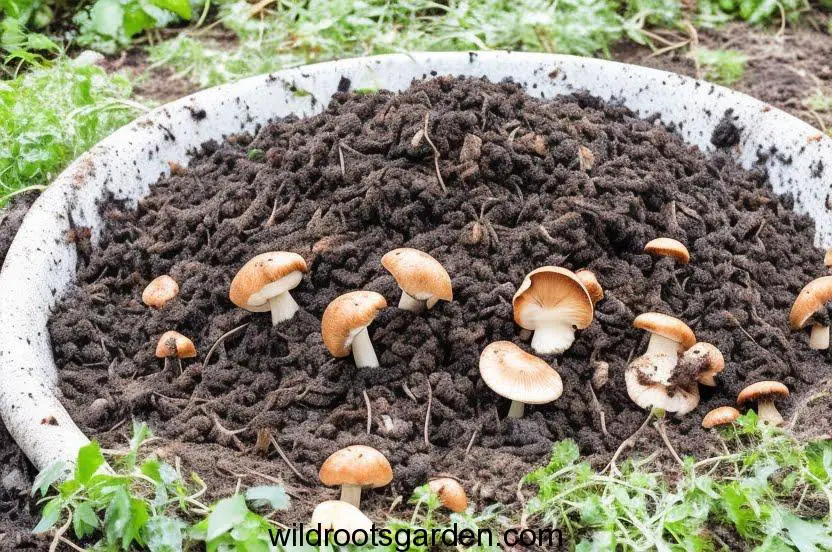
Is Mushroom Compost Good for Roses?
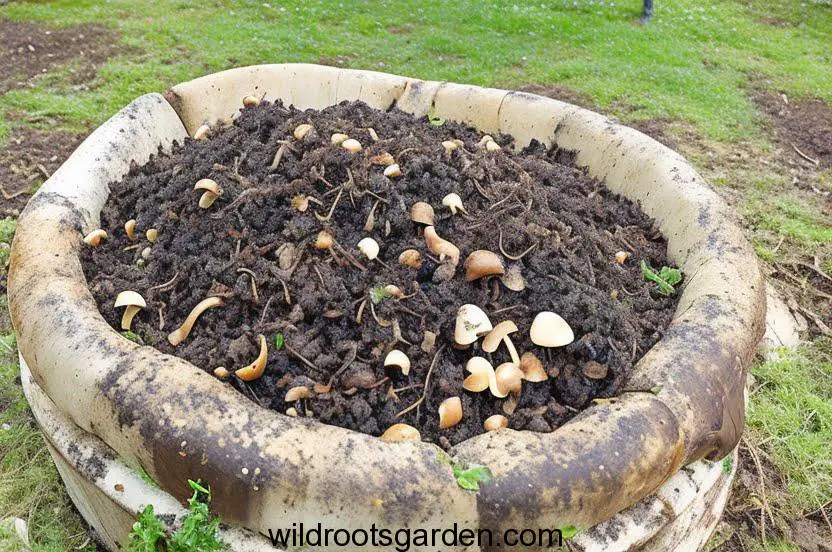
Mushroom compost, commonly referred to as mushroom soil or substrate, is an organic material made when mushrooms are grown. It is made out of a combination of different organic products like straw, maize cobs, hay, and chicken dung. Compost made from mushrooms is produced through a composting process that yields a nutrient-rich substance that is extremely beneficial to roses.
The Benefits of Mushroom Compost for Roses
- Improved Soil Structure: Mushroom compost helps improve soil structure by enhancing its water-holding capacity and drainage. This is particularly important for roses, as they require well-drained soil to prevent root rot and other fungal diseases.
- Nutrient-Rich: Mushroom compost is teeming with essential nutrients that roses need to thrive. It contains a balanced mix of nitrogen, phosphorus, and potassium (NPK), as well as micronutrients like iron and zinc. These nutrients promote healthy foliage growth, strong root development, and vibrant blooms.
- Enhanced Moisture Retention: Roses benefit from consistent moisture levels in the soil, and mushroom compost helps retain moisture effectively. This can be especially advantageous during dry periods or in regions with limited rainfall.
- Suppression of Soil-Borne Diseases: Mushroom compost has natural disease-suppressing properties that can help protect roses from soil-borne pathogens. This can reduce the risk of diseases such as root rot and powdery mildew.
- Slow Release of Nutrients: Unlike synthetic fertilizers that release nutrients rapidly, mushroom compost provides a slow and steady release of nutrients over time. This promotes sustained growth and prevents the risk of nutrient burn or excessive nutrient leaching.
How to Use Mushroom Compost for Roses?
Using mushroom compost for roses requires proper application techniques to maximize its benefits. Follow these steps to incorporate mushroom compost into your rose garden:
- Preparing the Soil: Before applying mushroom compost, ensure that the soil is loose, well-drained, and free from weeds. Remove any debris or rocks that may hinder proper root growth.
- Mixing with Existing Soil: Spread a layer of mushroom compost approximately 2-3 inches thick over the planting area. Gently incorporate the compost into the top 8-10 inches of soil, blending it thoroughly.
- Planting Roses: Dig a hole slightly larger than the root ball of the rose plant. Place the rose plant into the hole, ensuring that the bud union is level with or slightly above the soil surface. Backfill the hole with a mixture of soil and mushroom compost, firming it gently around the roots.
- Mulching: Apply a layer of organic mulch around the base of the rose plant to conserve moisture, suppress weeds, and regulate soil temperature. Avoid piling the mulch against the stem, as it can lead to moisture-related diseases.
- Watering and Maintenance: After planting, water the roses thoroughly to settle the soil and eliminate air pockets. Maintain regular watering, ensuring that the soil remains consistently moist but not waterlogged. Monitor the plants for any signs of pests or diseases and address them promptly.
FAQs about Using Mushroom Compost for Roses
FAQ 1: Can mushroom compost be used for all types of roses?
Yes, mushroom compost can be used for all types of roses, including hybrid teas, floribundas, climbers, and shrub roses. It provides beneficial nutrients and improves soil structure, promoting healthy growth and abundant blooms.
FAQ 2: How often should mushroom compost be applied to roses?
Mushroom compost can be applied annually or as needed. A layer of compost applied during the spring or fall is generally sufficient to provide the necessary nutrients and soil improvement.
FAQ 3: Can mushroom compost replace other fertilizers for roses?
Mushroom compost can serve as a valuable soil amendment, but it is recommended to supplement it with other organic or slow-release fertilizers. This ensures a balanced nutrient supply and meets the specific needs of the roses.
FAQ 4: Is mushroom compost pH-neutral?
Mushroom compost tends to be slightly alkaline, which is generally favorable for roses. However, it is advisable to test the soil pH periodically and make adjustments if necessary to maintain the ideal pH range for roses (5.5-7.0).
FAQ 5: Where can I purchase mushroom compost?
Mushroom compost is readily available at garden centers, nurseries, and online suppliers. Ensure that you source it from reputable sources to guarantee quality and avoid potential contaminants.
FAQ 6: Can mushroom compost attract pests or insects to roses?
When properly composted, mushroom compost does not typically attract pests or insects. However, it is always wise to monitor the garden for any signs of pests and take appropriate measures if needed.
Conclusion
Mushroom compost is a great option for nourishing roses, to sum up. It is a beneficial addition to any rose garden due to its nutrient-rich content, capacity to improve soil structure, and disease-suppressing qualities. You may provide your roses with the ideal circumstances they need to thrive by using the right application methods and including mushroom compost in your gardening regimen.