
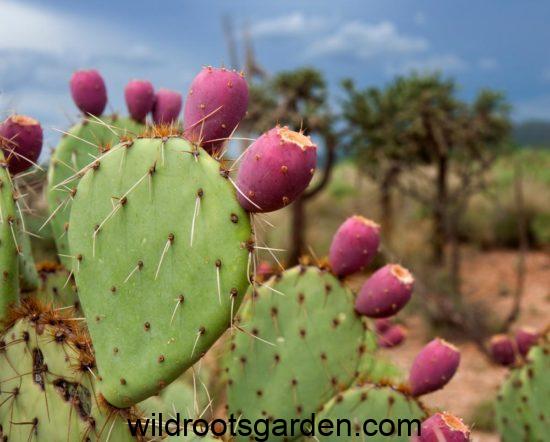
The prickly pear cactus is both a fruit and a vegetable. It bears a sweet and edible fruit, while its green pods, called nopalitos, are consumed as a vegetable.
This unique plant offers both fruit and vegetable benefits. The prickly pear cactus, known for its resilience in arid climates, surprises many with its dual classification as both a fruit and a vegetable. Its edible pads, with a taste similar to green beans and a texture akin to okra when cooked, are enjoyed as a vegetable.
Meanwhile, the sweet and nutritious fruit it produces is a delightful addition to various culinary dishes. This versatile plant’s duality adds an interesting dimension to its culinary and nutritional significance, making it a valuable and unique addition to diets and recipes.
Cactus Classification Conundrum
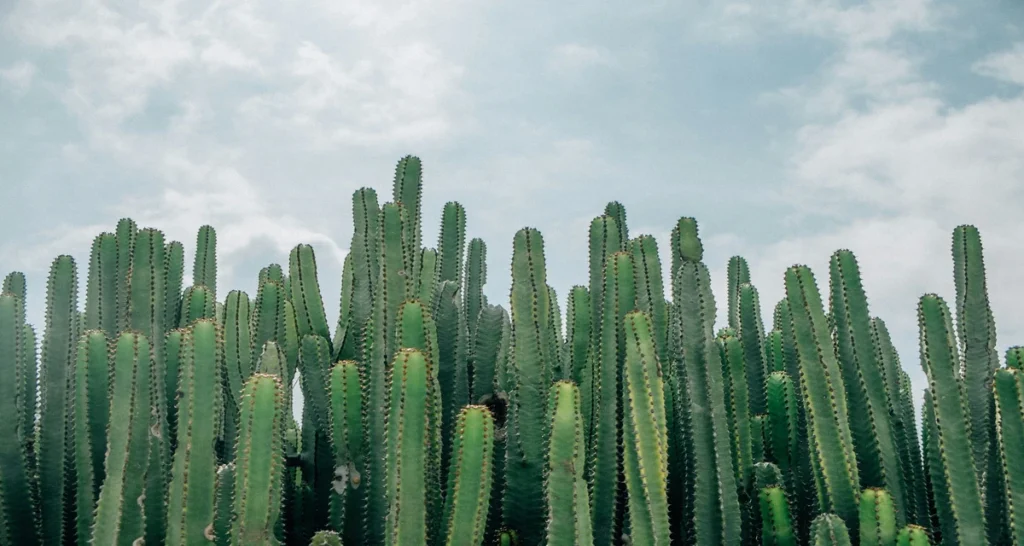
The cactus classification problem revolves around whether it is a fruit or a vegetable. While the pads are consumed as a vegetable, the fruit of the prickly pear cactus is also edible, blurring the lines between fruit and vegetable categories.
Botanical Perspective
From a botanical perspective, the classification of cactus can be quite perplexing. While cacti are commonly known for their succulent and spiky appearance, determining whether they are fruits or vegetables is not as straightforward as it may seem.
Cacti belong to the family Cactaceae, which is composed of numerous species. These plants are classified as succulent perennials due to their ability to store water in their thick stems. However, when categorizing them as fruits or vegetables, things become a bit more complicated.
Culinary Angle
When viewed from a culinary angle, cacti can be considered both fruits and vegetables, depending on the specific part of the consumed plant. The flat green leaves, also known as pads or paddles, are often eaten as a vegetable and are commonly referred to as nopales or nopalitos.
When cooked, these pads have a taste reminiscent of green beans and a texture similar to okra. They are often used in various dishes, such as salads, stews, and even tacos. Their versatility in the kitchen makes them a popular choice among those who enjoy experimenting with different flavors and textures.
Additionally, certain species of cacti produce fruits that are edible and enjoyed by many. One such example is the prickly pear cactus, which develops sweet and delicious fruits known as tunas. These fruits can be consumed raw, juiced, or used in various culinary preparations, such as jams, jellies, and desserts.
In conclusion, the cactus classification conundrum arises from the fact that cacti can be considered both fruits and vegetables, depending on the specific part of the consumed plant. From a botanical perspective, they are succulent perennials with thick stems, while from a culinary angle, they offer both vegetable-like pads and fruit-like fruits. So, whether you consider cacti as fruits or vegetables, one thing is for sure – they add a unique and flavorful touch to any meal.
Cactus Basics
When it comes to understanding cacti, it’s important to grasp the basics. Cacti are unique plants that have adapted to survive in arid environments. They are known for their thick, fleshy stems, and often for their sharp spines. But are they considered fruits or vegetables?
Defining Characteristics
Cacti are succulent plants that store water in their thick stems, allowing them to thrive in dry, desert-like conditions. Their stems are usually green and contain chlorophyll, enabling them to produce energy through photosynthesis. The spines, which are modified leaves, help protect the cactus from predators and reduce water loss through transpiration.
Varieties And Common Types
There are numerous varieties of cacti, each with its unique characteristics. Some of the most common types include the prickly pear cactus, barrel cactus, saguaro cactus, and Christmas cactus. These varieties differ in size, shape, and the appearance of their stems and spines.
Cactus As A Vegetable
Cactus, particularly the prickly pear cactus, is a unique plant that can be classified as both a fruit and a vegetable. Let’s explore the vegetable aspect of cactus and how it is used in culinary practices.
Nopales: The Vegetable Pads
Nopales, also known as cactus pads, are the flat green leaves or stems of the prickly pear cactus. These pads are commonly consumed as a vegetable in various cuisines.
Culinary Uses Of Cactus Pads
- Nopales can be cooked and added to salads for a nutritious crunch.
- They are often grilled, sautéed, or pickled to enhance their flavor.
- Cactus pads are used in dishes like tacos, omelets, and stews for a unique texture.
Cactus As A Fruit
The cactus is a unique plant that produces both fruit and vegetable components. The prickly pear cactus, for example, yields edible pads and sweet, edible fruits, making it a versatile addition to culinary dishes. While the pads are consumed as a vegetable, the fruits are enjoyed for their sweetness and nutritional benefits.
Cactus is a unique plant that can serve both as a fruit and a vegetable. In this section, we will focus on cactus as a fruit. The most common cactus fruit is the prickly pear, which is also known as the cactus pear. It has a sweet and juicy flesh that is perfect for making jams, jellies, and desserts. But before you can enjoy this fruit, you need to know how to harvest and prepare it properly.
Prickly Pear: The Cactus Fruit
Prickly pear is a type of cactus fruit that is widely available in the summer months. It comes in different colors, including green, yellow, red, and purple. The fruit has a tough outer skin that is covered in small spines, so you need to handle it with care. To harvest the fruit, use tongs to pick it off the cactus or cut it off with a sharp knife. Once you have the fruit, use a pair of gloves to remove the spines and wash it thoroughly.
Harvesting And Preparing Cactus Fruit
After removing the spines, you can use a sharp knife to slice the fruit in half. Scoop out the flesh with a spoon and discard the seeds. The flesh can be eaten raw or cooked, depending on your preference. You can also use it to make juice, smoothies, and cocktails. If you want to store the fruit, keep it in the refrigerator for up to a week.
In conclusion, cactus can be a delicious and nutritious fruit that is worth trying. With the right knowledge and skills, you can harvest and prepare this fruit safely and enjoy its unique flavor and texture. So next time you see a prickly pear cactus, don’t be afraid to give it a try!
Nutritional Profile
Cactus, often known as nopales, is a nutritious plant with a unique nutritional profile. It is low in calories and high in essential vitamins, minerals, and antioxidants, making it a valuable addition to a healthy diet.
Health Benefits
Cactus offers various health benefits, including:
- Supporting weight management
- Improving digestion
- Lowering cholesterol levels
- Regulating blood sugar levels
Vitamins And Minerals
Here is a breakdown of the key vitamins and minerals found in cactus:
| Nutrient | Amount per 100g |
|---|---|
| Fiber | 3.3g |
| Vitamin C | 9.3mg |
| Vitamin A | 457 IU |
| Potassium | 195mg |
| Magnesium | 85mg |
Credit: www.medicalnewstoday.com
Edibility And Safety
Cactus is considered both a fruit and a vegetable. The pads or leaves of the cactus, known as nopales, are eaten like a vegetable and have a taste similar to green beans. The fruit of the cactus, also known as tunas, is sweet and edible but requires caution when harvesting and preparation.
Safe Consumption Practices
Cactus, commonly known as nopales, can be consumed safely.
Potential Risks And Allergens
Despite its safety, some individuals may experience allergic reactions.
Cultural Significance
The cultural significance of whether cactus is a fruit or vegetable lies in its dual nature as both. The cactus plant offers edible pads and fruit, providing a unique blend of flavors and textures for culinary exploration.
Cactus In Traditional Cuisine
Cactus has been a staple food in traditional Mexican cuisine for thousands of years. The edible parts of the cactus, known as nopales, are commonly used in dishes such as tacos, salads, and stews. Nopales have a tangy, slightly acidic flavor and a texture similar to green beans. They are also high in fiber and antioxidants, making them a healthy addition to any meal.
Symbolism And Historical Uses
Cactus has played a significant role in the history and culture of many indigenous people throughout the Americas. In some cultures, cactus was seen as a symbol of protection and resilience, as it can thrive in harsh desert environments. Cactus was also used for medicinal purposes, with various parts of the plant being used to treat everything from wounds to digestive issues.
Today, cactus continues to be an important part of many cultures and cuisines around the world. Its unique flavor and nutritional benefits make it a popular ingredient in many dishes, while its symbolism and historical significance continue to inspire and fascinate people of all backgrounds.
Home Gardening Tips
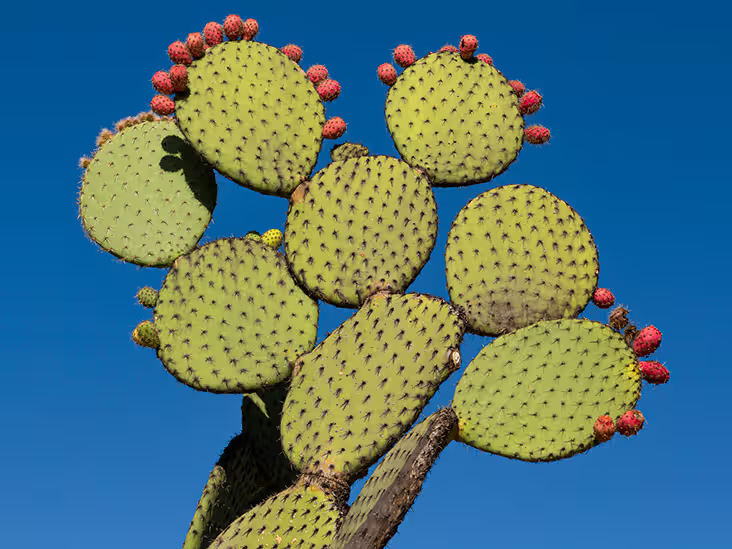
The prickly pear cactus is both a vegetable and a fruit. The green pads are considered a vegetable, with a taste similar to green beans and a texture like okra, while the red-colored pear of the cactus is the fruit, offering a sweet and edible flesh.
Growing Your Cactus
If you’re interested in growing your cactus, there are a few things to keep in mind. First, make sure you choose a type of cactus that is suitable for your climate. Some cacti prefer dry, hot environments, while others thrive in cooler temperatures. Once you’ve chosen your cactus, make sure to plant it in well-draining soil and give it plenty of sunlight. You may also need to water it occasionally, depending on the type of cactus you choose.
Harvesting At Home
If you’re growing cactus for food, it’s important to know when and how to harvest it. Generally, the pads of the cactus are the most commonly eaten part, and they can be harvested once they reach a certain size. To harvest the pads, use a sharp knife to cut them off at the base. Be sure to wear gloves to protect your hands from the cactus spines. Once you’ve harvested your cactus pads, you can cook them in a variety of ways, such as grilling, sautéing, or boiling.
Overall, growing your cactus can be a fun and rewarding experience, whether you’re doing it for food or decoration. Just be sure to choose the right type of cactus for your climate, and take care to plant and harvest it properly. With a little bit of effort, you can enjoy fresh, home-grown cactus all year round.

Credit: www.alamy.com
Frequently Asked Questions
Is Cactus A Fruit Or Veggie?
Cactus is considered both a fruit and a vegetable. The flat green leaves, also known as cactus pads or nopales, are eaten like a vegetable. They have a taste similar to green beans and a texture like okra. The fruit of the cactus, called tunas or prickly pears, is also edible and has a sweet taste.
What Type Of Food Is Cactus?
Cactus, also known as nopales, are edible green leaves that are eaten like a vegetable. They have a taste similar to green beans and a texture like okra. Cactus pads and fruit are both edible, with pads being available year-round and fruit in summer.
Is Cactus Fruit Edible?
Yes, cactus fruit is edible. The fruit, known as tunas, and the pads, known as nopales, can be consumed. When cooked, the pads have a taste similar to green beans and a texture like okra. However, caution should be taken during harvesting and preparation.
What Are Cactus Considered?
Cacti are considered succulent perennial plants with thick stems. They have herbaceous or woody parts and are known for their edible pads and fruit.
Wrap up
The debate over whether cactus is a fruit or vegetable may seem confusing, but the answer is quite simple. Cactus is both a fruit and a vegetable. The green pads, known as nopales, are considered a vegetable and can be cooked and eaten like any other vegetable.
On the other hand, the red-colored pear of the cactus, known as tunas, is the fruit of the plant. So, the next time you come across a cactus, remember that it can be enjoyed in both savory and sweet dishes, making it a versatile addition to your diet.


