
By Maria Torres, Certified Florida Master Gardener (UF/IFAS), 12 years growing succulents in Central Florida
Last updated: August 2026
I’ve killed more cacti than I’d like to admit since I moved to Florida from Arizona. The dry-climate rules I grew up with don’t work here — our humidity, sudden downpours, and sandy soil change the entire game. After more than a decade of trial, error, and eventually a Master Gardener certification through the University of Florida’s IFAS Extension program, I’ve landed on a system that actually keeps cacti alive and thriving outdoors here, from Pensacola to the Keys. This guide is everything I wish someone had told me when I first stuck a prickly pear pad in the ground and watched it rot.
Why Florida Is Both Easy and Hard for Cactus Care
Most of Florida sits in USDA Hardiness Zones 9a through 11, which sounds like cactus paradise — plenty of warmth, mild winters, and long growing seasons. The catch is water, not cold. Cacti evolved for arid deserts with sharp drainage and low humidity. Florida gives us the opposite: 50+ inches of annual rainfall in many regions, a summer wet season that can dump rain daily, and humidity levels that keep soil damp far longer than a cactus root system can tolerate.
The plants that fail here almost never die from heat or sun. They die from root rot, caused by soil that stays wet too long.
Choosing the Right Cactus for Florida Landscapes
Not every cactus species is suited to outdoor life in Florida. I’ve had the best long-term success with:
- Opuntia (prickly pear) — especially Opuntia humifusa, which is actually native to Florida and handles our rain well
- Cereus (night-blooming varieties) — tall, architectural, and surprisingly rain-tolerant once established
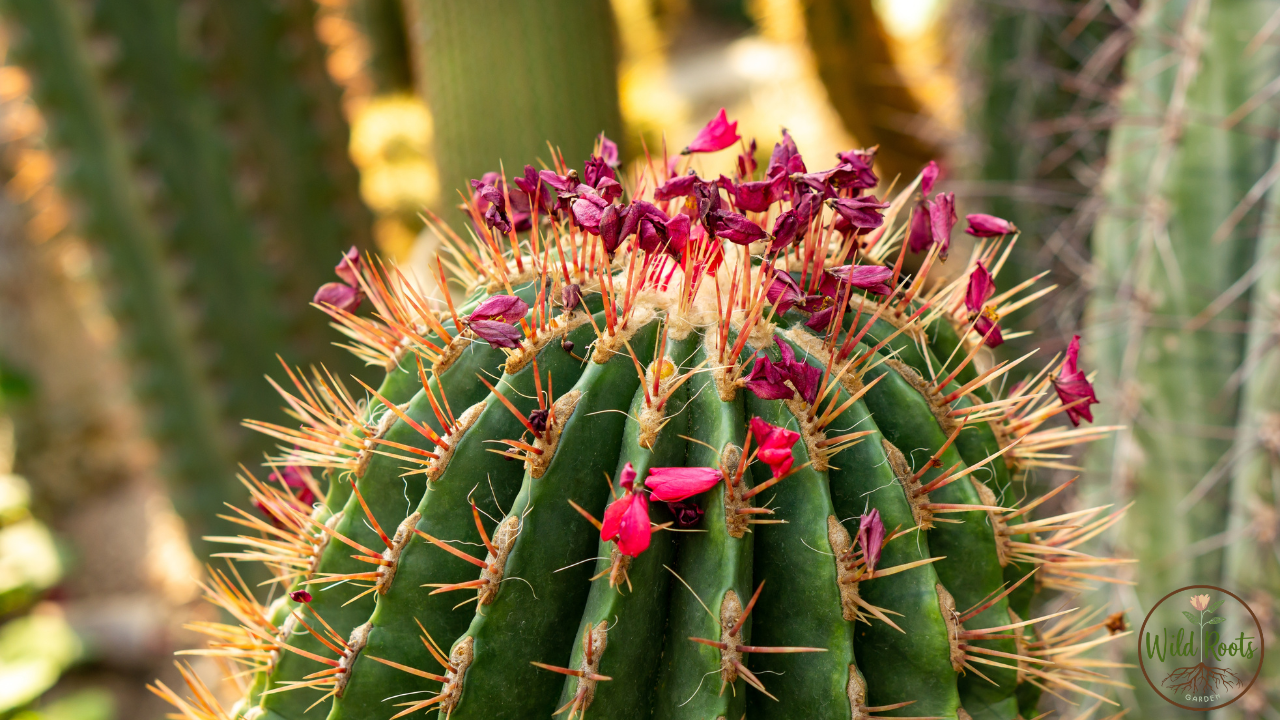
- Echinocactus grusonii (golden barrel) — needs the sharpest drainage of this list, but rewards you with a striking form
- Cylindropuntia (cholla) — tough and forgiving, though its spines make placement important
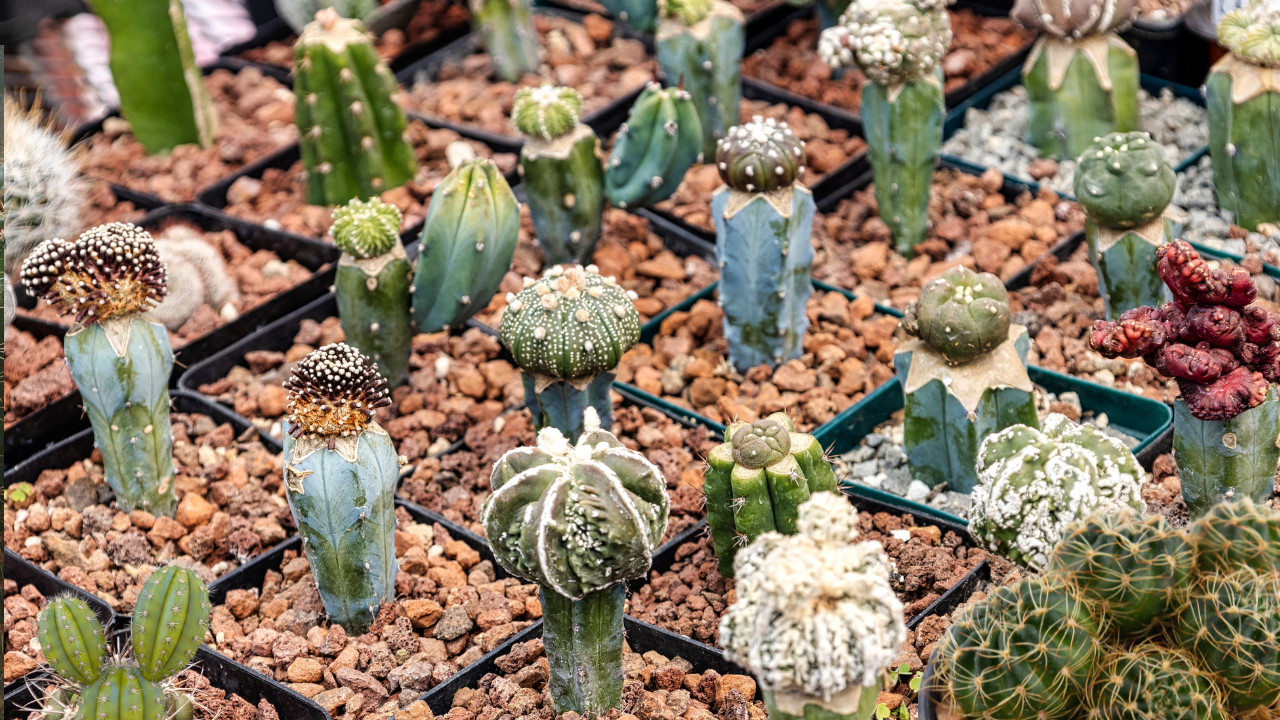
I’d avoid delicate high-elevation species (many Mammillaria and some Astrophytum) outdoors in South Florida — they’re better suited to containers you can move under cover during the rainy season.
Soil: The Single Biggest Factor
If you take one thing from this guide, take this: standard garden soil or bagged topsoil will kill an outdoor Florida cactus within a season or two.
My go-to mix, refined over years of testing in raised beds:
- 40% coarse builder’s sand (not play sand — it’s too fine)
- 30% perlite or pumice
- 20% Florida native sandy soil
- 10% pine bark fines for minor organic content
I plant on raised mounds or berms, 8–12 inches above grade, so water sheds away from the root crown instead of pooling. In low-lying yards with heavy clay or hardpan underneath the sand, I’ve had good results building an entire raised bed just for cactus and succulents.
Watering: Less Is More, and Timing Matters
This is where most new Florida gardeners go wrong. During our hot, dry spring months (March–May), established outdoor cacti often need supplemental water every 10–14 days. But once the summer wet season arrives (June–September), I stop watering almost entirely — the rain does the job, sometimes too well.
A few rules I follow:
- Water deeply but infrequently, letting soil dry out completely between waterings
- Never water in the evening during humid months — wet soil overnight invites fungal issues
- During Florida’s rainy season, check that drainage is working; if water sits for more than an hour after a storm, the site or soil needs adjusting
- Newly planted cacti need slightly more frequent water for the first 4–6 weeks while roots establish, even in Florida’s climate
Sun, Heat, and Placement
Most cactus species want six or more hours of direct sun, and Florida delivers that easily. The bigger placement concern is airflow. I space plants generously and avoid tucking cacti against north-facing walls or dense shrubs, where humidity lingers and air doesn’t move. Good airflow dries the soil surface faster after rain and cuts down on fungal problems significantly.
Managing Florida’s Rainy Season and Hurricanes
June through November brings both daily thunderstorms and hurricane risk, and this is the period that determines whether an outdoor cactus survives long-term in Florida.
- Raised beds and excellent drainage matter more here than anywhere else in this guide
- For potted or smaller specimens, I move them under a covered patio during named storms and extended rain events
- After a hurricane or tropical storm, check for standing water around the base and improve drainage if needed rather than waiting to see what happens
- Tall Cereus-type columnar cacti may need staking ahead of high-wind events
Fertilizing Outdoor Cacti in Florida
Florida’s sandy soils are naturally low in nutrients, so a light feeding schedule helps more here than in true desert climates. I use a low-nitrogen, phosphorus-heavy cactus fertilizer (roughly 5-10-10) diluted to half strength, applied monthly during the spring growing season and skipped entirely during the rainy summer months when plants are semi-dormant anyway.
Common Florida-Specific Problems
Root and stem rot — By far the most common issue. Caused almost entirely by excess moisture. Pull the plant, trim any mushy or black tissue back to firm, healthy flesh, let the cut callus over for several days in a dry, shaded spot, and replant in fresh, fast-draining mix.
Cochineal scale — Common on Opuntia in Florida; look for white, cottony patches. A strong water spray followed by insecticidal soap usually handles it.
Sunscald after transplant — Cacti moved from nursery shade into full Florida sun can bleach or scar. Acclimate gradually over 1–2 weeks using partial shade cloth.
Fungal spotting — Common during the humid wet season; improve airflow and avoid overhead watering rather than reaching for fungicide first.
A Simple Seasonal Checklist
- Spring (Mar–May): Main growing and flowering period; regular watering; light fertilizing
- Summer (Jun–Sep): Rainy season; watering mostly unnecessary; monitor drainage closely; watch for storms
- Fall (Oct–Nov): Rain tapers off; resume light watering; good time for new plantings as heat eases
- Winter (Dec–Feb): Mostly dormant; minimal water; protect tender species during rare frost events in North and Central Florida
Frequently Asked Questions
Can cactus survive Florida winters outdoors? In most of the state, yes — Florida’s mild winters rarely dip cold enough to harm well-chosen, established cacti. North Florida gardeners in Zone 9a should watch for occasional frost and cover tender species overnight when temperatures approach freezing.
Why is my outdoor cactus turning yellow or mushy in Florida? This is almost always overwatering or poor drainage, especially during the summer rainy season. Check the base for rot and improve soil drainage.
What’s the best time of year to plant a cactus outdoors in Florida? Fall through early spring (October–April) is ideal, giving roots time to establish before the intense heat and heavy rain of summer arrive.
Final Thoughts
Growing cactus outdoors in Florida isn’t about fighting the climate — it’s about managing the one variable that matters most: drainage. Get the soil and site right, water with the seasons rather than a fixed schedule, and choose species suited to humidity, and these plants will genuinely thrive here for years. I still lose the occasional plant to a bad storm season, but the failures are rare now compared to my first few years of guessing.
Have a specific Florida cactus care question or a plant that’s struggling? Drop a comment below — I read and respond to every one.