If you live in Florida and want to bring a touch of desert charm into your home, growing a cactus indoors can be a perfect choice. But caring for a cactus inside, especially in Florida’s unique climate, isn’t as simple as just placing it in a sunny spot.
You need to understand how to water it properly, choose the right soil, and watch for signs that your cactus is happy—or stressed. In this guide, you’ll discover easy, practical tips to keep your indoor cactus thriving year-round. Ready to become a cactus care pro and enjoy a healthy, vibrant plant?
Let’s dive in!
Watering Techniques
Proper watering is essential for indoor cactus health in Florida’s warm climate. Cacti need water, but only the right amount. Too little or too much can harm them. Learning effective watering techniques helps your cactus thrive indoors.
Check Soil Moisture
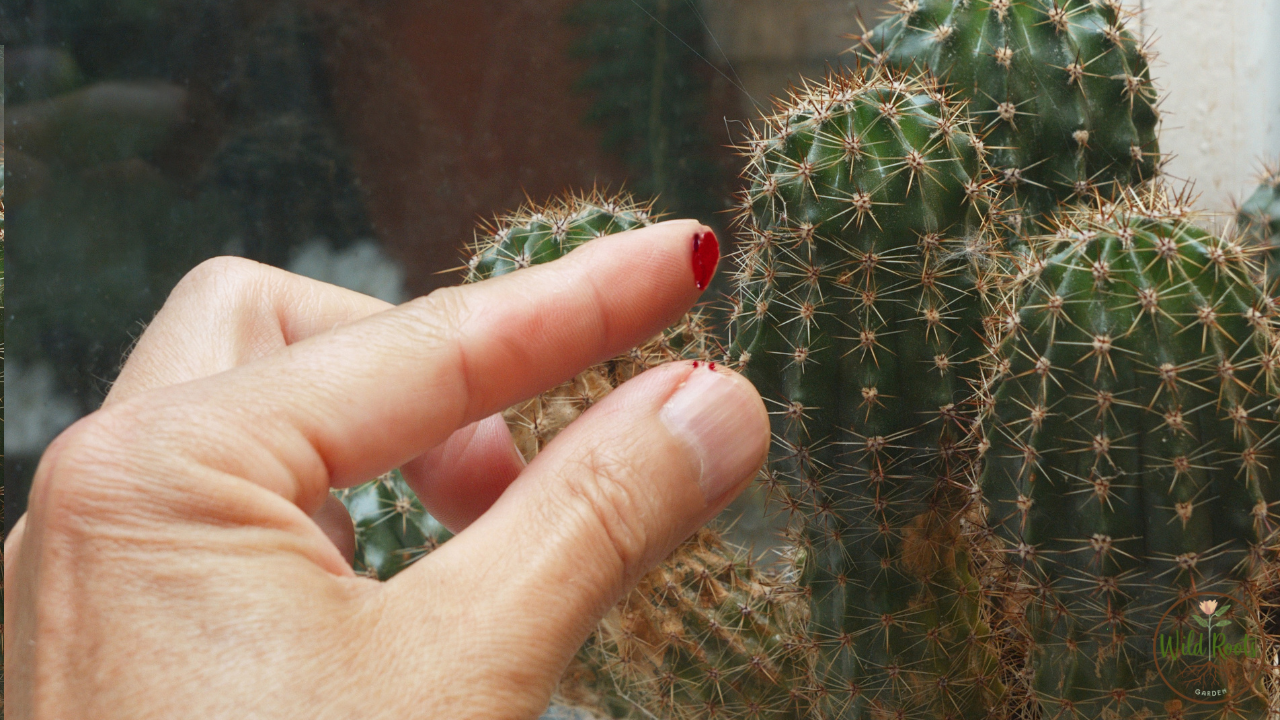
Always check the soil before watering. Use your finger or a wooden skewer to test dryness. Water only if the soil is completely dry. Wet soil means the cactus does not need water yet. This prevents root rot and keeps the plant healthy.
Deep Soaking
When watering, soak the soil deeply. Water until it drains from the pot’s bottom. This ensures the roots absorb enough moisture. After watering, let the soil dry fully before watering again. Deep soaking supports strong root growth.
Avoid Overwatering
Overwatering is the top cause of cactus problems. Too much water makes roots rot and the plant weak. Use pots with drainage holes and cactus soil mix. Never water on a fixed schedule. Adjust watering based on soil moisture and climate.
Signs Of Underwatering
A thirsty cactus shows clear signs. It may look shriveled or dull. The skin can become wrinkled or soft. Leaves or segments might drop off. If you see these signs, increase watering frequency slightly. But avoid soaking the soil again immediately.

Credit: www.houseplant.co.uk
Soil And Drainage
Caring for indoor cacti in Florida needs special attention to soil and drainage. These elements affect the plant’s health and growth. Proper soil ensures roots get air and water. Good drainage stops water from staying too long, which can rot roots. Understanding soil and drainage basics helps your cactus thrive indoors.
Choosing The Right Soil Mix
Use a soil mix designed for cacti or succulents. It should be sandy and gritty. This type of soil drains water quickly. Avoid heavy garden soil or potting mixes that hold moisture. You can buy ready-made cactus soil or mix your own. A good mix has sand, perlite, and a little organic matter. This balance keeps the roots dry and healthy.
Importance Of Drainage Holes
Always use pots with drainage holes at the bottom. These holes let extra water escape. Without drainage, water pools at the pot’s base. This causes root rot and plant death. Drainage holes keep the soil from becoming soggy. They help maintain the right moisture level for the cactus.
Why Avoid Rocks At Pot Bottom
Many people put rocks at the pot bottom to improve drainage. This actually harms drainage by creating a water layer above the rocks. Water does not flow through soil well with rocks underneath. It can keep soil too wet, risking root rot. Skip the rocks and choose a pot with good drainage holes instead. Let the soil alone manage water flow.
Light And Temperature
Caring for indoor cacti in Florida requires attention to light and temperature. These two factors greatly affect cactus health and growth. Cacti thrive under specific conditions that mimic their natural desert environment. Understanding how to provide the right light and temperature will keep your cactus strong and vibrant.
Ideal Indoor Lighting
Cacti need bright light to grow well indoors. Place them near south- or west-facing windows. They require at least six hours of sunlight daily. If natural light is limited, use grow lights designed for succulents. Avoid direct harsh sunlight through glass, which can burn the plant. Bright, indirect light helps the cactus produce energy and stay healthy.
Managing Florida’s Humidity
Florida’s humidity can be a challenge for indoor cacti. High moisture levels increase the risk of rot. Keep the air around your cactus dry and well-ventilated. Use a dehumidifier if needed, especially during rainy seasons. Avoid misting the cactus leaves as they prefer dry air. Proper drainage in pots also helps prevent water buildup and fungal issues.
Temperature Ranges For Growth
Cacti grow best in warm temperatures between 65°F and 85°F (18°C to 29°C). They tolerate short periods of cooler temperatures but should not drop below 50°F (10°C). Avoid placing cacti near cold drafts or air conditioners. Night temperatures can be slightly cooler but must stay within a safe range. Maintaining steady warmth encourages strong growth and flowering.

Credit: us.amazon.com
Identifying Common Issues
Indoor cactus plants in Florida face unique challenges due to the humid climate and indoor conditions. Recognizing common problems early helps keep your cactus healthy. Watch for changes in appearance and texture. Address issues quickly to avoid lasting damage.
Symptoms Of Overwatering
Overwatering is a frequent problem with indoor cacti. The cactus may look soft or mushy. Its color might change to yellow, brown, or black. The plant can appear wilted or shriveled. Sometimes, cracks or splits appear on the skin. These signs show the cactus is stressed from too much water.
Root Rot Detection
Root rot starts when the soil stays wet for too long. Pull the cactus gently from its pot to check roots. Healthy roots look firm and white. Rotten roots are dark, mushy, and may smell bad. Root rot can quickly kill a cactus if not treated. Remove rotten roots and replant in dry soil.
Pest Problems
Indoor cacti in Florida can attract pests like spider mites and mealybugs. Look for tiny webs, white cottony spots, or small insects on the cactus. Pests cause discoloration and damage. They weaken the plant over time. Treat pests with insecticidal soap or wipe them off carefully. Regular checks help catch pests early.
Recovery And Maintenance
Recovery and maintenance are essential for keeping indoor cacti healthy in Florida’s climate. These plants can face stress from overwatering, pests, or improper soil. Paying attention to their roots, soil, and watering habits helps them bounce back and thrive. Regular care ensures your cactus stays strong and vibrant for years.
Inspecting And Trimming Roots
Check cactus roots during repotting or if the plant looks unhealthy. Healthy roots are firm and white or light brown. Remove any black, mushy, or rotten roots carefully with clean scissors. Trimming damaged roots stops rot from spreading and helps the cactus heal faster. Always let roots dry a day before repotting.
Repotting Strategies
Repot cacti every two to three years or when roots outgrow the pot. Use a pot with drainage holes to avoid water buildup. Choose a sandy, well-draining cactus mix for soil. Gently place the cactus in the new pot without damaging roots. Water lightly after repotting, allowing soil to dry before watering again.
Adjusting Watering Schedule
Watering needs vary by season and indoor conditions. Water only when the soil is completely dry to the touch. In Florida’s warm months, watering every 2-3 weeks works well. During cooler months, reduce watering to once a month or less. Avoid watering on a strict schedule; observe your cactus for signs of thirst or overwatering.
:strip_icc()/BHG-succulent-houseplant_9RMGUyD1aqW8S_qkKbSWgf-f93ec9093612455b9b2669f83bd047f2.jpg)
Credit: www.bhg.com
Special Tips For Florida
Florida’s indoor environment presents unique challenges for cactus care. The warm, humid air and intense sunlight differ from typical desert conditions. Successful cactus growth indoors needs adjustments suited to these local factors. Below are key tips to help your cactus thrive inside Florida homes.
Adapting To Local Climate
Florida’s humidity is higher than most cactus natural habitats. High moisture can cause root rot if soil stays wet too long. Use well-draining soil specifically designed for cacti and succulents. Place pots in bright, indirect sunlight to avoid sunburn from intense rays. Ventilate rooms to reduce humidity around your plants. During cooler months, keep cacti away from cold drafts or air conditioning vents.
Dealing With Neglected Plants
Neglected cacti may show signs of stress like shriveling or discoloration. Check for overwatering, which is common in humid climates. Let soil dry completely before watering again. Remove any rotten or soft parts with clean tools to prevent spread. Repot plants in fresh, dry cactus soil if needed. Gradually reintroduce them to light to avoid shock. Regularly inspect plants for pests common in Florida, such as scale insects.
Best Cactus Varieties For Indoors
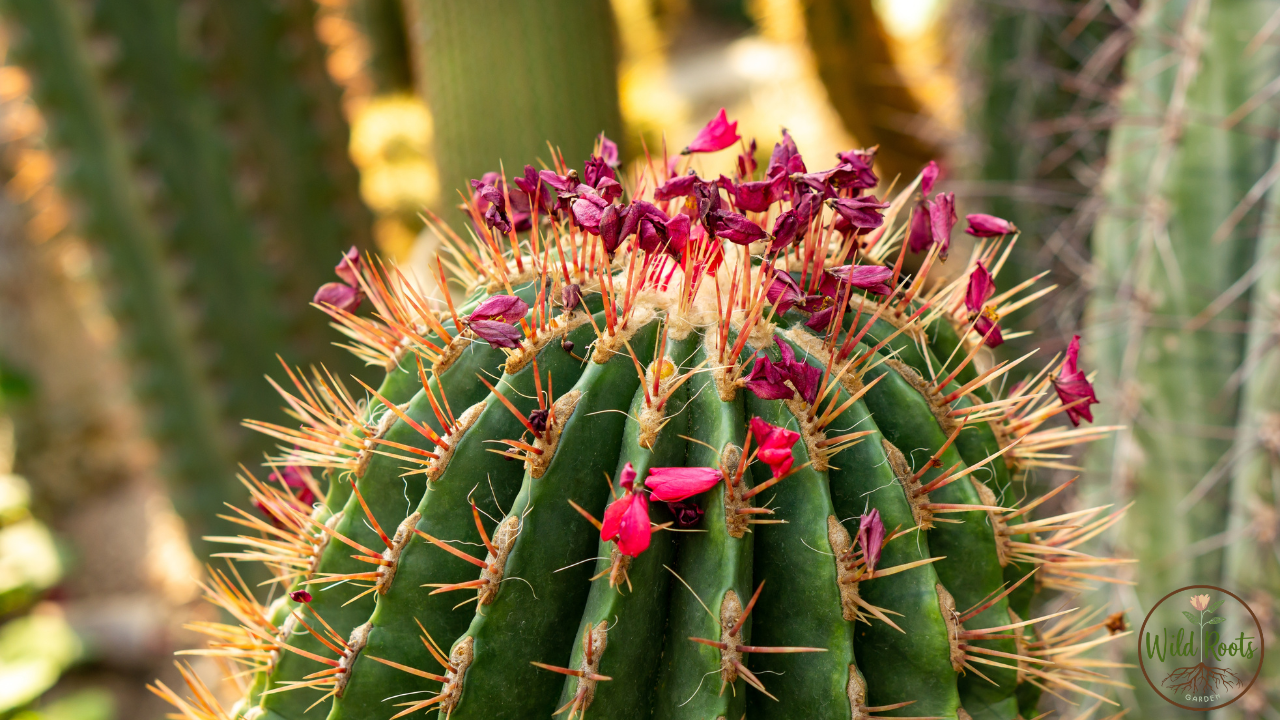
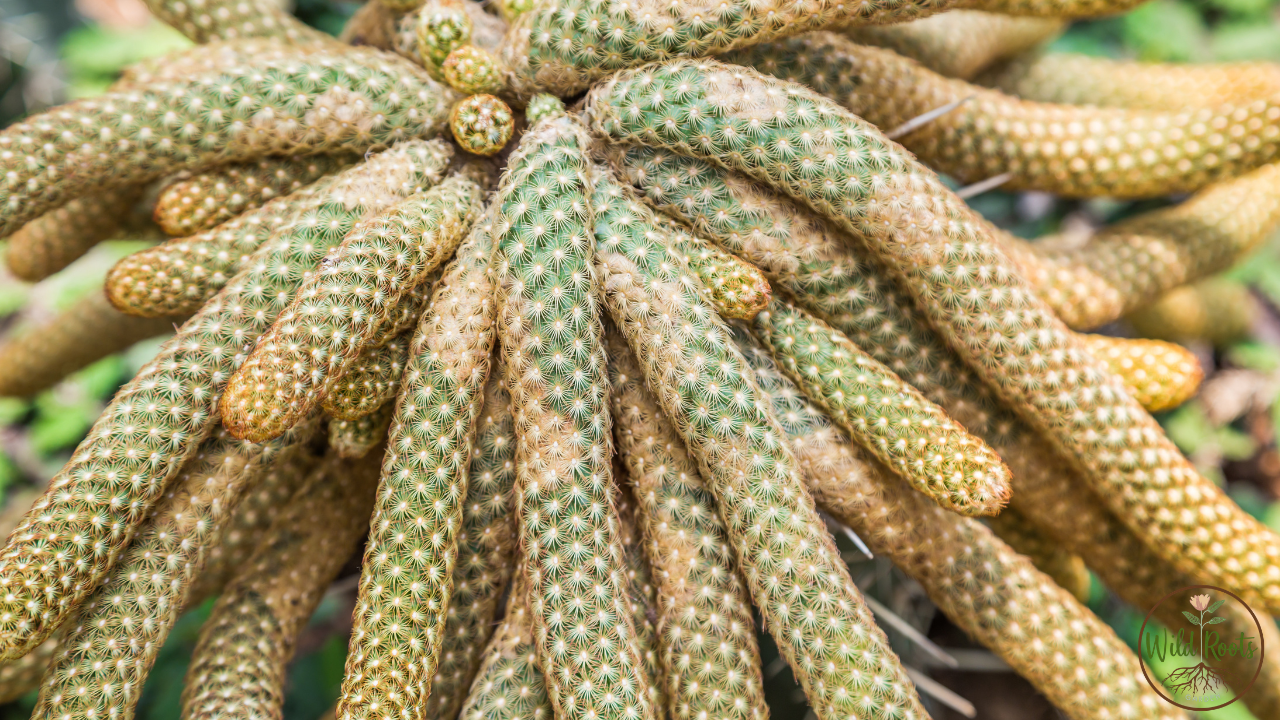
Select cactus types that handle Florida’s indoor conditions well. Christmas cactus and Easter cactus thrive in humidity and low light. Golden barrel cactus adapts nicely to indoor pots with good airflow. Bunny ears cactus resists pests and suits bright spots. Other good choices include the Old Man cactus and Hedgehog cactus. Choose smaller species for easy care and space management indoors.
Frequently Asked Questions
How Often Should I Water A Cactus Indoors?
Water your indoor cactus only when the soil is completely dry. Thoroughly soak the soil, then let it dry out fully before watering again. Avoid watering on a strict schedule and always use well-draining soil and pots with drainage holes to prevent root rot.
What Is The Most Common Mistake People Make When Growing Cacti?
The most common mistake is overwatering cacti, causing root rot and stem damage. Always let soil dry completely before watering.
What Does An Overwatered Cactus Look Like?
An overwatered cactus looks soft, mushy, and discolored with yellow, brown, or black spots. It may wilt, shrivel, or crack. Roots often become dark, mushy, and smell foul. The plant loses firmness and can drop segments due to internal moisture pressure.
Conclusion
Caring for indoor cacti in Florida is simple with the right steps. Always use well-draining soil and pots with drainage holes. Water only when the soil is completely dry to avoid root rot. Watch your cactus closely for signs of stress or overwatering.
These plants thrive in bright light and warm temperatures. With patience and attention, your indoor cactus will stay healthy and beautiful. Enjoy the unique charm these resilient plants bring to your Florida home.