Indoor Cactus Care And Maintenance Florida: Expert Tips for Success

If you’re living in Florida and want to bring a touch of desert charm into your home, indoor cacti are a fantastic choice. But caring for these spiky beauties isn’t always as simple as it looks.

You might wonder how often to water them in Florida’s humid climate, what kind of light they really need, or how to keep them thriving without overdoing it. This guide will help you understand exactly what your indoor cactus needs to stay healthy and vibrant in your Florida home.

By the time you finish reading, you’ll have clear, easy steps to make your cactus care routine foolproof—and enjoy the unique beauty these plants bring every day. Ready to become your cactus’s best friend? Let’s dive in!

Choosing The Right Cactus

Choosing the right cactus for indoor care in Florida is essential. The state’s warm climate suits many cactus types, but indoor conditions differ. Selecting a cactus that thrives indoors ensures healthy growth and easy maintenance. Consider factors like light, space, and growth habits before buying your cactus.

Best Varieties For Florida Indoors

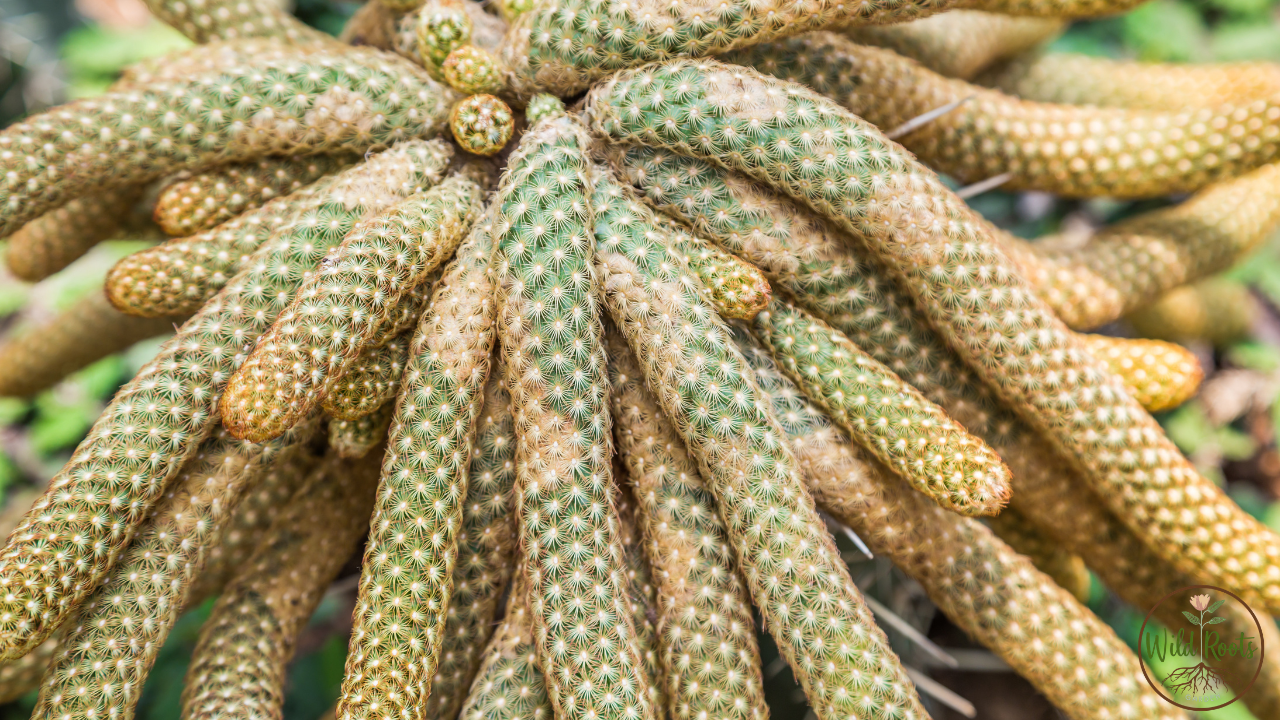
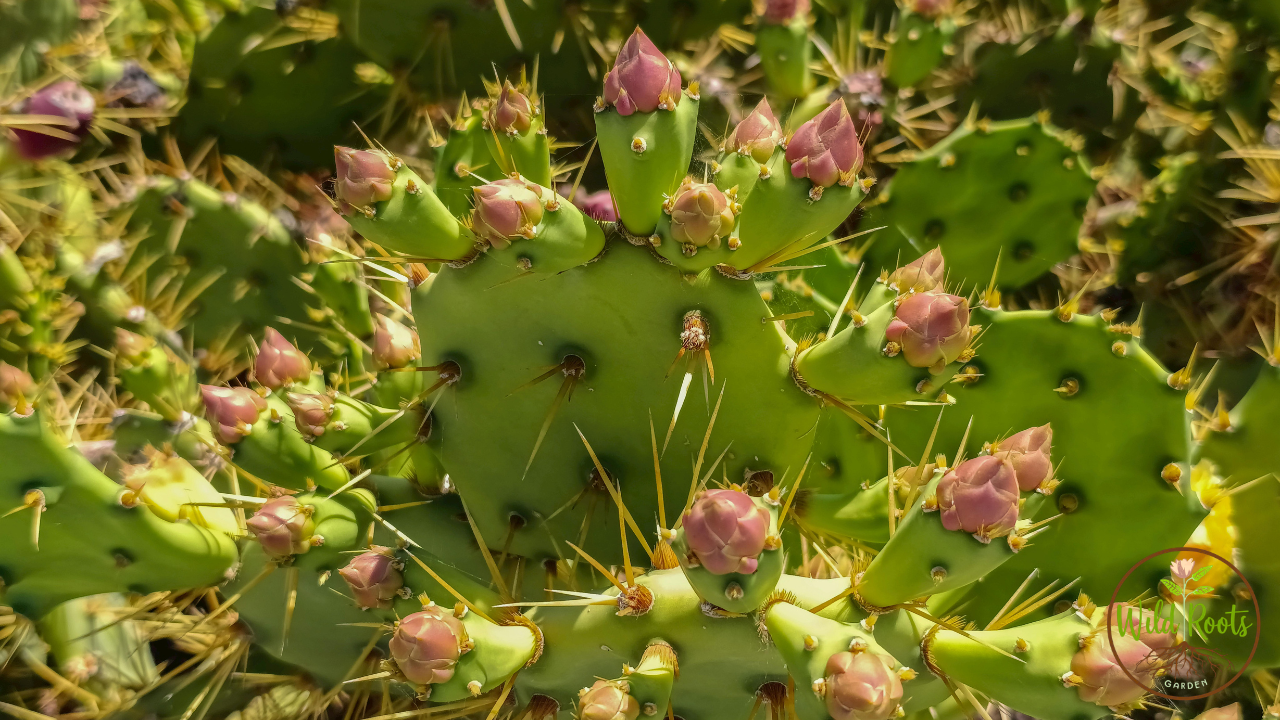
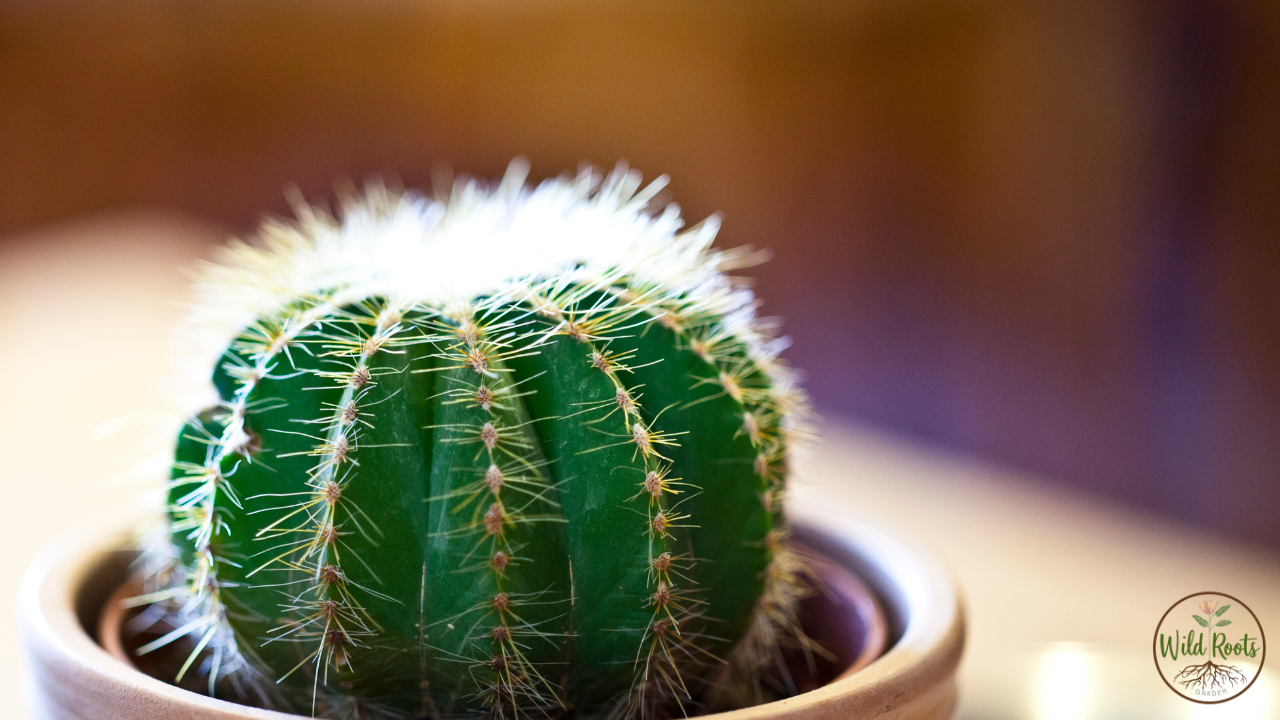
Opt for cacti that adapt well to indoor light and humidity. The Christmas cactus (Schlumbergera) thrives with indirect light and regular watering. The Bunny Ear cactus (Opuntia microdasys) requires bright light and adds a unique look. The Golden Barrel cactus (Echinocactus grusonii) needs bright light and minimal water. These varieties suit Florida homes and stay healthy indoors.

Size And Growth Considerations

Think about how large your cactus will grow over time. Some cacti stay small and fit well on shelves or desks. Others, like the Saguaro, can grow very tall and need more space. Choose a size that fits your indoor area comfortably. Also, consider the growth rate to avoid frequent repotting or pruning.

Credit: floridahouseplants.com

Lighting Needs

Indoor cacti need the right light to grow strong and healthy. Light affects their shape, color, and flowering. In Florida, sunlight can be intense, so managing light indoors is key. This section explains how to meet your cactus’s lighting needs.

Natural Light Requirements

Cacti thrive in bright, indirect sunlight inside your home. Place them near south or west-facing windows for the best light. Avoid direct harsh sun through glass, which can burn the plant. A few hours of morning or late afternoon sun works well. Too little light makes the cactus grow tall and thin.

Using Grow Lights

Grow lights help when natural light is limited. Use full-spectrum LED or fluorescent lights designed for plants. Keep lights on for 10 to 12 hours daily. Position the light 6 to 12 inches above the cactus. This setup mimics natural sunlight and supports healthy growth.

Rotating For Even Growth

Cacti lean toward light sources, causing uneven growth. Rotate your cactus every week to balance light exposure. Turning the pot 90 degrees helps all sides get light. This keeps the plant symmetrical and prevents it from leaning too much.

Watering Guidelines

Watering indoor cacti in Florida requires careful attention. Proper watering keeps your cactus healthy and thriving. Too much or too little water can harm the plant. Follow these guidelines to water your cactus correctly and avoid common mistakes.

Checking Soil Moisture

Always check the soil before watering your cactus. Insert your finger about one inch into the soil. If the soil feels dry, your cactus needs water. If it feels moist, wait a few days before checking again. This simple test prevents overwatering and root rot.

Watering Frequency By Season

In Florida’s warm months, water your cactus every 7 to 10 days. During cooler months, reduce watering to once a month. Cacti grow faster in spring and summer, so they need more water. In fall and winter, their growth slows down, requiring less water.

Deep Watering Techniques

When watering, soak the soil thoroughly. Water until it drains from the pot’s bottom. This encourages strong root growth. Avoid light watering; it can cause weak roots and poor health. Empty any water collected in the saucer to prevent standing moisture.

Signs Of Overwatering

Watch for yellow or brown spots on your cactus skin. Soft or mushy areas near the base are warning signs. Drooping or wilting also indicates too much water. If you notice these signs, reduce watering immediately and check soil moisture regularly.

Soil And Pot Selection

Choosing the right soil and pot is crucial for indoor cactus care in Florida. These plants need special conditions to thrive indoors. Soil and pots affect water drainage and root health. Poor choices can cause root rot or slow growth.

Use well-draining soil and pots with drainage holes. These help prevent excess moisture. Repotting at the right time keeps cacti healthy and growing well. Below are key tips on soil and pot selection for indoor cacti.

Choosing Well-draining Soil

Cacti need soil that drains water quickly. Use a mix designed for succulents or cacti. It usually contains sand, perlite, or pumice. These materials stop water from staying too long.

Avoid regular potting soil. It holds too much moisture and causes root rot. Well-draining soil keeps roots dry and healthy. It mimics the cactus’s natural desert environment.

Pot Types And Drainage Importance

Choose pots with drainage holes. These allow extra water to escape. Without holes, water collects at the bottom, harming roots. Clay or terracotta pots are best.

They absorb moisture and improve airflow. Plastic pots hold water longer but work if they have holes. Pick a pot size slightly larger than the cactus’s root ball. Too big pots keep soil wet for longer.

Repotting Tips

Repot cacti every 2-3 years or when roots fill the pot. Do it in spring or early summer. Use fresh, well-draining soil during repotting. Remove old soil gently from the roots.

Choose a pot one size bigger than the current one. Avoid deep pots to prevent water buildup. After repotting, wait a week before watering. This helps roots recover from stress.

Temperature And Humidity

Temperature and humidity play a key role in keeping indoor cacti healthy in Florida. These plants come from dry, warm climates and need similar conditions inside your home. Maintaining the right temperature and humidity helps your cactus grow strong and avoid problems like rot or stress.

Florida’s indoor environment can vary, so understanding how to control these factors is important. This guide explains the ideal temperature range and how to manage humidity levels for your indoor cactus.

Ideal Indoor Temperatures

Cacti prefer warm temperatures during the day, usually between 70°F and 85°F. Night temperatures can be cooler, around 50°F to 60°F, to mimic their natural desert environment. Avoid sudden temperature drops or cold drafts. These changes can shock the plant and slow growth.

Keep your cactus away from air conditioners or heaters that blow direct air. Stable temperatures promote healthy roots and vibrant growth. In Florida, indoor heating in winter may raise temperatures, so keep an eye on the thermostat.

Recommended Items:

Pot Head. House Plant Journal and Care Log Book: Plant Parent Must Haves. Funny Plant Gifts for Plant Lovers.

Check Price

Buy Now

The World of Cacti: How to Select from and Care for over 1000 Species

Check Price

Buy Now

Cactus Fertilizer – Liquid Plant Food for All Cacti, Supports Healthy Cactus Growth & Blooming, 8 oz

Check Price

Buy Now

Managing Humidity Levels

Cacti thrive in low humidity environments, ideally between 30% and 50%. High humidity can cause fungal diseases and root rot. Florida’s indoor humidity can be high, especially in summer.

Use a dehumidifier or air conditioner to reduce moisture in the air if needed. Place your cactus in well-ventilated rooms to keep air moving. Avoid placing it in bathrooms or kitchens where humidity tends to be higher.

Check the soil regularly. If it stays wet for too long, reduce watering and improve airflow. Proper humidity helps your cactus stay healthy and prevents common problems.

Credit: www.thespruce.com

Feeding And Fertilizing

Feeding and fertilizing are key parts of indoor cactus care in Florida. These plants need nutrients to grow strong and stay healthy. Proper feeding helps cacti thrive despite indoor conditions. It also supports flowering and overall plant vigor.

Choosing the right fertilizer and following a good feeding schedule makes a big difference. Overfeeding or wrong fertilizer types can harm your cactus. Understanding their nutrient needs ensures you provide the best care.

Best Fertilizer Types

Use fertilizers low in nitrogen but high in phosphorus and potassium. These support root growth and flowering. A balanced 10-10-10 fertilizer works well if diluted properly. Specialized cactus or succulent fertilizers are ideal.

Liquid fertilizers are easy to apply and absorb quickly. Slow-release pellets provide steady nutrients over time. Avoid fertilizers with high nitrogen, which can cause soft, weak growth. Organic options like compost tea also benefit your cactus.

Feeding Schedule

Feed your indoor cactus during its active growing season, usually spring to early fall. Apply fertilizer every four to six weeks during this period. Reduce or stop feeding in winter when the cactus rests.

Always water the cactus before fertilizing to prevent root burn. Follow the package instructions for dilution and quantity. Adjust feeding frequency if your cactus shows signs of stress or poor growth.

Common Problems

Indoor cacti in Florida face several common problems that can affect their health and appearance. Understanding these issues helps in providing better care and avoiding damage. Many problems stem from incorrect watering, poor light, or pests. Identifying symptoms early keeps your cactus thriving and vibrant.

Overwatering Effects

Overwatering is the most frequent issue for indoor cacti. Cacti store water in their stems and need dry soil between waterings. Too much water causes root rot and fungal infections. Signs include yellowing, soft, or mushy stems. The base may look dark and feel squishy. Overwatered cacti often drop their spines or look shriveled. Always check soil moisture before watering again. Use pots with drainage holes to avoid water buildup.

Light Deficiency Issues

Cacti need bright light to grow well indoors in Florida. Insufficient light causes slow growth and pale color. Stems may stretch and lean toward light sources. This weakens the plant and makes it prone to breakage. Leaves or stems might become soft or thin. Place your cactus near a south or west-facing window. Use grow lights if natural light is limited. Proper light keeps the cactus strong and healthy.

Pest Identification And Control

Indoor cacti can attract pests like spider mites, mealybugs, and scale insects. These pests suck sap and damage plant tissue. Look for white cottony spots, tiny webs, or small brown bumps on stems. Pests cause discoloration and stunted growth. To control pests, wipe the cactus with a damp cloth and use insecticidal soap. Repeat treatment weekly until pests disappear. Isolate affected plants to prevent spread. Regular inspection helps catch infestations early.

Seasonal Care Adjustments

Indoor cacti in Florida need care changes with the seasons. Each period brings unique conditions that affect growth and health. Adjusting your care routine helps your cactus thrive indoors all year. Paying attention to light, water, and temperature is key for seasonal success.

Spring And Summer Growth

Spring and summer are active growth times for indoor cacti. The days get longer, and light is stronger. Increase watering slightly but only when soil is dry. Use well-draining soil to avoid root rot.

Place cacti near bright windows to ensure they get enough sunlight. Warm temperatures speed growth and encourage blooming. Fertilize once a month with a cactus-specific fertilizer to support development.

Winter Dormancy Care

Winter brings cooler temperatures and less light. Cacti enter dormancy and need less water. Water sparingly, just enough to prevent shriveling. Avoid fertilizing during this rest period.

Keep your cactus in a bright spot but away from cold drafts. Reduce watering frequency to once every three to four weeks. This rest phase helps your cactus store energy for the next growth season.

Credit: www.bhg.com

Frequently Asked Questions

How Often Should You Water An Indoor Cactus?

Water indoor cacti only when the soil is completely dry. Typically, water every 2-4 weeks during growth seasons. In winter, reduce watering to once a month or less. Always use well-draining soil and pots with drainage holes to prevent root rot.

What Is The Most Common Mistake People Make When Growing Cacti?

The most common mistake is overwatering, causing root rot. Always water only when the soil is completely dry.

How Do You Keep Cactus Alive Indoors?

Place cactus in bright, indirect sunlight and use well-draining soil. Water deeply only when soil dries completely. Avoid overwatering and ensure pot drainage. Maintain moderate indoor temperatures and low humidity. Rotate plant occasionally for even growth.

Conclusion

Caring for indoor cacti in Florida is simple with the right steps. Keep soil dry before watering to avoid root rot. Place your cactus where it gets plenty of bright light. Use pots with good drainage to help roots stay healthy.

Rotate your cactus occasionally to ensure even growth. Watch for signs like yellowing or soft spots as warnings. With regular attention, your indoor cactus will thrive and brighten your home. Small efforts lead to strong, happy plants. Enjoy the beauty and ease of cactus care year-round.

Recommended Items:

Pot Head. House Plant Journal and Care Log Book: Plant Parent Must Haves. Funny Plant Gifts for Plant Lovers.

Check Price

Buy Now

The World of Cacti: How to Select from and Care for over 1000 Species

Check Price

Buy Now

Cactus Fertilizer – Liquid Plant Food for All Cacti, Supports Healthy Cactus Growth & Blooming, 8 oz

Check Price

Buy Now

Leave a Comment