
If you’re gardening in Texas, you know the climate can be a challenge. The hot summers, dry spells, and occasional cold snaps mean not every plant will make it through the year.
But what if your garden could stay vibrant and alive all year round? Imagine stepping outside to see green leaves, colorful blooms, and thriving plants no matter the season. You’ll discover the best year-round plants for Texas that not only survive but flourish in your unique environment.
These selections will help you create a beautiful, low-maintenance garden that works with Texas weather—not against it. Ready to transform your outdoor space? Keep reading to find the perfect plants for your garden’s success throughout every season.
Texas Climate And Plant Needs
Texas offers a unique climate that shapes the way plants grow throughout the year. The mix of hot summers and mild winters creates challenges for gardeners. Choosing plants that fit this environment helps maintain vibrant gardens year-round. Understanding the climate and soil needs is key to successful planting in Texas.
Hot And Dry Conditions
Texas often faces long periods of heat and dryness. Plants must survive intense sunlight and scarce water. Drought-tolerant plants thrive best here. They have deep roots and small leaves to reduce water loss. These plants stay healthy with little watering. Heat-resistant varieties also avoid wilting and sunburn.
Soil And Rainfall Factors
Soil quality varies across Texas regions. Some areas have sandy soil, others clay or loam. Good drainage is important for most plants. Heavy clay soils hold water, which can harm roots. Rainfall is uneven, with some months dry and others wet. Plants that adapt to these changes grow stronger. Adding mulch helps retain soil moisture.
Native Vs Non-native Plants
Native plants naturally fit Texas’ climate and soil. They need less water and care. These plants support local wildlife and insects. Non-native plants can add color and variety. They may require extra watering and protection. Choosing native species often leads to a healthier garden. Combining both types can balance beauty and resilience.
Top Perennials For Texas Gardens
Perennials are a smart choice for Texas gardens. They return every year, saving time and effort. These plants handle Texas heat and drought well. They bring color and life to your outdoor space all year. Choosing the right perennials means your garden stays vibrant through all seasons.
Black Eyed Susans
Black Eyed Susans shine bright in Texas gardens. Their golden yellow petals and dark centers attract butterflies. They bloom from summer to fall without much care. These flowers thrive in full sun and well-drained soil. Black Eyed Susans add cheerful color and need little water once established.
Mexican Bush Sage
Mexican Bush Sage is a favorite for Texas gardeners. Its purple flowers bloom in late summer and fall. This plant attracts hummingbirds and bees to the garden. It grows well in hot, dry conditions and poor soil. Prune it in early spring to keep it healthy and full.
Autumn Sage
Autumn Sage produces red or pink flowers from late summer to winter. It tolerates heat and drought with ease. This shrub offers long-lasting blooms and attracts pollinators. Plant it in sunny spots with well-drained soil. Autumn Sage adds color when many other plants stop blooming.
Lantana Varieties
Lantana is a tough perennial perfect for Texas gardens. It blooms in many colors like red, orange, pink, and yellow. This plant thrives in heat and attracts butterflies. Lantana grows well in full sun and needs little water. Choose trailing or shrub varieties for different garden styles.
Heat-tolerant Plants
Texas heat can be tough on many plants. Heat-tolerant plants thrive in hot, dry conditions. They need little water and resist sun damage. Choosing these plants helps keep your garden green all year. They add beauty without much effort or care. Below are some top heat-tolerant plants perfect for Texas gardens.
Cacti And Succulents
Cacti and succulents store water in their thick leaves and stems. This makes them ideal for Texas heat. They survive long dry spells and full sun exposure. These plants need well-drained soil and minimal watering. Their unique shapes and textures add interest to any garden space.
Barrel Cactus And Prickly Pear
Barrel cactus is round and sturdy. It grows slowly but lasts many years. Prickly pear has flat, paddle-shaped pads with colorful flowers. Both types tolerate heat and drought well. They provide food and shelter for local wildlife. These cacti need little care once established.
Agave Species
Agave plants feature sharp, spiky leaves arranged in a rosette. They prefer full sun and dry soil. Agaves grow slowly but become striking focal points. Their tough nature helps them endure Texas summers easily. Some species bloom once in their lifetime, producing tall flower stalks.
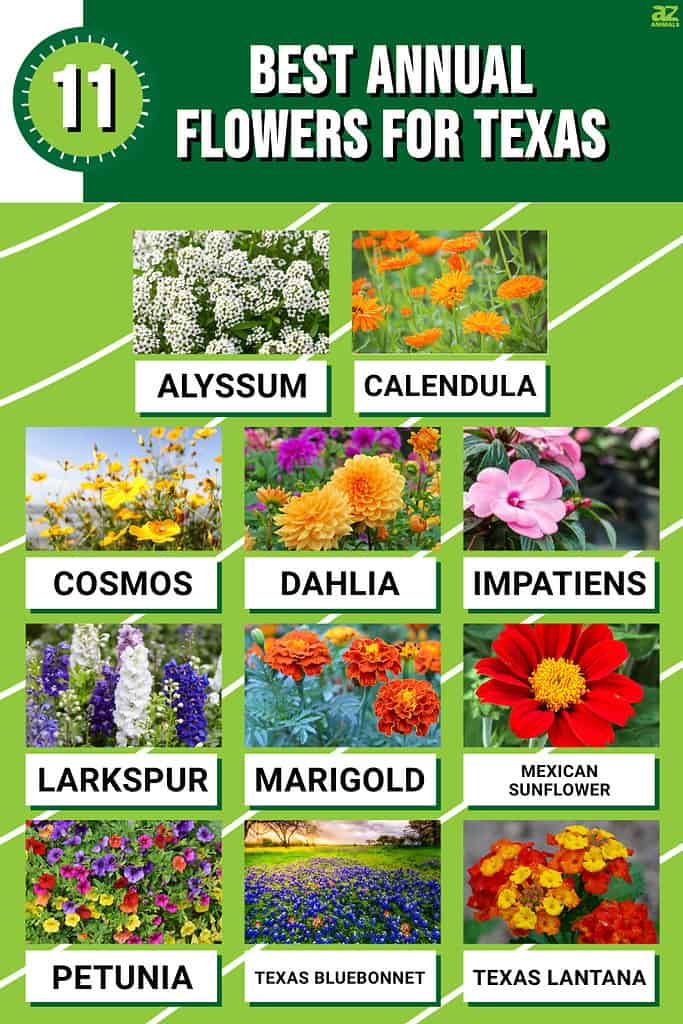
Credit: a-z-animals.com
Year-round Edibles
Texas gardens thrive with many edible plants that grow year-round. The climate allows gardeners to harvest fresh produce in all seasons. Choosing the right plants ensures a steady supply of vegetables and herbs. These plants adapt well to Texas weather, making them perfect for home gardens. Growing your own food saves money and adds fresh flavors to meals.
Green Cabbage And Carrots
Green cabbage grows well in Texas during cooler months. It is hardy and can tolerate mild frost. Carrots also do well year-round, especially in well-drained soil. Both vegetables need regular watering and sunlight. They provide essential vitamins and are easy to store after harvest. Planting these vegetables in rotation helps keep soil healthy.
Herbs And Mushrooms
Herbs like basil, rosemary, and thyme flourish in Texas gardens all year. They add flavor and nutrition to many dishes. Mushrooms grow best in shady, moist areas, making them ideal for shaded garden spots. Both herbs and mushrooms require minimal care and grow quickly. Growing your own herbs and mushrooms cuts down on grocery trips.
Tomatoes And Turnips
Tomatoes are a favorite in Texas gardens and can produce fruit most of the year. Choose heat-tolerant tomato varieties for summer success. Turnips grow fast and tolerate cooler temperatures well. Both need fertile soil and regular watering. These vegetables add color and nutrients to any meal. Fresh tomatoes and turnips from your garden taste better than store-bought.
Designing With Year-round Plants
Designing with year-round plants transforms any Texas garden into a lively, inviting space. These plants keep their charm through every season. They offer consistent color, texture, and life. Planning with such plants reduces the need for constant replanting. Gardens feel balanced and full all year long.
Choosing the right mix of plants brings variety and harmony. Thoughtful design highlights the unique beauty of each plant. It creates a garden that changes gently but never loses its appeal. This approach suits Texas’s warm, dry climate well.
Grouping For Visual Impact
Grouping plants with similar colors or textures creates strong visual effects. Clusters of tall and short plants add depth and interest. Use bold colors together to catch the eye quickly. Repeating shapes or colors ties the garden design together. Grouping also helps plants thrive by providing shade or wind protection.
Balancing Perennials And Annuals
Perennials provide steady structure and return yearly without replanting. Annuals add bright bursts of color and change with seasons. Balance both to keep the garden lively and fresh. Perennials fill space and reduce maintenance work. Annuals offer flexibility to update the look often. This mix adapts well to Texas’s varied weather.
Creating Habitat For Wildlife
Year-round plants attract birds, butterflies, and beneficial insects. Native plants offer food and shelter for local wildlife. Gardens become vibrant ecosystems supporting nature’s balance. Plant flowers with nectar for pollinators throughout the year. Include shrubs and grasses for nesting and hiding spots. A wildlife-friendly garden grows healthier and more beautiful.
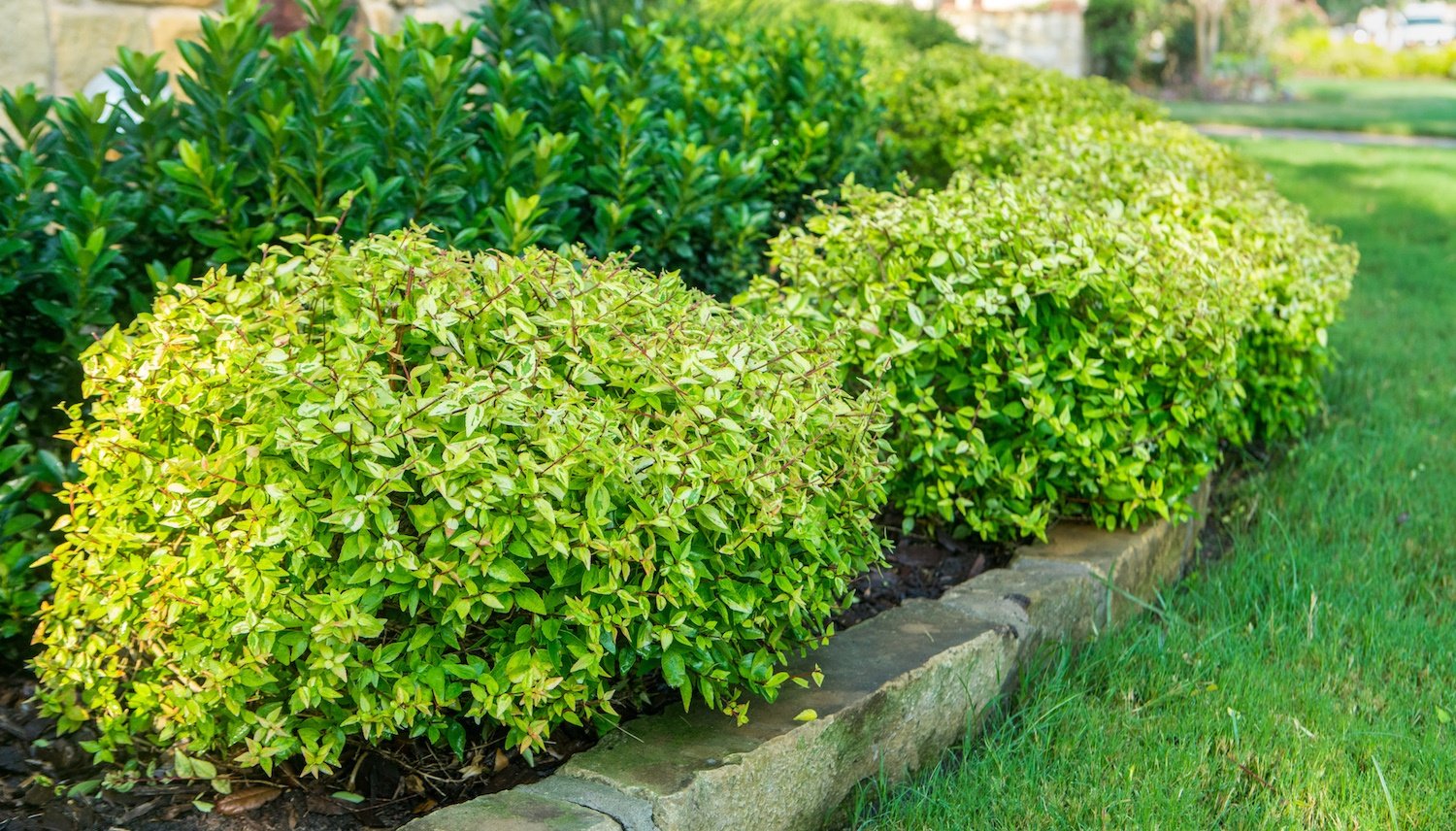
Credit: www.grassperson.com
Popular Shrubs And Flowering Plants
Texas gardens thrive with shrubs and flowering plants that bloom all year. These plants bring color and texture through every season. They handle Texas heat and occasional cold well. Choose varieties that fit your space and care level. Popular options offer vibrant flowers and lush foliage. They create a lively, welcoming garden space.
Loropetalum Varieties
Loropetalum plants display beautiful, fringe-like flowers. Their colors range from deep purple to bright pink. These shrubs grow well in Texas soil and heat. They stay green year-round, adding constant color. Loropetalum needs little water once established. It fits well as a border or accent plant.
Gardenia And Ixora
Gardenias produce fragrant white blooms in warm months. Their glossy leaves stay green through mild winters. Ixora shrubs burst with clusters of tiny flowers in red or orange. Both plants prefer sunny spots with good drainage. They attract butterflies and hummingbirds, brightening the garden. Regular pruning keeps them neat and healthy.
Boxwood And Sage
Boxwood shrubs offer dense, evergreen foliage perfect for shaping. They adapt well to Texas climate and require moderate watering. Sage plants add gray-green leaves and purple flowers. They thrive in full sun and dry soil. Both shrubs provide year-round structure and color. Use them to create hedges or mixed borders.
Plant Care Tips For Texas
Growing plants year-round in Texas requires special care. The climate can be hot and dry, so plants need the right attention to thrive. Understanding watering, soil, and pest control helps keep plants healthy throughout the seasons. These tips make gardening easier and more successful for Texas gardens.
Watering Strategies
Water plants deeply but less often to encourage strong roots. Early morning watering reduces evaporation and fungal problems. Use drip irrigation or soaker hoses to deliver water directly to roots. Avoid overhead watering to keep leaves dry. Check soil moisture before watering to prevent overwatering.
Soil Preparation And Mulching
Texas soils can be sandy or clay-heavy, so improve soil with organic matter. Add compost or aged manure to boost nutrients and water retention. Mulch around plants to keep soil cool and moist. Mulch also reduces weeds and soil erosion. Use 2 to 3 inches of mulch, keeping it away from plant stems.
Pest And Disease Management
Inspect plants regularly for signs of pests and diseases. Remove affected leaves or stems to stop spread. Encourage natural predators like ladybugs and lacewings. Use insecticidal soap or neem oil for safe pest control. Keep garden clean and avoid overcrowding to reduce disease risk.
Credit: lh.services
Frequently Asked Questions
What Is The Best All Year Plant For Texas?
The best all-year plant for Texas includes Black-eyed Susan, Mexican bush sage, Autumn sage, and Lantana. These perennials thrive in Texas heat and drought.
What Can You Grow Year-round In Texas?
You can grow green cabbage, carrots, herbs, mushrooms, tomatoes, and turnips year-round in Texas. Native perennials like Black-eyed Susan, Mexican bush sage, Autumn sage, and Lantana thrive well all year. Heat-tolerant plants such as cacti and succulents also survive Texas’s climate effectively.
What Plants Survive Texas Heat?
Heat-tolerant Texas plants include cacti, succulents, agave, Mexican bush sage, lantana, and black-eyed Susan. These thrive with minimal water.
What Is The 70 30 Rule In Gardening?
The 70 30 rule in gardening means planting 70% native species for wildlife support and 30% non-invasive ornamental plants.
Conclusion
Choosing the right plants helps your garden thrive all year in Texas. Plants like Black Eyed Susans and Mexican bush sage stay healthy through seasons. These options need little water and handle heat well. Growing year-round plants saves time and keeps your space green.
Start small and enjoy watching your Texas garden flourish.