Of course. Here is a full, high-quality article on the topic of tomato plant depth.
The Gardener’s Secret Weapon: Unlocking Robust Growth by Planting Tomatoes Deep
Tomato plant depth is more than just a minor detail in the gardening handbook; it is arguably the single most impactful secret to cultivating strong, resilient, and outrageously productive tomato plants. For novice and seasoned gardeners alike, the quest for a bountiful harvest of juicy, sun-ripened tomatoes can be fraught with challenges—from wilting heat to pest pressure and disease. Yet, a simple adjustment at planting time, a technique grounded in the tomato’s unique biology, can fundamentally change your results and set your plants on a path to incredible success. This isn’t just an old wives’ tale; it’s a scientifically-backed method that transforms a fragile seedling into a vigorous, thriving powerhouse in your garden.
By understanding and implementing the principle of deep planting, you are tapping into the plant’s innate ability to grow stronger and more efficiently. We’ll explore the science behind this technique, provide step-by-step instructions for different methods, and cover crucial considerations to ensure you get it right every single time. Prepare to leave behind spindly, underperforming plants and embrace a new standard of tomato-growing excellence.
The Science of Strength: Why Deep Planting Works
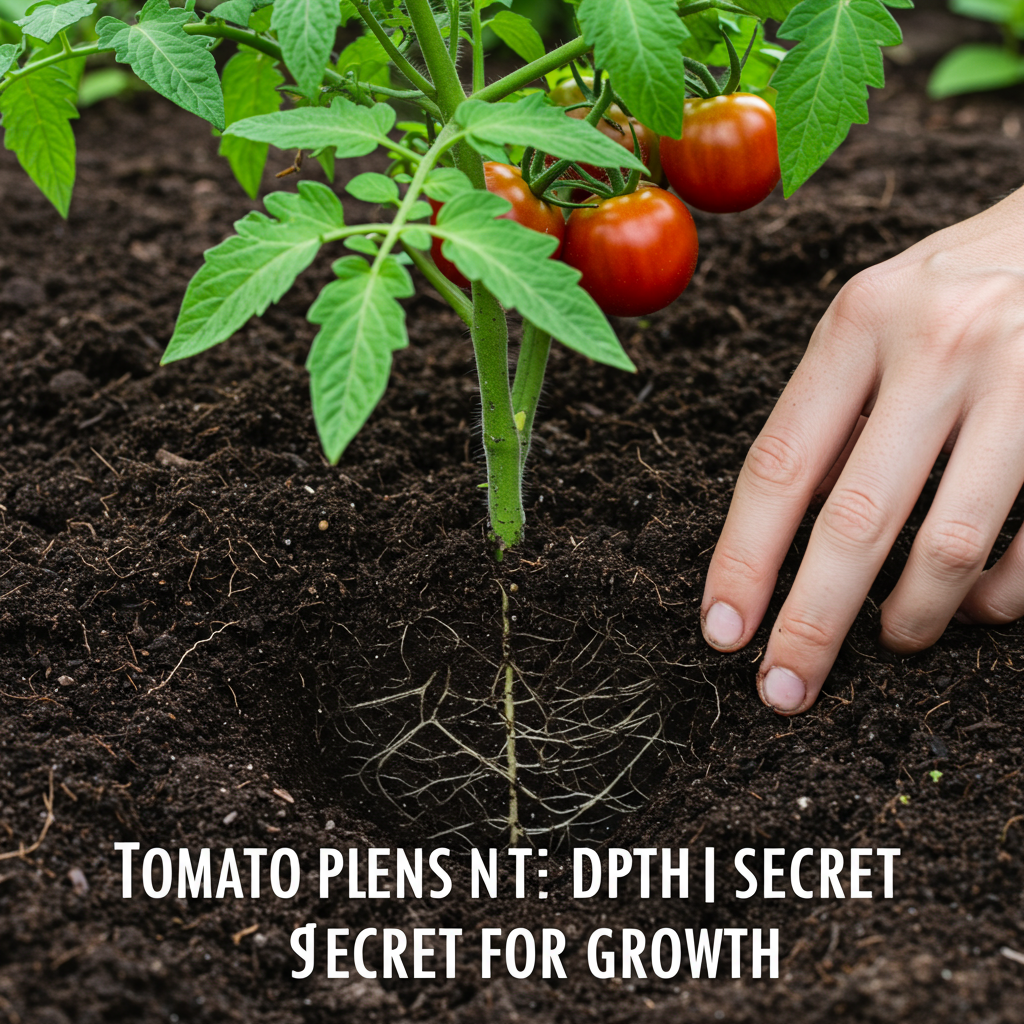
To truly appreciate this technique, we need to look at the anatomy of a tomato stem. Have you ever noticed the tiny, fuzzy hairs covering it? These are not just for show. These structures, called trichomes, have the remarkable ability to transform into roots when they come into contact with soil.
These new roots are known as adventitious roots—roots that form from non-root tissue. This is the biological magic at the heart of deep planting. When you bury a significant portion of a tomato seedling’s stem, you are signaling to the plant to convert those dormant trichomes into a brand-new, secondary root system all along the buried length.
Why is this so beneficial?
1. Massive Root System: Instead of relying solely on the original root ball at the very bottom, the plant develops a sprawling, fibrous network of roots that extends much wider and deeper. Think of it as upgrading from a small town’s water pipes to a major city’s entire water grid.
2. Enhanced Nutrient and Water Uptake: A larger root system acts like a super-sponge, dramatically increasing the surface area available for absorbing water and essential nutrients like nitrogen, phosphorus, and potassium from the soil. This leads directly to more vigorous foliage, thicker stems, and better fruit development.
3. Improved Stability and Anchorage: A deeply anchored plant is far more stable. It can withstand strong winds, heavy rain, and the weight of its own fruit without toppling over. This physical resilience reduces stress on the plant, allowing it to focus its energy on growth and production.
4. Increased Drought Resistance: With roots drawing moisture from deeper soil layers, the plant is much better equipped to handle periods of low rainfall or intense summer heat. While other plants may wilt, your deeply planted tomatoes will remain turgid and healthy.
Essentially, deep planting is like building a bigger, better engine for your tomato plant. You are providing it with the foundational infrastructure it needs to thrive in virtually any garden condition.
The “How-To”: Your Step-by-Step Guide to Deep Planting
Now that you understand the “why,” let’s dive into the “how.” There are two primary methods for deep planting, and the one you choose may depend on your seedling’s height and your soil conditions.
Before you begin with either method, you need to prepare your seedling.
Preparation: Pruning for Success
Look at your tomato seedling. Identify the lowest one to three sets of leaves (the small leaves at the bottom of the stem). Using clean fingers or a small pair of sterile snips, gently pinch or cut them off. This is crucial because any leaves buried underground will simply rot, potentially introducing disease to your plant. You want to create a long, bare stem that will become your new root zone. Allow the small wounds to callus over for an hour or so before planting.
Method 1: The Traditional Deep Hole
This is the most straightforward method and works perfectly for standard-sized, sturdy seedlings that aren’t excessively tall or “leggy.”
1. Dig the Hole: Excavate a hole that is deep enough to bury the stem up to just below the first remaining set of leaves. For a typical 8-inch-tall seedling, this might mean a hole that is 6-7 inches deep. The goal is to bury about two-thirds of the plant.
2. Amend the Soil (Optional but Recommended): Place a small handful of phosphorus-rich amendment like bone meal or a balanced organic fertilizer into the bottom of the hole. This provides a direct nutrient source for the developing root system. Mix it lightly with the soil.
3. Place the Plant: Gently loosen the root ball from its container and place it at the bottom of the hole.
4. Backfill and Water: Carefully fill the hole with soil, gently firming it around the buried stem. Immediately water the plant thoroughly. This watering is critical as it settles the soil, eliminates air pockets, and encourages the new roots to start growing.
Method 2: The Trench Method for Leggy Seedlings
Have you ever had seedlings that grew too tall and spindly indoors? The trench method is their salvation. It’s also an excellent choice for gardens with heavy clay soil or in cooler climates, as it keeps the root system in the warmer top layer of soil.
1. Dig the Trench: Instead of a deep hole, dig a shallow trench about 4-6 inches deep and long enough to accommodate the plant’s stem laying on its side.
2. Amend the Soil: Just like with the deep hole method, sprinkle your chosen amendments along the bottom of the trench.
3. Lay the Plant Down: After preparing your seedling by removing the lower leaves, carefully lay it horizontally in the trench.
4. Gently Bend the Top: Coax the top portion of the plant (the part with the remaining leaves) into a gentle upward curve so that it emerges from the soil. Don’t worry, tomatoes are flexible, but be careful not to snap the stem.
5. Backfill and Water: Cover the buried stem and root ball with soil, leaving the top few inches of the plant exposed to the sun. Water thoroughly to settle the soil around the new root zone. The buried stem will sprout roots all along its length, and the top of the plant will naturally correct itself to grow straight up toward the sun within a day or two.
Optimizing Your Tomato Plant Depth: Key Factors to Consider
While the principle is simple, a few nuances can help you perfect the technique for your specific situation.
Seedling Size: The taller and leggier the seedling, the more a candidate it is for the trench method. For short, stocky seedlings, a simple deep hole is sufficient. The goal remains the same: bury as much of the bare stem as you can.
Soil Temperature: In early spring, the soil is much colder deeper down. Burying a root ball too deep in cold, wet soil can lead to shock or rot. This is another area where the trench method shines, as it keeps the majority of the new root system in the warmer upper soil layer that is heated by the sun.
Container Gardening: You can and absolutely should plant tomatoes deep in containers! The key is to choose a large enough pot. A minimum 5-gallon container is recommended, but 10, 15, or even 20-gallon pots are far better. When planting, fill the pot only partway, place your prepared seedling inside, and then fill the rest of the pot with soil, burying the stem just as you would in the ground.
Tomato Variety: Both determinate (bush) and indeterminate (vining) varieties of tomatoes benefit equally from deep planting. A stronger root foundation helps support the heavy fruit load of determinate types and fuels the continuous growth of indeterminate vines all season long.
Common Mistakes to Avoid
To ensure your success, be mindful of these common pitfalls:
Forgetting to Remove Lower Leaves: This is the most common error. Buried leaves will decay and can become a vector for fungal diseases that can harm or kill your plant.
Planting in Waterlogged Soil: While tomatoes need water, a stem buried in cold, constantly saturated soil is prone to rotting before it can establish new roots. Ensure your garden bed has good drainage.
Compacting the Soil Too Much: When backfilling, firm the soil gently. Compacting it too tightly can make it difficult for new roots to penetrate and for water to drain properly.
Not Watering After Planting: That initial deep watering is non-negotiable. It removes air pockets and provides the immediate moisture needed to reduce transplant shock and kickstart root growth.
Beyond Planting: Supporting Your Deep-Rooted Powerhouse
Proper tomato plant depth gives your plants the best possible start, but it’s part of a complete care system. A plant with a massive root system will have a big appetite. Be prepared to support its vigorous growth with:
Consistent Watering: A strong root system is great for drought tolerance, but consistent moisture leads to the best fruit. Water deeply and regularly, aiming for the soil, not the leaves.
Adequate Nutrition: Feed your plants with a balanced tomato fertilizer according to package directions throughout the growing season, especially once they begin to set fruit.
Robust Support: All that growth needs a strong support structure. Install stakes, cages, or trellises at planting time to avoid disturbing the newly established root system later.
* Full Sun:** Tomatoes are sun-worshippers. Ensure they receive at least 6-8 hours of direct sunlight daily for optimal photosynthesis and fruit production.
By understanding the simple, brilliant biology of the tomato plant, you can move from just planting a seedling to strategically establishing a foundation for an entire season of health and productivity. The secret isn’t found in a bottle of expensive fertilizer or a complex spray; it’s right there in the soil. By mastering the art of tomato plant depth, you are giving your plants the ultimate advantage, setting the stage for your most successful and delicious harvest ever.