
An artificial cherry tomato plant in pot offers a vibrant splash of garden-fresh charm to any indoor space, without the demanding commitment of actual horticulture. Imagine the cheerful visual of ripe, red cherry tomatoes cascading over lush green leaves, perched perfectly on your kitchen windowsill or living room bookshelf, looking perpetually sun-kissed and perfect. For many, the dream of cultivating an indoor garden is met with the harsh reality of insufficient light, inconsistent watering, and the endless battle against pests. This is where the beauty of a high-quality faux plant truly shines, providing all the aesthetic joy of a thriving tomato plant with none of the effort, allowing you to enjoy an everlasting harvest of color and style.

The Allure of the Indoor Garden, Reimagined
There’s an undeniable connection between humans and nature. Bringing elements of the outdoors inside creates a sense of calm, vitality, and freshness. Plants, in particular, can transform a sterile room into a living, breathing space. A fruiting plant, like a cherry tomato plant, takes this a step further by introducing not just greenery but also vibrant pops of color that evoke feelings of homeliness, health, and rustic abundance.
However, the reality of growing cherry tomatoes indoors is a significant challenge for even seasoned gardeners. These sun-loving plants require:
Intense Light: A standard windowsill often isn’t enough. They typically need 6-8 hours of direct, bright sunlight or powerful grow lights to thrive and produce fruit.
Consistent Watering: Tomatoes are thirsty plants, but they are also susceptible to root rot if overwatered. Finding the perfect balance is a constant task.
Proper Nutrients: They require regular feeding with specific fertilizers to support leaf growth and fruit development.
Pollination: Unlike outdoor plants that rely on wind and insects, indoor tomatoes often need to be hand-pollinated to produce fruit.
Pest Control: Indoor environments aren’t immune to pests like spider mites and aphids, which can quickly decimate a plant.
This is the central dilemma that a meticulously crafted faux alternative solves. It captures the exact moment of peak perfection—the ideal number of ripe tomatoes, the healthiest green leaves, the most appealing shape—and freezes it in time. It’s the romanticized ideal of indoor gardening made effortlessly accessible to everyone, regardless of their green thumb, home orientation, or busy schedule.
Anatomy of a Lifelike Artificial Cherry Tomato Plant in Pot
The difference between a cheap-looking fake and a stunningly realistic botanical replica lies in the details. Modern manufacturing techniques have elevated artificial plants to an art form, and a high-quality faux tomato plant is a testament to this progress. When evaluating one, it’s essential to look closely at its individual components.
The Tomatoes: Bursting with Realism
The stars of the show are, of course, the cherry tomatoes themselves. A superior artificial plant will feature tomatoes that go far beyond simple red plastic balls.
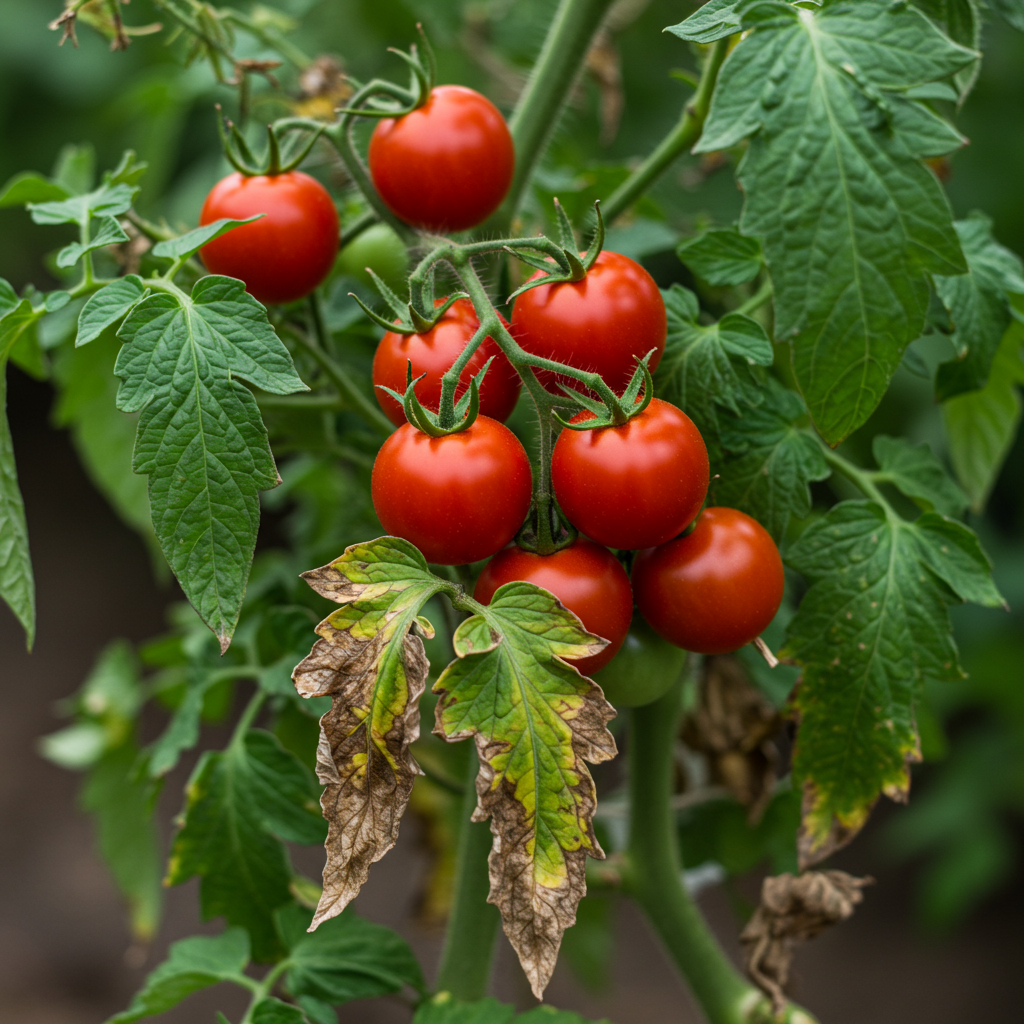
Color Variation: Real cherry tomatoes don’t all ripen at the same time or to the same shade. A realistic faux plant will mimic this with a mix of deep reds, brighter scarlet tones, hints of orange, and even a few strategically placed green, unripened tomatoes. This variation is the single most important factor in achieving a believable look.
Subtle Imperfections: Nature is rarely flawless. The best replicas will include tiny, subtle details like the small star-shaped green calyx where the stem meets the fruit and slight, natural-looking variations in shape and size.
Finish and Texture: The tomatoes should have a smooth, satin finish that mimics the delicate skin of a real tomato, catching the light without being overly glossy or plasticky.
The Leaves and Vines: The Foundation of Authenticity
While the tomatoes draw the eye, the foliage is what sells the illusion. A plant with cheap, flat, and uniformly colored leaves will immediately look fake.
Vein Detailing: High-quality leaves will have intricate vein patterns molded or printed onto them, replicating the structure of a real tomato leaf.
Color Gradation: Look for leaves with multiple shades of green. Newer growth is often a lighter, brighter green, while older leaves might be slightly darker. Some may even have subtle yellow or brown tinges on the edges for ultimate realism.
Shape and Texture: Tomato leaves have a distinct, slightly serrated shape. The artificial version should capture this accurately. A delicate, fabric-like texture, often made from silk-blend polyester, is far more convincing than stiff plastic.
The Stems and Structure: Mimicking Natural Growth
The way the plant is constructed is crucial. It needs to look like it grew naturally, not like it was assembled in a factory.
Posable Stems: Many premium artificial plants have wires embedded within the main stems and vines. This allows you to gently bend and arrange them, fluffing the leaves and positioning the tomatoes to perfectly suit your space and create a more organic, less rigid silhouette.
Textural Details: Real tomato stems have a fine, slightly fuzzy texture. Some high-end replicas will even simulate this with a flocked finish on the stems, adding a tactile layer of realism.
Natural Draping: The plant should have a natural-looking structure, with some vines reaching upwards and others gracefully cascading over the side of the pot, just as a real, fruit-laden plant would.
The Pot and Soil: The Final Touch
The plant’s base is just as important as the plant itself. A beautiful faux plant in a cheap plastic pot can ruin the entire effect. A quality artificial cherry tomato plant in pot comes with a base that complements its realism. This often means a sturdy pot made from ceramic, terracotta, or a convincing resin that mimics these materials. The “soil” at the base should also look authentic, often featuring a textured, dirt-like appearance or a covering of faux moss to complete the illusion.
The Unbeatable Benefits of Going Faux
Choosing an artificial plant isn’t about compromise; it’s about a smart, practical solution that offers a host of advantages over its living counterpart.
Zero Maintenance: This is the most significant benefit. There is no watering schedule to remember, no fertilizer to buy, no pruning to be done, and no wilting leaves to pick off. It asks for nothing but an occasional light dusting.
Perpetual Perfection: Your faux tomato plant will look perfectly vibrant and healthy 365 days a year. It’s forever in its peak season, providing a consistent source of color and cheer through the darkest days of winter and the busiest weeks of summer.
Ultimate Placement Freedom: Have a dark corner that’s begging for a splash of life? A high shelf that’s a pain to reach for watering? A windowless bathroom you want to turn into a spa-like oasis? An artificial plant can go anywhere, completely independent of sunlight or accessibility.
Allergy-Free Living: For those who suffer from pollen allergies, live plants can be a source of misery. Artificial plants offer all the beauty with none of the anthers, spores, or pollen, making them a safe choice for any household.
Pet and Child Safe: While many common houseplants can be toxic to curious pets and small children if ingested, high-quality artificial plants are made from non-toxic materials. You can place them at any level without worry (though it’s always wise to check manufacturer specifications).
Long-Term Cost-Effectiveness: While the initial investment for a high-quality artificial plant may be more than for a live one, it’s a one-time purchase. There are no recurring costs for soil, pots, fertilizer, or replacing plants that didn’t survive your vacation.
Styling Your Faux Tomato Plant for Maximum Impact
An artificial cherry tomato plant is an incredibly versatile decor piece. Its combination of rustic charm and vibrant color allows it to fit seamlessly into a variety of design aesthetics, from modern farmhouse to minimalist to eclectic.
The Quintessential Kitchen Companion
The most natural home for a tomato plant is, of course, the kitchen.
On the Countertop: Place it next to a block of knives, a collection of olive oil bottles, or a bowl of real lemons and limes to create a beautiful, food-focused vignette.
On an Open Shelf: Tucked between stacks of plates and your favorite cookbooks, it adds an organic touch and breaks up the monotony of hard surfaces.
In the Windowsill: It provides the classic look of a windowsill herb garden without any concern for whether the window provides enough sunlight.
A Surprising Living Room Accent
Don’t confine your faux plant to the kitchen. Its cheerful color can liven up any living space.
On the Mantelpiece: A smaller potted tomato plant can be a unique and colorful addition to your mantel decor, especially when flanked by candles or picture frames.
On a Bookshelf: Use it to add depth and a pop of color to your shelving. Let the vines cascade slightly over the edge of the shelf for a dynamic look.
On a Side Table: Placed next to a lamp or a stack of magazines, it serves as a wonderful, low-maintenance living accent.