
Tomato plant pot size is often the most overlooked variable in the quest for a bountiful harvest, yet it is arguably the most critical. Every gardener dreams of walking out to their patio or balcony to pluck a sun-warmed, perfectly ripe tomato from a thriving plant. Too often, however, that dream is replaced by the frustrating reality of stunted, yellowing plants that produce a handful of small, disappointing fruits. The secret to bridging that gap doesn’t lie in some exotic fertilizer or complex pruning technique; it starts with the humble container you choose before you even plant the seedling.
Choosing the right pot is not merely about giving the plant a home; it’s about providing the foundational life-support system that will dictate its health, resilience, and ultimate productivity. The container is the plant’s entire world—its source of water, its pantry of nutrients, its anchor against the wind, and its protection from temperature extremes. Get the size right, and you set your tomato plant up for a season of explosive growth and delicious rewards. Get it wrong, and you’re fighting an uphill battle from day one. This guide will walk you through everything you need to know to select the perfect pot, transforming your container gardening experience from one of guesswork to one of guaranteed success.
Why Size Is the Foundation of a Healthy Tomato Plant
Before we dive into specific recommendations, it’s essential to understand why pot size wields such immense power over your plant’s destiny. It all comes down to the root system.
The Root of the Matter: A Plant’s Engine Room
Think of a tomato plant’s root system as its engine and supply chain combined. These roots are responsible for anchoring the plant, absorbing every drop of water, and mining the soil for the vital nutrients needed to grow strong stems, lush leaves, and, most importantly, flavorful fruit.
In a small, restrictive pot, the roots quickly expand to hit the container walls. With nowhere else to go, they begin to circle, forming a dense, tangled mat. This condition, known as being “root-bound,” is a state of high stress. A root-bound plant cannot efficiently absorb water or nutrients. Its growth slows, it becomes more susceptible to disease and pests, and its fruit production grinds to a halt. A larger pot provides ample room for roots to spread out freely, creating an extensive network that can effectively support a large, productive plant above ground.
The Soil as a Reservoir: Water and Nutrient Stability
A larger pot holds a greater volume of soil. This might seem obvious, but the implications are profound. More soil acts as a bigger reservoir for both water and nutrients.
Watering Forgiveness: A small pot can dry out in a matter of hours on a hot, sunny day. This creates a stressful cycle of drought and flood for the plant, which can lead to problems like cracked fruit and blossom end rot. A large volume of soil in a bigger pot retains moisture for much longer, providing a consistent supply of water and buffering the plant against your occasional watering lapses. You water less frequently but more effectively.
Nutrient Availability: Tomatoes are heavy feeders. They consume a significant amount of nutrients over their growing season. A larger soil volume can hold more organic matter and slow-release fertilizer, offering a more stable and long-lasting food source. In a small pot, the limited nutrients are quickly depleted, forcing you into a demanding and constant liquid feeding schedule to prevent deficiencies.
Stability and Support for a Top-Heavy Plant
As a tomato plant grows, it can become tall, bushy, and laden with heavy fruit. An indeterminate (vining) variety can easily reach heights of six feet or more. In a small, lightweight pot, such a plant becomes dangerously top-heavy. A strong gust of wind can easily topple it over, causing broken stems and significant damage. A large, heavy pot filled with soil provides a sturdy, stable base that anchors the plant securely, protecting your investment from the elements.
A Guide to the Right Tomato Plant Pot Size
Not all tomatoes are created equal. Their growth habits vary dramatically, and so do their needs for root space. Matching the pot size to the specific type of tomato you are growing is the key to unlocking its full potential.
For Determinate (Bush) Tomatoes
Determinate tomatoes are the sprinters of the tomato world. They are genetically programmed to grow to a fixed, compact size—usually two to four feet tall. They produce the bulk of their fruit in a concentrated window of a few weeks and then their production wanes. Because their overall size is more manageable, their pot size requirements are less extreme.
Recommended Pot Size: A 5-gallon pot is the absolute minimum for a healthy determinate tomato. However, for a truly thriving plant with optimal fruit production, a 7 to 10-gallon pot (around 14-16 inches in diameter) is a much better choice.
Examples: ‘Roma’, ‘Celebrity’, ‘Bush Goliath’, ‘Patio’.
A 10-gallon pot will give a determinate variety enough root space to avoid stress and enough soil volume to maintain more consistent moisture levels, leading to healthier fruit and a better overall yield.
For Indeterminate (Vining) Tomatoes
Indeterminate tomatoes are the marathon runners. These vining varieties will continue to grow, flower, and produce fruit all season long, right up until the first frost. They can become massive plants, often reaching 6-10 feet or more in height. Their root systems are correspondingly vast and aggressive. Planting an indeterminate variety in a small pot is the single most common mistake in container tomato gardening.
Recommended Pot Size: A 10-gallon pot is the bare-bones minimum for an indeterminate tomato, and even then, you should expect to water and feed it frequently. For truly spectacular results, you should aim for a 15 to 25-gallon pot (around 18-24 inches in diameter). A half-whiskey barrel is an excellent option.
Examples: ‘Beefsteak’, ‘Brandywine’, ‘Early Girl’, ‘Sungold’, most heirloom and cherry tomato varieties.
Giving an indeterminate tomato this much space might seem excessive at first, but the plant will use every square inch. The massive root system it develops will support vigorous growth all season, leading to a continuous and abundant harvest of superior-quality tomatoes.
For Dwarf and Micro-Dwarf Varieties
Bred specifically for container and small-space gardening, these compact varieties are the exception to the “bigger is better” rule.
Dwarf Tomatoes: These typically grow to 2-3 feet tall but have strong, thick central stems. A 3 to 5-gallon pot is usually sufficient.
* Micro-Dwarf Tomatoes: These tiny wonders, like ‘Tiny Tim’ or ‘Micro-Tom’, are often grown on windowsills and only reach about 6-12 inches in height. They can be perfectly happy in a 1 to 2-gallon pot.
The Dangers of Getting it Wrong
Understanding the consequences of an improper pot size can further reinforce the importance of your choice.
The Downside of “Too Small”:
A pot that is too small will inevitably lead to a cascade of problems:
1. Stunted Growth: The plant will remain small and weak as its root-bound status chokes its ability to take in resources.
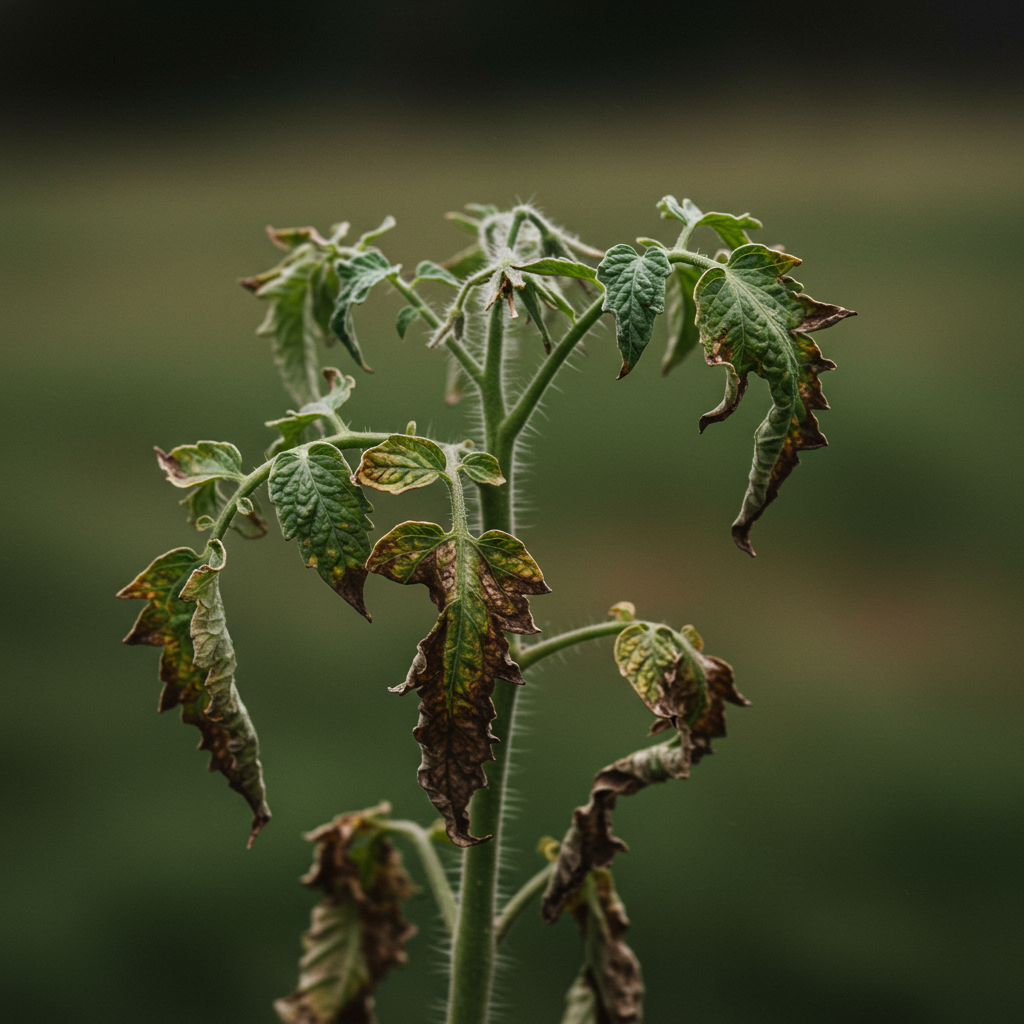
2. Yellowing Leaves: This is a classic sign of nutrient deficiency, as the limited soil is quickly depleted of essential minerals like nitrogen.
3. Blossom End Rot: This common ailment, which creates a dark, leathery spot on the bottom of the fruit, is caused by a calcium deficiency. However, the root cause is often inconsistent watering—a direct symptom of a pot that’s too small and dries out too quickly.
4. Poor Fruit Set: A stressed plant will prioritize its own survival over reproduction, leading it to drop its flowers instead of setting fruit.
5. Increased Susceptibility: A chronically stressed plant has a weakened immune system, making it an easy target for pests and diseases.
Can a Pot Be “Too Big”?**
This is a frequent question, and the answer is generally no, with one important caveat. A tomato plant will not be harmed by having excess root space. The main risk of an overly large pot comes from overwatering. In a massive pot with a tiny seedling, the large volume of soil can stay wet for too long because the small root system can’t absorb the moisture quickly enough. This can lead to root rot.
However, this risk is easily mitigated by using a high-quality, well-draining potting mix and watering only when the top few inches of soil are dry. Once the plant grows and its root system expands, the risk disappears entirely. When in doubt, it is always safer to err on the side of a larger pot.