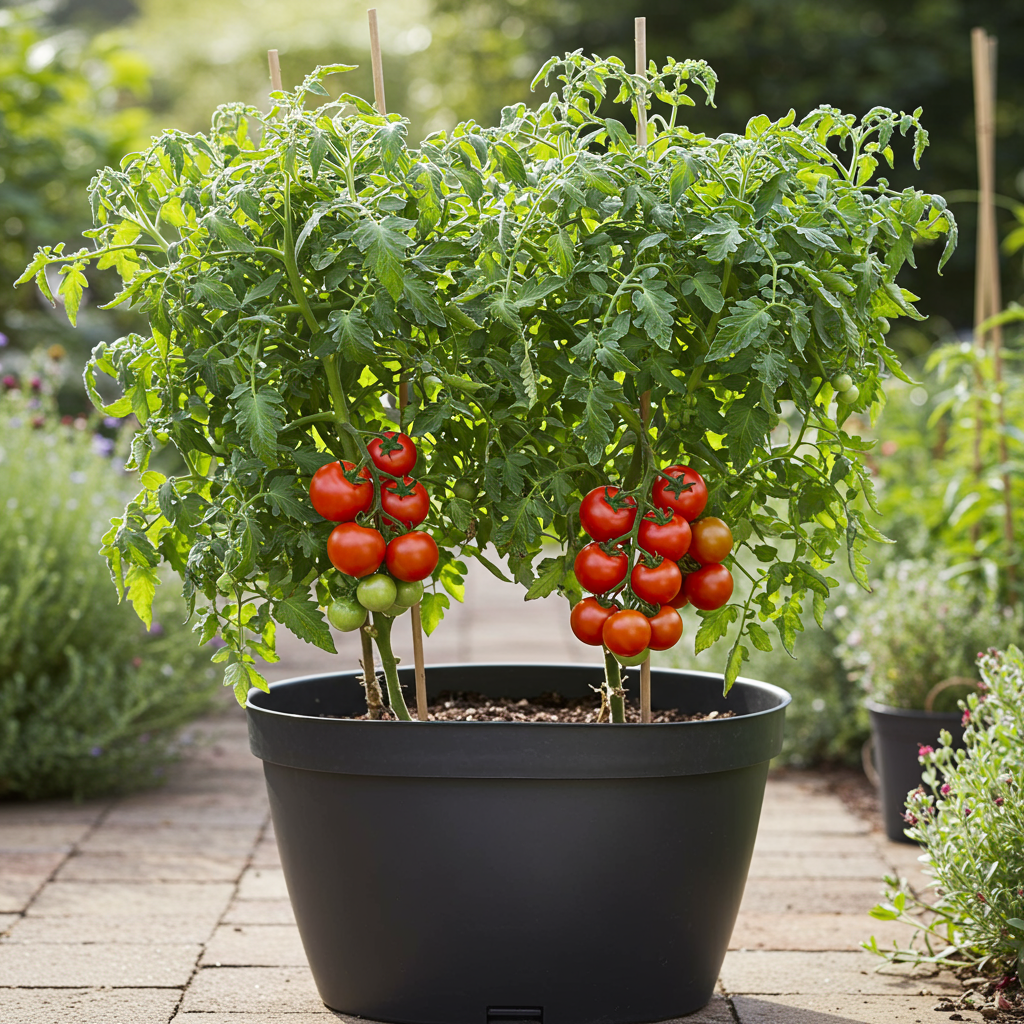
Planting 2 tomatoes in a 10 gallon pot is a topic that sparks lively debate among seasoned gardeners. The conventional wisdom often dictates one tomato plant per container, warning of competition for nutrients, water, and root space that can lead to stunted growth and a disappointing harvest. But for the space-conscious gardener with a balcony, patio, or small yard, the allure of doubling a harvest in a single footprint is powerful. The truth is, with careful planning, the right techniques, and a commitment to nurturing your plants, growing two tomatoes in one large pot is not only possible but can also yield stunning, delicious results.
This comprehensive guide will walk you through every step of this ambitious yet rewarding gardening project. We’ll explore the critical role of variety selection, the non-negotiable requirements for soil and setup, and the meticulous care routine that will turn your shared container into a thriving, fruit-bearing powerhouse. Forget the dogma and get ready to push the boundaries of container gardening.
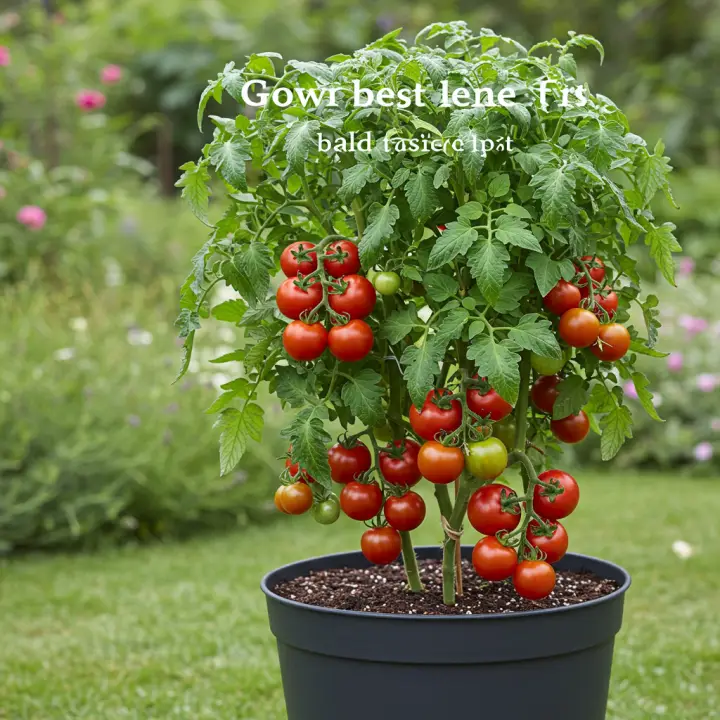
The Great Debate: Is It A Good Idea?
Before we dive into the “how,” it’s essential to understand the “why” behind the one-plant-per-pot rule. Plants are living organisms that compete for finite resources. When you place two tomato plants in a single container, you create an environment of intense competition for:
Root Space: A 10-gallon pot offers a decent amount of soil, but two mature tomato root systems will inevitably intertwine and vie for territory.
Water: With two plants transpiring (releasing water vapor), the soil will dry out significantly faster than it would with a single plant.
Nutrients: Tomatoes are famously heavy feeders. Two plants will deplete the nutrients in the potting mix at double the rate, requiring a more aggressive and consistent feeding schedule.
Airflow: Two plants growing in close proximity can create a dense canopy of leaves, reducing air circulation. This can increase the risk of fungal diseases like blight and powdery mildew.
So, why attempt it? The primary reason is space efficiency. For urban gardeners, maximizing every square inch of sunlight is crucial. Successfully growing two plants in one pot is a triumph of intensive gardening that can deliver a surprisingly bountiful harvest. It is an advanced technique, but one that is well within reach if you follow the right principles.
The First and Most Crucial Decision: Choosing Your Tomato Varieties
Your success starts long before you ever touch a bag of soil. The single most important factor in this endeavor is selecting the right type of tomato plant. Tomato varieties are generally categorized into two growth habits: determinate and indeterminate.
Determinate (“Bush”) Tomatoes: Your Best Bet
Determinate tomatoes are the ideal candidates for a shared 10-gallon pot. These varieties are genetically programmed to grow to a specific, predetermined size, typically three to four feet tall. They produce their foliage first, then set flowers and fruit in a concentrated period over a few weeks.
Why they work:
Compact Size: Their “bushy” and finite growth habit means they won’t overwhelm the container or each other.
Manageable Root System: Their roots are generally less sprawling than their vining cousins.
Synchronized Harvest: You’ll get a large flush of tomatoes at once, which is perfect for canning or making sauce.
Excellent Determinate Varieties for Containers:
Celebrity: A classic, reliable producer of medium-sized, flavorful tomatoes. Highly disease-resistant.
Roma VF: The quintessential paste tomato, perfect for sauces. Its compact form is ideal.
Patio Princess: As the name suggests, this variety was bred specifically for container gardening, producing 2-inch fruits on a small plant.
Bush Goliath: Offers large, meaty fruit on a surprisingly compact and productive plant.
Tiny Tim or Red Robin: If you prefer cherry tomatoes, these dwarf varieties are perfect, staying very small and manageable.
Indeterminate (“Vining”) Tomatoes: The Expert Challenge
Indeterminate tomatoes will grow and produce fruit continuously until killed by frost. They can easily reach heights of six to ten feet or more, creating massive, sprawling vines. Putting two of these in a 10-gallon pot is extremely challenging and not recommended for beginners. If you are an experienced gardener and want to try, you must be ruthlessly committed to pruning.
If you must use an indeterminate variety:
Choose a smaller-fruited type like a cherry tomato (e.g., ‘Sungold’ or ‘Sweet Million’), as they put slightly less strain on the plant.
You will need a very tall, very sturdy support system, like a Texas Tomato Cage.
Aggressive and relentless pruning of suckers will be mandatory to control size and promote airflow.
Setting the Stage: Pot, Soil, and Planting
With your chosen varieties in hand, it’s time to create the perfect home for them. The foundation you build here will directly impact their health and productivity.
The Pot Itself
A 10-gallon pot is the minimum size for this project. Anything smaller will lead to guaranteed failure. Consider the material:
Fabric Grow Bags (Highly Recommended): These are perhaps the best choice. They provide excellent drainage and allow for “air pruning,” where roots that reach the side of the bag are pruned by the air, encouraging a more fibrous and efficient root ball rather than a tangled, circling mass.
Plastic Pots: Lightweight and excellent at retaining moisture, which is a plus since the pot will dry out quickly. Ensure it has large, numerous drainage holes.
Terracotta/Clay Pots: These are heavy and stable but are also porous, meaning the soil will dry out very rapidly. You may find yourself watering more than once a day in the heat of summer.
Crucially, whatever you choose must have ample drainage holes. Tomatoes despise “wet feet,” and waterlogged soil is a fast track to root rot.
The Perfect Potting Mix
Do not use soil from your garden. Garden soil is too dense, compacts easily in containers, drains poorly, and can harbor pests and diseases. You need a light, airy, and nutrient-rich potting mix. You can buy a high-quality commercial mix, or create your own superior blend:
1 Part High-Quality Potting Soil: This forms the base.
1 Part Compost or Well-Rotted Manure: This provides a rich source of organic matter and slow-release nutrients.
1 Part Perlite or Vermiculite: This is non-negotiable. It creates air pockets in the soil, promoting healthy root growth and ensuring excellent drainage.
A Handful of Slow-Release Fertilizer: Mix in a balanced, granular fertilizer (e.g., 10-10-10) to give your plants a strong start.
A Handful of Crushed Eggshells or Bone Meal: This adds calcium, which is vital for preventing Blossom End Rot later in the season.
The Art of Nurturing 2 Tomatoes in a 10 Gallon Pot
This is where your diligence will pay off. Maintaining a healthy environment for two competing plants requires more attention than managing a single one.
1. Watering: The Daily Task
This will be your most important and frequent job. A 10-gallon pot with two plants in the summer sun can dry out in less than a day.
Check Daily: Every morning, stick your finger two inches into the soil. If it feels dry, it’s time to water. In the peak of summer heat, you may need to check in the morning and evening.
Water Deeply: When you water, do it thoroughly. Pour water slowly and evenly over the soil surface until it flows freely from the drainage holes. This ensures the entire root ball is saturated.
Avoid Shallow Sips: Light, frequent watering encourages a shallow root system, making the plants more vulnerable to drought and stress.
Water the Soil, Not the Leaves: Wetting the foliage, especially in the evening, creates an ideal environment for fungal diseases. Use a watering can or hose wand to direct water at the base of the plants.
2. Fertilizing: A Consistent Feeding Frenzy
Two heavy-feeding plants will strip the nutrients from your potting mix quickly. The slow-release fertilizer you added at the beginning is just a down payment.
First Two Weeks: Let the plants establish themselves. The initial fertilizer will suffice.
After First Fruit Set: Once you see tiny tomatoes forming, begin a regular liquid feeding schedule.
Every 7-14 Days: Use a balanced liquid fertilizer formulated for tomatoes or vegetables. Look for one that is lower in nitrogen (N) and higher in phosphorus (P) and potassium (K) to encourage fruit production rather than excessive leafy growth. Dilute it according to the package directions and use it in place of a regular watering.
Monitor for Deficiencies: Pay close attention to leaf color. Yellowing leaves can indicate a need for nutrients (or a watering issue).
3. Support and Pruning: Essential for Health and Order
Support isn’t optional; it’s mandatory. Install your support system when you plant to avoid damaging the roots later.
Support: A sturdy cage for each plant is ideal. Insert them on opposite sides of the pot. Staking also works, but caging provides more comprehensive support.
Pruning:** This is key to managing growth and improving airflow. Focus on removing “suckers”—the small shoots that appear in the ‘V’ between the main stem and a branch