When winter arrives in Florida, your garden doesn’t have to take a break. In fact, this season offers a perfect chance to grow some of the freshest and healthiest vegetables you’ll find anywhere.
Whether you’re a seasoned gardener or just starting out, knowing which vegetables thrive in Florida’s mild winter can make all the difference. Imagine harvesting crisp lettuce, vibrant kale, or even sweet carrots right from your backyard when others are waiting for spring.
Ready to discover the best vegetables to grow this winter? Keep reading, and you’ll learn exactly what to plant, how to care for your crops, and tips to ensure your garden flourishes all season long. Your winter garden success starts here!

Credit: theurbanharvest.com
Winter Vegetables For Florida Gardens
Florida’s mild winter climate allows gardeners to grow many vegetables successfully. Winter gardens here focus on cool-season crops that enjoy lower temperatures. These vegetables thrive in the shorter daylight and cooler nights of Florida’s winter. Choosing the right vegetables ensures a bountiful harvest and healthy plants.
Leafy Greens To Plant
Leafy greens grow well in Florida’s winter. Lettuce, spinach, kale, and Swiss chard are popular choices. These greens prefer cooler weather and can tolerate light frosts. Mustard greens and collard greens also do well. They provide fresh, nutritious leaves for salads and cooking.
Brassicas For Cooler Months
Brassicas like broccoli, cabbage, and cauliflower thrive in winter. Brussels sprouts and bok choy also grow well. These vegetables need cooler temperatures to develop good flavor. Planting them in fall or early winter gives enough time for harvest before spring heat arrives.
Root Crops That Thrive
Root crops enjoy Florida’s cooler winter soil. Carrots, beets, and radishes grow quickly and taste sweeter after cold nights. Turnips and potatoes also do well in winter gardens. These vegetables add variety and store well after harvesting.
Other Vegetables To Consider
Onions, celery, peas, and garlic are great winter options. They grow steadily in Florida’s mild climate. These crops need consistent moisture and good soil drainage. Including them diversifies your garden and extends the harvest season.
Warm-weather Crops For South Florida
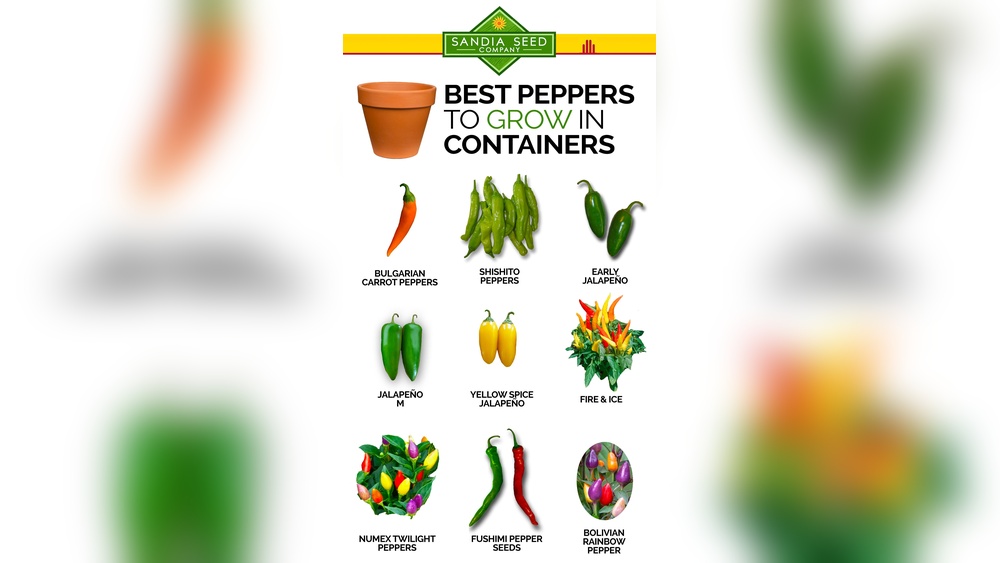
South Florida’s mild winter allows some warm-weather crops to continue growing. Tomatoes, peppers, eggplants, and beans can still produce well. Squash also thrives in this region. These crops enjoy the longer frost-free period in South Florida.

Credit: www.revivalgardening.com
Flowers To Brighten Winter Gardens
Winter in Florida brings cooler temperatures and shorter days. Gardens can look dull without vibrant colors. Flowers add life and charm to your winter garden. Choosing the right blooms ensures color and beauty all season long.
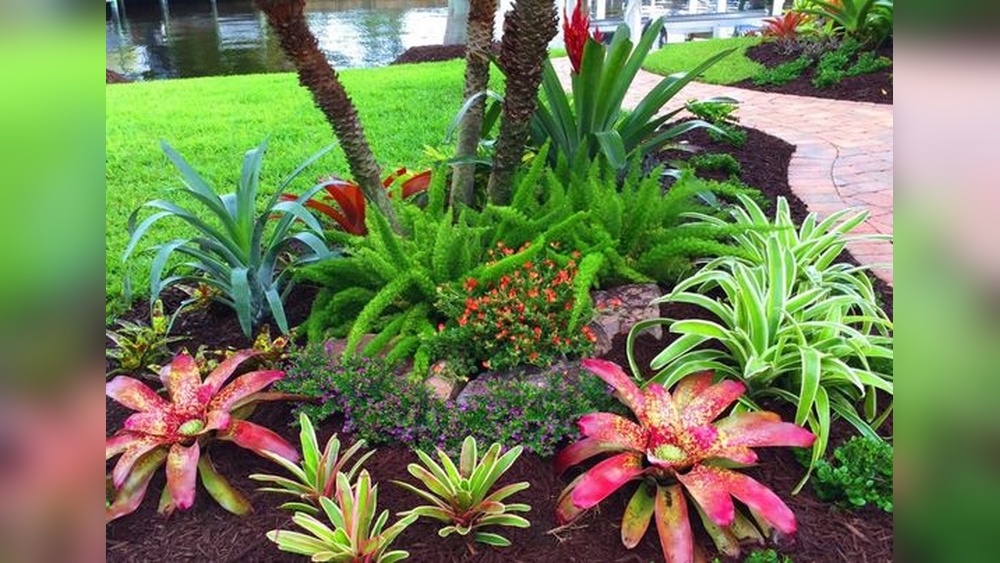
Many flowers thrive in Florida’s mild winter climate. They brighten outdoor spaces and attract pollinators. These plants are easy to grow and maintain during cooler months.
Popular Winter Annuals
Annual flowers complete their life cycle in one season. They bloom quickly and fill garden beds with color. Pansies are a favorite for their bright petals and cold tolerance. Petunias offer a wide range of colors and bloom steadily. Snapdragons create vertical interest with their tall flower spikes. Dianthus gives a sweet fragrance and pretty pink or red flowers. Geraniums bring bold colors and can handle mild frost. Carnations add elegance with ruffled petals. Sweet alyssum produces tiny, fragrant flowers that attract beneficial insects.
Colorful Options For Florida
Florida winters allow many flowers to thrive outdoors. Choose plants that enjoy cooler but not freezing weather. Pansies and petunias are excellent choices for beds and containers. Snapdragons add height and texture to garden designs. Geraniums and carnations tolerate Florida’s mild winter well. Sweet alyssum is perfect for edging and ground cover. These flowers provide continuous blooms and bright colors. Mix varieties for a lively and diverse winter garden. Regular watering and some afternoon shade help flowers stay healthy.
Planting Schedule For Winter Success
Creating a solid planting schedule ensures a thriving winter garden in Florida. Timing your seed starting and planting activities helps vegetables grow strong despite cooler temperatures. A clear schedule reduces guesswork and increases garden success.
Best Time To Start Seeds
Start seeds indoors or in a protected area 6 to 8 weeks before the last expected frost. For most Florida areas, this means beginning in September or October. Leafy greens and root vegetables do well when sown directly in the soil around October. Brassicas like broccoli and cabbage prefer early seed starting to give them a head start.
Month-by-month Planting Guide
September: Begin indoor seed starting for broccoli, cabbage, and cauliflower. Sow lettuce and spinach seeds in containers.
October: Direct sow carrots, radishes, and beets outdoors. Transplant seedlings of brassicas started indoors.
November: Plant kale, collards, and mustard greens. Protect young plants from early cold snaps.
December: Continue planting leafy greens and root vegetables. Start onions and garlic for spring harvest.
January: Sow peas and celery. Maintain consistent watering and monitor for frost.
February: Transplant warm-season crop seedlings in South Florida. Prepare soil for spring planting.
Essential Care Tips
Growing vegetables in Florida’s winter requires special care to keep plants healthy and productive. This season’s cooler temperatures and changing sunlight affect growth. Follow simple care tips to help your garden thrive during winter months. Focus on sunlight, watering, and frost protection for best results.
Maximizing Winter Sunlight
Winter sun in Florida is lower in the sky and less intense. Place your vegetable garden in a spot with full sun for most of the day. Avoid shady areas or places blocked by buildings or trees. Rotate plants to catch the sun’s rays evenly. Use reflective surfaces like white walls to increase light.
Watering Strategies In Cooler Weather
Plants need less water in cooler months but still require regular moisture. Water deeply but less often to encourage strong roots. Check the soil moisture before watering to avoid overwatering. Use mulch to keep soil moist longer and reduce evaporation. Water in the morning to allow leaves to dry and prevent disease.
Protecting Plants From Frost
Frost can damage tender winter vegetables in Florida. Cover plants with frost blankets or cloths during cold nights. Remove covers in the morning to allow sunlight and air circulation. Group plants close together to share warmth. Use mulch around plant bases to protect roots from cold. Keep an eye on weather forecasts and act quickly.
Choosing Easy-to-grow Vegetables
Choosing easy-to-grow vegetables for Florida winter gardens helps ensure success and enjoyment. Easy crops need less care and offer steady growth, perfect for new and busy gardeners. Selecting the right plants also saves time and reduces frustration. Focus on vegetables that thrive in cooler temperatures and can handle Florida’s mild winter climate.
These choices allow gardeners to harvest fresh produce with less effort. Easy-to-grow vegetables fit well into small spaces and containers too. By picking reliable and adaptable varieties, anyone can enjoy a bountiful winter garden in Florida.
Low-maintenance Options
Low-maintenance vegetables require little attention and thrive with minimal care. Leafy greens like spinach and kale grow quickly and tolerate cold well. Swiss chard and mustard greens also do well in Florida winters without much fuss. Root vegetables such as radishes and carrots need simple soil preparation and regular watering but little else.
These crops resist pests and diseases better than many others. They grow steadily without constant pruning or fertilizing. Choosing these plants helps save time and effort while still producing healthy vegetables.
High-yield Crops
High-yield vegetables produce plenty of food in a small area. Broccoli and cabbage are great examples that offer large harvests. Collard greens grow abundantly and can be picked over time. Peas and beans also provide many pods from just a few plants.
Growing these crops maximizes garden space and rewards with fresh food. Their strong growth makes them perfect for winter gardens. These plants meet the needs of gardeners wanting more produce with less work.
Regional Growing Differences
Florida’s winter gardening varies widely across regions. The state spans different climates and zones. This diversity affects which vegetables thrive in each area. Understanding these regional differences helps gardeners choose the best crops. It also improves the chances of a healthy, productive garden.
North Vs South Florida
North Florida has cooler winters with occasional frost. Vegetables like broccoli, cabbage, and kale grow well here. These crops tolerate cold and short days. South Florida stays warm and frost-free most winter days. It supports warm-season vegetables like tomatoes, peppers, and beans. Gardeners in the south can grow a wider variety year-round. Knowing your zone helps pick crops suited for local weather.
Microclimate Considerations
Microclimates exist within Florida’s regions. Shade, wind, and nearby buildings affect temperature. A south-facing wall may keep a spot warmer at night. Low areas may collect cold air, increasing frost risk. Gardeners can use microclimates to protect plants. Raised beds and row covers help control conditions. Observing local weather patterns guides better garden planning.

Credit: fleetfarming.org
Frequently Asked Questions
What Can You Grow In Florida In The Winter?
You can grow cool-season vegetables like lettuce, kale, broccoli, carrots, and radishes in Florida during winter. South Florida also supports tomatoes, peppers, and beans. Plant flowers such as pansies, petunias, and snapdragons for vibrant winter blooms.
When To Plant Winter Vegetables In Florida?
Plant winter vegetables in Florida from October to early December. Start cool-season crops like broccoli, lettuce, and carrots in fall. Protect tender plants from occasional freezes with frost blankets. Water consistently and place gardens in sunny spots for best growth during winter months.
What’s The Easiest Vegetable To Grow In Florida?
Lettuce, spinach, and kale grow easiest in Florida due to their tolerance for heat and humidity. These leafy greens thrive year-round.
What Can I Plant In October In Florida?
Plant cool-season vegetables like lettuce, kale, broccoli, carrots, and radishes in Florida this October. Also, sow onions, peas, and garlic. South Florida gardeners can plant tomatoes, peppers, and beans. Add pansies, petunias, and snapdragons for colorful flowers. Ensure adequate sunlight and consistent watering for best growth.
Conclusion
Winter in Florida offers many vegetable growing options. Choose leafy greens, root vegetables, or brassicas for best results. South Florida gardeners can also plant warm-weather crops like tomatoes and peppers. Keep plants healthy with regular watering and proper sunlight. Protect tender crops during cold snaps with frost blankets.
Growing vegetables in winter keeps your garden active and fresh. Enjoy the process and the tasty harvest it brings. Happy gardening!