If you’ve ever thought about growing your own fresh produce right in your Florida backyard, you’re in the right place. Florida’s unique climate offers both challenges and amazing opportunities for gardeners like you.
Knowing which vegetables and fruits thrive here can save you time, effort, and frustration. Imagine picking juicy tomatoes, sweet strawberries, or crisp greens that you grew yourself—doesn’t that sound rewarding? In this guide, you’ll discover the best vegetables and fruits to grow in Florida, tailored to your local conditions.
Ready to transform your garden into a productive oasis? Let’s dive in and find out what will grow best for you.

Credit: www.amazon.com
Climate And Soil In Florida
Florida’s climate and soil create unique conditions for growing vegetables and fruits. The state enjoys a warm, subtropical climate with mild winters. This allows many crops to thrive year-round. Rainfall varies but supports diverse plant growth. Understanding local climate and soil helps choose the right plants. Proper soil preparation boosts growth and yield.
Florida’s Growing Zones
Florida spans several USDA growing zones from 8a to 11a. The northern regions have cooler winters, suitable for hardy vegetables. Central and southern Florida offer warm conditions for tropical fruits. Knowing your zone guides planting times and crop choices. It helps avoid frost-sensitive plants in colder areas.
Soil Types And Preparation
Florida’s soil varies widely, including sandy, clay, and loamy types. Sandy soil drains quickly but lacks nutrients. Clay soil holds water but can compact easily. Loamy soil is ideal for most vegetables and fruits. Testing soil pH and nutrients is essential. Amend soil with organic matter like compost to improve fertility and texture. Raised beds help manage poor soil and drainage issues.
Credit: www.quarto.com
Top Vegetables For Florida Gardens
Florida’s warm climate and long growing season make it perfect for many vegetables. Choosing the right types helps ensure a healthy, productive garden. Some vegetables thrive in the heat, while others grow well all year. Knowing which ones suit your region boosts your chances of success.
Heat-tolerant Choices
Florida’s summer heat can be intense. Vegetables that handle high temperatures do best. Okra grows quickly and loves the sun. Sweet potatoes thrive in hot, sandy soil. Southern peas, like black-eyed peas, resist heat and pests well. Eggplants and peppers also manage heat if watered properly. These veggies keep producing even in the hottest months.
Vegetables For Year-round Growth
Some vegetables grow nearly all year in Florida’s mild winters. Leafy greens such as spinach, kale, and lettuce do well in cooler months. Broccoli, cauliflower, and cabbage prefer fall and winter planting. Carrots and radishes mature quickly and can be planted several times yearly. These vegetables provide fresh produce long after summer ends.
Best Vegetables For Central Florida
Central Florida has mild winters and hot summers. Tomatoes grow well from early spring until fall. Cucumbers and squash produce abundant crops in warm weather. Beans flourish when temperatures stay moderate. Herbs like basil and cilantro add flavor and grow easily here. Selecting these vegetables suits Central Florida’s unique climate and soil.
Best Fruits To Grow In Florida
Florida’s warm climate and long growing season make it perfect for fruit gardening. Many fruits thrive here, offering fresh, delicious harvests right at home. Choosing the right fruits can boost your garden’s success and enjoyment. Here are some of the best fruits to grow in Florida.
Tropical And Subtropical Fruits
Fruits like mangoes, papayas, and pineapples do well in Florida’s subtropical climate. These plants love heat and humidity. Mango trees produce juicy, sweet fruits and grow well in well-drained soil. Papaya plants grow fast and start fruiting within a year. Pineapples are low-maintenance and can be grown in pots or the ground.
Popular Citrus Varieties
Florida is famous for its citrus fruits. Oranges, grapefruits, lemons, and limes thrive here. These trees need full sun and well-drained soil. Valencia oranges and Ruby Red grapefruits are top choices. Citrus trees not only provide tasty fruit but also add beautiful blooms and fragrance to your garden.
Easy-to-grow Fruits For Beginners
Strawberries, blueberries, and bananas are great for beginner gardeners. Strawberries grow well in containers and raised beds. Blueberries need acidic soil but reward with sweet berries. Banana plants grow fast and produce fruit within a year. These fruits require minimal care and offer quick results.
Herbs And Specialty Plants
Florida’s warm climate and long growing season create an excellent environment for herbs and specialty plants. These plants often require less space and can thrive with minimal care. Growing herbs and unique vegetables adds flavor and variety to your garden and kitchen. They also attract beneficial insects and improve garden health.
Common Culinary Herbs
Basil grows well in Florida’s heat and humidity. It needs full sun and regular watering. Mint is a hardy herb that spreads quickly and prefers partial shade. Rosemary thrives in well-drained soil and sunny spots. Parsley grows best in cooler months and can be planted in spring or fall. Thyme loves dry, sunny locations and adds a fragrant touch to dishes. Cilantro prefers cooler temperatures and should be planted in early spring or fall.
Asian And Unusual Vegetables
Many Asian vegetables suit Florida’s climate perfectly. Bok choy grows fast and enjoys cooler months. It needs rich soil and regular watering. Yardlong beans climb well and produce a long harvest season. Bitter melon thrives in hot weather and requires a trellis for support. Thai eggplants are small, round, and taste great in curries. Okinawa spinach grows quickly and tolerates heat well. These plants add diversity and unique flavors to your garden.
Planting Seasons And Timelines
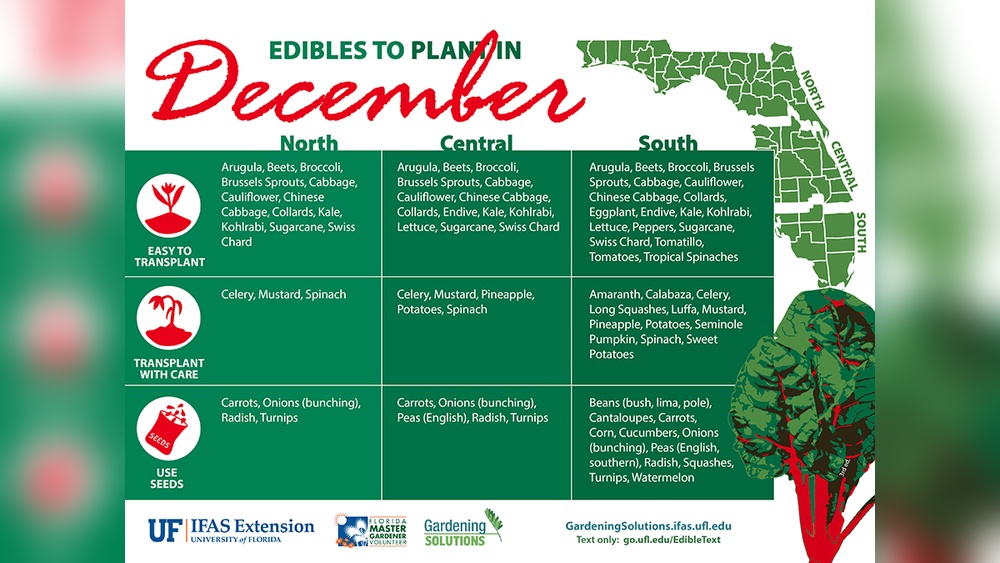
Understanding the right planting seasons and timelines is key to growing healthy fruits and vegetables in Florida. The state’s warm climate allows for diverse planting windows. Careful timing helps plants thrive and produce the best harvests. Each season offers unique opportunities for different crops.
Spring And Summer Planting
Spring and summer bring warmth and longer days. These conditions suit heat-loving vegetables. Tomatoes, peppers, eggplants, and squash grow well during these months. Plant seeds or seedlings after the last frost date. Water regularly to combat Florida’s intense sun and occasional dry spells.
Fruits like mangoes and avocados also thrive when planted in late spring. They need plenty of sunshine and warmth to develop strong roots and healthy growth. Summer is ideal for fast-growing crops such as beans and cucumbers. Keep soil moist to help plants withstand heat stress.
Fall And Winter Options
Florida’s mild fall and winter allow for cool-season crops to flourish. Plant broccoli, cauliflower, and cabbage in early fall. These vegetables enjoy cooler temperatures and less humidity. Leafy greens like spinach, lettuce, and kale also grow well during this time. They mature quickly and provide fresh leaves for salads and cooking.
Strawberries and other small fruits do best when planted in late fall. They require cooler weather to develop sweet, juicy berries. Root vegetables like carrots and radishes can be sown in fall for a winter harvest. Regular watering and protection from frost ensure healthy growth.

Credit: myorganicturf.com
Tips For Successful Gardening
Growing vegetables and fruits in Florida can be very rewarding. The warm climate helps many plants thrive. Still, careful care is needed for a healthy garden. Follow these tips to grow strong plants and enjoy a good harvest.
Watering And Irrigation
Florida’s heat can dry soil quickly. Water plants early in the morning or late in the evening. This reduces evaporation and helps plants absorb moisture better. Use drip irrigation or soaker hoses to deliver water directly to the roots. Avoid overwatering, as it can cause root rot and other problems. Check soil moisture regularly to keep watering balanced.
Pest And Disease Management
Florida’s warm weather attracts many pests. Inspect plants often for signs of insects or disease. Use natural methods like neem oil or insecticidal soap to control pests safely. Remove damaged leaves and avoid overcrowding plants. Good air circulation lowers disease risk. Rotate crops each season to prevent soil-borne diseases.
Soil Fertility And Fertilizers
Healthy soil is the key to a thriving garden. Test soil before planting to know its nutrient levels. Add organic matter like compost to improve soil structure and fertility. Use balanced fertilizers suited for vegetables and fruits. Follow package instructions to avoid over-fertilizing. Mulch around plants to retain moisture and add nutrients as it breaks down.
Maximizing Yield And Profit
Maximizing yield and profit is vital for anyone growing vegetables and fruits in Florida. The state’s climate supports a wide range of crops. Choosing the right crops and markets can boost earnings. Efficient farming methods increase harvest size and quality. Smart planning helps meet demand and reduce waste.
High-value Crops
Growing high-value crops increases income per acre. Tropical fruits like mangoes and avocados thrive in Florida. These fruits sell well due to their taste and health benefits. Vegetables such as tomatoes and peppers also bring good returns. Specialty crops like herbs and berries attract niche markets. Focus on crops with strong local demand and good prices. Healthy soil and proper irrigation improve crop quality and yield. Regular pest control reduces losses and protects your investment.
Market Opportunities
Florida offers many market opportunities for growers. Farmers markets and local grocery stores buy fresh, local produce. Restaurants seek unique and high-quality fruits and vegetables. Selling directly to consumers can increase profits. Online sales and farm stands reach a wider audience. Joining cooperatives helps small farmers access larger markets. Exporting tropical fruits to colder regions is also profitable. Understanding market trends helps choose crops wisely. Timing your harvest with peak demand maximizes sales and price.
Frequently Asked Questions
What Is The Easiest Fruit Or Vegetable To Grow In Florida?
Papayas and bananas grow easily in Florida’s warm climate. Southern peas, okra, and sweet potatoes also thrive with minimal care. These fruits and vegetables suit Florida’s soil and heat well.
What Is The Most Profitable Fruit To Grow In Florida?
Mangoes rank as the most profitable fruit to grow in Florida due to high demand and favorable growing conditions.
What Vegetables Grow Year-round In Florida?
In Florida, grow leafy greens like spinach, lettuce, kale, and perennial vegetables year-round. Broccoli, cauliflower, and cabbage also thrive continuously.
What’s The Best Crop To Grow In Florida?
Tomatoes, peppers, eggplant, squash, and beans grow best in Florida’s warm climate. Tropical fruits like mangoes and avocados also thrive.
Conclusion
Growing fruits and vegetables in Florida suits its warm climate well. Choose crops like tomatoes, peppers, and leafy greens for success. Tropical fruits such as mangoes and avocados thrive here too. Planting at the right time boosts growth and harvest.
Gardening brings fresh food and joy to your home. Start small, learn as you grow, and enjoy nature’s gifts. Florida’s soil and sun make it easy to garden year-round. Happy planting!