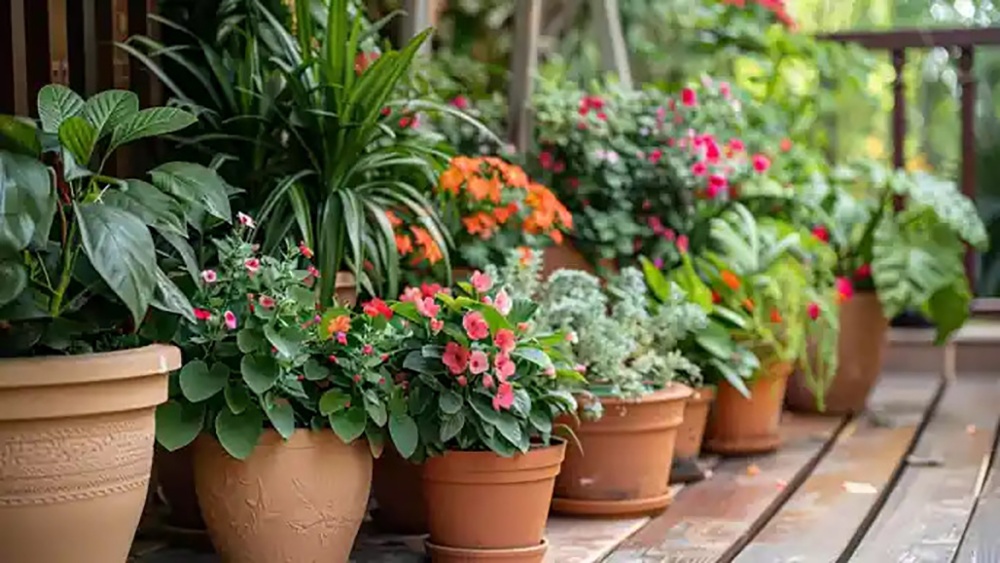
If you want to enjoy fresh, homegrown vegetables right on your patio or balcony, growing veggies in pots is a perfect solution—especially in Florida’s warm climate. But with so many options, how do you know which vegetables will thrive in containers under the Florida sun?
You might be surprised how easy it is to grow your own delicious greens, roots, and fruits with just a little space and care. In this guide, you’ll discover the best vegetables to grow in pots in Florida, plus simple tips to help your container garden flourish.
Ready to turn your pots into a mini vegetable paradise? Let’s get started!
:max_bytes(150000):strip_icc()/GettyImages-1330541911-1f4019f08f2b45158ebd146ae64fe1b5.jpg "Best Vegetables to Grow in Pots in Florida: Ultimate Guide for Gardeners 2")
Credit: www.southernliving.com
Ideal Vegetables For Florida Pots
Growing vegetables in pots in Florida offers a great way to enjoy fresh produce at home. The state’s warm climate suits many vegetables, but some thrive better in containers. Choosing the right vegetables helps ensure a good harvest. Pots limit root space, so plants with compact roots work best. Here are some ideal vegetables for Florida pots that grow well and provide tasty results.
Leafy Greens For Containers
Leafy greens grow fast and need less space, making them perfect for pots. Lettuce grows well in shallow containers and prefers cooler weather. Spinach adapts to different temperatures and does well in pots. Kale and Swiss chard are sturdy and tolerate heat, ideal for Florida gardens. These greens give fresh salad ingredients within weeks.
Root Vegetables In Pots
Root vegetables need deeper pots for healthy growth. Carrots fit well in containers at least 12 inches deep. Radishes grow quickly and are easy to harvest from pots. Beets also do well, offering both roots and leafy greens to eat. Choose loose, well-drained soil for root vegetables to avoid stunted growth.
Fruiting Plants To Grow
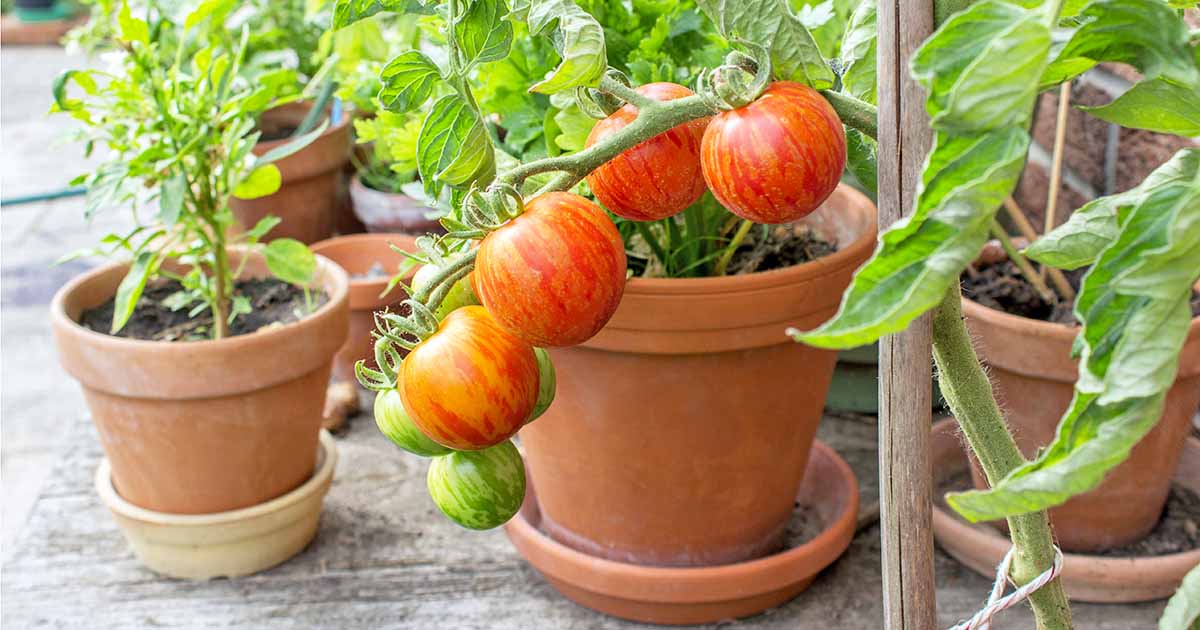
Tomatoes are popular in Florida and thrive in large pots with support. Peppers need warm weather and do well in containers with good drainage. Cucumbers climb, so use trellises in pots to save space. Eggplants also grow well in warm conditions and container soil. These plants need more sunlight and regular watering.
Other Container-friendly Veggies
Green beans grow in pots if given support to climb. Herbs like basil, parsley, and cilantro fit well in small containers. Zucchini and summer squash can grow in large pots but need plenty of water. Even small chili peppers add flavor and grow well in Florida pots. Choose vegetables that match your pot size and sunlight availability.
Choosing The Right Pots
Choosing the right pots is crucial for growing vegetables successfully in Florida’s warm climate. The pot affects plant health, growth, and yield. A good container supports roots, keeps soil moist, and prevents diseases. Different vegetables need different pot sizes and materials. Drainage is also key to avoid waterlogging and root rot. Careful pot selection helps your garden thrive on patios, balconies, or small spaces.
Pot Size For Different Plants
Small plants like lettuce or spinach need pots at least 6-8 inches deep. Root vegetables such as carrots and radishes require deeper containers, around 12 inches. Larger plants like tomatoes or peppers grow best in pots 12-18 inches wide. Bigger pots hold more soil, keeping roots cooler in Florida’s heat. Choose a pot size that matches the vegetable’s root system for best results.
Container Material Considerations
Clay pots are porous and provide good airflow to roots. They dry faster, so watering needs increase in hot weather. Plastic pots retain moisture longer and are lighter to move. They also heat up less in the sun. Ceramic pots offer good insulation but can be heavy and expensive. Choose materials that suit your watering habits and location.
Ensuring Proper Drainage
Drainage holes are vital to prevent water buildup. Excess water causes root rot and plant stress. Use pots with multiple drainage holes for best results. Adding a layer of gravel or broken pottery at the bottom improves drainage. Avoid pots without holes unless you create your own. Proper drainage keeps vegetables healthy and growing strong.
Soil And Planting Tips
Growing vegetables in pots in Florida requires careful attention to soil and planting methods. The right soil type helps plants get enough nutrients and water. Proper planting depth and spacing allow roots to grow well. These factors increase your chances of a healthy, productive garden.
Best Soil Types For Container Gardens
Use light, well-draining soil for container vegetables. A good mix includes peat moss, compost, and perlite or vermiculite. This blend holds moisture but stops water from pooling. Avoid heavy garden soil that can compact and suffocate roots. Adding organic matter improves soil fertility and texture. Soil pH should be slightly acidic to neutral, around 6.0 to 7.0, for most vegetables. Regularly check soil moisture to keep it moist, not soggy.
Planting Depth And Spacing
Plant seeds or seedlings at the depth recommended on seed packets. Usually, plant seeds two to three times as deep as their size. Too deep or too shallow planting can harm seed germination. Leave enough space between plants for air flow and root growth. Crowded pots cause stress and reduce yield. For example, lettuce needs about 6-8 inches between plants, while tomatoes require 18-24 inches. Follow spacing guidelines for each vegetable to avoid competition for nutrients.
Watering And Maintenance
Growing vegetables in pots in Florida requires attention to watering and maintenance. Proper care helps plants stay healthy and produce more. Container plants have different needs than garden beds. They can dry out faster and need regular feeding. Understanding watering frequency, fertilizing, and pest control is key.
Watering Frequency For Potted Veggies
Potted vegetables in Florida need frequent watering. The hot and humid climate causes soil to dry quickly. Check the soil daily by touching the top inch. Water when it feels dry. Avoid overwatering to prevent root rot. Early morning watering helps plants absorb water better. Use pots with drainage holes to stop water buildup.
Fertilizing Container Plants
Vegetables in pots need regular feeding to grow well. Use a balanced, water-soluble fertilizer every two weeks. Slow-release fertilizers also work well for containers. Follow the label instructions to avoid over-fertilizing. Organic options like compost tea nourish plants gently. Fertilizing supports healthy leaves, flowers, and fruits.
Preventing Common Pests And Diseases
Pests and diseases can harm your potted vegetables. Inspect plants often for signs of bugs or spots. Use natural insecticides like neem oil to control pests. Keep the plants clean by removing dead leaves. Good air circulation reduces fungal problems. Rotate crops and avoid overcrowding pots to keep plants healthy.
Supporting Growing Plants
Supporting growing plants is essential for healthy vegetable growth in pots. Plants need structure to stay upright and to maximize space. Proper support also helps plants get better air circulation. This reduces disease risk and improves fruit quality.
In Florida’s warm climate, supporting plants prevents damage from wind and heavy rain. It also guides plants to grow in a manageable way. This is especially important for vining and tall vegetables. Let’s explore easy ways to support your potted vegetables.
Using Stakes And Trellises
Stakes provide simple support for tall or climbing plants. Insert a stake into the soil next to the plant. Tie the plant gently to the stake with soft ties or garden twine. Tomatoes, peppers, and eggplants benefit from staking.
Trellises are great for vining vegetables like cucumbers and pole beans. Place a trellis in the pot or behind it. Train the vines to climb the trellis as they grow. This saves space and keeps fruits clean and off the soil.
Managing Plant Growth In Limited Space
Pruning helps control plant size and encourages healthy growth. Pinch off dead or excess leaves to improve airflow. Remove side shoots on tomatoes to focus energy on main stems and fruits.
Choose dwarf or bush varieties suited for pots. These plants stay smaller and fit limited spaces better. Rotate your crops each season to keep soil healthy and plants strong. Space-saving support and pruning make the most of your Florida container garden.

Credit: gardenerspath.com
Seasonal Planting Guide
Growing vegetables in pots in Florida requires understanding the seasonal changes. Each season offers different conditions that affect plant growth. This guide helps you plant at the best times for healthy crops. It also explains how to rotate crops in containers to keep soil fertile.
Following this seasonal planting guide improves your chances of a good harvest. It helps avoid pests and diseases by changing crops regularly. You will learn when to plant popular vegetables and how to care for them in pots.
Best Planting Times In Florida
Florida’s warm climate allows two main growing seasons: spring and fall. Most vegetables grow best in these cooler periods. Plant leafy greens like lettuce and spinach in late winter or early spring. Root vegetables such as carrots do well in early spring and fall. Fruiting plants like tomatoes and peppers thrive when planted in spring after the last frost.
Summer can be hot and humid, which may stress some plants. Choose heat-tolerant vegetables like okra and sweet potatoes for summer pots. In winter, protect pots from cold snaps by moving them indoors or using covers.
Crop Rotation In Containers
Crop rotation means planting different vegetable families in the same pot each season. This helps prevent soil nutrient loss and reduces pests. Avoid planting the same crop or related plants in the same container consecutively.
For example, after growing tomatoes, plant leafy greens like kale or lettuce next. Follow those with root crops such as radishes or carrots. This rotation keeps the soil healthy and supports strong plant growth.
Use fresh potting soil or add compost between rotations to refresh nutrients. Clean pots before replanting to remove disease spores. Crop rotation in containers is simple and improves your vegetable yield in Florida.
Maximizing Small Spaces
Space is limited in many Florida homes, but growing vegetables in pots makes gardening easy. Small balconies, patios, or porches can become productive gardens. Smart use of space helps you grow more plants without needing a big yard.
Using the right techniques can boost your harvest and keep plants healthy. You can enjoy fresh vegetables all year by maximizing small areas with pots. Let’s explore two effective ways to do this.
Vertical Gardening Techniques
Vertical gardening saves ground space by growing plants upward. Use trellises, stakes, or hanging baskets for climbing vegetables like cucumbers and beans. This method keeps plants off the soil, reducing pests and diseases.
Vertical setups also improve air flow and sunlight exposure. It’s perfect for small patios or balconies with limited floor space. Choose lightweight containers and secure supports for safety during windy Florida days.
Try training tomatoes and peas to climb poles or netting. Vertical gardening turns empty walls or fences into green, productive areas. This technique fits well with Florida’s warm climate, helping plants grow strong and healthy.
Companion Planting In Pots
Companion planting means growing plants that help each other in the same pot. Some vegetables improve each other’s growth or keep bugs away. Pairing plants wisely saves space and boosts yields.
For example, plant basil with tomatoes to improve flavor and reduce pests. Lettuce grows well with carrots because they use different soil layers for nutrients. This mix helps plants grow better in limited soil.
Choose small or slow-growing plants to fit together in one container. Use pots with good drainage and quality soil to support multiple plants. Companion planting in pots is a smart way to get the most from small spaces in Florida.
Credit: gardenerspath.com
Frequently Asked Questions
What’s The Easiest Vegetable To Grow In Florida?
Kale grows easily in Florida’s warm climate. It thrives in pots or gardens and resists pests. Lettuce and radishes also grow well.
What Vegetables Do Well In Pots?
Leafy greens like lettuce, spinach, kale, and Swiss chard grow well in pots. Root vegetables such as carrots, radishes, and potatoes thrive in containers. Fruiting plants like tomatoes, peppers, cucumbers, and squash also do well. Use appropriately sized pots with good soil for best results.
What Is The Best Potted Plant For Florida?
The best potted plants for Florida include tomatoes, peppers, cucumbers, kale, and lettuce. These thrive in warm, sunny conditions and well-drained soil. Choose large pots for fruiting plants and shallow containers for leafy greens. Regular watering and fertilizing ensure healthy growth in Florida’s subtropical climate.
What Is The Most Common Mistake Made With Container Plants?
The most common mistake with container plants is using pots that are too small, restricting root growth and plant health.
Conclusion
Growing vegetables in pots in Florida offers fresh produce at your doorstep. Choose plants that suit container life and Florida’s warm climate. Leafy greens, root vegetables, and fruiting plants all do well in pots. Use the right pot size and soil for healthy growth.
With simple care, you can enjoy homegrown veggies year-round. Start small, learn as you go, and watch your garden thrive. Gardening in pots makes growing food easy and fun for everyone. Your Florida container garden can bring both beauty and bounty to your space.