If you’re gardening in Florida, summer can be a challenge with its intense heat and humidity. But what if you could turn your garden into a thriving oasis, bursting with fresh, homegrown vegetables all summer long?
Growing the right vegetables for Florida’s summer climate not only saves you money but also ensures you enjoy the freshest produce possible. In this guide, you’ll discover the best heat-tolerant vegetables that flourish under the Florida sun, making your summer garden productive and vibrant.
Ready to transform your garden and enjoy delicious veggies even in the hottest months? Keep reading to find out which plants are perfect for your Florida summer garden.
Summer Heat Challenges
Growing vegetables in Florida during summer brings unique challenges. The intense heat can stress plants and affect their growth. Understanding these challenges helps gardeners pick the best vegetables and care for them properly.
Summer heat demands extra attention to keep plants healthy and productive. Knowing Florida’s climate, soil conditions, and pest risks is key for success in summer gardening.
Florida’s Climate Impact
Florida’s summer climate is hot and humid. Temperatures often rise above 90°F. High heat speeds up plant growth but can also cause wilting. Strong sun can scorch tender leaves quickly. Afternoon storms bring heavy rain and humidity. This weather pattern creates stress for many vegetables. Choosing heat-tolerant plants helps them survive the tough conditions.
Soil Conditions In Summer
Soil in Florida heats up fast under the summer sun. Dry soil can hurt root development and nutrient uptake. Heavy rains may cause soil erosion or waterlogging. Well-drained soil is vital for summer crops. Adding organic matter improves soil moisture retention. Regular mulching keeps soil cool and moist. Monitoring soil health supports steady vegetable growth through summer.
Pest And Disease Considerations
Warm, moist conditions encourage pests and diseases. Common summer pests include aphids, whiteflies, and spider mites. These insects damage plants and spread viruses. Fungal diseases like powdery mildew thrive in humidity. Early detection and natural pest control keep problems manageable. Proper plant spacing improves air circulation and reduces disease risk. Vigilance protects your garden from summer threats.
Top Heat-tolerant Vegetables
Florida’s summer heat demands vegetables that stay strong under the sun. Heat-tolerant vegetables grow well despite high temperatures. They offer a reliable harvest for gardeners in hot months. Choosing the right plants helps keep your garden productive and vibrant.
Okra Benefits And Tips
Okra thrives in Florida’s heat and humidity. It grows quickly and needs full sun. Okra pods are tasty and rich in vitamins. Water regularly but avoid soggy soil. Harvest pods young for best flavor and tenderness.
Growing Sweet Potatoes
Sweet potatoes love warm soil and plenty of sun. They need loose, well-drained soil for good growth. Plant slips about 12 inches apart. Keep soil moist but not wet. Sweet potatoes store well and add nutrition to meals.
Peppers Varieties For Heat
Peppers handle heat well and brighten any garden. Choose hot or sweet varieties suited for summer. Provide consistent watering and rich soil. Mulch helps keep roots cool and moist. Harvest peppers as they ripen for best taste.
Eggplant Care In Summer
Eggplants grow strong in Florida’s warm climate. They require full sun and steady moisture. Use well-drained soil rich in organic matter. Watch for pests like flea beetles. Pick fruits when shiny and firm for best flavor.
Tomatoes That Thrive
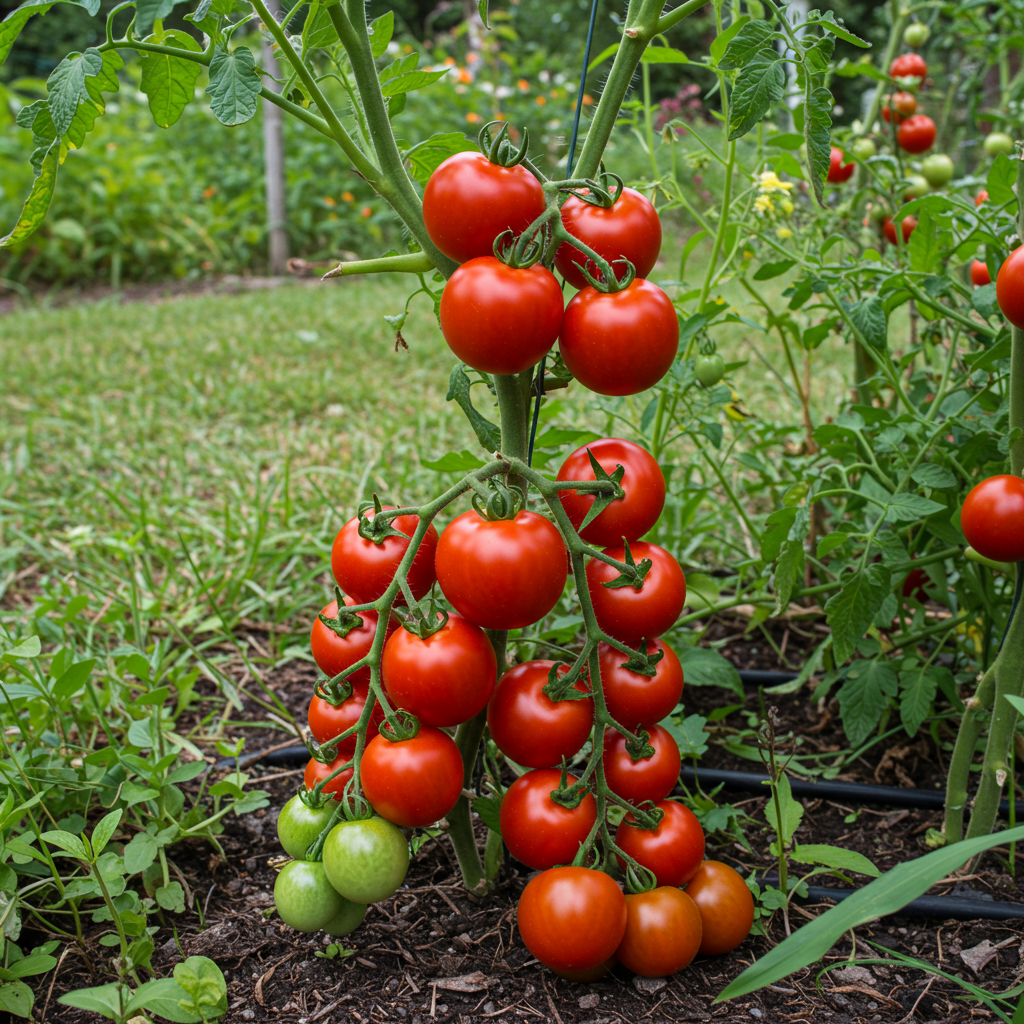
Some tomato varieties handle heat better than others. Look for heat-tolerant types like ‘Heatmaster’ or ‘Solar Fire.’ Plant in full sun with good air flow. Water deeply and regularly to avoid cracking. Support plants with stakes or cages.
Green Beans And Peas
Green beans flourish in hot weather with proper care. Choose bush or pole varieties for your garden. Peas prefer cooler parts of summer or early planting. Both need well-drained soil and regular watering. Harvest beans young for tender, sweet pods.
Leafy Greens For Warm Weather
Leafy greens thrive even in Florida’s hot summer months. These vegetables bring fresh, nutritious leaves to your table. They handle heat better than many other greens. Choose types that stay crisp and flavorful despite the sun.
Planting warm-weather leafy greens keeps your garden green and productive. They grow fast and resist bolting in heat. These greens also add variety to summer salads and dishes. Here are some top choices for your summer garden.
Malabar Spinach
Malabar spinach is a tropical vine that loves heat. It grows quickly and produces thick, glossy leaves. These leaves have a mild, slightly tangy flavor. The plant climbs, saving garden space. It thrives in full sun and well-drained soil.
This spinach does not bolt like regular spinach. You can harvest leaves continuously through summer. Use it in salads, stir-fries, or soups. Malabar spinach adds color and nutrition to any meal.
Kale And Collards
Kale and collards handle Florida heat better than most. They are hardy and keep leaves tender in warm weather. These greens grow upright with large, dark leaves. Both are rich in vitamins and minerals.
Plant kale and collards in fertile soil with good moisture. Harvest outer leaves first, letting inner leaves grow. Use them cooked or raw for salads and smoothies. Their heat tolerance makes them summer garden favorites.
Lettuce Varieties That Work
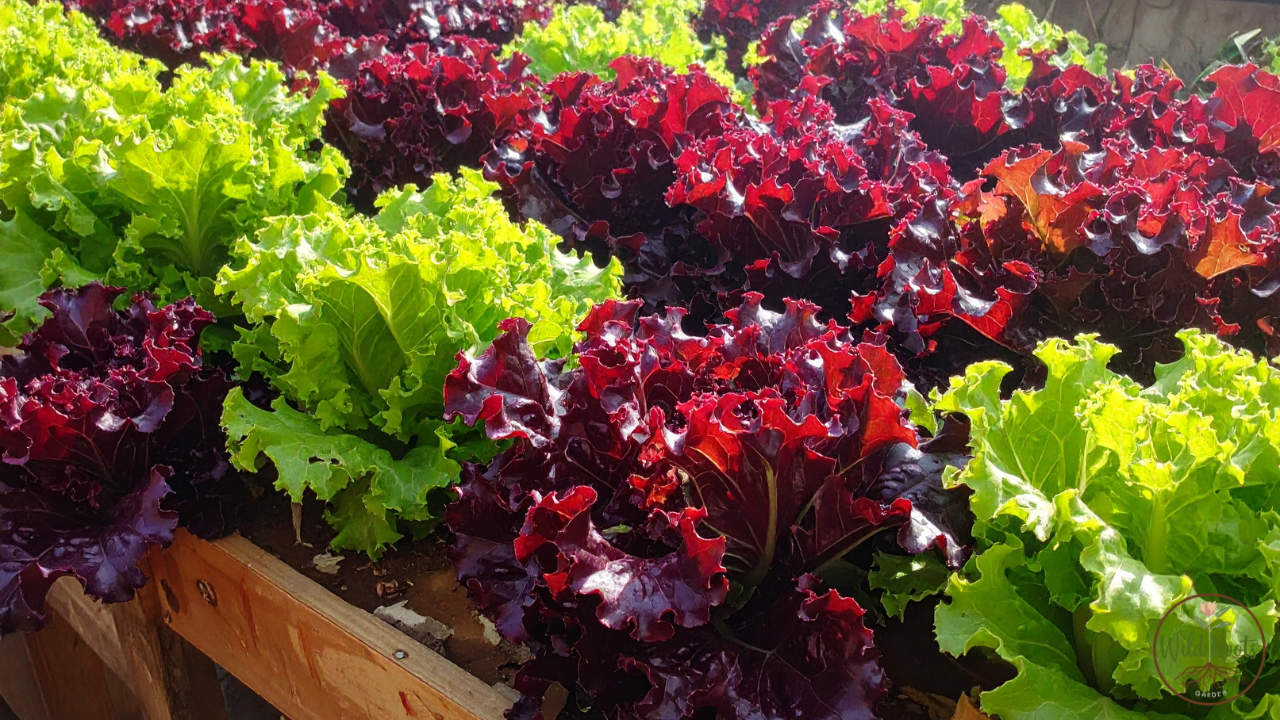
Most lettuce struggles in Florida’s summer heat. Some varieties, though, do well. Try loose-leaf types like ‘Black Seeded Simpson’ or ‘Buttercrunch.’ These lettuces stay crisp longer in warm weather.
Plant lettuce in partial shade and keep soil moist. Harvest leaves young for best taste. These lettuces add crunch and freshness to summer meals. They are a smart choice for Florida gardeners.
Squashes And Cucumbers
Squashes and cucumbers thrive in Florida’s hot summer climate. They grow quickly and produce abundant harvests. These vegetables fit well in home gardens and provide fresh, nutritious options for meals. Both plants enjoy full sun and warm soil, making them ideal for summer planting.
Summer Squash Varieties
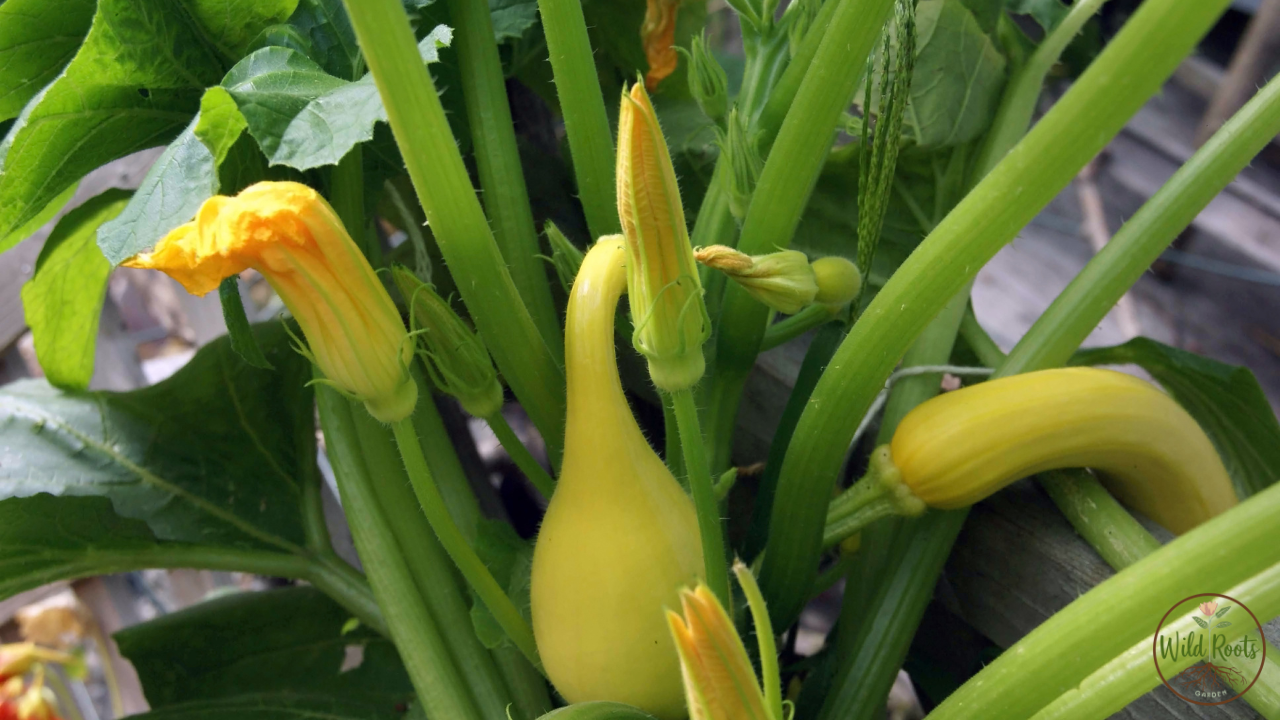
Summer squash includes several types like yellow squash and zucchini. Yellow squash has a mild flavor and tender skin. Zucchini grows tall and is great for grilling or baking. These squashes mature fast, usually within 50 to 60 days. They need well-drained soil and regular watering. Plant seeds or seedlings after the last frost for best results. Keep space between plants to allow air circulation and reduce disease risk.
Cucumber Growing Tips
Cucumbers love heat and sun, perfect for Florida summers. Choose bush or vining cucumber varieties based on space. Provide a trellis or support for vining types to save space and improve air flow. Water cucumbers deeply and consistently to prevent bitterness. Mulch around plants to keep soil moist and cool. Harvest cucumbers early for the best taste and texture. Check plants daily to pick ripe cucumbers before they overgrow.
Exotic And Tropical Picks
Florida’s hot and humid summers create the perfect environment for growing exotic and tropical vegetables. These plants thrive in warm weather and bring unique flavors to your garden. They add variety and excitement beyond common summer vegetables.
Choosing tropical picks lets you enjoy fresh, homegrown produce with a twist. Their vibrant colors and tastes make summer meals special. Here are some exotic vegetables to consider for your Florida garden.
Roselle Hibiscus
Roselle hibiscus is a striking plant known for its bright red calyces. These are used to make teas, jams, and sauces. It grows well in Florida’s summer heat and humidity. The plant prefers full sun and well-drained soil. Roselle also attracts pollinators, helping other garden plants thrive.
Sugarcane Cultivation
Sugarcane is a tall grass that grows rapidly in warm climates. It needs plenty of water and sunlight to flourish. Growing sugarcane in Florida can provide fresh stalks for juice or cooking. It also adds a tropical look to your garden. Regular watering and rich soil improve sugarcane yield.
Everglades Cherry Tomatoes
Everglades cherry tomatoes are a heat-tolerant variety perfect for Florida summers. They produce small, sweet fruits that ripen quickly. These tomatoes resist common diseases and pests well. Plant them in sunny spots with well-drained soil. Their compact size fits well in containers or raised beds.
Year-round Vegetable Options
Growing vegetables year-round in Florida is easy due to its warm climate. Many vegetables thrive through summer and beyond. Choosing the right plants helps maintain a steady harvest. Some crops can handle the heat and keep producing fresh food. This section covers vegetables that grow well all year, focusing on broccoli, cauliflower, cabbage, and perennial options.
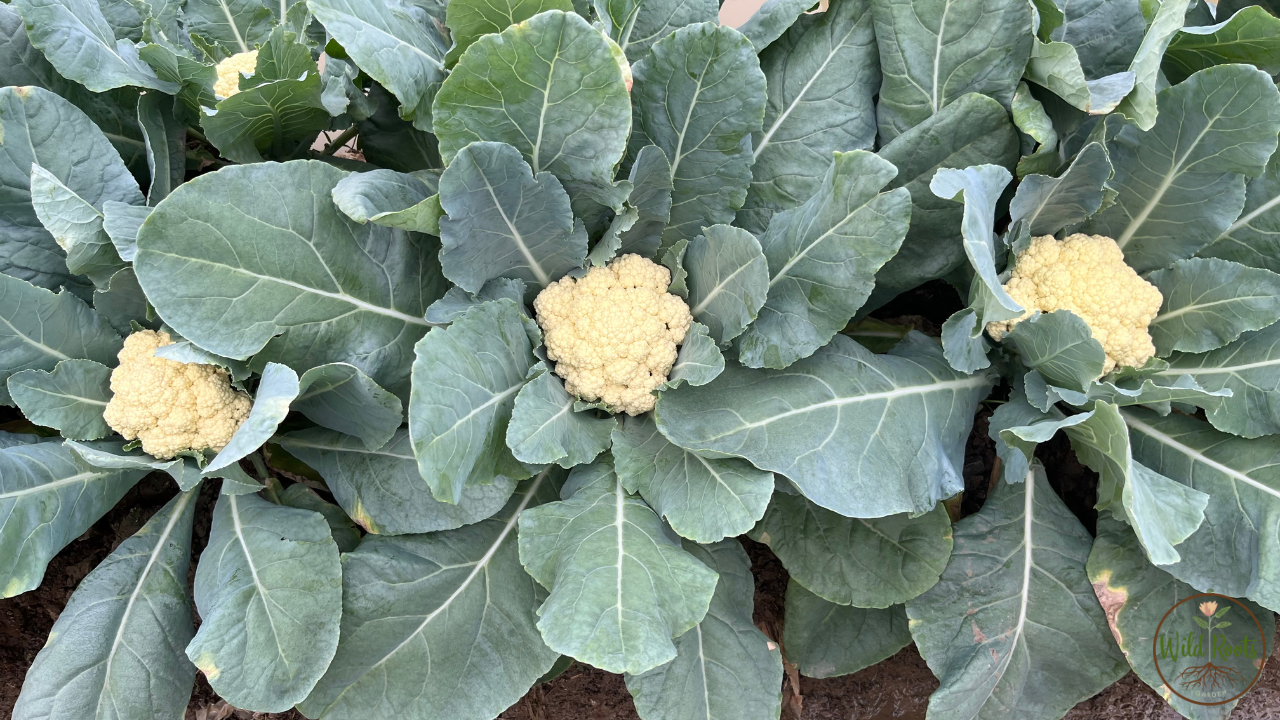
Broccoli And Cauliflower
Broccoli and cauliflower grow well in Florida’s mild winters and cool springs. They prefer cooler temperatures but can adapt to warmer weather with proper care. Plant these vegetables in early spring or late fall for the best results. These crops need consistent moisture and rich soil to produce healthy heads. Harvesting at the right time ensures tender, flavorful vegetables.
Cabbage Varieties
Cabbage is a versatile vegetable that grows nearly year-round in Florida. Different varieties tolerate heat better than others, making them good for summer planting. Choose heat-tolerant types like ‘Savoy’ or ‘Green Cabbage’ for warmer months. Cabbage requires fertile soil and regular watering to thrive. It matures quickly, allowing multiple harvests in one season.
Perennial Vegetables
Perennial vegetables return year after year without replanting. In Florida, options like asparagus and certain herbs do well all year. These plants save time and effort by producing continuously. Perennials need good soil and occasional feeding to stay healthy. Growing perennials adds diversity and stability to your garden’s vegetable supply.
Soil Preparation And Maintenance
Preparing and maintaining soil properly is key to growing healthy summer vegetables in Florida. The soil must support plant roots, hold enough moisture, and provide nutrients. Florida’s sandy soil often needs special care to improve its quality and drainage. Regular maintenance keeps the soil fertile and ready for new plants.
Improving Drainage
Florida soil tends to drain water quickly because it is sandy. Plants may suffer if water runs off too fast. To improve drainage, mix organic matter like compost into the soil. This helps the soil hold water longer while still allowing excess water to escape. Raised beds also improve drainage by keeping roots above heavy, wet soil.
Organic Mulching
Mulching covers the soil surface with organic materials such as straw or leaves. Mulch helps keep the soil cool and moist during hot summer days. It also reduces weed growth that competes with vegetables for nutrients and water. Over time, mulch breaks down and adds nutrients back into the soil, improving its texture.
Fertilization Strategies
Vegetables need proper nutrients to grow well in summer heat. Test the soil before planting to know what nutrients are missing. Use balanced fertilizers with nitrogen, phosphorus, and potassium. Slow-release fertilizers provide nutrients over time and reduce the need for frequent feeding. Avoid over-fertilizing, which can harm plants and the environment.
Watering And Irrigation Tips
Watering and irrigation play a key role in growing healthy summer vegetables in Florida. The intense heat and sandy soil can cause plants to dry out quickly. Proper watering helps plants absorb nutrients and stay strong under the sun. Using the right techniques saves water and keeps your garden thriving through the hottest months.
Efficient Watering Methods
Drip irrigation is one of the best watering methods. It delivers water directly to the roots, reducing evaporation. Soaker hoses also work well by slowly releasing water into the soil. Avoid overhead sprinklers that wet leaves and waste water. Mulching around plants helps keep soil moist longer.
Timing For Best Results
Water plants early in the morning to reduce water loss. Morning watering allows leaves to dry before evening, lowering disease risk. Avoid watering in the heat of the day when water evaporates fast. Evening watering can cause damp leaves overnight, which may harm plants.
Managing Drought Stress
Watch plants for signs of drought stress like wilting or yellow leaves. Deep watering encourages roots to grow deeper and find moisture. Reduce watering slightly during cooler days to prevent root rot. Adding organic matter to soil improves water retention and helps plants survive dry spells.
Pest And Disease Management
Managing pests and diseases is key to growing healthy summer vegetables in Florida. Warm temperatures and humidity create a perfect environment for many pests and diseases. Gardeners need to act early and often to protect their crops. Understanding common pests and using natural control methods helps keep the garden safe. Preventing diseases with good practices reduces crop loss and improves yield.
Common Summer Pests
Florida gardens often face pests like aphids, whiteflies, and spider mites. These insects suck plant juices and weaken crops. Caterpillars and beetles also chew leaves and fruits. Garden snails and slugs damage young plants. Pests thrive in hot, humid weather and multiply quickly.
Natural Pest Control
Encourage beneficial insects such as ladybugs and lacewings. They eat harmful pests and keep their numbers down. Use neem oil or insecticidal soap to treat infestations safely. Hand-picking larger pests like caterpillars helps reduce damage. Crop rotation and planting pest-resistant varieties also limit pest problems.
Disease Prevention Techniques
Plant vegetables in well-drained soil to avoid root diseases. Water early in the day to let leaves dry quickly. Remove diseased plants promptly to stop spread. Space plants properly for good air circulation. Use mulch to reduce soil splash and weed growth. Clean tools regularly to prevent cross-contamination.
Harvesting And Storage
Harvesting and storing vegetables properly is vital for enjoying fresh, tasty produce from your Florida summer garden. Correct timing and handling keep vegetables at their best quality. Proper storage extends their shelf life and preserves nutrients. This section guides you through the key steps for harvesting and storing summer vegetables successfully.
When To Harvest
Harvest vegetables early in the morning for best flavor and texture. Pick crops like okra and beans when they are young and tender. Tomatoes should be fully colored but still firm. Check vegetables daily during peak season to avoid over-ripening. Harvest leafy greens before they become tough or bitter. Timely picking encourages more growth and higher yields.
Proper Handling
Handle vegetables gently to prevent bruising or damage. Use clean, sharp tools to cut or snap produce from plants. Avoid pulling plants or fruits roughly to protect roots and vines. Place harvested vegetables in shaded containers to keep them cool. Wash hands and tools before harvesting to reduce contamination risks. Quick and careful handling preserves freshness and quality.
Storage Tips For Freshness
Store vegetables in a cool, dry place away from direct sunlight. Use perforated plastic bags or containers with ventilation for leafy greens. Keep tomatoes at room temperature to maintain flavor; refrigerate only when fully ripe. Store root vegetables like sweet potatoes in a dark, well-ventilated area. Avoid stacking vegetables tightly to prevent bruising. Check stored produce regularly and remove spoiled items promptly.

Credit: www.revivalgardening.com
Frequently Asked Questions
What Crops Grow In The Summer In Florida?
Summer crops in Florida include okra, sweet potatoes, peppers, eggplant, tomatoes, green beans, cucumbers, and tropical fruits. These heat-tolerant plants thrive in Florida’s warm climate, providing a vibrant and productive summer garden.
What Is The 70/30 Rule In Gardening?
The 70/30 rule in gardening means planting 70% of your garden with familiar crops and 30% with new or experimental plants.
What Vegetables Grow Year-round In Florida?
Leafy greens like spinach, lettuce, and kale grow year-round in Florida. Broccoli, cauliflower, and cabbage also thrive throughout the year. Perennial vegetables adapt well to Florida’s climate, enabling continuous harvests. These vegetables suit Florida’s warm weather and provide fresh produce all year.
What Are The Most Heat Tolerant Vegetables?
The most heat tolerant vegetables include okra, sweet potatoes, peppers, eggplants, tomatoes, green beans, and summer squash. These thrive in warm, well-drained soil and full sun, making them ideal for hot summer gardens.
Conclusion
Growing vegetables in Florida’s summer heat can be rewarding. Choose heat-tolerant plants like okra, peppers, and sweet potatoes. These veggies thrive in warm soil and sunlight. Regular watering and good soil help them grow strong. Harvest fresh produce right from your garden.
Enjoy healthy meals made from your own crops. Start planting today for a bountiful summer garden. Gardening in Florida’s summer is simple with the right choices. Your garden will flourish with care and patience.