If you live in the Florida Panhandle and want to grow your own fresh vegetables, you might be wondering which ones will thrive in your unique climate. Choosing the right vegetables can make all the difference between a garden full of vibrant produce and one that struggles to grow.
You want plants that can handle the hot summers, occasional frosts, and sandy soil common to this region. You’ll discover the best vegetables to grow in the Florida Panhandle—those that will reward your effort with tasty, healthy harvests. Keep reading to find out how to make your garden flourish and enjoy the satisfaction of growing your own food right at home.

Credit: tallahasseenurseries.com
Climate And Soil In Florida Panhandle
The Florida Panhandle offers a unique environment for growing vegetables. Its warm climate and diverse soils create favorable conditions for many crops. Understanding the climate and soil is essential for successful gardening here. This section explains key details about the USDA hardiness zones and soil types in the area.
Usda Hardiness Zones 8b To 9a
The Florida Panhandle lies mainly within USDA zones 8B to 9A. These zones have mild winters with average lows between 15°F and 30°F. This allows gardeners to grow a wide range of vegetables year-round. The warm temperatures extend the growing season compared to northern states. Gardeners can plant cool-season crops in winter and warm-season crops in summer. Knowing your zone helps select vegetables suited for the local climate.
Soil Types And Preparation
Soil in the Florida Panhandle varies from sandy to clayey textures. Sandy soils drain well but may lack nutrients. Clay soils hold water but can become compacted. Most vegetable plants prefer loose, well-drained soil rich in organic matter. Preparing soil by adding compost improves fertility and texture. Testing soil pH is also important; the ideal range is 6.0 to 6.8 for most vegetables. Proper soil preparation ensures strong root growth and healthy plants.
Top Vegetables For Florida Panhandle
Growing vegetables in the Florida Panhandle offers a unique challenge due to its warm climate and variable seasons. Choosing the right vegetables can lead to a successful and rewarding garden. This region supports both heat-loving and cool-season crops. Understanding which vegetables thrive here helps gardeners plan their planting schedule effectively.
Heat-tolerant Choices
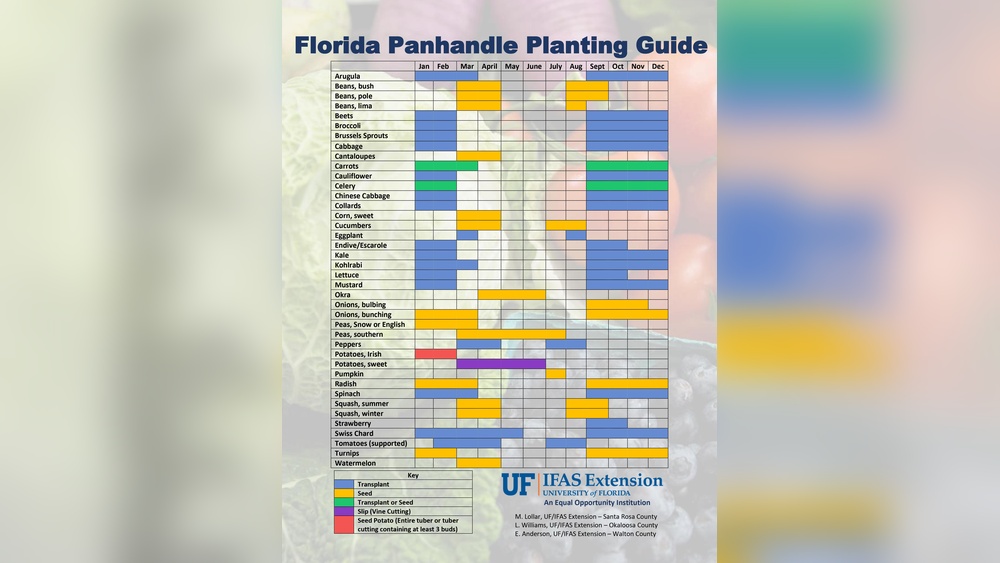
Some vegetables handle Florida Panhandle’s heat better than others. Okra is a top pick, thriving in hot weather with minimal care. Sweet potatoes also do well, growing strong in warm soil and resisting drought. Southern peas, such as black-eyed peas, flourish in heat and produce a generous harvest. Eggplants love the sun and produce abundant fruit when temperatures rise. Peppers, especially hot varieties, are perfect for this climate and add spice to meals. These vegetables tolerate summer heat and keep producing throughout the season.
Cool-season Vegetables
Cool-season crops grow best in the mild winter months of the Panhandle. Lettuce and spinach prefer cooler temperatures and provide fresh greens early in the year. Broccoli and cabbage thrive in the cooler months, offering hearty heads for salads and cooking. Carrots and radishes develop crisp roots during this time and are easy to grow in loose soil. Cauliflower is another good choice, producing well in winter’s cooler days. These vegetables provide variety and nutrition when summer crops slow down.
Best Tomato Varieties
Tomatoes thrive in the Florida Panhandle’s warm and humid climate. Choosing the right varieties improves yield and flavor. Some types handle heat and humidity better. Others offer unique tastes and uses. Here are the best tomato varieties for this region.
Grape And Cherry Tomatoes
Grape and cherry tomatoes grow fast and produce many fruits. Their small size makes them perfect for snacking and salads. These varieties resist common diseases in the Panhandle. They also tolerate hot weather well. Popular options include Sweet 100 and Sun Gold. These plants need full sun and regular watering. Expect a long harvest season with these types.
Plum And Sauce Tomatoes
Plum tomatoes are ideal for sauces, pastes, and cooking. They have thick flesh and fewer seeds. Amish Paste and Roma are favorite plum varieties here. These tomatoes handle heat better than many others. They also resist cracking under heavy rain. Growing plum types ensures a good supply for homemade sauces. Plant them in well-drained soil with plenty of sunlight.
Larger Varieties Like Purple Cherokee
Larger tomatoes such as Purple Cherokee offer rich flavor and juicy texture. These heirloom varieties bring color and taste to your garden. Purple Cherokee and Brandywine perform well in the Panhandle climate. They need staking and pruning for strong growth. These tomatoes prefer morning sun and afternoon shade. Their unique colors make salads and sandwiches special.

Credit: tallahasseenurseries.com
Root Vegetables To Grow
Root vegetables thrive in the Florida Panhandle’s unique climate. They develop underground, storing nutrients and energy in their roots. Growing these vegetables enriches your garden and diet with vitamins and minerals. The Panhandle’s mild winters suit many root crops perfectly. Timing and soil preparation are key for a healthy harvest.
Sweet Potatoes And Boniato
Sweet potatoes grow very well in the Florida Panhandle. They prefer warm soil and plenty of sunshine. Plant slips after the last frost for best results. These tubers have a sweet taste and smooth texture. Boniato, a type of sweet potato, is also popular here. It has a drier, starchier flesh and a nutty flavor. Both crops store well and offer great nutrition.
Carrots And Beets As Winter Crops
Carrots and beets flourish during the cooler months. The Panhandle’s mild winters protect these roots from frost damage. Plant seeds in late fall or early winter for a spring harvest. Carrots prefer loose, sandy soil for straight roots. Beets grow well in rich, well-drained soil. Both vegetables add color and nutrients to your winter garden.
Leafy Greens And Others
Leafy greens and other vegetables thrive in the Florida Panhandle’s warm climate. These crops grow fast and provide fresh, nutritious food. They adapt well to the region’s soil and weather patterns. Growing them in home gardens ensures a steady supply of healthy greens and other veggies.
Kale And Spinach
Kale and spinach grow well in the cooler months of the Panhandle. Kale is hardy and can handle light frosts. It produces dark green, curly leaves packed with vitamins. Spinach prefers mild temperatures and rich soil. It grows quickly and offers tender, nutrient-rich leaves. Both can be harvested multiple times by picking outer leaves. They do best with regular watering and partial shade during hot days.
Peas And Okra
Peas thrive in the cooler spring and fall seasons. They climb easily and produce sweet, edible pods. Plant peas early to avoid the summer heat. Okra loves warm weather and sun. It grows tall and produces pods that are great for cooking. Okra needs well-drained soil and consistent moisture. Both peas and okra add variety and nutrition to any garden in the Florida Panhandle.
Seasonal Planting Tips
Growing vegetables in the Florida Panhandle requires attention to the seasons. Each season brings different weather and soil conditions. Knowing when to plant helps vegetables thrive and produce better harvests. Follow seasonal planting tips to make the most of your garden all year round.
Spring And Summer Strategies
Start planting heat-loving vegetables as temperatures rise. Tomatoes, peppers, cucumbers, and squash grow well in spring and summer. Use mulch to keep soil moist and reduce weeds. Water plants early in the morning to prevent leaf diseases. Protect young plants from strong sun with shade cloth if needed. Keep an eye on pests like aphids and caterpillars. Regularly check soil moisture to avoid overwatering or drought stress.
Fall And Winter Planting
Cool-season vegetables do best in fall and winter. Plant broccoli, cabbage, kale, and carrots in late fall. These crops handle cooler temperatures and shorter days. Prepare soil with compost to boost nutrients. Use row covers to protect plants from frost on cold nights. Water less frequently but deeply to encourage strong roots. Harvest vegetables before hard freezes to enjoy fresh produce through winter.
Common Challenges
Growing vegetables in the Florida Panhandle brings unique challenges. The region’s hot climate and humidity can stress plants. Pests and diseases also pose constant threats. Understanding these common issues helps gardeners protect their crops. Careful planning and vigilant care improve vegetable growth and yield.
Dealing With Heat Stress
The Florida Panhandle often faces high temperatures. Heat stress causes leaves to wilt and drop. Plants may stop growing or produce fewer vegetables. Providing shade during the hottest hours helps. Mulching keeps the soil cool and moist. Watering early in the morning reduces evaporation. Choosing heat-tolerant vegetable varieties also makes a difference.
Pest And Disease Management
Warm weather encourages many pests like aphids and whiteflies. These insects damage leaves and spread diseases. Fungal infections thrive in humid conditions and harm plants. Regularly inspect plants for signs of pests or illness. Use organic insecticides or natural predators to control pests. Removing infected leaves prevents disease spread. Crop rotation reduces pest build-up in the soil.
Gardening Techniques
Successful vegetable gardening in the Florida Panhandle depends on smart gardening techniques. The region’s hot, humid climate and sandy soil need special care. Using the right methods can improve plant growth and yield. Below are key techniques to help your garden thrive.
Raised Beds And Soil Amendments
Raised beds offer better drainage in sandy soil common to the Panhandle. They keep roots from sitting in water and reduce soil compaction. Fill raised beds with a mix of garden soil, compost, and organic matter. This blend improves fertility and water retention. Adding organic matter boosts nutrient content and supports healthy microbes. Test soil pH and adjust it with lime or sulfur if needed. Well-prepared soil creates a strong base for vegetables to grow.
Watering And Mulching Practices
Consistent watering is crucial during dry spells. Water plants deeply but less often to encourage strong roots. Early morning watering reduces evaporation and fungal risks. Mulching around plants keeps soil moist and cool. Organic mulches like straw or shredded leaves add nutrients as they decompose. Mulch also limits weed growth, saving time and effort. Proper watering and mulching help vegetables handle heat stress and grow better.
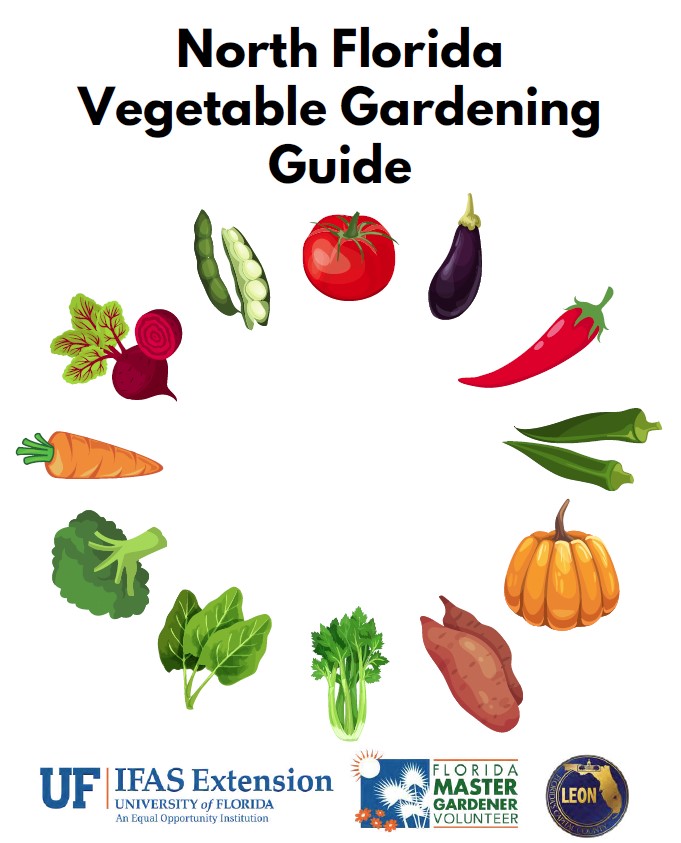
Credit: nwdistrict.ifas.ufl.edu
Frequently Asked Questions
What’s The Easiest Vegetable To Grow In Florida?
Kale, okra, and sweet potatoes grow easily in Florida’s warm climate. These vegetables thrive with minimal care.
What Zone Is The Florida Panhandle In For Planting?
The Florida Panhandle falls within USDA Hardiness Zones 8B to 9A. Plant accordingly for best growth.
What Are The Best Tomatoes To Grow In Florida Panhandle?
The best tomatoes for Florida Panhandle include Grape, Everglades, Cherry, Amish Paste, Purple Cherokee, and Krim varieties. These thrive in warm, humid conditions and resist local pests well. Choose plum types like Amish Paste for sauces and medium to large types for fresh eating.
What Vegetables Don’t Grow Well In Florida?
Carrots, potatoes, beets, and turnips struggle in Florida’s summer heat. They grow better as winter crops in the state.
Conclusion
Growing vegetables in the Florida Panhandle offers many rewards. Choose plants suited for the local climate. Focus on heat-tolerant and fast-growing varieties. Regular care and watering will boost your harvest. Enjoy fresh, homegrown veggies right from your garden. Start small, learn as you go, and have fun.
Gardening here can be simple and satisfying. Your efforts will bring tasty, healthy food to your table. Keep experimenting with different vegetables each season. The Panhandle’s soil and weather support a great garden. Happy planting and enjoy the natural bounty!