A sitemap is a file that lists the URLs of a website, helping search engine crawlers like Googlebot to efficiently discover and index all important pages. It acts as a map for search engines, ensuring they don’t miss any content on your site, which can improve search engine optimization (SEO) and overall search visibility.
Tag: Cool season vegetables Florida
Search engine optimization, or **SEO**, is the process of improving a website’s visibility on search results pages. By optimizing various elements, websites can rank higher for relevant keywords, leading to more organic traffic. Effective SEO involves understanding **search engine algorithms** and creating high-quality, **relevant content** that users readily connect with. It’s about making your site easily discoverable and understandable for both users and search engines, ultimately enhancing overall web presence.
Schema markup, a type of microdata, uses structured data vocabulary on your website to help search engines understand content better. By providing explicit clues about the meaning of your pages, schema markup improves how your information appears in search results and can lead to richer, more informative snippets. This structured data is a powerful tool for enhancing your site’s visibility and user experience.
A **content management system**, or **CMS**, helps businesses organize and publish digital content. Imagine a central hub where website updates, blog posts, and marketing materials are easily created, edited, and shared without needing extensive coding knowledge. This software solution simplifies content creation for efficient digital publishing.
A **canonical tag** is a small but mighty piece of HTML code that helps search engines understand the preferred version of a webpage. When you have similar or duplicate content across multiple URLs, such as variations for printing, different product IDs, or tracked links, a canonical tag tells Google and other search engines which version is the master copy. This prevents **duplicate content issues** from hurting your **SEO ranking**. By specifying the **canonical URL**, you ensure search engines crawl and index the most important page, consolidating its **link equity** and improving your **website’s visibility**. Without proper use of **rel=canonical**, search engines might get confused, leading to diluted ranking signals and making it harder for your intended page to be found.
A caching server enhances network performance by storing copies of frequently requested data. When a user requests information, the caching server first checks if it has a stored copy, delivering it much faster than retrieving the data from its original source. This process significantly reduces load times, optimizes bandwidth usage, and improves the overall responsiveness of a system. Common examples include web caching for websites and DNS caching for domain name resolutions.
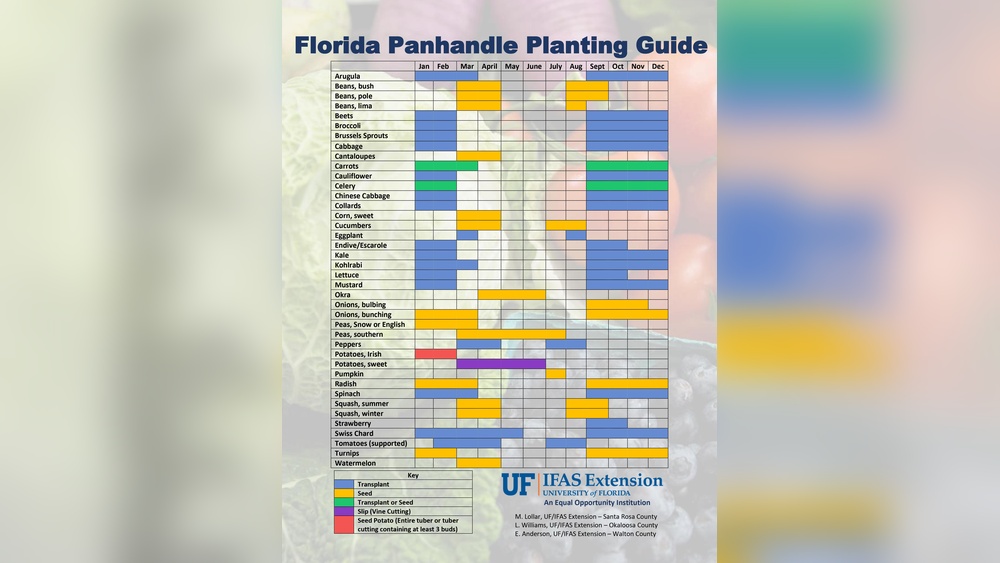
Want to grow delicious beets in your Florida garden? Timing is everything, so learn exactly when to plant for sweet, bountiful harvests across North, Central, and South Florida!
Ready to transform your Florida garden this fall? Discover top picks for a lush oasis, from crisp veggies and fragrant herbs to vibrant flowers, and make your green dreams a reality!
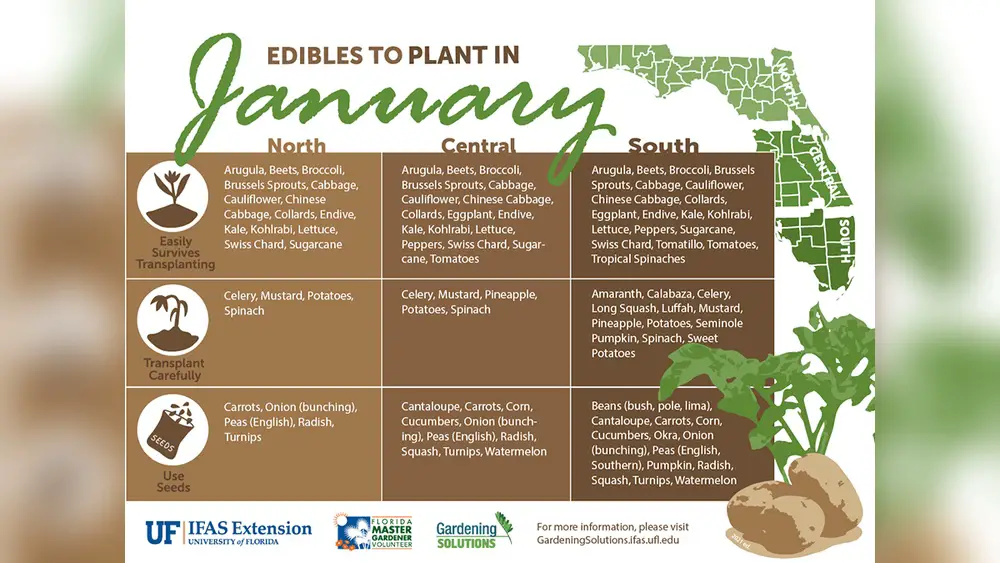
Dreaming of a flourishing Florida garden? Get a brilliant head start by discovering the best seeds to plant this January for a year packed with fresh produce and vibrant blooms!
Ready to grow delicious cabbage in your Florida garden? Discover the perfect planting window for your region and unlock expert tips to ensure a bountiful harvest!