If you’re eager to grow fresh, sweet beets right in your Florida garden, timing is everything. Planting beets at the right moment can mean the difference between a bountiful harvest and struggling plants.
Since Florida’s climate is unique, knowing the best time to plant beets here will help you avoid the heat stress that can stunt their growth. Whether you live in North, Central, or South Florida, this guide will show you exactly when to sow your beet seeds for the tastiest results.
Keep reading to discover simple tips that will make your beet-growing experience a success from start to finish.
Beet Growing Seasons In Florida
Beets thrive best in Florida during the cooler months. The hot summer weather can stress the plants and reduce growth. Planting beets at the right time helps ensure a healthy harvest. Florida’s mild winters provide a perfect environment for beet growth. Knowing the seasons and timing improves your gardening success.
Cool-season Crop Timing
Beets are a cool-season crop in Florida. They grow well in fall, winter, and early spring. Plant seeds when temperatures start to drop. This timing avoids the heat that can harm the plants. Cooler weather helps roots develop fully and taste better. Water regularly but avoid waterlogging the soil.
Regional Planting Months
Florida’s planting months vary by region. In North Florida, start planting from August through February. Central Florida gardeners plant from September to February. South Florida has a shorter window from October to January. Adjust planting dates to your local climate zone. This ensures better germination and growth for your beets.
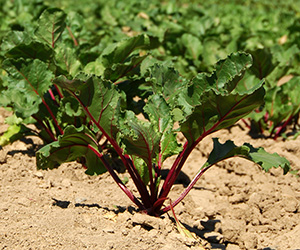
Credit: gardeningsolutions.ifas.ufl.edu
Soil Requirements For Beets
Beets grow best in soil that meets their basic needs for drainage, texture, and nutrients. Proper soil preparation helps beets develop healthy roots and vibrant greens. Florida’s sandy soils often need improvement for beet cultivation. Understanding soil requirements can boost your beet harvest quality and yield.
Soil Drainage And Composition
Beets require well-drained soil to prevent root rot. Heavy clay soils hold too much water and harm beet roots. Sandy loam is ideal because it drains well yet holds enough moisture. Mixing sand and organic matter into clay soils improves drainage. Loose soil allows roots to grow straight and smooth. Avoid soil that stays wet for long periods after rain or watering.
Fertilizer And Compost Use
Beets thrive in fertile soil rich in organic matter. Adding compost before planting supplies slow-release nutrients. Use well-rotted compost to avoid burning young plants. Balanced fertilizers with equal nitrogen, phosphorus, and potassium promote growth. Too much nitrogen causes leafy tops and small roots. Test soil to know nutrient levels and adjust fertilizer amounts. Apply fertilizer lightly at planting and side-dress as plants grow.
Watering And Sunlight Needs
Beets need the right balance of water and sunlight to grow strong in Florida’s climate. Proper watering keeps the soil moist but not soggy. Sunlight helps the plants make energy for healthy roots and leaves. Both factors change depending on where you plant in Florida. Understanding these needs helps your beet crop thrive.
Maintaining Soil Moisture
Beets require steady moisture for good growth. Water the soil evenly to keep it damp. Avoid letting the soil dry out completely. Too much water can cause root rot and weak plants. Use drip irrigation or a soaker hose to water gently. Check soil moisture often, especially after planting seeds. Mulch can help keep moisture in the soil longer.
Sunlight Variations By Region
Sunlight needs differ across Florida’s regions. North and Central Florida beet plants do best in full sun. They need at least six hours of direct sunlight daily. South Florida’s intense sun can stress beets. Plant them where they get morning sun and afternoon shade. This reduces heat stress and keeps leaves healthy. Adjust sunlight exposure based on your local weather and season.
Credit: readgardens.com
Selecting Beet Varieties
Selecting the right beet varieties is key to a successful garden in Florida. The climate and growing season influence which types thrive best. Choose varieties that suit Florida’s cool-season planting window. Some beets mature faster, while others offer tender greens or baby roots. Knowing these options helps you plan your planting for a steady harvest.
Quick-maturing Types
Quick-maturing beet varieties grow fast and are ready to harvest in about 50 to 60 days. These types fit well into Florida’s shorter cool seasons. They provide fresh beets sooner and reduce risk from heat or pests. Examples include ‘Early Wonder’ and ‘Detroit Dark Red.’ These varieties have good flavor and smooth roots. They perform well in fall and winter gardens across the state.
Beet Greens And Baby Beets
Beet greens are nutritious and can be harvested early for salads or cooking. Some varieties are grown mainly for their tender leaves rather than roots. Baby beets are small, sweet, and harvested before full maturity. These young beets taste mild and cook quickly. Growing varieties like ‘Bull’s Blood’ offers both tasty greens and roots. This option lets gardeners enjoy multiple harvests from one planting.
Planting Tips For Success
Planting beets in Florida requires careful attention for the best results. Success depends on preparing seeds properly, protecting young plants, and knowing when to harvest. These tips help you grow healthy beets in Florida’s unique climate.
Seed Preparation And Soaking
Start by choosing fresh beet seeds. Soak them in water for 4 to 6 hours. This softens the seed coat and speeds up germination. After soaking, plant the seeds in well-drained soil. This step helps seedlings emerge faster and stronger.
Using Row Covers
Row covers protect beet seedlings from pests and harsh weather. Use lightweight fabric to cover your rows. This keeps insects away and maintains warmth during cooler nights. Remove covers during the day to allow sunlight and airflow.
Harvesting Leaves And Roots
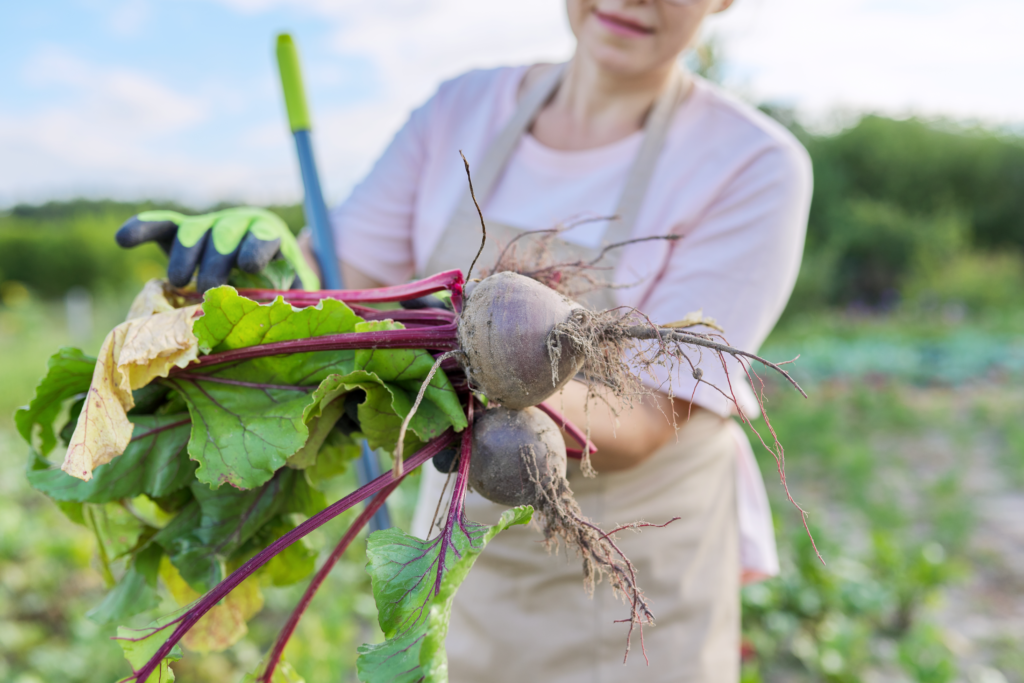
Harvest beet leaves early for salads or cooking. Pick leaves when they are young and tender. For roots, wait until they reach 1.5 to 3 inches in diameter. Avoid leaving roots too long in the ground to prevent woodiness.
Managing Temperature And Frost
Managing temperature and frost is crucial for growing healthy beets in Florida. Beets thrive in cool weather, but extreme cold or frost can damage the plants. Understanding how frost affects beets helps you plan the best planting time. Proper timing ensures a good harvest with sweet, tender roots.
First Frost Dates
Knowing the first frost dates in your area guides your planting schedule. In North Florida, the first frost usually happens in late November. Central Florida sees frost around early December. South Florida rarely experiences frost but may have chilly nights in January. Plant beets early enough to grow before these frost dates arrive.
Frost Effects On Flavor
Frost can change the flavor of beets. A light frost often makes the roots sweeter by converting starches to sugars. However, a hard frost can harm the plant and reduce quality. Protect young beet plants with row covers during cold snaps. This helps keep their flavor fresh and the texture crisp.
Regional Planting Schedules
Planting beets in Florida requires attention to regional climate differences. Each area has its own ideal planting schedule. Following these schedules helps ensure healthy growth and good harvests. Planting too early or too late can reduce yields.
Understanding the timelines for North, Central, and South Florida lets gardeners plan better. It also helps avoid heat stress or frost damage. Here are the best planting times for each region.
North Florida Timeline
In North Florida, the growing season for beets starts in August. Planting can continue through February. The cooler fall and winter months suit beet growth best. Early planting in late summer helps seedlings establish before cold weather arrives. Soil temperatures between 50°F and 85°F are ideal for seed germination.
Central Florida Timeline
Central Florida gardeners should plant beets from September to February. The climate is warmer than North Florida but still cool enough for beets in these months. Planting in September gives beets time to mature before the heat returns. Keep the soil moist and provide full sun to maximize growth.
South Florida Timeline
South Florida’s warmer climate means planting starts later. The best time is from October through January. Morning sun and some afternoon shade protect young plants from intense heat. This schedule avoids the hot, humid summer that can stress beets. Consistent watering is important to keep roots tender and healthy.

Credit: www.revivalgardening.com
Frequently Asked Questions
Do Beets Grow Well In Florida?
Yes, beets grow well in Florida as a cool-season crop. Plant in fall or winter, varying by region. Use well-drained soil, provide consistent moisture, and ensure full or morning sun. North Florida plants from August, Central Florida from September, and South Florida from October through February.
Can I Plant Beets In September?
Yes, you can plant beets in September for a fall harvest. Choose quick-maturing varieties and keep soil moist. Use row covers to protect from frost and extend growth. Beets grow best in cool weather and well-drained soil.
What Is The Trick To Growing Beets?
Plant beets in cool, well-drained soil with full sun. Keep soil moist but not waterlogged. Use compost or balanced fertilizer for best growth.
What Should You Not Plant Next To Beets?
Avoid planting pole beans, field mustard, and chard next to beets. These plants compete for nutrients and stunt beet growth.
Conclusion
Planting beets at the right time ensures a healthy, tasty harvest. In Florida, fall and winter months offer the best growing conditions. Start seeds early in North Florida, then later in Central and South regions. Use well-drained soil and keep it moist for strong roots.
Full or morning sun helps beets grow well. Following these simple steps leads to success in your garden. Enjoy fresh, homegrown beets all season long.