Choosing the best grass for your South Florida lawn isn’t just about picking something green. You want a grass that can handle the intense heat, heavy rains, and occasional droughts common to the region.
The right grass will save you time, money, and frustration—giving you a lush, healthy lawn all year round. But with so many options like St. Augustine, Zoysia, and Bermuda, how do you know which one is truly the best for your yard?
Keep reading, and you’ll discover the top grass types that thrive in South Florida’s unique climate, along with simple tips to keep your lawn looking its best without extra hassle. Your perfect lawn is closer than you think!
Climate Factors In South Florida
South Florida’s climate plays a big role in choosing the right grass. The region’s warmth, moisture, and soil all affect grass growth. Knowing these climate factors helps pick grass that stays green and healthy year-round.
Temperature And Humidity
South Florida has hot temperatures most of the year. Summers are long and very warm, often above 90°F. Winters stay mild, rarely dropping below 50°F. High humidity is common, making the air feel hotter. Grass must handle heat and moisture well to thrive.
Rainfall Patterns
Rain falls mostly during the wet season from May to October. Heavy storms and hurricanes bring a lot of water in short times. The dry season from November to April has much less rain. Grass needs to survive both wet and dry periods without damage.
Soil Types
South Florida soil is often sandy with low nutrients. It drains water quickly but does not hold moisture well. Some areas have clay or marl soils that retain water longer. Good grass must adapt to sandy soil and tolerate occasional flooding or drought.
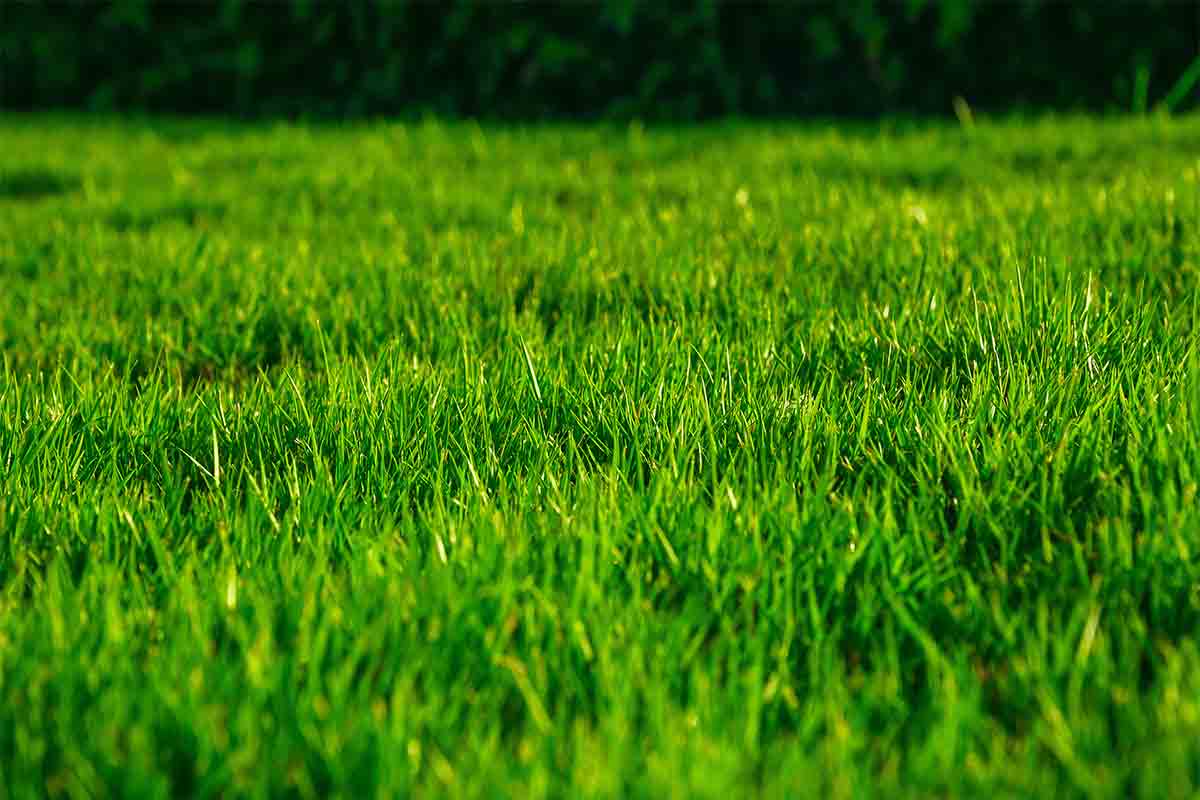
Credit: www.bestpickreports.com
Popular Grass Varieties
Choosing the right grass variety is essential for a healthy lawn in South Florida. The warm climate and high humidity influence which grasses thrive best. Several popular grass types suit the region’s conditions. They vary in texture, color, and maintenance needs. Understanding these options helps create a green, beautiful yard year-round.
Saint Augustine Grass
Saint Augustine grass is a favorite in South Florida. It grows well in warm, humid climates. This grass has broad, flat blades with a rich green color. It spreads quickly and forms a thick carpet. Saint Augustine tolerates shade better than many other grasses. It needs regular watering and moderate fertilizing for best growth.
Zoysia Grass
Zoysia grass is known for its dense texture and fine blades. It handles heat and drought well, making it a good choice. Zoysia grows slowly but creates a strong lawn that resists weeds. It prefers full sun but can survive some shade. This grass requires less frequent mowing than Saint Augustine.
Bermuda Grass
Bermuda grass thrives in hot, sunny areas. It has fine, soft blades and grows quickly. This grass recovers fast from damage and tolerates heavy foot traffic. Bermuda needs full sun to stay healthy. It requires regular watering and fertilizing, especially in dry seasons.
Perennial Ryegrass
Perennial ryegrass is often used for overseeding in South Florida. It provides a green lawn during cooler months. This grass has fine, dark green blades and grows fast. It prefers well-drained soil and moderate watering. Perennial ryegrass does not handle heat well, so it declines in summer.
Centipede Grass
Centipede grass is a low-maintenance option popular in South Florida. It grows slowly and stays light green. This grass prefers acidic soils and needs less fertilizer than others. Centipede grass handles heat and humidity well but grows poorly in shade. It requires less mowing, making it easy to care for.
Benefits Of Saint Augustine Grass
Saint Augustine grass is a top choice for many homeowners in South Florida. It thrives in the warm climate and offers many benefits. This grass type creates a lush, green lawn that stands out. It adapts well to coastal environments, making it perfect for the region.
Saint Augustine grass also resists pests and diseases better than many other grasses. Its thick growth helps prevent weeds from spreading. This grass provides a comfortable surface for outdoor activities and family time.
Visual Appeal
Saint Augustine grass has wide, flat blades that give a rich, dense look. Its deep green color brightens any yard. This grass grows thick, covering bare spots quickly. It creates a smooth, even lawn that looks healthy and inviting.
The lush texture adds charm to homes and gardens. It stays green most of the year in South Florida’s warm climate. The attractive appearance increases curb appeal and property value.
Shade Tolerance
Saint Augustine grass grows well in shaded areas. It can handle partial to full shade better than many other grass types. This makes it ideal for yards with large trees or buildings. The grass stays healthy even with limited sunlight.
Its ability to thrive in shade helps cover spots where sun-loving grasses fail. This quality reduces the need for replanting and repair. It keeps lawns looking green and full throughout the year.
Maintenance Needs
Saint Augustine grass requires moderate care to stay healthy. It needs regular watering, especially during dry spells. Fertilizing two to four times a year helps maintain its vibrant color. Mowing should be done every week or two to keep it tidy.
This grass is fairly resistant to pests, reducing the need for chemical treatments. It grows quickly but not too fast, making it easier to manage. Overall, Saint Augustine grass suits homeowners who want a beautiful lawn with balanced effort.
Advantages Of Zoysia Grass
Zoysia grass stands out as a top choice for lawns in South Florida. It thrives well under the region’s warm climate. This grass type offers several benefits that make it ideal for homeowners seeking a beautiful and low-maintenance yard.
Its thick growth creates a lush, green carpet that enhances curb appeal. Zoysia grass adapts to various soil types and tolerates heat better than many other grasses. The following sections highlight key advantages of planting Zoysia grass in South Florida.
Drought Resistance
Zoysia grass uses water efficiently. It stays green longer during dry spells. This quality reduces the need for frequent watering. In South Florida’s hot and sometimes dry weather, Zoysia remains healthy with less water. This makes it a smart choice for water conservation and saving on irrigation costs.
Durability
Zoysia grass grows densely and resists wear and tear. It handles foot traffic better than many other grasses. This durability is perfect for yards with kids or pets. It recovers quickly from damage, keeping your lawn looking fresh all year. Zoysia also tolerates heat and humidity common in South Florida.
Weed Suppression
Thick Zoysia grass blocks sunlight from reaching weed seeds. This natural barrier limits weed growth in your lawn. Fewer weeds mean less time and money spent on herbicides. A healthy Zoysia lawn looks clean and neat without much effort. It helps maintain a uniform green surface free of unwanted plants.
Comparing Zoysia And Saint Augustine
Choosing the right grass for South Florida is essential for a healthy, green lawn. Zoysia and Saint Augustine grasses are popular options. Each has qualities that fit different lawn needs and preferences. Understanding their differences helps pick the best grass for your yard.
Texture And Comfort
Zoysia grass has a fine texture and dense growth. It feels soft underfoot and creates a smooth lawn surface. Saint Augustine grass features broad, flat blades. It has a coarser texture but provides good shade tolerance. Both grasses offer comfort, but Zoysia feels silkier on bare feet.
Pest And Disease Resistance
Zoysia grass shows strong resistance to pests and diseases. It handles common lawn bugs and fungal issues well. Saint Augustine grass is more vulnerable to pests like chinch bugs. It may need extra care and treatment to stay healthy. Zoysia requires less chemical use for pest control.
Establishment Speed
Saint Augustine grass establishes quickly after planting. It spreads faster and covers bare spots sooner. Zoysia grass grows slowly and takes more time to fill in. Patience is needed with Zoysia, but it forms a thicker, more durable lawn over time. Quick results favor Saint Augustine for new lawns.
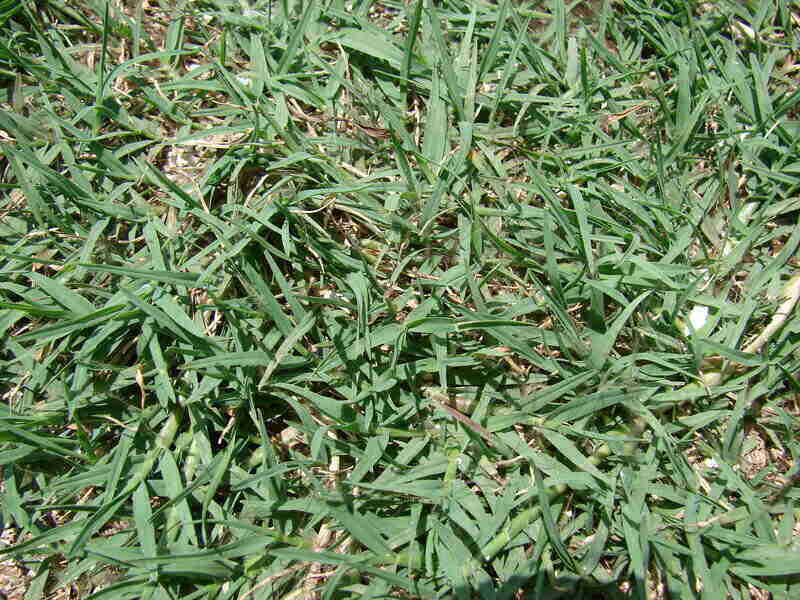
Credit: www.lawnstarter.com
Drought And Heat Tolerance
South Florida’s climate poses challenges for lawns. High heat and drought stress grass during long dry spells. Choosing drought and heat-tolerant grass is vital for a healthy lawn. These grasses survive with less water and endure scorching temperatures. Understanding how they handle stress helps in selecting the best type.
Grass Dormancy
Some grasses enter dormancy to survive drought and heat. Dormancy means the grass stops growing and turns brown. This process saves water and energy. Bermuda and Zoysia grasses often go dormant in dry conditions. Dormant grass looks dead but can green up when rain returns.
Watering Requirements
Drought-tolerant grasses need less frequent watering. Deep, infrequent watering helps roots grow strong. Overwatering can harm grass by causing shallow roots. St. Augustine grass needs more water than Bermuda or Zoysia. Adjust watering based on grass type and weather.
Recovery After Stress
Heat and drought stress can weaken grass. Good recovery depends on grass type and care. Bermuda grass recovers quickly after dry spells. Proper fertilization helps grass regain strength fast. Avoid heavy traffic on stressed lawns to allow healing.
Maintenance Tips For South Florida Lawns
Maintaining a healthy lawn in South Florida requires specific care tailored to the region’s warm climate and soil. Proper maintenance helps grass stay green, thick, and pest-free. Following simple tips can improve your lawn’s appearance and longevity. Focus on mowing, fertilizing, and pest control to keep your grass in top shape.
Mowing Practices
Cut grass at the right height for its type. For St. Augustine, keep blades about 3.5 to 4 inches tall. Zoysia grass prefers 1.5 to 2 inches. Avoid cutting more than one-third of the grass height at once. Mow regularly, usually once a week, to prevent stress. Keep mower blades sharp to avoid tearing the grass.
Fertilization Schedules
Feed your lawn during its active growing season. In South Florida, this is from spring through fall. Use fertilizers with a balanced mix of nitrogen, phosphorus, and potassium. Apply fertilizer every 6 to 8 weeks for best results. Avoid over-fertilizing, which can harm the grass and pollute water. Water the lawn after fertilizing to help nutrients soak in.
Pest Control Strategies
Watch for signs of pests like chinch bugs and grubs. Treat infestations early to prevent damage. Use insecticides that are safe for your grass type. Encourage natural predators like birds to reduce pest numbers. Keep the lawn healthy with proper watering and mowing to make it less inviting to pests.
Choosing Grass For Specific Uses
Choosing the right grass depends on the area it will cover. Different spaces have different needs. The grass must handle the use and climate well. South Florida’s heat and humidity affect grass choice. Understanding the purpose of the lawn helps pick the best type.
Residential Lawns
Home lawns need grass that stays green and soft. It should grow well in shade and sun. Saint Augustine grass works well here. It handles heat and shade and looks good. Zoysia grass is another option. It is thick and resists weeds. Both types need moderate watering and care.
Commercial Landscapes
Business areas need grass that looks neat all year. It must stand up to foot traffic and occasional wear. Bermuda grass is common for commercial use. It grows quickly and recovers fast. Zoysia is also good for these spaces. It stays dense and tolerates some shade. These grasses keep the place professional and tidy.
Recreational Areas
Playgrounds and parks require very strong grass. It should handle running, jumping, and heavy use. Bermuda grass fits this need well. It is tough and recovers quickly from damage. St. Augustine is softer but less durable. For heavy sports use, Bermuda is the best choice. It ensures a safe and green surface for play.
Seeding And Sodding Options
Choosing the right method to establish your lawn in South Florida is key. Seeding and sodding offer two distinct paths to grow lush grass. Each has unique advantages and challenges. Understanding these can help you decide what fits your needs and budget.
Pros And Cons Of Seeding
Seeding involves planting grass seeds directly into the soil. It is usually less expensive than other options. Seeds offer a wide choice of grass types. This method takes more time for grass to grow fully. Young grass needs careful watering and care. Weeds may compete with seeds during growth. Success depends on good soil and weather conditions.
Benefits Of Sodding
Sodding means laying down pre-grown grass mats. It gives an instant green lawn. Sod reduces soil erosion and weed growth. The lawn is ready to use sooner than seeded lawns. Sodding works well in South Florida’s warm climate. The grass roots quickly establish in the soil. This method requires less initial maintenance.
Cost Considerations
Seeding costs less upfront but may take months to fill in. Extra care is needed to protect seeds from birds and weather. Sodding costs more but delivers fast results. Installation and delivery add to sod expenses. Long-term, sod lawns may save money on watering and weed control. Choose based on your budget and time.
Common Challenges In South Florida Lawns
Maintaining a healthy lawn in South Florida comes with unique challenges. The warm, humid climate creates an environment where certain problems arise often. These issues can affect the look and health of your grass. Knowing the common challenges helps in choosing the right grass and care methods.
Weed Invasion
Weeds grow quickly in South Florida’s warm weather. They compete with grass for nutrients and water. Some common weeds include crabgrass and dollarweed. These unwanted plants spread fast and can take over your lawn. Regular weeding and proper lawn care reduce their growth.
Pest Infestations
Pests like chinch bugs and grubs damage South Florida lawns. They feed on grass roots and blades. This causes brown spots and weak grass. Pests multiply fast in hot, moist conditions. Early detection and treatment help protect your lawn from severe damage.
Soil Nutrient Deficiencies
South Florida soils often lack essential nutrients for grass growth. Poor soil quality leads to weak, thin grass. Nutrient shortages cause yellowing leaves and slow recovery from stress. Regular soil testing and fertilization improve nutrient levels. Healthy soil supports strong, lush grass.

Credit: trysodpods.com
Frequently Asked Questions
What Is The Easiest Grass To Grow In South Florida?
The easiest grass to grow in South Florida is St. Augustine. It adapts well to heat, humidity, and sandy soils, requiring moderate care. Zoysia grass is also easy, offering drought tolerance and low maintenance. Both grasses thrive with proper watering and fertilization suited to the region.
Which Grass Is Better, Zoysia Or St Augustine?
Zoysia offers better drought tolerance, durability, and low maintenance. St. Augustine provides a softer texture and requires less frequent mowing. Choose Zoysia for resilience and St. Augustine for a lush appearance.
Can You Just Throw Grass Seed On The Ground And It Will Grow?
Simply throwing grass seed on the ground rarely works well. Seeds need soil contact, watering, and proper care to grow healthy grass.
What Is The Best Month To Plant Grass In Florida?
The best month to plant grass in Florida is late spring through early summer. Warm soil promotes faster germination and growth.
Conclusion
Choosing the right grass makes a big difference in South Florida. St. Augustine and Zoysia grasses stand out for heat and humidity. Both types need proper watering and care to thrive. Consider your lawn’s needs and how much time you can spend maintaining it.
A healthy lawn boosts your home’s beauty and value. Start with good grass, then keep it well cared for. Enjoy a green, strong lawn all year round.