Are you looking to transform your Florida yard into a vibrant tropical paradise? Choosing the right plants can make all the difference in creating a lush, colorful landscape that thrives year-round.
Tropical plants are perfect for Florida’s warm climate, adding exotic flair and natural beauty to your outdoor space. You’ll discover the best tropical plants that not only look stunning but are also easy to care for in Florida’s unique environment.
Whether you want bold colors, interesting textures, or plants that attract wildlife, we’ve got you covered. Keep reading to find out how to make your landscaping dreams come true with the best tropical plants Florida has to offer!
Top Tropical Plants For Florida
Florida’s warm climate supports a variety of tropical plants. These plants bring vibrant colors and lush textures to any landscape. Choosing the right tropical species enhances your garden’s beauty and suits the local environment. Below are some of the top tropical plants perfect for Florida gardens.
Vibrant Crotons
Crotons display bright leaves in red, yellow, and green. They thrive in full sun and well-drained soil. Their colorful foliage adds energy and life to any garden bed or container.
Showy Hibiscus
Hibiscus plants produce large, bright flowers in many colors. They attract butterflies and hummingbirds. These shrubs grow well in sunny spots with regular watering.
Colorful Bougainvillea
Bougainvillea vines burst with pink, purple, or orange bracts. They climb fences and walls easily. This plant loves heat and needs minimal water once established.
Tropical Ixora
Ixora has dense clusters of small, star-shaped flowers. Colors include red, orange, and yellow. It prefers full sun and moist soil to bloom well.
Shefflera Varieties
Shefflera, also called umbrella plants, have glossy green leaves. They work well as shrubs or small trees. These plants tolerate shade and dry spells.
Exotic Alcantarea
Alcantarea is a large bromeliad with striking rosettes. Its leaves can be green, gray, or silver. This plant adds a bold, sculptural look to landscapes.
Popular Palm Species
Palms define tropical Florida landscapes. Species like the Sabal Palm and Royal Palm stand tall and elegant. Palms offer shade and a classic tropical feel.
Low Maintenance Tropical Landscaping
Low maintenance tropical landscaping is perfect for Florida’s warm climate. It saves time and water while keeping your garden lush. Choosing the right plants and techniques helps reduce work. This makes your outdoor space both beautiful and easy to care for.
Rain Gardens For Water Control
Rain gardens help manage heavy rains and prevent flooding. They use plants that absorb and filter water naturally. These gardens reduce runoff and protect local waterways. Placing a rain garden in your yard can improve drainage. It also creates a peaceful, green spot that needs little upkeep.
Native Plants For Easy Care
Native tropical plants thrive in Florida’s soil and weather. They need less water and fertilizer than non-natives. These plants resist pests and diseases better, reducing the need for chemicals. Using native plants creates a natural, healthy landscape. Your garden stays beautiful with minimal effort.
Drought-tolerant Options
Drought-tolerant plants survive with little water once established. They are perfect for Florida’s dry spells. These plants reduce watering needs and save water bills. Many tropical succulents and palms fit this category. Adding drought-tolerant plants keeps your yard green during hot months.
Mulching And Soil Tips
Mulching helps keep soil moist and cool. It reduces weeds and adds nutrients to the soil. Use organic mulch like bark or leaves around plants. Good soil improves plant health and growth. Mix compost or organic matter into the soil before planting. This creates a strong base for your tropical garden.
Design Tips For Florida Gardens
Designing a garden in Florida offers unique opportunities to showcase lush tropical plants. The warm climate supports vibrant greenery and bright flowers all year. Planning your garden layout enhances plant health and visual appeal. Use simple design tips to create a stunning outdoor space that thrives in Florida’s environment.
Layering Plant Heights
Start by arranging plants from shortest to tallest. Place low-growing plants near pathways or garden edges. Taller plants belong toward the back or center of beds. This layering creates depth and natural flow. It also helps sunlight reach smaller plants below. Use palms, ferns, and shrubs to form distinct height levels.
Combining Colors And Textures
Mix different leaf shapes and colors for visual interest. Bright green leaves contrast well with deep red or purple foliage. Add plants with smooth, shiny leaves beside rough or spiky ones. Use flowering plants to add pops of color. Keep the palette balanced to avoid overwhelming the space. Variety in texture and color keeps the garden lively.
Using Tropical Plants As Focal Points
Select a few tropical plants to serve as garden highlights. Choose bold species like Bird of Paradise or Hibiscus. Place these focal plants where they catch the eye first. Surround them with smaller or less colorful plants. This technique draws attention and adds structure. Focal plants give your garden personality and charm.
Incorporating Hardscapes
Add paths, patios, or stone features to complement plants. Hardscapes provide balance and break up green areas. Use natural materials to blend with the tropical theme. A stone bench or water feature enhances relaxation spots. Plan hardscapes to guide movement and frame plant beds. They increase garden usability and style.

Credit: www.all-trustedlawncare.com
Planting And Care Guide
Proper planting and care are key to thriving tropical plants in Florida landscapes. Understanding soil, light, water, and nutrients helps these plants grow strong and vibrant. This guide covers essential steps for planting and maintaining tropical plants that brighten your outdoor space.
Optimal Soil And Light Conditions
Tropical plants prefer well-draining soil rich in organic matter. Sandy loam mixed with compost works well. Most tropical plants thrive in partial to full sunlight. Some species need filtered light to avoid leaf burn. Test your soil’s pH; a slightly acidic to neutral range suits many tropical plants.
Watering Best Practices
Consistent watering keeps tropical plants healthy. Water deeply but allow soil to dry between watering. Avoid overwatering to prevent root rot. Early morning watering reduces evaporation and prepares plants for the day. Mulch around plants to retain soil moisture and control weeds.
Fertilizing Tropical Plants
Use balanced fertilizer with equal nitrogen, phosphorus, and potassium. Feed tropical plants every 6 to 8 weeks during growing seasons. Slow-release fertilizers provide steady nutrients over time. Organic options like compost tea also boost soil health. Always follow package instructions to avoid overfeeding.
Pest And Disease Management
Inspect plants regularly for pests like aphids and spider mites. Use insecticidal soap or neem oil for safe pest control. Remove diseased leaves promptly to stop spread. Proper spacing and airflow reduce fungal infections. Healthy plants resist pests and diseases better.
Popular Tropical Plants To Buy
Choosing the right tropical plants can transform any Florida landscape. These plants bring vibrant colors and lush textures to your outdoor space. They thrive in warm climates and require little care once established. Here are some popular tropical plants to buy for your Florida garden.
Bird Of Paradise
Bird of Paradise is famous for its bright, exotic flowers. Its shape resembles a bird in flight. This plant adds a tropical flair and grows well in Florida’s heat. It prefers full sun but tolerates partial shade. The leaves are large and glossy, creating a bold look.
Sago Palm
Sago Palm is a slow-growing, tough plant with a unique look. It has stiff, feather-like leaves and a rugged trunk. This palm suits small gardens and containers. It handles heat and drought well, making it perfect for Florida landscapes.
Cordyline Varieties
Cordyline plants offer colorful leaves in red, pink, and green shades. They add height and texture to gardens. Cordylines grow well in sun or shade. They are low-maintenance and can be used as accents or hedges.
Hibiscus Trees
Hibiscus Trees produce large, bright flowers in many colors. They attract butterflies and hummingbirds. These trees grow quickly and provide shade and beauty. Hibiscus thrives in warm, sunny spots and needs regular watering.
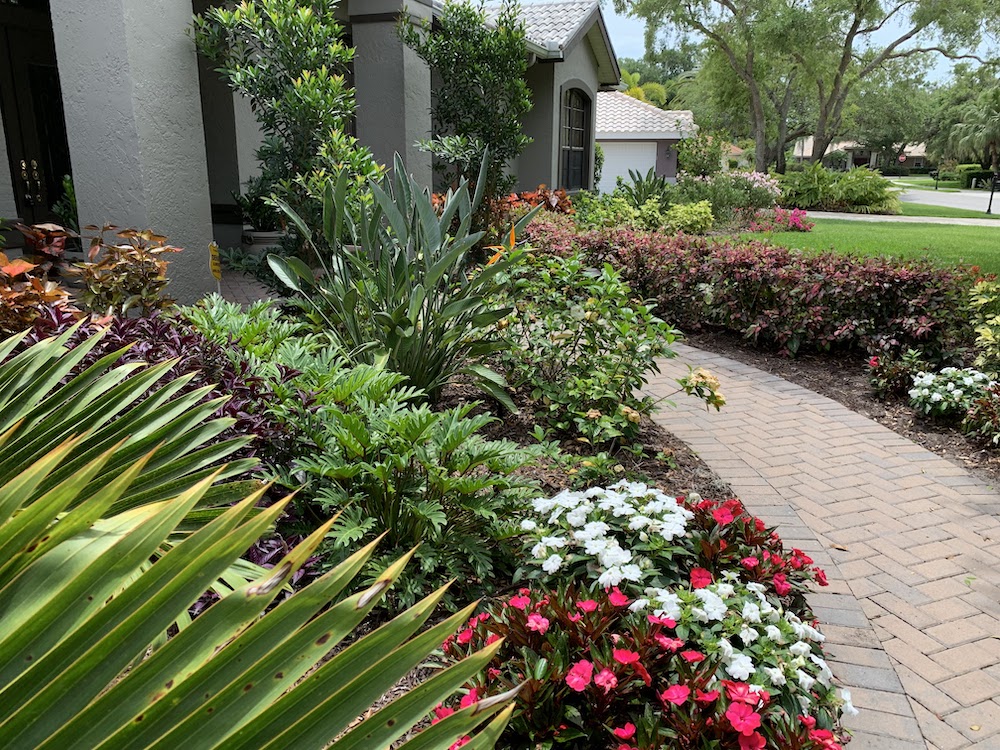
Croton Petra And Others
Croton Petra is known for its vibrant, multicolored leaves. It adds striking color to any garden. Crotons prefer sun or light shade and need well-drained soil. Other croton varieties also offer unique leaf shapes and colors for diverse landscaping options.
Credit: tropicalgardenslandscape.com
Seasonal Considerations
Seasonal changes affect tropical plants in Florida. Understanding these shifts helps keep your landscape healthy and vibrant throughout the year. Proper care during each season supports growth and prevents damage. Pay attention to temperature, rainfall, and sunlight patterns to adjust your gardening routine. This section covers key seasonal tips for tropical landscaping in Florida.
Planting In Different Seasons
Spring is ideal for planting tropical plants in Florida. The soil warms up, encouraging root growth. Avoid planting during the hottest summer months. Fall offers a cooler, milder climate for new plants. It also allows roots to establish before winter. Winter planting is possible for hardy species but requires care. Choose plants suited for the season’s temperature and sunlight.
Protecting Plants From Cold
Florida winters can bring unexpected cold snaps. Tropical plants are sensitive to frost and freezing temperatures. Cover plants with frost cloths or blankets on cold nights. Use mulch around the base to keep roots warm. Move potted plants indoors or to sheltered areas. Monitor weather forecasts to prepare for sudden cold spells. Timely protection prevents leaf damage and plant stress.
Seasonal Pruning Tips
Prune tropical plants during late winter or early spring. Removing dead or damaged branches boosts new growth. Avoid heavy pruning in fall to prevent cold injury. Light trimming during summer helps shape plants. Use clean, sharp tools to reduce infection risk. Regular pruning improves air circulation and sunlight penetration. This keeps plants healthy and looking their best.

Credit: coastalcustompoolandspa.com
Frequently Asked Questions
What Tropical Plants Grow Well In Florida?
Crotons, hibiscus, bird of paradise, plumeria, and sago palms thrive well in Florida’s tropical climate. These plants add vibrant color and texture.
What Is The Best Low Maintenance Landscape In Florida?
The best low maintenance landscape in Florida includes drought-tolerant tropical plants like crotons, hibiscus, bird of paradise, and sago palms. These plants thrive in Florida’s heat and require minimal watering and care, ensuring a vibrant, easy-to-manage garden year-round.
What Are The Best Tropical Plants For Your Yard?
Best tropical plants for your yard include Bird of Paradise, Hibiscus, Crotons, Plumeria, and Sago Palm. They thrive in warm climates and add vibrant colors. Choose plants like Cordyline, Bromeliads, and Calathea for lush, exotic landscaping that attracts birds and butterflies.
What Is The Most Popular Ornamental Plant Grown In Florida?
The most popular ornamental plant grown in Florida is the Hibiscus. It thrives in Florida’s warm climate and adds vibrant color to landscapes.
Conclusion
Tropical plants add color and life to Florida landscapes. They thrive in warm weather and need little care. Choosing the right plants can create a beautiful outdoor space. Palms, hibiscus, and crotons are popular and easy to grow. These plants attract birds and butterflies, making gardens lively.
Use them to bring a tropical feel to your yard. Growing tropical plants helps your garden stand out. Start with a few and watch your landscape transform. Enjoy the beauty and peace these plants provide every day.