Are you ready to transform your outdoor space into a stunning South Florida paradise? Choosing the right plants is the first step to creating a vibrant, low-maintenance landscape that thrives in the Sunshine State’s unique climate.
Whether you want lush greenery, colorful blooms, or drought-tolerant options, the best South Florida landscape plants can make your garden stand out all year round. In this guide, you’ll discover top plant picks tailored to your region, plus simple design tips that will bring balance and beauty to your yard.
Keep reading to unlock the secrets of creating a landscape that’s both easy to care for and a joy to behold.
South Florida Climate And Soil
South Florida offers a unique environment for growing plants. Its climate and soil create specific conditions for landscaping. Understanding these factors helps in choosing the best plants. The region features warm temperatures and diverse soil types. Preparing the soil properly boosts plant health and growth.
Key Climate Features
South Florida has a tropical climate with hot summers and mild winters. Rainfall is heavy in summer but light in winter. High humidity is common year-round. The area rarely experiences frost or freezing temperatures. Strong sunlight and occasional storms shape the local plant life. This climate supports many tropical and subtropical plants. Choosing plants that tolerate heat and moisture is essential.
Soil Types And Preparation
Soil in South Florida varies from sandy to clay-like textures. Sandy soils drain quickly but hold fewer nutrients. Clay soils retain water but may cause root problems. Many areas have acidic to neutral soil pH levels. Adding organic matter improves soil structure and fertility. Testing soil before planting helps identify needs. Proper preparation ensures plants establish deep roots and thrive. Mulching helps retain moisture and reduce weeds.
Native Plants For South Florida
Native plants for South Florida thrive naturally in the region’s warm climate and sandy soils. These plants need less water and care than non-native species. They support local wildlife and keep the ecosystem balanced. Choosing native plants creates a beautiful and sustainable landscape.
Benefits Of Native Species
Native plants save water and reduce garden maintenance. Their deep roots prevent soil erosion and improve soil health. These plants attract bees, butterflies, and birds, helping pollination. They resist local pests and diseases better than foreign plants. Using natives supports the environment and lowers gardening costs.
Top Native Flowering Plants
South Florida offers many colorful native flowers. The Firebush produces bright red-orange blooms that attract hummingbirds. The Blanket Flower has vibrant red and yellow petals that bloom most of the year. The Coral Honeysuckle offers fragrant orange flowers and grows well on fences. These flowers add beauty and life to any garden.
Native Grasses And Groundcovers
Native grasses and groundcovers help keep soil in place and reduce weeds. Muhly Grass has pinkish-purple plumes that sway in the breeze. Seashore Paspalum is drought-tolerant and grows well in sandy soils. Sunshine Mimosa forms a soft, green carpet and produces small pink flowers. These plants create texture and cover large areas with ease.
Tropical Plants That Thrive
South Florida’s warm climate supports a vibrant range of tropical plants. These plants grow well with sunlight, heat, and humidity. They bring lush greenery and bright colors to any garden or landscape. Choosing the right tropical plants helps create a beautiful, low-maintenance outdoor space that thrives year-round.
Popular Palms And Trees
Palms are classic tropical plants in South Florida. The Queen Palm and Royal Palm add height and elegance. They grow fast and handle heat well. The Areca Palm is great for smaller spaces and adds a soft, feathery look.
Other trees like the Flamboyant and Sea Grape offer shade and vibrant flowers or fruits. These trees stand strong in coastal winds and salty air. They also attract birds, adding life to your landscape.
Colorful Shrubs And Vines
Bright shrubs add color and texture to tropical gardens. Crotons have bold, multicolored leaves. Hibiscus flowers bloom in red, pink, yellow, and orange, creating eye-catching spots.
Vines like Bougainvillea climb fences and walls with vivid blooms. Jasmine vines bring sweet fragrance and delicate white flowers. These plants grow quickly, filling spaces with lush, tropical charm.
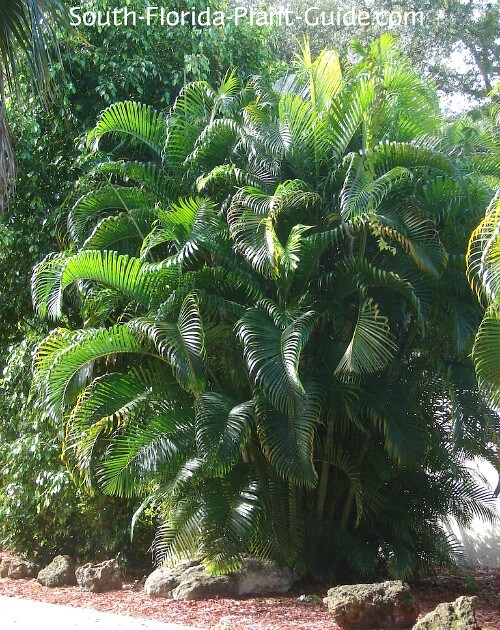
Credit: www.south-florida-plant-guide.com
Low-maintenance Plant Choices
Choosing low-maintenance plants for South Florida landscapes saves time and effort. These plants thrive with less watering and care. They fit well into busy lifestyles and reduce garden chores. Native and adapted species perform best in this hot, humid climate.
Low-maintenance plants also help conserve water and resist pests naturally. They keep your garden healthy and beautiful year-round. Focus on plants that can handle dry spells and resist common insects.
Drought-tolerant Options
Drought-tolerant plants survive long dry periods with little water. They are perfect for South Florida’s occasional dry spells. Examples include the Firebush, Lantana, and Coontie. These plants need less frequent watering, saving water and time. Their deep root systems help them access moisture deep in the soil. Drought-tolerant plants also reduce the risk of plant stress and disease. They offer bright flowers and lush foliage without extra care.
Pest-resistant Plants
Pest-resistant plants lower the need for chemical sprays. They naturally repel insects or resist damage. Plants like the Beautyberry, Saw Palmetto, and Muhly Grass fit well in South Florida gardens. These plants stay healthy even during pest outbreaks. They reduce garden maintenance and keep your landscape looking neat. Pest-resistant plants also support beneficial insects like bees and butterflies. Choose these plants for a vibrant, low-maintenance garden.
Plants For Rain Gardens
Rain gardens offer a smart way to manage water in South Florida landscapes. These gardens collect rainwater runoff and allow it to soak into the ground. Choosing the right plants helps keep rain gardens healthy and attractive. Native and water-loving plants work best because they handle wet conditions well. They also support local wildlife and reduce maintenance needs.
Water-friendly Species
Plants that thrive in wet soils make rain gardens successful. Swamp sunflower brightens spaces with its yellow flowers. Muhly grass adds soft texture and moves with the breeze. Goldenrod attracts pollinators and blooms in fall. Milkweed supports butterflies and grows well in moist areas. These species tolerate occasional flooding and dry spells. They help absorb excess water and prevent soil erosion.
Design Tips For Rain Gardens
Create rain gardens in low spots where water naturally collects. Group plants in odd numbers to create a natural look. Use taller plants in the center or back for depth. Mix flowering and grassy plants for color and texture. Avoid invasive species to protect native ecosystems. Mulch the garden to retain moisture and reduce weeds. Position the garden near downspouts or driveways to catch runoff. These simple steps improve rain garden function and beauty.

Credit: www.youtube.com
Using The Rule Of Three In Planting
The rule of three is a simple design trick that improves garden looks. It means planting or arranging things in groups of three. This odd number creates a natural and pleasing view. Even numbers can look too formal or stiff. Using three plants or features helps the eye move smoothly across the landscape. It makes your South Florida garden feel balanced and inviting.
Plant Groupings For Visual Appeal
Plant three of the same species close together. This creates a strong, focused look. Choose plants with different heights for depth. For example, place tall palms behind shorter shrubs and low ground covers in front. Grouping plants in threes keeps the garden lively and less crowded. It also helps emphasize each plant’s unique color and shape.
Hardscape And Color Coordination
Use the rule of three with hardscape features like pots, rocks, or benches. Place three items in a cluster for natural balance. Match these with your plant colors for harmony. For example, three terra cotta pots with orange flowers brighten the space. This approach ties hardscape and plants together. It creates a smooth, unified look throughout your garden.
Creating Focal Points
Make a focal point by grouping three standout plants or elements. Choose plants with bold leaves or bright flowers. Place them where they catch attention, such as near walkways or entrances. This draws the eye and adds interest. A trio of flowering shrubs or palms can anchor your garden design. Focal points using the rule of three add charm and guide visitors naturally.
Seasonal Planting Tips
Seasonal planting is key to keeping South Florida landscapes vibrant year-round. Choosing the right plants for each season ensures healthy growth and colorful blooms. Understanding seasonal needs helps gardeners plan effectively and enjoy beautiful outdoor spaces.
South Florida’s warm climate allows for diverse plant options throughout the year. Selecting plants suited to each season reduces maintenance and enhances garden appeal. This section highlights the best choices for spring, summer, fall, and winter planting.
Best Plants For Spring And Summer
Spring and summer bring warmth and longer days, ideal for many flowering plants. Hibiscus thrives in full sun and shows large, bright blooms. Bougainvillea adds vibrant color and grows quickly in heat. Lantana attracts butterflies with clusters of small, colorful flowers.
Plumeria offers fragrant blooms perfect for sunny spots. Firebush is drought-tolerant and blooms in red-orange shades. These plants withstand South Florida’s summer heat and occasional storms. Planting them early in spring gives time to establish strong roots.
Plants That Bloom In Fall And Winter
Fall and winter in South Florida are mild, allowing some plants to bloom beautifully. Hamelia, or firebush, keeps flowering late into fall. Ixora produces dense clusters of small flowers in red, orange, or yellow.
Christmas cactus adds color during cooler months with pink or red blooms. Caladiums provide striking foliage in shade or partial sun areas. These plants brighten the garden when many others go dormant elsewhere.
Combining Plants For Stunning Gardens
Creating a stunning garden in South Florida means combining plants with care. The right mix brings beauty, balance, and interest to your outdoor space. Choosing plants that work well together helps your garden thrive and look vibrant year-round. Think about how different plants grow and how they appear together. This approach makes your garden more inviting and enjoyable.
Layering Heights And Textures
Use plants of various heights to add depth. Tall palms and shrubs make a strong backdrop. Medium plants fill the middle space nicely. Ground covers and low flowers complete the front. Different leaf shapes and textures create contrast. Smooth leaves next to rough or spiky ones catch the eye. This layering makes your garden look full and rich.
Color Harmony And Contrast
Pick colors that blend or stand out. Soft greens and blues calm the garden. Bright reds, oranges, and yellows add energy. Combine warm and cool tones for balance. Use repeated colors to tie the space together. Color contrast highlights special plants. Change colors through seasons to keep interest alive.
Common Challenges In South Florida Gardens
Gardening in South Florida offers unique rewards and distinct challenges. The region’s tropical climate means plants face intense heat, high humidity, and frequent rain. These factors can stress plants and affect their growth. Gardeners need to understand these challenges to keep landscapes healthy and vibrant. Knowing common issues helps in choosing the right plants and care methods.
Managing Heat And Humidity
South Florida’s heat can be intense, often exceeding 90 degrees. High temperatures stress plants and cause water loss. Humidity stays high, which affects plant health differently than dry heat. Some plants may wilt or drop leaves under this stress. It is important to select heat-tolerant species. Providing shade and mulching helps keep roots cool. Watering early in the morning reduces evaporation and supports plant hydration.
Dealing With Pests And Diseases
Warm and moist conditions create ideal environments for pests and diseases. Common pests include aphids, whiteflies, and scale insects. They can damage leaves and stunt plant growth. Fungal diseases like powdery mildew and root rot also thrive in humid weather. Regular inspection and quick action prevent spread. Using natural predators and organic treatments can control pest populations. Proper spacing improves air flow, reducing disease risks.

Credit: www.youtube.com
Frequently Asked Questions
What Is The Best Low-maintenance Landscape In Florida?
The best low-maintenance landscape in Florida uses native plants like goldenrod, swamp sunflower, muhly grass, and milkweed. Rain gardens control water naturally and enhance beauty with minimal upkeep.
What Is The Rule Of 3 In Landscaping?
The rule of three in landscaping groups plants or elements in threes for natural balance. It enhances flow, depth, and visual appeal. Using odd numbers like three avoids rigidity, creating harmony and guiding the eye through the outdoor space effectively.
What Plants Are Best For South Florida?
Best plants for South Florida include native species like coontie, firebush, muhly grass, and gumbo limbo. They thrive in heat and humidity. Choose drought-tolerant, salt-resistant plants for low maintenance. Palms, hibiscus, and bougainvillea also flourish in South Florida’s tropical climate.
What Is The 70/30 Rule In Gardening?
The 70/30 rule in gardening means planting 70% foliage plants and 30% flowering plants. This balance enhances garden texture and color variety.
Conclusion
Choosing the best South Florida landscape plants can enhance any outdoor space. Native and low-maintenance plants thrive well in this region. Grouping plants in odd numbers creates natural, attractive designs. Use a mix of colors and textures for visual interest.
Healthy plants bring beauty and value to your property. Start with simple choices and watch your garden grow. Enjoy the vibrant life that South Florida plants offer year-round.