
If you’re thinking about planting a tangerine tree in Florida, timing is everything. Planting at the right moment can mean the difference between a healthy, fruitful tree and one that struggles to grow.
You want to give your tangerine tree the best start possible, so it thrives in Florida’s unique climate. Wondering when exactly to plant? Whether you have space in your garden or a pot on your porch, knowing the best time to plant will help you enjoy juicy, sweet tangerines for years to come.
Keep reading to discover the ideal planting seasons and simple tips that will set your tangerine tree up for success.
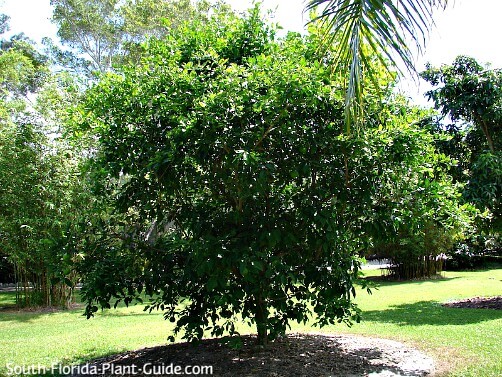
Credit: www.south-florida-plant-guide.com
Planting Seasons In Florida
Florida’s climate offers unique opportunities for planting tangerine trees. Understanding the best planting seasons helps your tree thrive. The state’s warm weather and mild winters support various planting times. Choose the season that fits your gardening style and local conditions for healthy growth.
Early Spring Planting
Plant tangerine trees after the last frost in early spring. The soil is warm enough to encourage root growth. This timing helps the tree settle before hot summer months arrive. Early spring planting reduces stress on young trees. It also promotes strong development throughout the growing season.
Fall Planting Advantages
In warmer parts of Florida, fall is a good time to plant. Cooler temperatures reduce water loss from the soil. Trees focus energy on root development rather than leaf growth. Fall planting allows roots to establish before winter. This helps the tree handle the heat of the next summer better.
Year-round Potted Planting
Potted tangerine trees offer flexible planting times. You can plant them almost any time of year. Protect potted trees from cold snaps by moving them indoors. This method works well for gardeners with limited space. Year-round planting in pots lets you enjoy tangerines even in colder months.
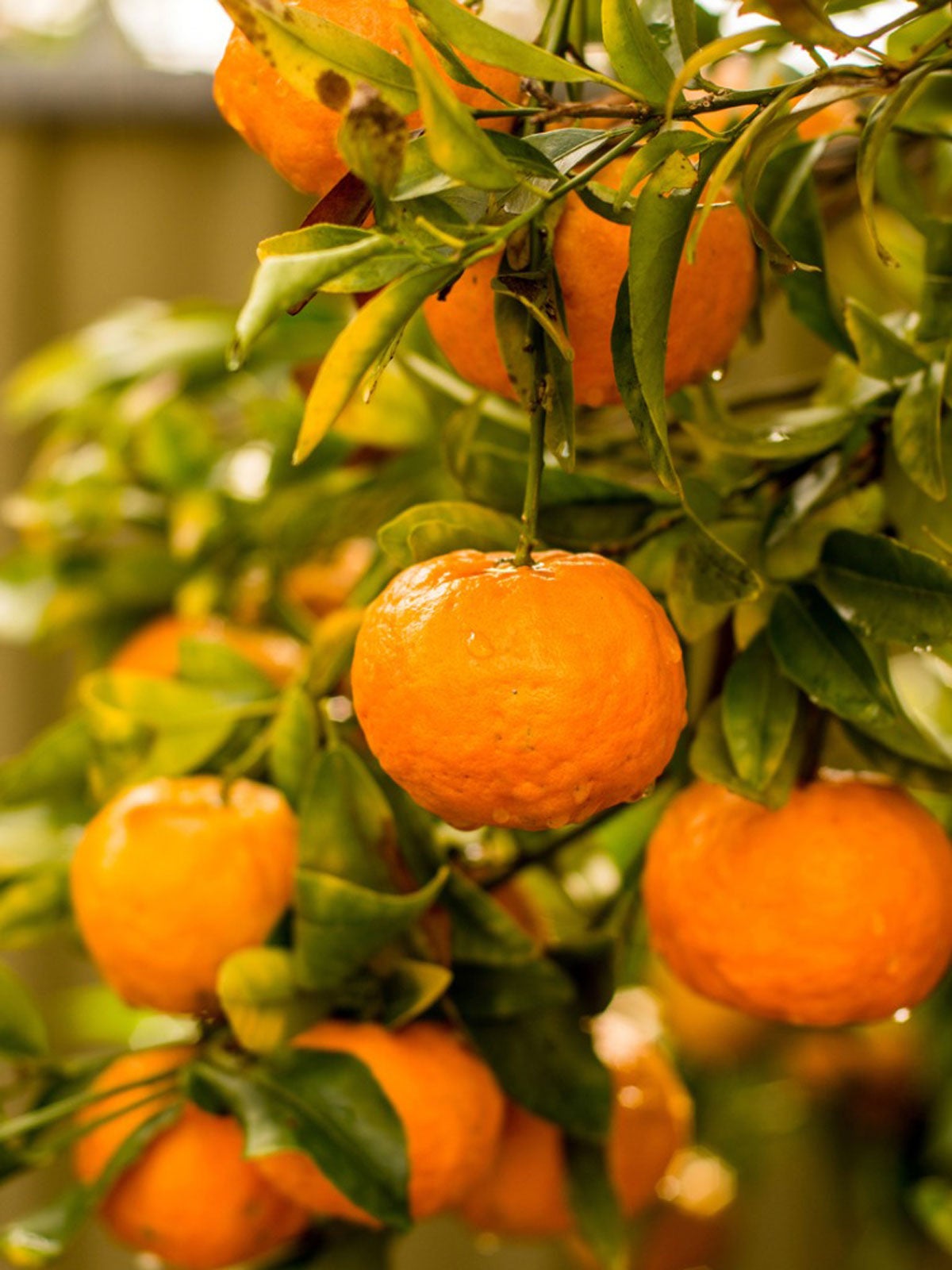
Credit: www.gardeningknowhow.com
Climate Factors
Climate plays a key role in the growth of tangerine trees in Florida. Understanding local weather patterns helps you choose the best planting time. Temperature, frost risk, soil condition, and moisture all affect tree health. Each factor shapes when and how you should plant for strong growth and fruit production.
Frost Dates And Soil Temperature
Frost can damage young tangerine trees. Plant after the last frost date in your area. This prevents cold injury to tender roots and leaves. Soil temperature should be above 60°F for good root growth. Warm soil helps roots develop quickly and absorb nutrients.
Regional Temperature Variations
Florida’s climate varies from north to south. Northern regions face cooler winters and later frosts. Southern areas have milder winters and earlier warm-ups. Adjust planting time based on your region’s temperature patterns. Warmer zones allow earlier planting and longer growing seasons.
Rainfall And Humidity
Florida is humid with seasonal rainfall patterns. Adequate moisture supports tangerine tree growth. Avoid planting during heavy rainy periods to prevent root rot. Humidity encourages healthy leaf development but watch for fungal diseases. Proper drainage and air circulation reduce risks.
Preparing The Planting Site
Preparing the planting site is essential for a healthy tangerine tree. A well-chosen location helps the tree grow strong and produce sweet fruit. This step ensures your tree adapts well to Florida’s climate and soil.
Focus on soil quality, sunlight, and drainage. These factors affect the tree’s root system and overall health. Take time to prepare the site properly for the best results.
Soil Requirements
Tangerine trees prefer sandy loam soil with good organic matter. The soil should be slightly acidic to neutral, with a pH between 6.0 and 7.0. Avoid heavy clay soils, as they hold too much water and limit root growth. Test your soil and amend it with compost to improve texture and nutrients. Good soil supports root development and helps the tree absorb water and minerals.
Sunlight Exposure
Choose a planting site that receives full sunlight for at least six hours daily. Tangerine trees need bright light to produce fruit and grow well. Avoid shaded areas near tall trees or buildings that block sunlight. Proper sunlight exposure boosts photosynthesis and strengthens the tree. A sunny spot encourages flowering and fruit ripening.
Drainage Needs
Good drainage prevents water from pooling around the roots. Tangerine trees do not tolerate standing water and can develop root rot. Ensure the site has well-drained soil or plant on a slight slope. You can also raise the planting area with soil or use raised beds. Proper drainage keeps roots healthy and supports steady growth.
Planting Techniques
Planting a tangerine tree in Florida requires attention to proper techniques. These methods help the tree grow strong roots and healthy branches. Whether planting in the ground or containers, careful steps improve success. Protecting young trees is vital for their survival in Florida’s climate.
In-ground Planting Steps
Choose a sunny spot with well-drained soil. Dig a hole twice as wide and deep as the root ball. Gently remove the tree from its container. Loosen the roots if they are tightly bound. Place the tree in the hole, making sure the top of the root ball is level with the ground. Fill the hole with soil and press down firmly. Water the tree deeply to settle the soil. Add mulch around the base, but keep it away from the trunk. This keeps moisture and controls weeds.
Planting In Containers
Select a large pot with drainage holes. Use a high-quality potting mix designed for citrus trees. Place the tree in the container, ensuring the root ball fits well. Fill around the roots with soil and press gently. Water the tree until water drains from the bottom. Avoid letting the soil dry out or become waterlogged. Move the container to a sunny spot. Container planting allows easy movement during cold spells.
Protecting Young Trees
Young tangerine trees need extra care in Florida. Use tree guards to protect the trunk from pests. Water consistently, especially during dry periods. Avoid overwatering to prevent root rot. Use shade cloth during extreme heat to prevent leaf burn. Inspect regularly for insects and diseases. Prune any damaged or dead branches early. Protecting young trees ensures strong growth and fruit production.
Root Establishment Tips
Establishing strong roots is crucial for a healthy tangerine tree in Florida. Proper root development helps the tree absorb water and nutrients efficiently. It also strengthens the tree against storms and drought. Use the following tips to support root growth after planting.
Watering Strategies
Water the tree immediately after planting. Keep the soil moist but not soggy. Water deeply once or twice a week. Adjust watering based on rainfall and soil type. Avoid letting the soil dry out completely. Use a drip irrigation system for consistent moisture.
Mulching Benefits
Apply 2 to 3 inches of mulch around the tree base. Mulch keeps the soil cool and moist. It reduces weed growth that competes for nutrients. Use organic mulch like wood chips or pine straw. Keep mulch a few inches away from the trunk to prevent rot.
Fertilizing Schedule
Start fertilizing about one month after planting. Use a balanced citrus fertilizer with nitrogen, phosphorus, and potassium. Feed the tree every six weeks during the growing season. Stop fertilizing in late fall to prepare the tree for winter. Follow the product instructions for proper amounts.
Common Challenges
Growing a tangerine tree in Florida offers many rewards, but it comes with challenges. Understanding these common issues can help your tree thrive. Problems often arise from weather, pests, and soil conditions. Addressing these early ensures healthy growth and abundant fruit.
Cold Weather Protection
Florida usually has mild winters, but occasional cold snaps occur. Tangerine trees are sensitive to frost and freezing temperatures. Protect young trees by covering them with frost cloth or blankets. Move potted trees indoors or to a sheltered spot during cold nights. Mulch around the base to keep roots warm. Avoid planting too early before the last frost to reduce cold damage risk.
Pest And Disease Management
Tangerine trees attract common citrus pests like aphids, scale insects, and whiteflies. These pests suck sap and weaken the tree. Inspect your tree regularly for signs of infestation. Use insecticidal soap or neem oil to control pests naturally. Diseases like citrus canker and root rot can harm your tree. Ensure good air circulation and avoid overwatering to prevent diseases. Remove any diseased leaves or fruit promptly.
Soil And Nutrient Issues
Florida soils vary but often lack essential nutrients for citrus trees. Tangerine trees need well-draining soil with a slightly acidic to neutral pH. Poor drainage can cause root rot and stunted growth. Test your soil and amend it with organic matter if needed. Use a balanced citrus fertilizer to provide necessary nutrients. Regular feeding during the growing season supports healthy leaves and fruit development.
Resources For Florida Growers
Florida growers have many helpful resources for planting and caring for tangerine trees. These resources offer valuable advice and materials. They help ensure trees grow healthy and strong in Florida’s climate.
Local knowledge and expert guidance can improve your success. Access to quality tools and clear instructions makes planting easier. Online content adds convenience for busy gardeners.
Local Nurseries And Extension Services
Local nurseries provide healthy tangerine tree saplings. Staff often share tips on planting and care suited to Florida. They know about soil, pests, and watering needs specific to the area.
County extension services offer free advice and workshops. They teach best practices for citrus growth and disease prevention. Extension agents help diagnose plant problems and suggest solutions.
Recommended Tools And Supplies
Good tools make planting and maintenance simpler. A sharp spade or shovel helps dig planting holes quickly. Pruning shears keep branches healthy and promote fruit growth.
Mulch protects roots and retains soil moisture. Fertilizers designed for citrus trees improve nutrient intake. Watering cans or drip irrigation systems ensure proper watering.
Helpful Online Guides And Videos
Online guides explain planting steps in simple language. Step-by-step videos show how to plant and care for tangerine trees. Visual aids help avoid common mistakes and boost confidence.
Many sites focus on Florida’s climate and soil. They provide seasonal advice for planting times and tree care. Growers can watch tutorials anytime, at their own pace.

Credit: agnetwest.com
Frequently Asked Questions
When To Plant A Tangerine Tree?
Plant tangerine trees in early spring after the last frost when the soil warms. In warm areas, fall planting also works well. Potted trees can be planted anytime but need protection from freezing temperatures.
Is October Too Late To Plant Trees?
October is not too late to plant trees. Plant at least six weeks before the first hard frost for strong root growth. Cooler fall weather helps roots establish, preparing trees for summer heat and drought. Always consider your local climate for the best planting time.
When To Plant Citrus Trees In Florida?
Plant citrus trees in Florida in early spring after the last frost when soil warms. In warmer areas, fall planting also works well. For potted trees, plant anytime but protect from cold weather.
What’s The Easiest Fruit Tree To Grow In Florida?
The easiest fruit tree to grow in Florida is the tangerine tree. It thrives in warm climates and requires minimal care. Plant in early spring after frost for best growth. Tangerine trees tolerate Florida’s heat, pests, and soil conditions well, making them ideal for beginners.
Conclusion
Plant tangerine trees in Florida early spring for best results. Soil should be warm, and frost must have passed. In warmer areas, fall planting also works well. Potted trees offer flexibility but need winter protection. Healthy roots form when trees establish before cold weather.
Watch your tree grow with proper care and patience. Enjoy fresh tangerines from your home garden soon. Choosing the right planting time makes all the difference. Start your planting journey today and nurture your tree well.