If you’re eager to grow your own fresh, colorful bell peppers right here in Florida, knowing the best time to plant is key to a successful harvest. Plant too early or too late, and you risk stunted growth or poor yields.
But when you get the timing just right, you’ll enjoy vibrant peppers bursting with flavor all season long. You’ll discover exactly when to start your bell peppers, how to prepare your garden, and tips to maximize your crop. Ready to grow bell peppers like a pro?
Let’s dive in and get your garden thriving!
Credit: gardeningsolutions.ifas.ufl.edu
Bell Pepper Varieties For Florida
Choosing the right bell pepper variety is key to a successful Florida garden. The state’s warm climate suits many types. Knowing the differences helps pick the best for your garden. Both sweet and hot peppers have unique qualities. Some thrive better in Florida’s heat and humidity. This guide explains which varieties grow well here.
Sweet Vs Hot Varieties
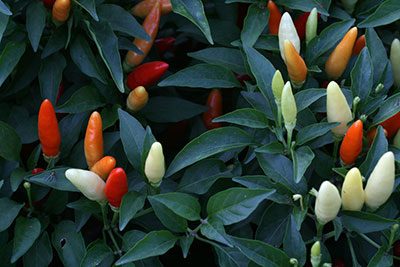
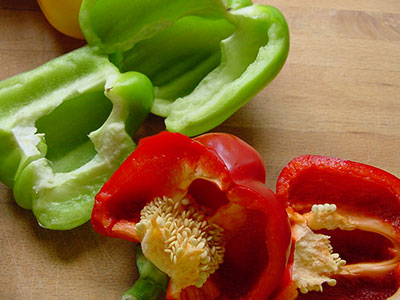
Sweet bell peppers have thick, crunchy walls and mild flavor. They come in colors like green, red, yellow, and orange. These peppers are great for salads, cooking, and stuffing. Hot peppers bring heat with various spice levels. Popular hot types include jalapeños, habaneros, and cayennes. They add zest to dishes but need more care in hot weather. Sweet peppers generally grow easier in Florida’s climate. Hot peppers may need extra watering and shade.
Best Picks For Florida Climate
Florida gardeners favor varieties that resist heat and humidity. ‘California Wonder’ is a sweet type that handles Florida heat well. ‘Big Bertha’ produces large, thick-walled fruits and stays productive. For hot peppers, ‘Habanero’ thrives in Florida’s warmth and provides strong heat. ‘Jalapeño’ peppers also grow well and mature quickly. Choose disease-resistant varieties for better results. Starting seeds indoors helps protect young plants from pests. Transplant outside after the last frost for best growth.
Credit: gardeningsolutions.ifas.ufl.edu
Planting Seasons In Florida
Florida’s warm climate offers multiple planting seasons for bell peppers. Understanding these seasons helps gardeners choose the best time to plant. Bell peppers thrive in Florida’s mild winters and hot summers. Timing your planting ensures healthy growth and good harvests.
Spring Planting After Last Frost
Start bell pepper seeds indoors in late winter. Transplant seedlings outdoors after the last frost date. This usually occurs between late February and early March in Florida. Spring planting takes advantage of warming soil and longer daylight. Plants grow strong before the summer heat arrives.
Summer Planting For Fall Harvest
Planting bell peppers in midsummer can yield a fall harvest. Start seeds indoors in July or early August. Transplant outdoors in August or September. This timing avoids the hottest part of summer. It also extends the growing season into cooler fall months.
Winter Growing Possibilities
Florida’s mild winters allow for winter pepper growing in some areas. Choose warm microclimates or use protective covers. Start seeds indoors in late fall. Transplant seedlings outdoors by November or December. Winter growth is slower but possible with good care.
Starting Seeds Indoors
Starting bell pepper seeds indoors is a smart way to get a head start on the growing season in Florida. It helps young plants grow strong before moving them outside. Indoor seed starting gives you control over temperature and light. It also protects seeds from pests and weather changes.
By starting seeds indoors, you can plant peppers in your garden at the right time. This method increases your chances of a healthy, productive pepper crop. Follow simple tips to make sure your indoor seedlings grow well.
Timing For Indoor Seed Starting
Begin starting bell pepper seeds indoors about 8 to 10 weeks before the last frost date. In Florida, this usually means late January to early February. For a fall harvest, start seeds indoors again in July or early August. This timing allows seedlings to be ready for transplanting when outdoor temperatures are ideal.
Starting seeds too early can cause leggy plants. Too late, and peppers may not mature before cold weather. Watch the calendar and local frost dates to plan your seed starting schedule well.
Indoor Growing Tips
Use seed trays or small pots filled with a light, well-draining seed-starting mix. Keep the soil moist but not soaked. Warmth is key. Maintain a temperature around 75 to 85°F for faster germination. A heating mat can help keep the soil warm.
Place seedlings under grow lights or near a sunny window for 12 to 16 hours daily. Rotate containers regularly to encourage even growth. Thin seedlings to one strong plant per cell or pot once they develop their first true leaves.
Feed young plants with a weak fertilizer solution every two weeks. Harden off seedlings by gradually exposing them to outdoor conditions before transplanting. This helps them adjust and reduces transplant shock.

Credit: hydrangeasblue.com
Outdoor Planting Guidelines
Growing bell peppers outdoors in Florida needs careful planning. The warm climate offers a long growing season. Proper outdoor planting helps peppers thrive and produce well. Follow these guidelines for best results.
Soil Preparation
Bell peppers need rich, well-drained soil. Add compost or organic matter to improve soil quality. The soil pH should be between 6.0 and 6.8. Avoid heavy clay soils that hold water. Till the soil to loosen it before planting.
Spacing And Depth
Space plants 18 to 24 inches apart to allow growth. Plant seeds or seedlings about 1/4 inch deep. Deeper planting can cause slow growth. Proper spacing improves air circulation and reduces disease risk.
Sunlight Requirements
Bell peppers need full sun for at least 6 hours daily. Choose a planting site with good sunlight exposure. Too much shade lowers fruit production. Sunlight helps peppers develop sweet, rich flavors.
Growing Peppers In Containers
Growing bell peppers in containers is a smart choice for Florida gardeners. Containers give control over soil quality and location. They allow easy movement to catch the best sunlight or avoid harsh weather. This method fits well on patios, balconies, or small yards. It also helps manage pests and diseases better than in-ground planting.
Container Selection
Choose a container at least 12 inches deep and wide. Larger pots support bigger plants and more fruits. Make sure the container has drainage holes. This prevents water from pooling and roots from rotting. Plastic, ceramic, or fabric pots work well. Light-colored containers help keep roots cool in Florida’s heat.
Soil And Drainage Tips
Use high-quality potting mix, not garden soil. Potting mix drains well and holds nutrients. Add perlite or sand to improve drainage. Avoid heavy soils that stay wet too long. Water peppers regularly but let soil dry slightly between watering. Good drainage keeps roots healthy and prevents diseases.
Benefits Of Container Growing
Containers let you grow peppers in limited spaces. They help control soil conditions and moisture easily. Plants in pots warm up faster in spring. This leads to earlier growth and harvest. Containers reduce weed problems and make pest control simpler. Moving pots protects plants from strong winds or extreme sun.
Temperature And Climate Effects
The temperature and climate in Florida play a crucial role in growing healthy bell peppers. These plants thrive best in warm conditions but need careful attention to heat and cold. Understanding how Florida’s unique climate affects bell peppers helps gardeners plan the best planting times. Managing the heat and humidity and knowing the cold limits can improve your harvest.
Handling Florida Heat And Humidity
Florida’s heat can stress bell pepper plants. High temperatures above 85°F can slow flower and fruit development. Humidity adds to the plant’s stress by increasing disease risk. Providing shade during the hottest part of the day helps protect plants. Watering deeply but less often encourages strong roots. Mulching keeps soil moist and cool, reducing heat stress. Choose heat-tolerant pepper varieties for better success in Florida’s climate.
Cold Tolerance Of Bell Peppers
Bell peppers do not tolerate cold well. Temperatures below 50°F can stunt growth and damage plants. Frost is especially harmful and can kill pepper seedlings. Start seeds indoors or in a protected area before the last frost date. In Florida, the risk of frost is low but possible in winter. Use row covers or cloches to protect peppers during cold snaps. Planting after the danger of frost ensures peppers grow strong and healthy.
Watering And Fertilizing
Proper watering and fertilizing are crucial for growing healthy bell peppers in Florida. These plants need consistent moisture and the right nutrients to thrive. Without good care, peppers may produce fewer fruits or become stressed.
Understanding how often to water and what fertilizers to use helps your peppers grow strong. The Florida climate can be hot and dry, so keeping soil moist is key. Feeding the plants with the right fertilizer supports good growth and fruit development.
Watering Frequency
Bell peppers in Florida require regular watering to stay healthy. Water deeply about twice a week. This encourages strong roots and steady growth. During very hot days, increase watering to every other day. Avoid letting the soil dry out completely. Too much water can cause root rot. Check soil moisture by feeling the top inch. If it feels dry, it is time to water. Using mulch helps keep soil moist longer. It also reduces weeds and keeps roots cool.
Best Fertilizers For Peppers
Choose fertilizers that provide balanced nutrients for peppers. A fertilizer with equal parts nitrogen, phosphorus, and potassium works well. Look for ratios like 10-10-10 or 14-14-14. Apply fertilizer at planting time and again every 4 to 6 weeks. Use slow-release formulas to feed plants steadily. Organic options like compost or fish emulsion improve soil health. Avoid too much nitrogen, which can cause leafy growth but fewer peppers. Adding calcium helps prevent blossom end rot, a common pepper problem.
Pest And Disease Management
Managing pests and diseases is vital for growing healthy bell peppers in Florida. The warm and humid climate often encourages pest infestations and disease outbreaks. Early attention to pest and disease control protects plants from damage. It also improves pepper yield and quality. Understanding common pests and disease prevention helps gardeners keep their bell pepper plants strong and productive.
Common Pests In Florida
Florida’s climate supports many pests that attack bell peppers. Aphids are tiny insects that suck plant sap. They cause leaves to curl and stunt plant growth. Whiteflies are small, white flying insects that also feed on sap. They spread plant viruses and weaken plants. Spider mites create tiny webs and leave yellow spots on leaves. Thrips damage flowers and fruits, reducing pepper quality. Caterpillars chew on leaves and fruits, causing holes and scars. Monitoring plants often helps catch pest problems early. Use natural predators or insecticidal soap to manage pests safely.
Disease Prevention Tips
Healthy soil and proper watering reduce disease risk. Avoid overwatering to prevent root rot and fungal problems. Space plants well to improve air circulation and reduce leaf diseases. Remove plant debris and weeds that harbor disease organisms. Rotate crops yearly to prevent soil-borne diseases from building up. Use disease-resistant pepper varieties suited for Florida’s climate. Inspect plants regularly for signs of disease like spots, wilting, or mold. Early removal of infected leaves or plants stops disease spread. Clean gardening tools after use to avoid cross-contamination.
Harvesting Bell Peppers
Harvesting bell peppers in Florida is a rewarding part of growing these vibrant vegetables. Knowing when and how to pick your peppers ensures the best flavor and texture. Proper harvesting helps the plant produce more peppers over time. Watch your plants closely as they near maturity for the perfect harvest moment.
Signs Of Maturity
Bell peppers are ready to pick when they reach full size. Size varies by variety but usually matches the seed packet description. The skin should be firm and glossy without wrinkles. Color changes from green to red, yellow, orange, or purple depending on the type. If you want sweeter peppers, wait for full color. Avoid picking peppers with soft spots or cracks.
Harvesting Techniques
Use sharp scissors or garden shears to cut peppers from the plant. Cut the stem about half an inch above the fruit to avoid damage. Do not pull peppers off as this can harm the plant. Handle peppers gently to avoid bruises. Harvest peppers regularly to encourage new growth and more fruit production.
Extending The Growing Season
Extending the growing season for bell peppers in Florida helps you harvest more fruit. This approach takes advantage of Florida’s warm climate. You can grow peppers beyond the usual spring and summer months. By using smart gardening techniques, you keep plants healthy and productive longer.
Extending the season means planting earlier or later than usual. It also means protecting plants from extreme heat or cold. These steps help you enjoy fresh peppers almost year-round in Florida.
Using Shade And Mulch
Shade protects pepper plants from Florida’s intense sun. It lowers leaf temperature and reduces water loss. You can use shade cloth or plant peppers near taller crops. This keeps peppers cooler during the hottest hours.
Mulch keeps soil moist and cool. It also stops weeds from growing. Organic mulches like straw or wood chips work best. Mulch helps peppers grow strong roots and stay healthy longer.
Successive Planting Strategies
Planting bell peppers in intervals spreads out the harvest. Start seeds indoors in late winter for spring planting. Then plant again in midsummer for a fall crop. This method fills the garden with fresh peppers for many months.
Choose fast-maturing pepper varieties for quick harvests. Keep soil fertile and water regularly. Successive planting keeps your garden productive and reduces downtime between crops.
Frequently Asked Questions
What Month Do You Plant Peppers In Florida?
Plant peppers in Florida from late winter indoors. Transplant after the last frost in early spring. Start again in August-September for fall crops.
Do Bell Peppers Grow Better In Pots Or Ground?
Bell peppers grow well in both pots and ground. Pots offer warmer soil and controlled conditions, often increasing yield. Ground planting suits larger spaces and natural soil benefits. Choose based on available space, climate, and care preferences for optimal growth.
Can I Plant Bell Peppers In August?
Yes, you can plant bell peppers in August for a fall harvest. Start seeds indoors or transplant seedlings outdoors. Ensure warm soil and adequate sunlight.
How Many Bell Peppers Can I Plant In A 5 Gallon Bucket?
You can plant one bell pepper per 5-gallon bucket. This size provides enough space and nutrients for healthy growth.
Conclusion
Plant bell peppers in Florida during late winter or early spring. Start seeds indoors to protect from frost. Transplant outdoors after the last frost date. For a second crop, plant seeds again in midsummer. Space plants properly for healthy growth and good yield.
Bell peppers grow well in pots or ground soil. Keep soil warm and moist for best results. Timing your planting right ensures fresh peppers all season. Enjoy growing your own tasty bell peppers with simple care.