If you’re planning to grow zucchini in Florida, knowing the best time to plant is key to a successful harvest. Zucchini plants thrive when given the right conditions, but Florida’s unique climate means timing your planting just right can make all the difference.
Plant too early or too late, and you might face poor growth or fewer fruits. You’ll discover exactly when to plant zucchini in different parts of Florida to enjoy fresh, homegrown squash all season long. Ready to grow your best zucchini yet?
Let’s dive in!
Zucchini Growing Seasons In Florida
Zucchini grows best during certain seasons in Florida due to the state’s unique climate. Understanding these growing seasons helps gardeners plant at the right time. This ensures healthy plants and good harvests. Florida’s warm weather allows for multiple planting periods. Each region in Florida has its own ideal times for zucchini planting.
North Florida Planting Periods
In North Florida, plant zucchini from February to April. This period avoids the coldest months and takes advantage of spring warmth. A second planting is possible in August and September. These months provide cooler temperatures after the summer heat. Planting during these windows helps zucchini thrive.
Central Florida Planting Periods
Central Florida has a longer growing season for zucchini. Plant from February through May for a spring crop. Another planting can happen in August and September. This timing avoids the hottest summer months. Central Florida’s mild winters also support fall zucchini growth.
Avoiding Summer Heat Challenges
Florida summers can be too hot for zucchini. High temperatures stress plants and reduce yields. Avoid planting zucchini in the peak summer months of June and July. Focus on early spring and late summer plantings instead. Providing shade and watering regularly helps during warm periods. This approach protects zucchini from heat damage.

Credit: www.revivalgardening.com
Ideal Conditions For Zucchini
Zucchini grows best under specific conditions, especially in Florida’s unique climate. Understanding these ideal conditions helps gardeners grow healthy, productive plants. Sunlight, soil quality, and nutrients play key roles. Below are important factors to consider for planting zucchini successfully.
Sunlight Requirements
Zucchini plants need full sun to thrive. They require at least six to eight hours of direct sunlight daily. Sunlight helps produce strong stems and abundant fruit. In Florida, choose a spot that gets morning and afternoon sun for best results.
Soil Preparation Tips
Well-draining soil is essential for zucchini. The soil should be loose and rich in organic matter. Before planting, mix compost or aged manure into the soil. This improves texture and moisture retention. Avoid heavy clay soils that hold water and cause root problems.
Nutrient Needs And Fertilization
Zucchini are heavy feeders and need plenty of nutrients. Use a balanced fertilizer with nitrogen, phosphorus, and potassium. Apply fertilizer before planting and again when flowers appear. Regular feeding supports healthy growth and boosts fruit production.
Planting Techniques For Best Results
Proper planting techniques are key to growing healthy zucchini in Florida’s climate. Correct seed starting, spacing, and watering help plants thrive. These steps reduce stress and boost fruit production. Follow these guidelines for best results in your garden.
Seed Starting And Transplanting
Start zucchini seeds indoors 2-3 weeks before the last frost date. Use peat pots or seed trays with good drainage. Keep soil moist but not soggy. Provide warmth around 70°F for quick germination. Transplant seedlings outdoors when they have 2-3 true leaves. Harden them off by exposing them to outdoor conditions for a few hours daily over one week.
Spacing And Depth Guidelines
Plant zucchini seeds or seedlings about 1 inch deep. Space plants 24 to 36 inches apart to allow airflow. Proper spacing reduces the risk of disease and pest problems. Rows should be 3 to 4 feet apart. This room helps vines spread and keeps the plants healthy.
Watering Practices
Water zucchini deeply once or twice a week. Keep soil consistently moist but not waterlogged. Use drip irrigation or water at the base to avoid wetting leaves. Wet leaves can lead to fungal diseases. Mulch around plants to retain moisture and reduce weeds.

Credit: vizcaya.org
Companion Planting With Zucchini
Companion planting with zucchini helps improve growth and protect plants naturally. Choosing the right neighbors can boost zucchini health and yield. Some plants attract helpful insects or repel pests. Others can compete or cause problems. Understanding which plants to pair or avoid is key for a thriving garden.
Beneficial Neighboring Plants
Marigolds repel beetles and other pests that harm zucchini. Nasturtiums attract aphids away from zucchini plants. Beans fix nitrogen in the soil, enriching it for zucchini roots. Corn provides light shade, reducing heat stress on zucchini. Radishes deter cucumber beetles, common zucchini pests. These companions help zucchini grow stronger and healthier.
Plants To Avoid Near Zucchini
Potatoes compete heavily for nutrients and space with zucchini. Sweet potatoes grow vigorously and crowd zucchini plants. Other cucurbits like pumpkins, cucumbers, and melons share pests and diseases. Fennel inhibits the growth of many garden plants, including zucchini. Avoid planting these near zucchini to reduce disease and pest risks.
Managing Pest And Disease Risks
Plant zucchini away from crops that attract squash vine borers and aphids. Use companion plants that repel or distract pests naturally. Practice crop rotation to prevent soil-borne diseases. Remove plant debris to reduce fungal infections. Monitor plants regularly for early signs of pests or disease. Healthy plants resist pests better and produce more fruit.
Common Problems And Solutions
Growing zucchini in Florida has its challenges. Common problems can affect plant health and yield. Knowing these problems and how to fix them helps gardeners enjoy a better harvest. Below are common issues with zucchini plants and simple solutions to keep them healthy.
Pest Identification And Control
Look for pests like squash bugs, cucumber beetles, and aphids. Squash bugs suck plant juices, causing leaves to wilt. Cucumber beetles chew leaves and spread disease. Aphids cluster on new growth and cause stunted plants.
Control pests by handpicking and destroying them. Use insecticidal soap or neem oil spray for large infestations. Keep garden clean to reduce hiding spots. Crop rotation helps prevent pest buildup in soil.
Disease Prevention Tips
Zucchini can get powdery mildew, bacterial wilt, and blossom end rot. Powdery mildew shows as white powder on leaves. Bacterial wilt causes sudden wilting and death. Blossom end rot appears as dark spots on fruit.
Prevent diseases by watering at the base, not overhead. Space plants well for good air flow. Remove infected leaves immediately. Use resistant zucchini varieties. Rotate crops yearly to avoid soil diseases.
Nutrient Deficiency Signs
Yellow leaves may mean nitrogen deficiency. Purple leaves show phosphorus lack. Slow growth and pale leaves indicate potassium shortage.
Fix deficiencies by adding balanced fertilizer or compost. Test soil to know exact needs. Avoid over-fertilizing; it can harm plants. Healthy soil grows strong zucchini plants.
Harvesting And Storage
Harvesting and storing zucchini properly ensures the best taste and longest shelf life. Picking zucchini at the right time helps maintain its tenderness and flavor. Storing it correctly keeps the vegetable fresh and ready for your meals.
When To Harvest Zucchini
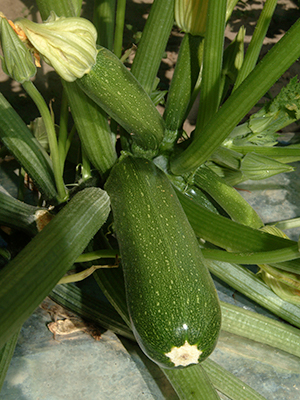
Harvest zucchini when they reach 6 to 8 inches long. Smaller zucchinis are more tender and flavorful. Check plants every day during peak growing season. Avoid letting zucchinis grow too large. Large zucchinis become tough and less tasty.
Proper Picking Techniques
Use a sharp knife or garden scissors to cut zucchini. Cut the stem about one inch above the fruit. Handle zucchini gently to avoid bruising. Avoid pulling or twisting the fruit from the plant. This prevents damage to both fruit and plant.
Storing For Freshness
Store zucchini in a cool, dry place or refrigerator. Place them in a perforated plastic bag to keep moisture balanced. Use zucchini within 3 to 5 days for best quality. Avoid washing zucchini before storage to prevent mold. Wash only before use.
Seasonal Planting Calendar
The Seasonal Planting Calendar helps gardeners in Florida know the best times to plant zucchini. Florida’s warm climate allows for multiple planting windows each year. Understanding these windows ensures healthy plants and a good harvest. Careful timing avoids the hottest months when zucchini struggles.
Using a clear calendar guides planting efforts. It shows when soil and air temperatures suit zucchini growth. Following this calendar boosts chances of success in Florida’s unique climate.
Monthly Planting Guide
In North Florida, plant zucchini from February to April for spring crops. Start again in August and September for fall harvest. Central Florida offers a longer season, from February to May. Another planting period runs from August through September there.
These months avoid extreme heat. Zucchini plants thrive with warm days but suffer in intense summer heat. Planting within these windows gives plants time to grow and produce before weather turns harsh.
Adjusting For Regional Variations
Florida’s regions differ in climate and temperature. North Florida has cooler winters and a shorter growing season. Central Florida experiences mild winters and longer growing periods. South Florida’s subtropical climate can allow year-round planting but requires care during hot months.
Adjust planting dates based on local frost dates and soil warmth. Use local gardening resources to confirm the best times. This ensures zucchini plants grow strong and avoid weather stress.
Planning Successive Crops
Planting zucchini in successive waves extends harvest times. After one crop matures, clear space and plant again. This method fills the garden with fresh zucchini for many months. It works well in Florida’s climate with multiple growing seasons.
Space crops to allow soil recovery. Add compost or fertilizer between plantings. This keeps soil fertile and supports healthy zucchini growth. Successive planting maximizes garden output and keeps your kitchen stocked.
Credit: gardeningsolutions.ifas.ufl.edu
Frequently Asked Questions
When Should You Plant Zucchini In Florida?
Plant zucchini in North Florida from February to April and August to September. In Central Florida, plant from February to May and again in August to September. Avoid the hottest summer months for best growth and yield.
Can I Plant Zucchini In September?
Yes, you can plant zucchini in September in many regions. It thrives in warm soil and will produce before frost. Ensure the location gets full sun and has rich, well-draining soil for best growth. Planting in September works well in mild climates.
What Is The Secret To Growing Zucchini?
Plant zucchini in rich, well-draining soil with full sun. Enrich soil using compost and aged manure. Space plants well and water consistently.
What Should You Not Plant Next To Zucchini?
Avoid planting potatoes, sweet potatoes, cucumbers, pumpkins, melons, fennel, brassicas, Jerusalem artichokes, and lovage next to zucchini. These plants compete for nutrients, attract pests, spread diseases, or inhibit zucchini growth. Keeping zucchini away from these plants helps ensure healthier growth and better yields.
Conclusion
Plant zucchini in Florida during cooler months for best results. Early spring and late summer offer ideal growing conditions. Choose rich, well-draining soil and a sunny spot. Avoid planting zucchini near potatoes, cucumbers, or fennel to prevent pests and diseases.
Regular watering and proper spacing help plants thrive. Keep an eye on weather changes to protect your crop. Growing zucchini at the right time ensures a healthy, productive garden. Start planting smart, and enjoy fresh zucchini all season long.