
When winter arrives in Florida, your garden doesn’t have to lose its charm. You might think cold months mean dull, lifeless outdoor spaces, but that’s far from the truth.
With the right plants, your yard can stay vibrant, colorful, and full of life even when the temperatures drop. If you want to enjoy a beautiful winter garden without the hassle of constant upkeep, choosing the best winter outdoor plants for Florida is key.
You’ll discover which plants thrive in Florida’s mild winter climate, how they brighten your landscape, and tips to keep them flourishing. Ready to transform your outdoor space into a winter paradise? Let’s dive in!
Winter Climate In Florida
Florida’s winter climate offers a unique environment for outdoor plants. Unlike colder states, Florida experiences mild winters that allow many plants to thrive year-round. Understanding the winter weather helps gardeners choose the best plants for their outdoor spaces.
Mild Temperatures And Frost Risks
Winter temperatures in Florida usually stay mild. Most days range between 50°F and 70°F. Freezing temperatures are rare but can happen, especially at night. Frost may occur in northern and central parts. Coastal areas have less frost risk due to the ocean’s warmth. Gardeners should prepare for occasional cold snaps to protect sensitive plants.
Regional Differences Across The State
Florida’s climate varies from north to south. Northern Florida can get colder winters with more frost. Central Florida has moderate winters with fewer frost days. Southern Florida stays warm, with almost no frost. These differences affect which plants grow well in each region. Choosing plants suited to your area improves success in winter gardening.
Criteria For Winter Hardy Plants
Choosing the right plants for Florida’s winter gardens means understanding key traits. Winter hardy plants survive cooler temperatures while staying healthy. These plants must handle Florida’s unique climate. Knowing what makes a plant winter hardy helps gardeners pick the best options. Below are important criteria to consider.
Cold Tolerance Levels
Cold tolerance shows how well a plant withstands low temperatures. Florida winters can have chilly nights, especially inland. Plants need to survive brief cold spells without damage. Some plants tolerate frost, while others only handle mild cold. Choose plants rated for your USDA zone or local climate data. Cold-hardy plants keep their leaves and flowers through winter.
Water And Sunlight Needs
Water and sunlight affect plant health in winter. Even hardy plants need the right water amount. Too much water can cause root rot in cooler weather. Too little water makes plants weak. Sunlight is vital as winter days shorten. Plants must get enough light to stay strong. Select plants that match your garden’s sun exposure. Full sun, partial shade, or shade preferences matter.
Soil Compatibility
Soil type influences plant growth and survival. Florida soils vary from sandy to clay-heavy. Some plants prefer well-drained sandy soil. Others need richer, moisture-retentive soils. Winter hardy plants must thrive in your soil conditions. Test soil pH and texture before planting. Amend soil if needed to improve drainage or nutrients. Good soil support helps plants resist winter stress.
Top Flowering Plants For Winter
Winter in Florida offers a unique opportunity to enjoy vibrant blooms outdoors. Many flowering plants thrive despite cooler temperatures. These plants bring color and life to gardens during the winter months. Choosing the right flowers ensures your garden stays bright and inviting all season long.
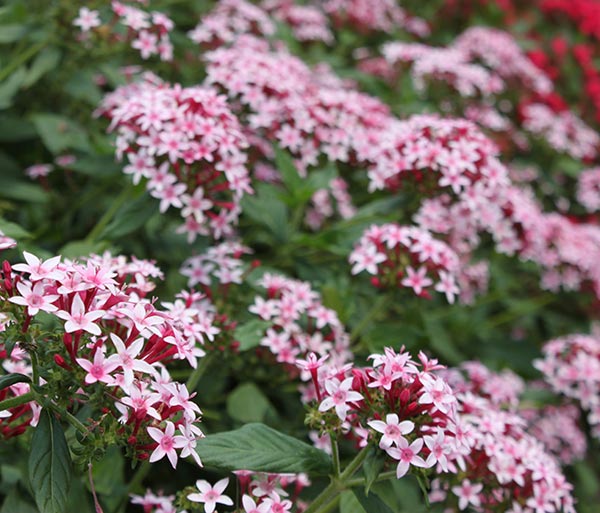
Pentas For Year-round Color
Pentas are excellent for continuous blooms throughout winter. These plants produce clusters of star-shaped flowers in red, pink, and white. They attract hummingbirds and butterflies to your garden. Pentas tolerate Florida’s mild winter well. Regular watering and sunlight keep them blooming.
Salvia Varieties That Thrive
Salvias offer bright flowers in blue, purple, and white shades. They are drought-tolerant and require little care. These plants bloom continuously in Florida’s winter sun. Salvias attract pollinators, adding life to your outdoor space. Their tall spikes create beautiful garden accents.
Plumbago’s Blue Blossoms
Plumbago shows off soft, sky-blue flowers during winter. This plant thrives in warm climates like Florida. It grows well in full sun or partial shade. Plumbago spreads easily, covering ground or climbing structures. Its delicate blooms brighten any garden area.
Hibiscus And Tropical Choices
Hibiscus plants bring a tropical flair with large, colorful flowers. They bloom almost year-round in Florida’s climate. These plants prefer full sun and well-drained soil. Hibiscus attracts butterflies and hummingbirds with its vibrant colors. Other tropical plants add variety and warmth to winter gardens.
Best Foliage And Shrubs
Choosing the best foliage and shrubs for Florida’s winter garden adds color and texture. These plants thrive in cooler months and offer year-round interest. They need little care and withstand Florida’s mild winter climate well.
Foliage and shrubs create structure and provide food for pollinators. Their leaves and blooms brighten outdoor spaces. Below are some top picks that perform well in Florida winters.
Coral Honeysuckle Vine
Coral Honeysuckle is a native vine with bright red flowers. It blooms from fall into spring, attracting hummingbirds and butterflies. This vine climbs fences or trellises, adding vertical interest. It tolerates some shade but loves full sun. Coral Honeysuckle also resists pests and drought, making it low maintenance.
Swamp Sunflower Benefits
Swamp Sunflower grows well in moist soil and sunny spots. It produces large, yellow flowers from late fall through winter. These blooms attract bees and butterflies. The plant’s green foliage stays vibrant in winter. Swamp Sunflower can help control erosion near water gardens or ponds. It adds a cheerful splash of color during cooler months.
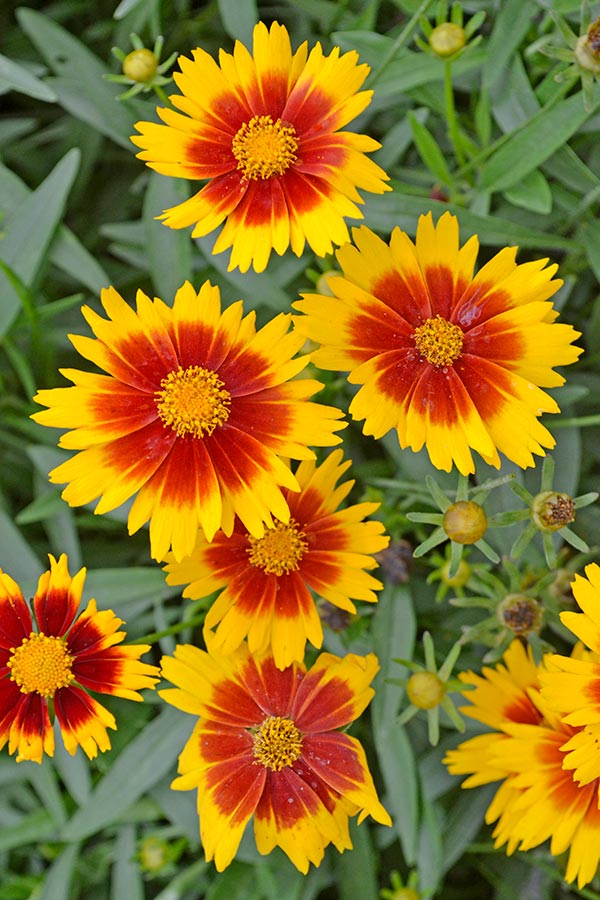
Transvaal Daisy Highlights
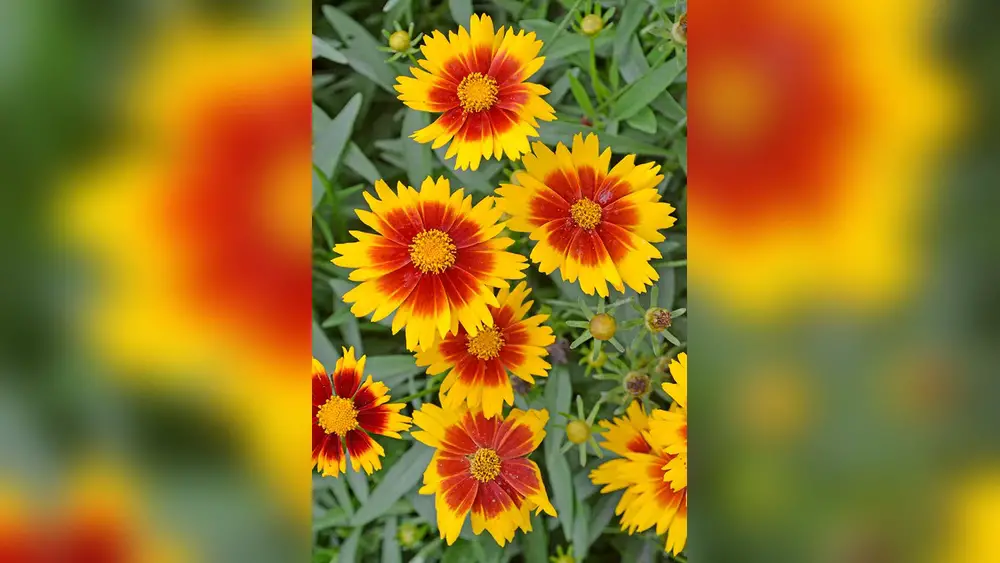
Transvaal Daisy features bright orange and red daisy-like flowers. It blooms from fall to early spring. This shrub tolerates heat and drought once established. It grows well in full sun and well-drained soil. Transvaal Daisy’s flowers attract pollinators and brighten winter landscapes. Its compact size fits well in small garden spaces.
Vegetables And Edibles For Cool Season
Winter in Florida offers a great chance to grow cool-season vegetables and edibles outdoors. The mild climate supports many crops that prefer cooler temperatures. These plants thrive and produce fresh, healthy food during the cooler months. Choosing the right vegetables helps you enjoy a productive garden all winter long.
Leafy Greens Like Kale And Spinach
Kale and spinach grow well in Florida’s winter weather. They prefer cooler temperatures and can handle light frost. These greens are rich in vitamins and easy to harvest. Plant them in well-drained soil with good sunlight. Water regularly to keep the leaves tender and fresh. They grow fast, so you can enjoy multiple harvests.
Root Vegetables Options
Carrots, radishes, and beets are root vegetables that thrive in Florida winters. They need loose, sandy soil to grow straight and healthy roots. These vegetables add color and nutrients to your meals. Plant seeds directly in the garden and thin seedlings as they grow. Keep the soil moist but not waterlogged for best results.
Brassicas For Florida Winters
Broccoli, cabbage, and cauliflower are common brassicas that do well in Florida’s cool season. They require full sun and fertile soil to develop large heads. These vegetables need more space to grow, so plant them with enough distance. Regular watering and feeding help produce a strong harvest. Watch for pests like cabbage worms and remove them promptly.
Credit: livingcolorgardencenter.net
Planting Tips For Winter Success
Winter gardening in Florida requires special care to keep plants healthy. Preparing the soil, managing water, and protecting from cold are key. These steps help plants grow strong despite cooler temperatures. Follow simple tips to enjoy a vibrant winter garden.
Soil Preparation And Fertilization
Start by loosening the soil to improve air and water flow. Remove any weeds or debris that can block nutrients. Add organic compost to enrich the soil with nutrients. Use a balanced fertilizer to support plant growth during winter. Avoid heavy fertilization late in the season to prevent weak growth.
Watering Strategies
Water plants early in the day to reduce moisture loss. Keep the soil moist but not soggy to prevent root rot. Adjust watering frequency as temperatures drop and rain increases. Mulch around plants to help retain soil moisture and regulate temperature. Use drip irrigation for efficient water delivery.
Protecting Plants From Cold Spells
Cover sensitive plants with frost cloths or old sheets during cold nights. Use mulch to insulate roots and maintain soil warmth. Move potted plants indoors or to sheltered spots when frost is forecast. Avoid pruning in late fall to help plants conserve energy. Check weather updates regularly to prepare for sudden cold snaps.
Maintaining Vibrant Winter Gardens
Maintaining a vibrant winter garden in Florida requires consistent care and attention. Even in mild winters, plants benefit from proper pruning, pest control, and support for pollinators. These steps keep your garden healthy and colorful throughout the season. A lively winter garden adds beauty and attracts wildlife, making outdoor spaces more enjoyable.
Pruning And Deadheading
Regular pruning helps plants grow strong and healthy. Remove dead or damaged branches to improve air flow. Deadheading spent flowers encourages new blooms. Trim back overgrown areas to maintain shape and size. These simple actions boost plant energy and keep your garden tidy.
Pest And Disease Management
Check plants often for signs of pests or disease. Early detection stops problems from spreading. Use natural remedies or insecticidal soaps to control pests safely. Remove infected leaves or stems to protect healthy parts. Clean garden tools regularly to prevent disease transmission.
Encouraging Pollinators In Winter
Pollinators like bees and butterflies support plant growth. Plant winter-flowering species that provide nectar and pollen. Avoid using harsh pesticides that harm beneficial insects. Add water sources like shallow dishes with stones for landing. Providing shelter with native plants helps pollinators survive cold spells.
Credit: costafarms.com
Credit: costafarms.com
Frequently Asked Questions
What Grows Best In Florida In Winter?
Cool-season vegetables like broccoli, cabbage, kale, carrots, and spinach grow best in Florida during winter.
What Flower Blooms All Year Round In Florida?
Lantana blooms year-round in Florida, thriving in heat and attracting butterflies. Hibiscus, pentas, salvia, plumbago, and blue daze also flower continuously in Florida’s warm climate.
What Can I Plant In October In Florida?
In October Florida, plant cool-season vegetables like broccoli, cabbage, carrots, kale, lettuce, peas, spinach, and radishes. Also, sow flowers such as lantana, hibiscus, pentas, salvia, plumbago, and blue daze for year-round blooms.
What Is The Best Low Maintenance Landscape In Florida?
The best low maintenance landscape in Florida includes drought-tolerant plants like lantana, hibiscus, pentas, salvia, and blue daze. These plants thrive in heat, require minimal watering, and bloom year-round, providing vibrant color with little upkeep. Use native grasses and mulch to reduce maintenance further.
Conclusion
Choosing the right winter plants keeps your Florida garden bright and lively. Hardy varieties like hibiscus and lantana offer color through cooler months. These plants need sunlight and regular watering to thrive. Butterflies and hummingbirds will visit your garden more often.
Enjoy a beautiful outdoor space even in winter’s mild chill. Start planting now for a cheerful winter garden.